
Diverticulitis is a medical condition that affects the large intestine, specifically the colon. It’s characterized by inflammation or infection of small pouches called diverticula, which can form in the lining of the digestive tract. While these pouches are common, especially as people age, diverticulitis occurs when they become inflamed or infected, leading to a range of uncomfortable and sometimes serious symptoms. Understanding what colon diverticulitis is, its causes, symptoms, and potential complications is crucial for managing this condition effectively and maintaining overall health.
Understanding Diverticula and Diverticulosis
Before delving into diverticulitis, it’s essential to understand the preceding stage: diverticulosis.
The Formation of Diverticula: A Common Occurrence
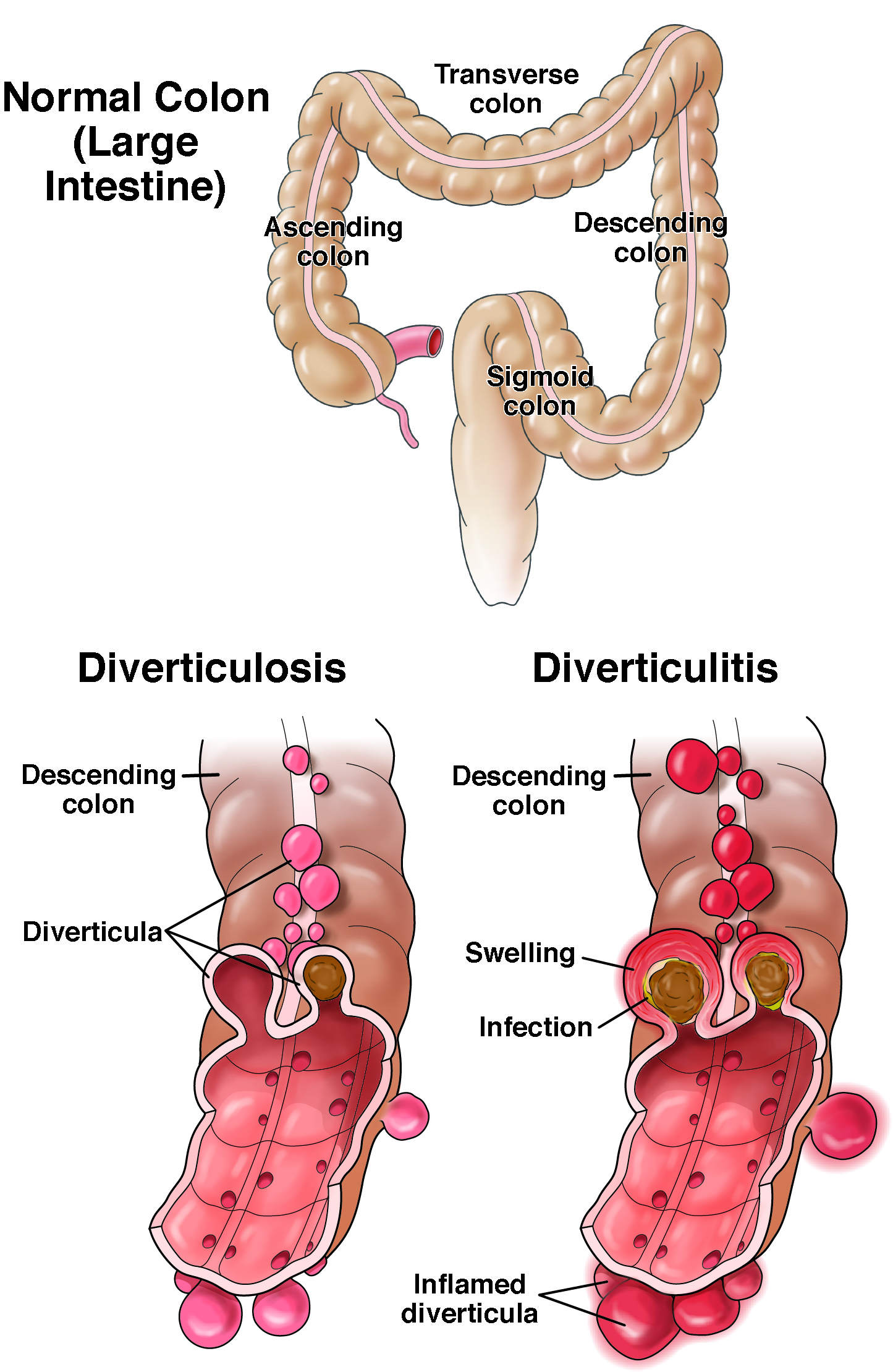
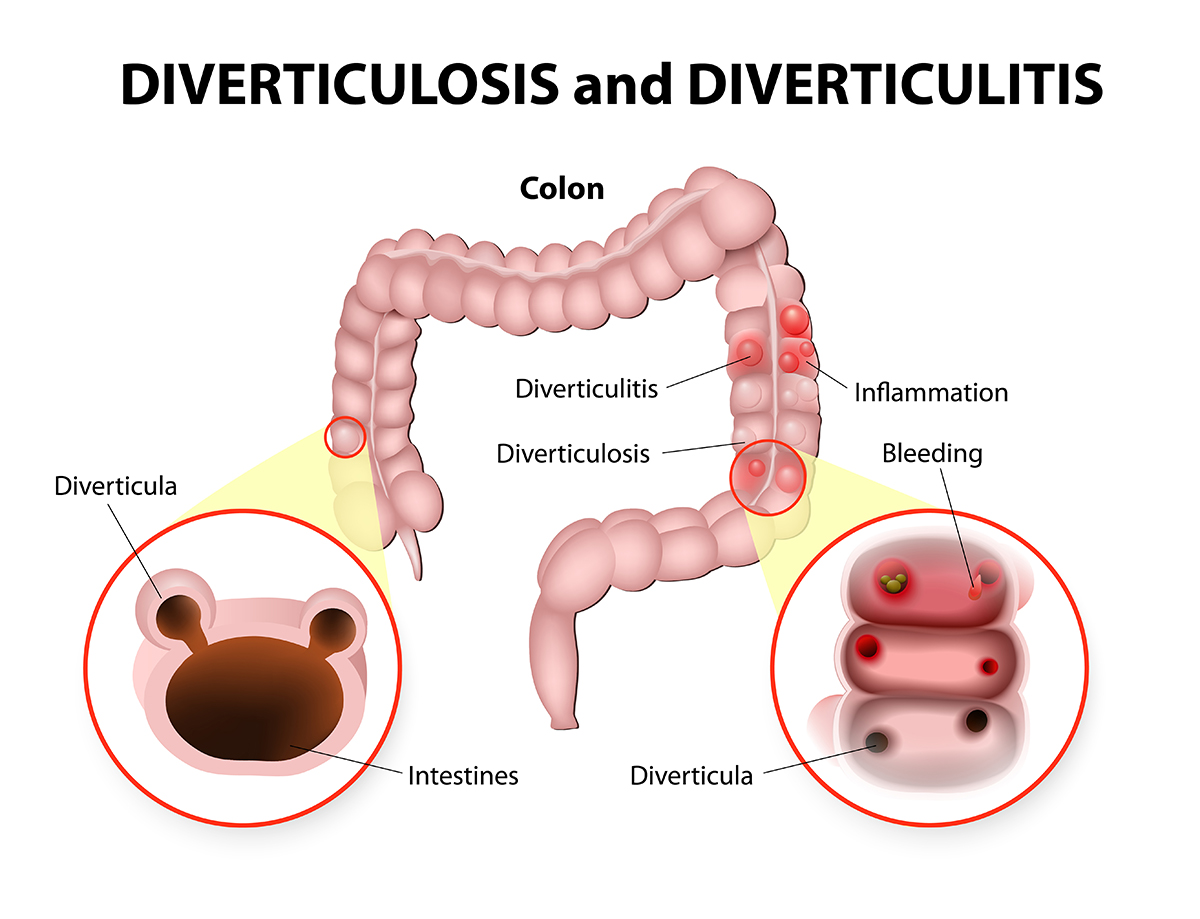
The colon, or large intestine, is a muscular tube responsible for absorbing water and electrolytes from indigestible food matter and transmitting the useless waste material from the body. The inner lining of the colon, known as the mucosa, can weaken over time, particularly in areas where blood vessels penetrate the muscle wall. This weakness can cause the inner lining to bulge outwards through the muscular wall, creating small, sac-like pouches called diverticula.
This condition, where diverticula are present but not inflamed, is called diverticulosis. It’s estimated that diverticulosis affects a significant portion of the population, with the prevalence increasing with age. By the age of 60, around half of all people may have diverticulosis, and this figure rises to as high as 80% by the age of 80. In many cases, diverticulosis causes no symptoms at all and is often discovered incidentally during medical tests for other conditions.
Factors Contributing to Diverticulosis Development
While the exact cause of diverticula formation isn’t fully understood, several factors are believed to play a role:
- Low-Fiber Diet: This is considered one of the most significant contributing factors. A diet lacking in dietary fiber, which is abundant in fruits, vegetables, and whole grains, can lead to harder, smaller stools. The colon then has to work harder to push these stools through, increasing pressure within the intestinal walls. This sustained pressure can weaken the lining and promote the formation of diverticula.
- Age: As mentioned, the likelihood of developing diverticulosis increases significantly with age. This is likely due to the natural aging process affecting the elasticity and strength of the colon’s tissues.
- Obesity: Being overweight or obese has been linked to an increased risk of developing diverticular disease.
- Lack of Physical Activity: A sedentary lifestyle may also contribute to the development of diverticulosis. Regular physical activity can help maintain healthy bowel function.
- Smoking: Some studies suggest a link between smoking and an increased risk of diverticular disease.
- Certain Medications: The long-term use of nonsteroidal anti-inflammatory drugs (NSAIDs) like ibuprofen and naproxen, and opioids, has been associated with a higher risk of diverticulitis.
It’s important to reiterate that diverticulosis itself is generally asymptomatic. The issues arise when these pouches become inflamed or infected, leading to diverticulitis.
What is Colon Diverticulitis? The Inflammation and Infection
When one or more diverticula become inflamed or infected, the condition is then termed diverticulitis. This inflammation can occur for several reasons:
- Fecal Impaction: Small pieces of stool or other undigested material can become trapped within a diverticulum.
- Bacterial Overgrowth: The trapped material can create an environment conducive to bacterial growth.
- Inflammation and Infection: The presence of trapped material and bacteria can trigger an inflammatory response, leading to infection, swelling, and pain.
The Process of Inflammation
The inflammation in diverticulitis typically starts with the lining of the diverticulum becoming irritated and inflamed. This inflammation can then spread to the surrounding tissues of the colon. In some cases, the inflammation can lead to more severe complications such as perforation (a hole in the colon wall), abscess formation (a collection of pus), or blockage of the intestine.
Symptoms of Diverticulitis: Recognizing the Signs
The symptoms of diverticulitis can vary in severity, ranging from mild discomfort to severe pain and fever. Prompt recognition of these symptoms is crucial for seeking timely medical attention. Common symptoms include:
- Abdominal Pain: This is the most common symptom, typically felt in the lower left side of the abdomen. However, the pain can sometimes occur on the right side, especially in individuals of Asian descent. The pain can be constant and severe, or it can come and go.
- Fever: A low-grade fever is often present, indicating an infection.
- Nausea and Vomiting: Feeling sick to your stomach and vomiting can occur alongside the abdominal pain.
- Changes in Bowel Habits: This can include constipation, diarrhea, or a feeling of incomplete bowel evacuation.
- Abdominal Tenderness: The abdomen may be tender to the touch, especially in the area of pain.
- Bloating and Gas: Some individuals experience increased bloating and gas.
- Loss of Appetite: Feeling unwell can lead to a reduced desire to eat.
Less common symptoms might include rectal bleeding, though this is more often associated with diverticular bleeding, which is a separate complication where a blood vessel within a diverticulum erodes, causing bleeding without inflammation.
Complications Associated with Diverticulitis
While many cases of diverticulitis are mild and resolve with treatment, there is a risk of developing more serious complications. These complications can require more aggressive medical intervention, including hospitalization and surgery.

Abscess Formation
An abscess is a localized collection of pus that can form when an infection within a diverticulum spreads to the surrounding tissues. This can cause increased pain, fever, and tenderness in the abdominal area. Abscesses may be treated with antibiotics, or they might require drainage by a healthcare professional.
Perforation
Perforation occurs when an inflamed diverticulum erodes through the wall of the colon, creating a hole. This is a serious complication because it allows the contents of the colon to leak into the abdominal cavity, leading to a widespread infection called peritonitis. Peritonitis is a life-threatening condition that requires immediate medical attention and often surgery to repair the perforation and clean the abdominal cavity.
Bowel Obstruction
Diverticulitis can lead to a bowel obstruction if inflammation causes the colon to narrow or if scar tissue forms after repeated episodes of inflammation. This obstruction prevents the normal passage of food and waste through the intestines, leading to symptoms like severe abdominal pain, bloating, vomiting, and inability to pass gas or stool.
Fistula Formation
A fistula is an abnormal tunnel that can form between the colon and another organ, such as the bladder, vagina, or skin. This can occur when inflammation erodes through the walls of the colon and an adjacent organ. Symptoms of a fistula can include recurrent urinary tract infections (if a fistula forms with the bladder), passage of stool or gas from the vagina (vaginal fistula), or drainage from the skin.
Recurrent Diverticulitis
Some individuals experience multiple episodes of diverticulitis. The risk of recurrence can be influenced by factors such as the severity of the initial episode, whether it was complicated, and lifestyle factors.
Managing and Preventing Diverticulitis
While diverticulosis is a common condition that cannot be reversed, strategies exist to manage and prevent episodes of diverticulitis.
Medical Management and Treatment
The treatment for diverticulitis depends on its severity.
- Mild Cases: For mild diverticulitis, treatment often involves resting the bowel, a liquid diet or a low-fiber diet initially, followed by a gradual return to a high-fiber diet, and antibiotics to combat infection. Over-the-counter pain relievers can also be used.
- Severe Cases: More severe cases may require hospitalization, intravenous antibiotics, bowel rest, and potentially surgery.
Dietary Recommendations and Lifestyle Changes for Prevention
Preventing future episodes of diverticulitis often involves focusing on diet and lifestyle modifications.
- High-Fiber Diet: This is paramount for both preventing diverticulosis and managing diverticular disease. Gradually increasing fiber intake from fruits, vegetables, whole grains, and legumes can help soften stools and reduce pressure in the colon. However, during an active diverticulitis flare-up, a low-fiber diet might be recommended initially. Once symptoms subside, reintroducing fiber is crucial.
- Hydration: Drinking plenty of water throughout the day is essential for fiber to work effectively and to maintain regular bowel movements.
- Regular Exercise: Physical activity promotes healthy bowel function and can reduce the risk of diverticular disease.
- Weight Management: Maintaining a healthy weight can help reduce the strain on the colon.
- Avoid Smoking: Quitting smoking can have numerous health benefits, including potentially reducing the risk of diverticulitis.
- Considerations Regarding Nuts, Seeds, and Popcorn: Historically, it was believed that these foods could worsen diverticulitis by getting stuck in diverticula. However, current research suggests that for most people with diverticulosis, these foods are safe and can be part of a healthy, high-fiber diet. It’s always best to discuss individual dietary concerns with a healthcare provider.
The Role of Technology and Digital Health
While the core of managing diverticulitis is rooted in medical expertise and lifestyle, technology can play an increasingly supportive role.
- Information and Education: Websites like this one provide accessible information about conditions like diverticulitis, empowering individuals to understand their health better. Digital platforms offer a vast repository of medical knowledge, allowing patients to research symptoms and treatment options.
- Telemedicine and Remote Monitoring: For individuals managing chronic conditions or recovering from diverticulitis, telemedicine can offer convenient follow-up appointments and consultations. Wearable devices might eventually contribute to monitoring general health indicators that could indirectly relate to gut health.
- Digital Health Tools: Apps and online tools can help individuals track their dietary intake, including fiber consumption, and monitor bowel habits. This data can be valuable for both personal insight and for sharing with healthcare providers to inform treatment plans.
- AI in Diagnostics and Research: While still in its nascent stages for diverticulitis specifically, Artificial Intelligence (AI) is rapidly advancing in healthcare. In the future, AI could potentially aid in the early detection of diverticular disease through image analysis or help researchers identify new patterns and risk factors by analyzing large datasets.
In conclusion, understanding what colon diverticulitis is – the inflammation and infection of small pouches in the colon – is the first step toward effective management. While diverticulosis is common and often asymptomatic, diverticulitis can lead to significant discomfort and serious complications. By adopting a high-fiber diet, staying hydrated, engaging in regular exercise, and seeking prompt medical attention when symptoms arise, individuals can significantly improve their well-being and reduce the risk of recurrent diverticulitis. Furthermore, the evolving landscape of digital health offers new avenues for education, monitoring, and potentially even early detection, underscoring the interconnectedness of our health and the technological tools available to us.
aViewFromTheCave is a participant in the Amazon Services LLC Associates Program, an affiliate advertising program designed to provide a means for sites to earn advertising fees by advertising and linking to Amazon.com. Amazon, the Amazon logo, AmazonSupply, and the AmazonSupply logo are trademarks of Amazon.com, Inc. or its affiliates. As an Amazon Associate we earn affiliate commissions from qualifying purchases.