
Bitcoin, the pioneering cryptocurrency, has captured the world’s imagination and the attention of investors, technologists, and businesses alike. Its meteoric rise and dramatic dips have made “what is Bitcoin’s price?” a question that echoes through financial markets, tech forums, and everyday conversations. But to understand Bitcoin’s price is to delve beyond a simple numerical figure. It requires an exploration of the underlying technology, the forces that shape its brand, and the intricate dynamics of the money it represents.
This article will navigate the complex landscape of Bitcoin’s price, dissecting the factors that contribute to its volatility, the arguments for its intrinsic value, and the potential future trajectories that could redefine its significance in the global financial ecosystem. We’ll touch upon the technological innovations that underpin its existence, the branding strategies that influence its perception, and the financial principles that govern its market dynamics.

The Technological Bedrock of Bitcoin’s Value
At its core, Bitcoin’s price is inextricably linked to the revolutionary technology it employs: the blockchain. This decentralized, distributed ledger system is the engine that powers Bitcoin, offering a level of transparency, security, and immutability that traditional financial systems struggle to replicate. Understanding the technological underpinnings is crucial for appreciating why Bitcoin, and by extension its price, has garnered such significant interest.
Blockchain: The Immutable Ledger
The blockchain is a continuously growing list of records, called blocks, which are linked and secured using cryptography. Each block contains a cryptographic hash of the previous block, a timestamp, and transaction data. This interconnected structure makes it incredibly difficult to alter any past transactions, creating a tamper-proof history. This inherent security is a cornerstone of Bitcoin’s perceived value. Unlike fiat currencies, which are controlled by central banks and susceptible to inflation through monetary policy, Bitcoin’s supply is predetermined and its transactions are verified by a global network of miners.
This decentralization is a key differentiator. There’s no single point of control or failure. Transactions are broadcast to the network, and a consensus mechanism (Proof-of-Work for Bitcoin) is used to validate and add new blocks to the chain. This process requires significant computational power, which in turn creates a demand for hardware and electricity, indirectly influencing Bitcoin’s cost of production and, consequently, its price.
Mining: The Engine of Security and Supply
The process of “mining” Bitcoin is fundamental to both its security and its issuance. Miners are individuals or entities that use powerful computers to solve complex mathematical problems. The first miner to solve the problem gets to add the next block of transactions to the blockchain and is rewarded with newly minted Bitcoin, along with transaction fees. This reward system incentivizes miners to maintain the network’s integrity.
The difficulty of these mathematical problems adjusts over time to ensure that blocks are added at a relatively consistent rate (approximately every 10 minutes). This predictable issuance schedule, capped at 21 million Bitcoin, creates scarcity. This scarcity, a deliberately programmed feature, is often compared to precious metals like gold, contributing to the “digital gold” narrative and influencing investor sentiment. The cost of electricity, hardware, and the increasing difficulty of mining as more miners join the network all contribute to the economic cost of producing Bitcoin, setting a potential floor for its price.
Smart Contracts and the Future of Decentralized Applications
While Bitcoin itself is primarily a store of value and a medium of exchange, the underlying blockchain technology has paved the way for more complex applications. Platforms like Ethereum have popularized smart contracts – self-executing contracts with the terms of the agreement directly written into code. Although Bitcoin’s scripting language is less sophisticated than Ethereum’s, it still allows for basic smart contract functionality. The ongoing development and adoption of these decentralized applications (dApps) can indirectly influence Bitcoin’s price by increasing the overall utility and demand for blockchain technology, a sphere where Bitcoin remains the dominant player. As more innovative uses emerge for blockchain, the perceived value of Bitcoin as the foundational cryptocurrency can appreciate.
Branding Bitcoin: Perception, Narrative, and Market Sentiment
Beyond its technological prowess, Bitcoin’s price is heavily influenced by its brand identity and the narratives that surround it. In the realm of branding, perception is often reality, and Bitcoin’s journey has been characterized by a dynamic and evolving image.
The “Digital Gold” Narrative: Scarcity and Store of Value
One of the most potent branding elements for Bitcoin is its comparison to “digital gold.” This narrative emphasizes Bitcoin’s scarcity (capped at 21 million coins), its resistance to inflation (unlike fiat currencies), and its ability to act as a hedge against economic instability. Proponents of this view see Bitcoin as a safe-haven asset, similar to gold, that can preserve wealth over the long term.
This narrative resonates with investors seeking an alternative to traditional assets and a hedge against perceived risks in the global economy. When economic uncertainty rises, or when governments engage in aggressive monetary easing, the demand for Bitcoin as “digital gold” often increases, driving its price upwards. The consistent messaging and the growing adoption by prominent investors who champion this narrative have significantly shaped market sentiment and, consequently, Bitcoin’s price.
Innovation and Disruption: The Appeal to Tech Enthusiasts
Bitcoin’s brand is also deeply intertwined with innovation and disruption. For many in the tech community, Bitcoin represents a paradigm shift in finance, a move towards a more open, decentralized, and permissionless financial system. This appeal attracts early adopters and technologists who are drawn to the underlying principles of cryptography, decentralization, and user autonomy.
The excitement surrounding new technological advancements within the Bitcoin ecosystem, such as the Lightning Network (designed to improve transaction speed and reduce costs), can generate positive buzz and attract new users and investors. This constant drive for improvement and innovation reinforces Bitcoin’s image as a forward-thinking technology, contributing to its brand value and influencing its price.
Regulatory Scrutiny and Public Perception: A Double-Edged Sword
The brand of Bitcoin has also been shaped by its complex relationship with regulators. As Bitcoin gains mainstream acceptance, it inevitably faces increased scrutiny from governments and financial institutions. While some regulatory clarity can build trust and encourage institutional investment, outright bans or overly restrictive regulations can create fear and drive down prices.
The public perception of Bitcoin is also a crucial branding element. Sensationalized media coverage of its price volatility, its use in illicit activities (though decreasingly so), or its environmental impact (related to Proof-of-Work mining) can all influence how the public views Bitcoin. Conversely, positive stories about financial inclusion, successful use cases, or the wealth creation achieved by early adopters can bolster its brand and drive demand. The ongoing effort to educate the public and shape a more nuanced understanding of Bitcoin is a continuous branding challenge that directly impacts its market acceptance and price.

The Financial Dynamics: Supply, Demand, and Bitcoin’s Price Fluctuations
The price of Bitcoin, like any asset, is ultimately determined by the interplay of supply and demand. However, the unique characteristics of Bitcoin introduce a complex set of factors that contribute to its notorious volatility. Understanding these financial dynamics is key to comprehending why Bitcoin’s price can swing so dramatically.
Scarcity and Halving Events: Controlling the Supply
As mentioned earlier, Bitcoin’s supply is capped at 21 million coins. This fixed supply is a fundamental driver of its value, creating an inherent scarcity. Moreover, the rate at which new Bitcoin is created is programmed to decrease over time through events called “halving.” Approximately every four years, the reward for mining a new block is cut in half.
This halving mechanism is designed to mimic the decreasing rate of gold extraction as mines become depleted. Historically, halving events have often been followed by significant price rallies, as the reduced supply of newly minted Bitcoin meets sustained or increasing demand. These events are highly anticipated by the market and can create significant speculative interest, directly impacting Bitcoin’s price.
Demand Drivers: Investment, Adoption, and Utility
Demand for Bitcoin stems from a variety of sources.
- Investment and Speculation: A significant portion of demand comes from individuals and institutions looking to profit from price appreciation. Bitcoin is seen as a high-risk, high-reward asset, attracting both retail investors and sophisticated hedge funds.
- Store of Value: As discussed with the “digital gold” narrative, many individuals and entities hold Bitcoin as a hedge against inflation and economic uncertainty.
- Medium of Exchange: While not as widely used for everyday transactions as traditional currencies, Bitcoin is increasingly accepted by merchants, especially online. The growth of payment processors and services that facilitate Bitcoin transactions contributes to its utility and demand.
- Institutional Adoption: The increasing interest and investment from large financial institutions, corporations, and even governments have a profound impact on demand. When major players enter the market, it signals legitimacy and can trigger a wave of new investment.
- Technological Innovation and Ecosystem Growth: As the Bitcoin ecosystem matures, with new applications and layers built upon it, its utility and attractiveness can increase, driving demand.
Market Sentiment and Psychology: The Emotional Factor
Beyond the fundamental economic forces, human psychology plays a significant role in Bitcoin’s price movements. Fear of missing out (FOMO) can drive prices up rapidly during bull markets, while fear and panic can lead to sharp sell-offs during downturns. News events, social media trends, and influential figures in the crypto space can all contribute to shifts in market sentiment.
The decentralized nature of Bitcoin means that there is no single entity to control its price. This lack of central authority, while a strength in terms of censorship resistance, also means that the price is highly susceptible to the collective mood and behavior of market participants. Understanding the prevailing market sentiment, often gauged through social media analysis and news cycles, is crucial for anticipating short-term price fluctuations.
Macroeconomic Factors and Correlation
While often presented as an uncorrelated asset, Bitcoin’s price can, at times, show correlations with broader macroeconomic trends. During periods of global economic expansion and low interest rates, investors may be more willing to take on the risk associated with Bitcoin. Conversely, during times of rising interest rates or economic contraction, investors might flee to safer assets, leading to a sell-off in Bitcoin. Furthermore, its performance can sometimes be influenced by the performance of other cryptocurrencies and the overall digital asset market.
The Future of Bitcoin’s Price: Predictions, Potential, and Pitfalls
Predicting the future price of any asset is a speculative endeavor, and Bitcoin is no exception. However, by considering the technological advancements, branding evolution, and financial dynamics discussed, we can explore potential future scenarios for Bitcoin’s price.
The Path to Mainstream Adoption: Increased Demand and Stability?
If Bitcoin continues on its path towards greater mainstream adoption, its price could see significant appreciation. Increased use as a store of value, a medium of exchange, and as collateral for decentralized finance (DeFi) applications could drive sustained demand. As institutional adoption grows and regulatory frameworks become clearer, the perceived risk associated with Bitcoin could decrease, potentially leading to greater price stability and a more predictable upward trend. The narrative of “digital gold” might solidify, positioning Bitcoin as a legitimate alternative to traditional assets in diversified portfolios.
Technological Evolution and Scalability Solutions
The ongoing development of Bitcoin’s technology, particularly scalability solutions like the Lightning Network, is crucial for its future. If these solutions successfully address concerns about transaction speed and cost, Bitcoin could become a more viable option for everyday transactions, further increasing its utility and demand. Innovations in security and user experience will also play a vital role in attracting and retaining users, indirectly supporting its price. The continued evolution of the underlying technology is a key indicator of its long-term potential and, by extension, its price trajectory.
Regulatory Landscape and Global Acceptance
The future regulatory landscape will be a critical determinant of Bitcoin’s price. Favorable regulations that foster innovation and protect investors could lead to widespread adoption. Conversely, overly restrictive or prohibitive regulations in major economies could stifle growth and limit its price potential. The ongoing global conversation about cryptocurrency regulation suggests a complex and evolving environment that will undoubtedly shape Bitcoin’s market.
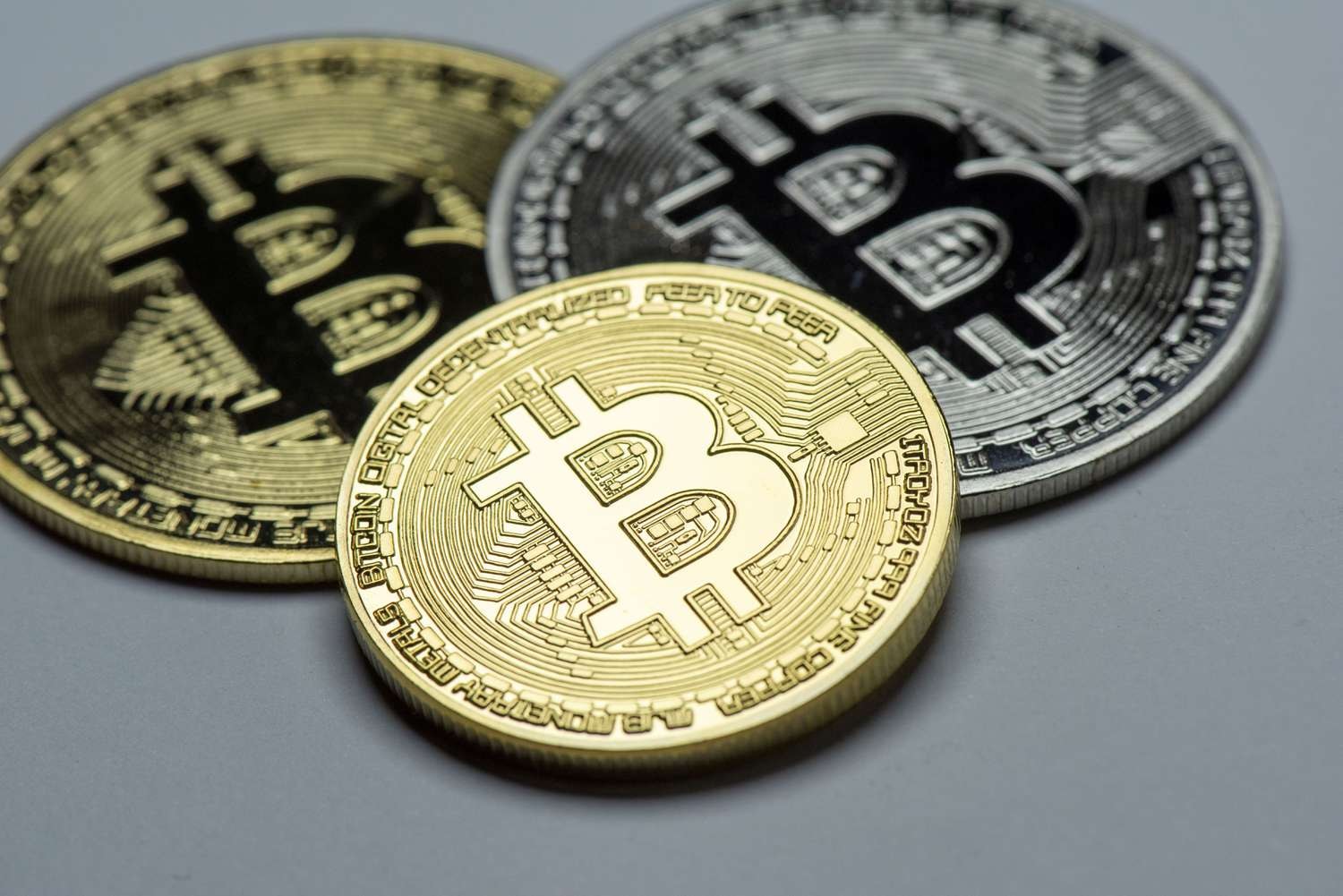
The Risk of Obsolescence and Competition
While Bitcoin has a first-mover advantage and a strong brand, it is not without its risks. The emergence of new, more efficient, or more environmentally friendly blockchain technologies could challenge Bitcoin’s dominance. Furthermore, the rise of central bank digital currencies (CBDCs) could also present a form of competition, though their decentralized nature and inherent characteristics would likely differ significantly from Bitcoin. The ability of the Bitcoin ecosystem to adapt and innovate will be crucial in navigating these potential challenges.
In conclusion, understanding “what is Bitcoin’s price” is a multifaceted endeavor. It requires an appreciation of its groundbreaking technology, the powerful narratives that shape its brand, and the complex financial forces that govern its market. As Bitcoin continues to mature and evolve, its price will undoubtedly remain a subject of intense interest and speculation, reflecting its ongoing journey as a transformative force in the digital age.
aViewFromTheCave is a participant in the Amazon Services LLC Associates Program, an affiliate advertising program designed to provide a means for sites to earn advertising fees by advertising and linking to Amazon.com. Amazon, the Amazon logo, AmazonSupply, and the AmazonSupply logo are trademarks of Amazon.com, Inc. or its affiliates. As an Amazon Associate we earn affiliate commissions from qualifying purchases.