
The human heart, a marvel of biological engineering, beats tirelessly, pumping life-sustaining blood throughout our bodies. But how do we truly understand its rhythm, its health, and the intricate electrical signals that orchestrate its every beat? For many, the answer lies in an electrocardiogram, commonly known as an EKG or ECG. While once a purely medical diagnostic tool, the understanding and application of EKG data are increasingly intersecting with the technological advancements and data-driven insights that permeate our modern world.
In an era where technology offers unprecedented access to information and tools for self-improvement, understanding fundamental health metrics like an EKG becomes not just a medical necessity but a component of proactive personal well-being. This article delves into the purpose of an EKG, exploring its core function, the conditions it helps diagnose, and how its interpretation and even the technology behind it are evolving in the digital age, touching upon aspects relevant to tech trends, personal branding, and even financial implications for healthcare.
The Fundamental Purpose of an EKG: Listening to Your Heart’s Electrical Language
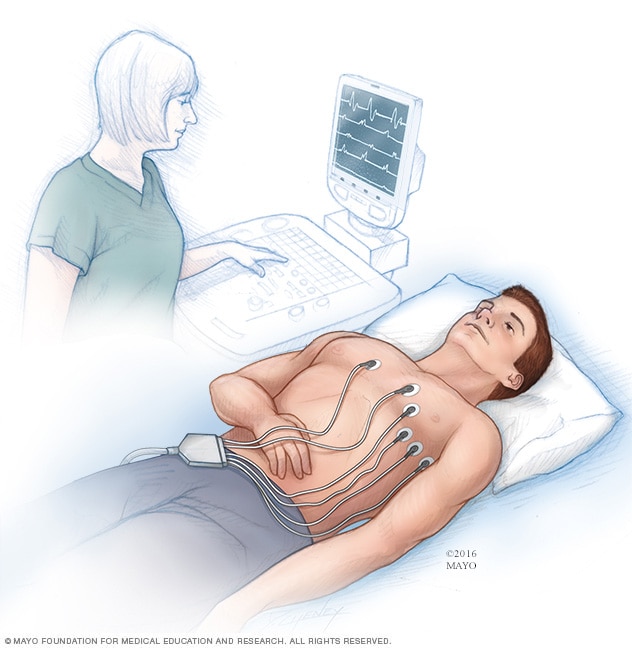
At its core, an EKG is a non-invasive medical test that records the electrical activity of the heart. Think of it as a sophisticated eavesdropping on the heart’s internal communication system. Every time your heart beats, it’s triggered by an electrical impulse. These impulses travel through specific pathways in the heart muscle, causing it to contract and pump blood.
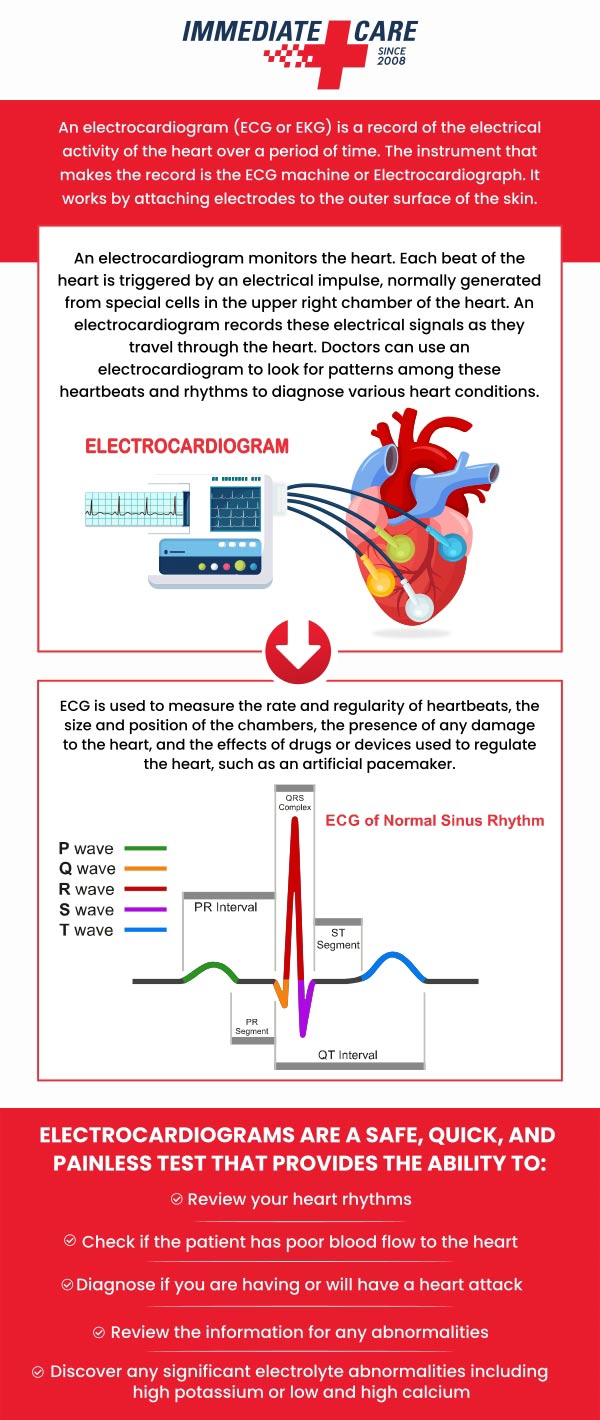
An EKG machine, or electrocardiograph, uses small sensors called electrodes, which are attached to the skin of your chest, arms, and legs. These electrodes detect the tiny electrical changes that occur as the heart muscle depolarizes and repolarizes during each heartbeat. The EKG machine then translates these electrical signals into a graph, displaying them as a series of waves, segments, and intervals.
Decoding the EKG Waveforms: A Visual Blueprint of Heart Health
The pattern of these waves provides a visual blueprint of your heart’s electrical activity. The primary components of an EKG tracing are:
- P Wave: This wave represents the electrical activation (depolarization) of the atria, the two upper chambers of the heart. It signifies the electrical impulse spreading from the sinoatrial (SA) node, the heart’s natural pacemaker.
- QRS Complex: This is the most prominent part of the EKG. It represents the rapid depolarization of the ventricles, the two lower chambers of the heart, which are responsible for pumping blood to the rest of the body. A normal QRS complex indicates efficient electrical conduction through the ventricles.
- T Wave: This wave represents the repolarization of the ventricles, meaning they are electrically recharging and preparing for the next beat.
The timing and shape of these waves, as well as the intervals between them (like the PR interval, QT interval), are crucial for diagnosis. Doctors analyze these patterns to assess the heart’s rate, rhythm, and the overall health of the heart muscle.
What Conditions Can an EKG Help Detect? Illuminating the Hidden Dangers
The versatility of the EKG makes it an indispensable tool for diagnosing a wide range of cardiac conditions, from common arrhythmias to more serious underlying diseases.
Arrhythmias: When the Heart’s Rhythm Goes Astray
One of the most common uses of an EKG is to detect and diagnose arrhythmias, which are abnormalities in the heart’s rhythm. These can manifest as a heart beating too fast (tachycardia), too slow (bradycardia), or irregularly.
- Atrial Fibrillation (AFib): A common type of irregular and often rapid heart rhythm. On an EKG, AFib is characterized by chaotic electrical activity in the atria, leading to an irregular and often fast ventricular response.
- Supraventricular Tachycardia (SVT): A group of rapid heart rhythms that originate above the ventricles. SVTs can appear as narrow QRS complexes and very fast heart rates on an EKG.
- Ventricular Tachycardia (VT) and Ventricular Fibrillation (VF): These are life-threatening arrhythmias originating in the ventricles. VTs are characterized by wide QRS complexes and rapid rates, while VF shows chaotic, disorganized electrical activity with no discernible waves. Immediate intervention is critical for VF.
- Heart Block: This occurs when the electrical impulses from the atria to the ventricles are delayed or blocked. Different degrees of heart block can be identified on an EKG by observing the PR interval and the relationship between the P waves and QRS complexes.
Ischemia and Infarction: The Silent Struggles of the Heart Muscle
EKGs are also vital in identifying signs of ischemia (reduced blood flow to the heart muscle) and infarction (heart muscle death, commonly known as a heart attack).
- Myocardial Ischemia: During an ischemic event, the affected area of the heart muscle doesn’t receive enough oxygen. This can cause characteristic changes in the ST segment (the flat line between the QRS complex and the T wave) and the T wave on an EKG, often appearing as ST depression or T wave inversion.
- Myocardial Infarction (Heart Attack): A classic heart attack often causes significant changes on an EKG, most notably the development of ST elevation. This “STEMI” (ST-Elevation Myocardial Infarction) is a medical emergency that requires immediate intervention to restore blood flow and minimize damage. Other types of heart attacks might show different EKG patterns, making a doctor’s interpretation crucial.

Other Cardiac Issues Revealed by an EKG
Beyond arrhythmias and ischemia, EKGs can provide clues about:
- Enlargement of Heart Chambers: Conditions like hypertrophy (thickening) of the heart muscle can alter the electrical signals, leading to changes in QRS complex amplitude on the EKG.
- Electrolyte Imbalances: Abnormal levels of electrolytes like potassium can affect the heart’s electrical activity, which can be reflected in the EKG tracing.
- Pericarditis: Inflammation of the sac surrounding the heart can cause widespread ST elevation and PR depression on an EKG.
- Pacemaker Function: For individuals with implanted pacemakers, EKGs are used to assess whether the device is functioning correctly and pacing the heart as intended.
The Evolving Landscape: Tech, Data, and the Future of EKG Interpretation
The fundamental principles of EKG interpretation remain constant, but the technology and data analysis surrounding this vital diagnostic tool are rapidly evolving, driven by advancements in tech, AI, and the increasing importance of personal health data.
Wearable Technology and Remote Monitoring: democratizing Heart Health Data
One of the most significant technological shifts is the integration of EKG capabilities into wearable devices like smartwatches and fitness trackers. While not a substitute for a medical-grade EKG in a clinical setting, these devices can:
- Provide Early Warning Signals: Many wearables can detect irregular heart rhythms like atrial fibrillation and alert the user to seek medical attention. This proactive approach can be life-saving, especially for individuals unaware of underlying heart conditions.
- Enable Continuous Monitoring: For patients with chronic heart conditions, wearable EKGs can provide continuous data, allowing healthcare providers to monitor their condition remotely and detect subtle changes that might otherwise go unnoticed. This aligns with the broader trend of “digital health” and the increasing reliance on apps and software for health management.
- Empower Personal Health Management: Access to one’s own heart rhythm data, even if in a simplified form, empowers individuals to take a more active role in their health. This is particularly relevant to personal branding – understanding and managing one’s health contributes to a stronger, more resilient personal narrative.
AI and Machine Learning: Enhancing Diagnostic Accuracy and Efficiency
The sheer volume of data generated by EKGs, coupled with the complexity of interpretation, makes it a prime candidate for artificial intelligence (AI) and machine learning (ML) applications.
- Automated Interpretation: AI algorithms are being developed to analyze EKG tracings with remarkable speed and accuracy, often identifying patterns that might be missed by the human eye, especially in large datasets. This can assist cardiologists, reduce diagnostic errors, and speed up the diagnostic process.
- Predictive Analytics: By analyzing vast amounts of EKG data alongside other patient information, AI can potentially predict the risk of future cardiac events, allowing for earlier intervention and preventative care. This shifts the paradigm from reactive treatment to proactive health management.
- Personalized Insights: As AI becomes more sophisticated, it can provide more personalized insights based on an individual’s EKG data, potentially tailoring treatment plans and lifestyle recommendations.
The “Brand” of Heart Health: Marketing and Patient Education
The growing awareness of heart health and the accessibility of EKG data also have implications for branding and patient education.
- Healthcare Providers’ Branding: Hospitals and cardiology clinics are increasingly emphasizing their technological capabilities, including advanced EKG technology and AI-powered diagnostics, as a key differentiator in their brand strategy. This attracts patients seeking cutting-edge care.
- Personal Health Brands: Individuals who prioritize their health and well-being often build a “personal brand” around their healthy lifestyle. Understanding and managing EKG data, even through wearable tech, becomes a part of this narrative, showcasing responsibility and proactivity.
- Public Health Campaigns: Effective marketing and design are crucial for public health campaigns aimed at educating the public about the importance of EKGs and regular heart health check-ups. Clear, accessible information presented through various digital channels can demystify the process and encourage preventative action.
Financial Implications: Investing in Heart Health and EKG Technology
The financial aspects of EKGs are also significant, touching upon personal and business finance.
- Cost-Effectiveness of EKG Technology: The development of more affordable and portable EKG devices, including those integrated into wearables, makes cardiac monitoring more accessible. This has implications for both individual healthcare spending and the broader healthcare market.
- Investment in Healthcare Innovation: Companies investing in the development of advanced EKG technology, AI diagnostic tools, and remote monitoring platforms are driving innovation in the healthcare sector. This represents a significant area of investment for venture capitalists and established medical technology firms.
- Insurance and Reimbursement: The evolving landscape of EKG technology, particularly remote monitoring, also influences insurance coverage and reimbursement policies, a critical aspect of financial planning for both individuals and healthcare providers.
In conclusion, an EKG is far more than just a diagnostic test; it’s a window into the intricate electrical workings of our heart. As technology continues to advance, making EKG capabilities more accessible and AI-driven interpretation more sophisticated, our understanding and management of heart health are being revolutionized. From the personal pursuit of well-being to the broader landscape of healthcare innovation, the EKG remains a cornerstone, empowering us to listen to and protect the vital rhythm of our lives.
aViewFromTheCave is a participant in the Amazon Services LLC Associates Program, an affiliate advertising program designed to provide a means for sites to earn advertising fees by advertising and linking to Amazon.com. Amazon, the Amazon logo, AmazonSupply, and the AmazonSupply logo are trademarks of Amazon.com, Inc. or its affiliates. As an Amazon Associate we earn affiliate commissions from qualifying purchases.