
In today’s hyper-connected world, where technology weaves its way into every facet of our lives, managing our personal health has become increasingly sophisticated. We track our steps, monitor our sleep, and even analyze our moods through a dizzying array of apps and wearable devices. But what about the fundamental metrics that underpin our well-being? One such critical metric is blood sugar, a seemingly simple number that holds profound implications for our health. As we delve deeper into the intersection of technology and personal health, understanding “what is an acceptable blood sugar level” moves beyond a purely medical query. It becomes a question of informed self-management, amplified by the digital tools at our disposal and influenced by the broader landscape of personal finance and even branding our healthier selves.

The concept of an “acceptable” blood sugar level isn’t a one-size-fits-all decree. It’s a dynamic range that varies based on several factors, including whether you’re fasting, have just eaten, or have been diagnosed with diabetes. For individuals without diabetes, blood sugar levels fluctuate throughout the day. However, consistently high or low readings can signal underlying issues. For those managing diabetes, understanding these ranges and how to maintain them within a target zone is paramount to preventing long-term complications.
Understanding the Numbers: Defining Your Target Range
The fundamental metric for blood sugar is glucose, a sugar that enters your bloodstream after you consume carbohydrates. This glucose is then transported to your cells to be used for energy. Insulin, a hormone produced by the pancreas, plays a crucial role in regulating blood sugar by helping glucose move from the bloodstream into cells. When this delicate balance is disrupted, blood sugar levels can become too high (hyperglycemia) or too low (hypoglycemia).
The most common ways to measure blood sugar are:
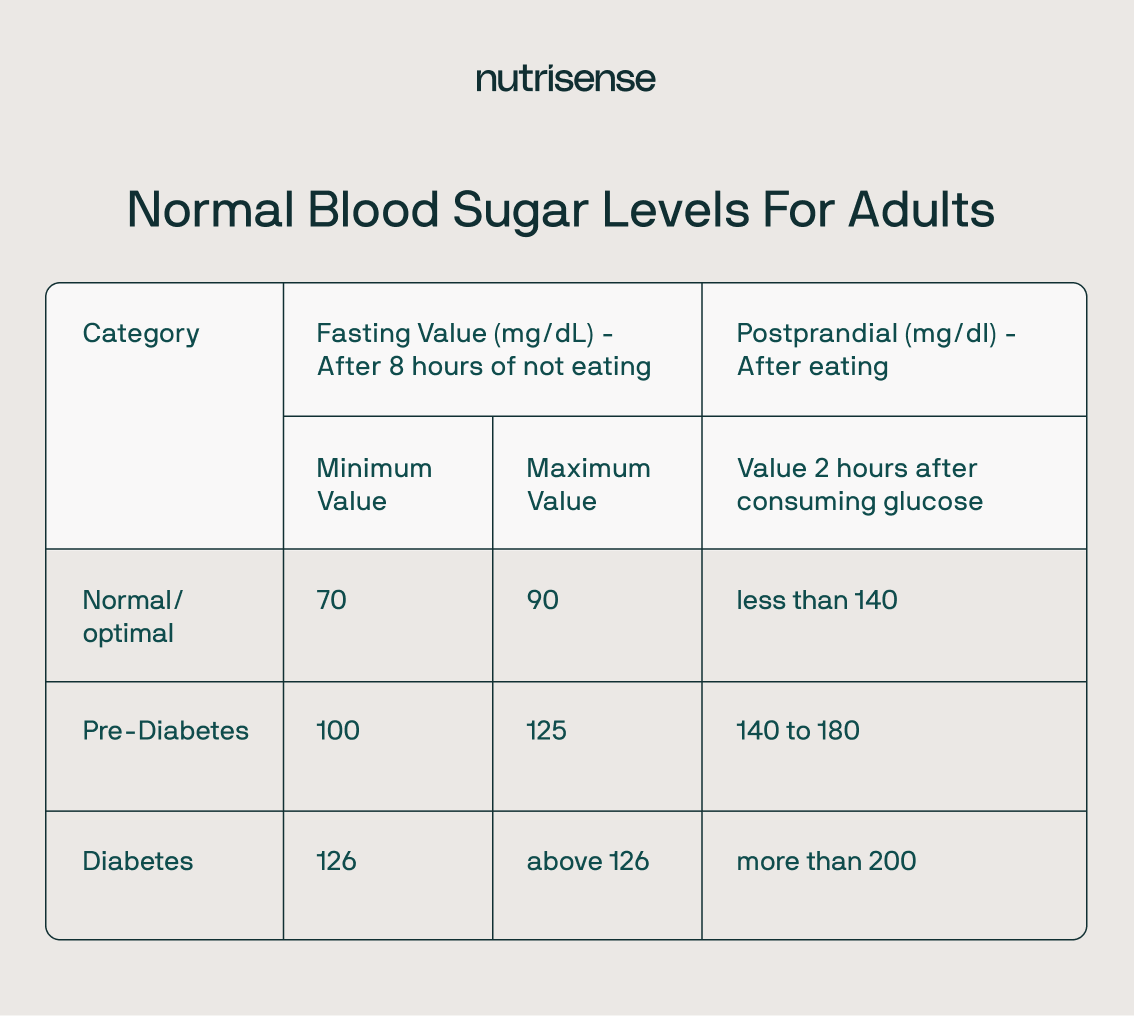
- Fasting Blood Glucose (FBG): This is measured after at least eight hours of not eating or drinking anything other than water. For most adults without diabetes, a normal fasting blood sugar level is typically between 70 to 99 milligrams per deciliter (mg/dL).
- Postprandial Blood Glucose: This is measured one to two hours after a meal. For most adults without diabetes, blood sugar levels should ideally be below 140 mg/dL two hours after eating.
- Hemoglobin A1c (HbA1c): This blood test provides an average of your blood sugar levels over the past two to three months. It’s a key diagnostic tool for diabetes and prediabetes. For individuals with diabetes, an HbA1c level below 7% is generally considered a good target, though this can be individualized by a healthcare provider. For those without diabetes, a normal HbA1c is typically below 5.7%.
For individuals with diabetes, the acceptable ranges are often slightly different and are highly personalized. These targets are usually set in consultation with a healthcare provider and may vary based on age, overall health, and the presence of other medical conditions. Common target ranges for people with diabetes are:
- Fasting blood sugar: 80 to 130 mg/dL
- 1-2 hours after a meal: Less than 180 mg/dL
It’s crucial to remember that these are general guidelines. Your physician will determine the optimal blood sugar targets for your specific situation. This is where technology, branding, and even financial considerations start to converge.
The Tech Toolkit: Digital Solutions for Blood Sugar Management
The digital revolution has transformed how we approach health monitoring, and blood sugar management is no exception. From sophisticated continuous glucose monitors (CGMs) to intuitive mobile apps, technology offers powerful tools to understand, track, and manage your blood sugar levels more effectively.
Continuous Glucose Monitoring (CGMs): The Real-Time Insight
Gone are the days of occasional finger pricks. Continuous Glucose Monitors (CGMs) are wearable devices that track glucose levels in the interstitial fluid (the fluid surrounding your cells) in real-time, typically every few minutes. These devices consist of a small sensor inserted under the skin, a transmitter, and a receiver or smartphone app that displays your glucose readings.

CGMs offer unparalleled insights into blood sugar fluctuations throughout the day and night. They can identify trends, alert you to highs and lows before they become critical, and provide valuable data for optimizing diet, exercise, and medication. Many CGM systems integrate with smartphone apps, allowing for easy data logging, trend analysis, and even sharing with healthcare providers or loved ones. This seamless integration transforms raw data into actionable intelligence, empowering individuals to make informed decisions about their health in real-time.
Smart Apps and Wearables: Your Personal Health Dashboard
Beyond CGMs, a plethora of smart apps and wearable devices are designed to complement blood sugar management. These tools can:
- Log Blood Glucose Readings: Many apps allow you to manually input your blood sugar readings from a traditional meter, creating a digital logbook that is far more accessible and analyzable than a paper diary.
- Track Food Intake and Macronutrients: Apps can help you log your meals and provide information on carbohydrate content, which is crucial for managing blood sugar. Some advanced apps can even estimate the impact of specific foods on your glucose levels.
- Monitor Physical Activity: Integrating with fitness trackers or offering built-in activity tracking, these apps help you understand how exercise affects your blood sugar.
- Provide Personalized Insights and Recommendations: Some sophisticated apps use AI to analyze your data and offer personalized tips on diet, exercise, and lifestyle adjustments to help you achieve your target blood sugar levels.
- Reminders and Alerts: These apps can send reminders for medication, blood sugar checks, or even alert you to potentially dangerous glucose levels based on your CGM data or manual logs.
The rise of these digital tools signifies a shift towards proactive health management. Instead of reacting to symptoms, individuals can now leverage technology to anticipate and prevent issues, fostering a greater sense of control over their well-being.
Branding Your Health: From Personal Well-being to Public Perception
The emphasis on personal health management, including blood sugar control, has also permeated the realm of personal branding. In an era where our online presence and our perceived well-being can influence opportunities, “branding your health” involves presenting yourself as a capable and responsible individual. This can extend from showcasing your commitment to a healthy lifestyle in your professional networks to using your health data to inform your personal brand narrative.
For individuals managing chronic conditions like diabetes, effectively communicating their health status and management strategies can be an integral part of their personal brand. This might involve openly discussing their journey with blood sugar management, highlighting their use of technology to stay healthy, or demonstrating their discipline and resilience. This transparency can foster support, build trust, and even inspire others.
Furthermore, the growing focus on health and wellness in society means that maintaining acceptable blood sugar levels is increasingly viewed as a hallmark of self-care and responsibility. This can indirectly influence how individuals are perceived in professional and social circles. A well-managed health condition, facilitated by smart technological interventions, can be seen as a testament to an individual’s ability to manage complex aspects of their life effectively.
The Financial Implications: Investing in Your Health and Future
Understanding and managing your blood sugar levels has significant financial implications, both in terms of direct healthcare costs and long-term economic well-being. The expense of blood glucose meters, test strips, CGMs, and medications can be substantial. However, investing in proactive management and utilizing technology can often lead to greater savings in the long run.
The Cost of Management vs. The Cost of Complications
- Preventative Measures: Regular monitoring, healthy eating, and exercise are investments that can help prevent or delay the onset of type 2 diabetes or its complications. The cost of these preventative measures pales in comparison to the lifelong expenses associated with managing diabetes and its related health issues.
- Technological Investments: While CGMs and advanced apps can have an upfront cost, they can reduce the need for frequent doctor visits, emergency room trips due to severe hypoglycemia or hyperglycemia, and the long-term treatment of diabetes complications such as cardiovascular disease, kidney disease, and nerve damage.
- Insurance and Affordability: The affordability of diabetes management tools and medications is a critical consideration. Navigating insurance policies, seeking out generic alternatives, and exploring patient assistance programs can be crucial for managing the financial burden. Many tech companies and healthcare providers are also developing more accessible and affordable solutions to broaden their reach.
- Productivity and Income: Uncontrolled high or low blood sugar can lead to fatigue, reduced concentration, and increased absenteeism from work, impacting earning potential. Effective blood sugar management, facilitated by technology and a sound understanding of acceptable levels, can help maintain consistent productivity and protect your income.
Personal finance strategies often intersect with health management. Budgeting for healthcare expenses, exploring health savings accounts (HSAs) or flexible spending accounts (FSAs), and prioritizing wellness as a long-term financial goal are all essential components of a holistic approach to financial and physical well-being. By viewing blood sugar management not just as a health imperative but also as a financial investment, individuals can make more informed decisions that benefit their present and future selves.
In conclusion, the question of “what is an acceptable blood sugar level” is more multifaceted than it appears. It’s a journey that involves understanding the science, embracing technological advancements, considering how we present our health to the world, and recognizing the significant financial implications. By integrating these elements, individuals can take a proactive and empowered approach to managing their blood sugar, leading to a healthier, more productive, and financially secure life in our increasingly digital age.
aViewFromTheCave is a participant in the Amazon Services LLC Associates Program, an affiliate advertising program designed to provide a means for sites to earn advertising fees by advertising and linking to Amazon.com. Amazon, the Amazon logo, AmazonSupply, and the AmazonSupply logo are trademarks of Amazon.com, Inc. or its affiliates. As an Amazon Associate we earn affiliate commissions from qualifying purchases.