
ADHD, or Attention-Deficit/Hyperactivity Disorder, is a complex neurodevelopmental disorder that impacts millions worldwide. While often discussed in medical or psychological contexts, understanding ADHD’s classification is crucial, especially as our lives become increasingly intertwined with technology, brand perception, and financial realities. This article delves into what ADHD is classified as, exploring its diagnostic criteria and shedding light on how these classifications can intersect with the modern landscape of tech, brand building, and personal finance.
Understanding the Diagnostic Classification of ADHD
At its core, ADHD is classified as a neurodevelopmental disorder. This means it is a condition that originates during the developmental period of a person’s life, affecting how the brain grows and develops. This classification distinguishes it from conditions that might develop later in life due to illness or injury. The primary diagnostic manual used globally for classifying mental health conditions, including ADHD, is the Diagnostic and Statistical Manual of Mental Disorders (DSM), currently in its fifth edition (DSM-5).

According to the DSM-5, ADHD is characterized by a persistent pattern of inattention and/or hyperactivity-impulsivity that interferes with functioning or development. It’s important to note that these symptoms must be present in two or more settings (e.g., home, school, work, with friends/relatives) and must have been present before age 12 for a diagnosis.
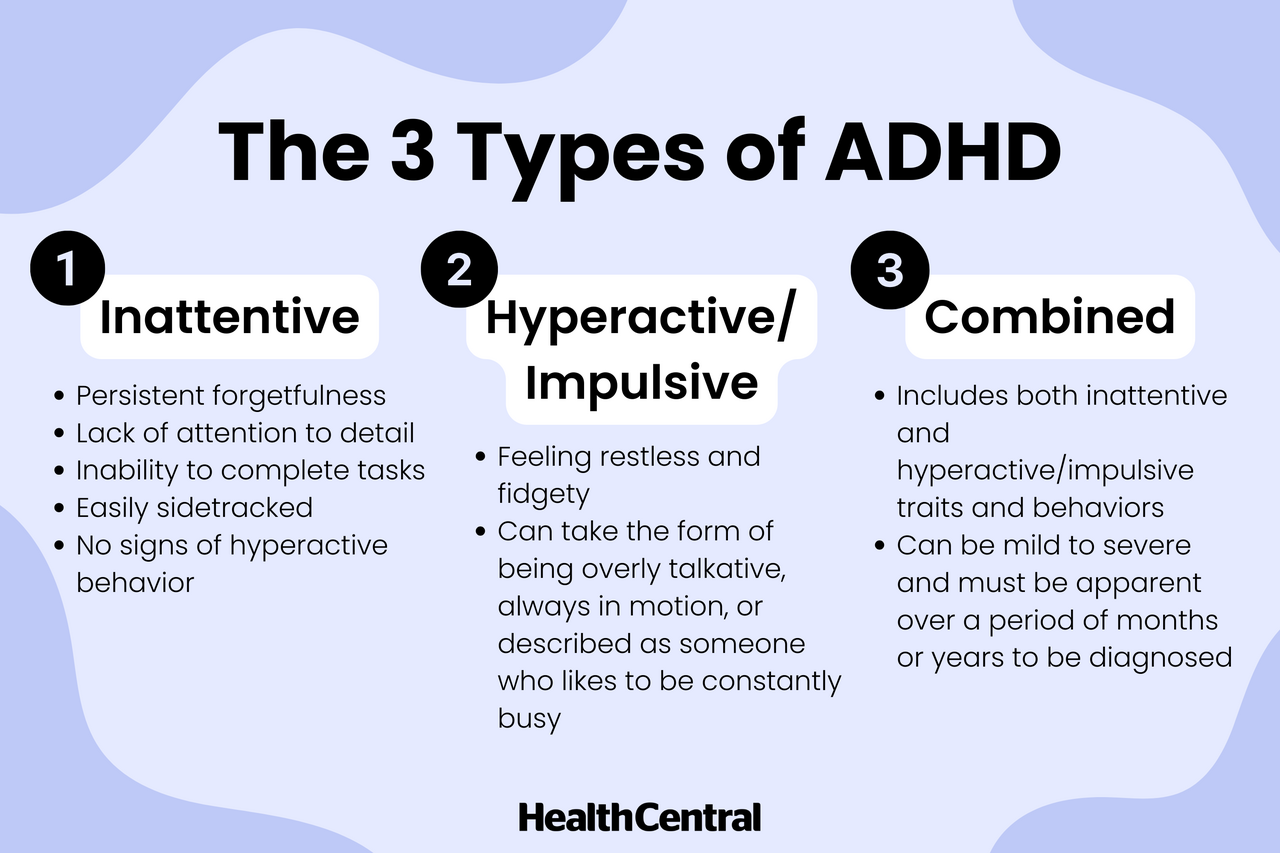
The DSM-5 outlines three presentations of ADHD, allowing for a more nuanced understanding of individual experiences:
1. Predominantly Inattentive Presentation
This presentation is characterized by a lack of focus, disorganization, and difficulty sustaining attention. Individuals with this presentation may struggle with:
- Difficulty paying close attention to details or making careless mistakes: This can manifest as errors in schoolwork, at work, or during other activities. In a tech-driven world, this might translate to overlooking critical security settings or making typos in important emails.
- Trouble holding attention on tasks or play activities: Long meetings, complex software tutorials, or even engaging video games can become challenging.
- Not seeming to listen when spoken to directly: This isn’t defiance, but rather a difficulty in processing auditory information when their attention is elsewhere.
- Failure to follow through on instructions and failure to finish tasks: This can lead to incomplete projects, missed deadlines, and a feeling of being overwhelmed.
- Difficulty organizing tasks and activities: Planning, prioritizing, and managing time effectively can be a significant hurdle.
- Avoidance of, or reluctance to engage in, tasks that require sustained mental effort: Homework, paperwork, or long reading assignments can feel like insurmountable challenges.
- Losing things necessary for tasks or activities: Keys, phones, wallets, important documents – the list can be extensive for those struggling with organization.
- Being easily distracted by extraneous stimuli: A notification ping, a passing thought, or a visual cue can derail their focus entirely.
- Being forgetful in daily activities: Forgetting appointments, chores, or where they placed their gadgets can be a daily reality.
2. Predominantly Hyperactive-Impulsive Presentation
This presentation is marked by excessive physical movement and a tendency to act without thinking. Individuals may exhibit:
- Fidgeting with or tapping hands or feet, or squirming in seats: Restlessness is a common hallmark.
- Leaving their seat in situations when remaining seated is expected: This can lead to disruptive behavior in classrooms or formal settings.
- Running about or climbing in situations where it is inappropriate: While more evident in children, this can manifest as restlessness or an urge to move in adults.
- Unable to play or engage in leisure activities quietly: Difficulty with low-stimulation activities.
- Being often “on the go,” acting as if “driven by a motor”: A constant internal drive to move or engage.
- Talking excessively: A rapid stream of thoughts and words.
- Blurting out answers before questions have been completed: Impulsivity in verbal responses.
- Difficulty waiting their turn: Impatience in social settings or queues.
- Interrupting or intruding on others: Difficulty with social cues and boundaries.
3. Combined Presentation
As the name suggests, this presentation includes symptoms of both inattention and hyperactivity-impulsivity. Individuals with the combined presentation will meet the criteria for both of the above presentations. This is the most common presentation of ADHD.
It is crucial to emphasize that a diagnosis of ADHD requires a comprehensive evaluation by a qualified healthcare professional, such as a psychiatrist, psychologist, or neurologist. This evaluation typically involves interviews with the individual and, if possible, with parents or caregivers, as well as standardized rating scales and the exclusion of other possible conditions.
The Nuance of ADHD Classification: Beyond a Simple Label
While the DSM-5 provides a clear framework, understanding ADHD’s classification also involves appreciating its inherent complexities. It’s not simply a matter of ticking boxes; ADHD is a spectrum disorder, meaning its severity and presentation can vary significantly from person to person. Furthermore, it’s a lifelong condition for most, though symptoms may change over time.
Developmental Trajectory and Comorbidities
The classification as a neurodevelopmental disorder highlights that ADHD affects brain development. This can lead to challenges in executive functions, which are a set of mental skills that include working memory, flexible thinking, and self-control. These are precisely the skills that are vital for success in areas like technology, brand management, and personal finance.
Moreover, ADHD frequently co-occurs with other mental health conditions, known as comorbidities. These can include:
- Learning Disabilities: Difficulties with reading, writing, or math.
- Anxiety Disorders: Excessive worry, nervousness, or fear.
- Depression: Persistent feelings of sadness and loss of interest.
- Oppositional Defiant Disorder (ODD): A pattern of disobedient, defiant, and hostile behavior toward authority figures.
- Conduct Disorder (CD): More serious antisocial behavior.
The presence of comorbidities can further complicate diagnosis and treatment, underscoring the need for thorough professional assessment.
The Evolving Understanding of ADHD
The classification of ADHD has evolved over time. Initially recognized as “minimal brain dysfunction,” the understanding has shifted to a more precise neurodevelopmental framework. Research continues to explore the genetic and environmental factors that contribute to ADHD, as well as the specific brain mechanisms involved. This ongoing research will undoubtedly refine our understanding and classification of ADHD in the future.
ADHD’s Impact and Implications in the Modern World
The classification of ADHD as a neurodevelopmental disorder has profound implications for how we navigate the demands of the 21st century, particularly in relation to technology, brand building, and financial management.
Navigating the Tech Landscape with ADHD
The modern world is saturated with technology, offering both immense opportunities and significant challenges for individuals with ADHD. The “Tech” pillar of our focus is particularly relevant here.
- Productivity Tools and Apps: While the inherent distractibility of ADHD can make it difficult to focus on tasks, technology also offers powerful solutions. Productivity apps designed for task management, time blocking, and note-taking can be invaluable. Tools that break down large projects into smaller, manageable steps, or provide visual cues and reminders, can significantly improve executive function. For instance, an individual with predominantly inattentive ADHD might benefit from apps that offer gamified learning experiences or use visual timers to promote sustained focus during online learning or remote work.
- Digital Security: The impulsive nature of some individuals with ADHD, coupled with potential distractibility, can make them more vulnerable to digital security threats. Clicking on suspicious links, neglecting to update software, or using weak passwords can increase their risk of cyberattacks. Therefore, understanding the importance of digital security and implementing robust, often automated, security measures is paramount. This includes using password managers and enabling multi-factor authentication.
- AI Tools: Emerging AI tools can also offer novel ways to support individuals with ADHD. AI-powered writing assistants can help with drafting emails and documents, overcoming the hurdle of initiating and sustaining written tasks. AI-driven scheduling tools might help with the complex organization and time management often found challenging.
- Gadgets and Devices: The appeal of new gadgets and the rapid pace of technological innovation can be both a blessing and a curse. For some with ADHD, the novelty and engagement offered by new technology can be a powerful motivator for learning and engagement. However, it can also lead to excessive spending or a constant chase for the next shiny object, impacting personal finance.
Building and Maintaining Brands in the Face of ADHD
The “Brand” pillar, encompassing brand strategy and personal branding, presents a unique set of challenges and opportunities for individuals with ADHD.
- Personal Branding: In a crowded digital space, a strong personal brand is crucial. For those with ADHD, their unique perspectives and often creative problem-solving abilities can be a significant asset. However, maintaining a consistent online presence, engaging in strategic marketing, and managing their reputation can be difficult due to challenges with organization, follow-through, and sustained focus. The impulsive nature might lead to posting without sufficient thought, or the inattentive presentation might result in inconsistent communication.
- Corporate Identity and Marketing: For businesses, understanding the diverse cognitive profiles of their audience, including those with ADHD, is becoming increasingly important. Marketing strategies that are clear, concise, and visually engaging can resonate more effectively. Conversely, overly complex or text-heavy content might be overlooked. The rapid evolution of digital marketing and the need for constant adaptation can also be a challenge for organizations employing individuals with ADHD, requiring supportive structures and strategies.
- Case Studies and Reputation Management: Individuals with ADHD can excel in creative fields and in developing innovative solutions, which can form the basis of compelling case studies. However, the meticulous attention to detail required for data collection and analysis in these studies, and the consistent effort needed for reputation management, might require external support or specialized tools.
Managing Finances and Building Wealth with ADHD
The “Money” pillar, covering personal finance, investing, and online income, is another area where ADHD classification has significant practical implications.
- Personal Finance Management: The impulsive spending tendencies associated with the hyperactive-impulsive presentation, or the disorganization in tracking expenses in the inattentive presentation, can make managing personal finances a significant challenge. Budgeting, saving, and avoiding debt can be difficult without structured systems. This is where financial tools, such as budgeting apps that automate tracking and provide visual overviews, can be extremely beneficial.
- Investing and Online Income: The desire for immediate gratification, sometimes associated with impulsivity, can lead to risky investment decisions or a tendency to jump between “get rich quick” schemes. Conversely, the inattentive presentation might lead to missing out on investment opportunities due to a lack of sustained research or follow-through. Developing a consistent investment strategy, engaging in thorough research, and resisting impulsive trading are key. Online income streams that require sustained effort and self-discipline might be harder to establish, but those that leverage creativity or allow for flexible, task-based work could be more suitable.
- Business Finance: For entrepreneurs with ADHD, managing business finances requires particular attention. Cash flow management, invoicing, and financial planning can be areas of struggle. Seeking advice from financial professionals and utilizing accounting software designed for small businesses can provide essential structure and support.

Conclusion: Embracing Neurodiversity in a Complex World
ADHD is classified as a neurodevelopmental disorder, a classification that underscores its origins in brain development and its pervasive impact on an individual’s life. While the diagnostic criteria, outlined in the DSM-5, provide a framework for understanding its manifestations, it is crucial to recognize the spectrum nature of ADHD and its potential comorbidities.
In our increasingly digitized world, understanding ADHD’s classification is not just an academic exercise; it is a practical necessity. The intersection of ADHD with technology, brand building, and personal finance highlights both the challenges and the unique strengths that individuals with ADHD bring to these domains. By leveraging appropriate tech tools, adopting mindful branding strategies, and implementing robust financial management systems, individuals with ADHD can not only mitigate potential obstacles but also harness their distinctive cognitive styles to thrive. Embracing the concept of neurodiversity, and understanding how conditions like ADHD are classified and experienced, is key to fostering an inclusive and supportive environment where everyone can reach their full potential.
aViewFromTheCave is a participant in the Amazon Services LLC Associates Program, an affiliate advertising program designed to provide a means for sites to earn advertising fees by advertising and linking to Amazon.com. Amazon, the Amazon logo, AmazonSupply, and the AmazonSupply logo are trademarks of Amazon.com, Inc. or its affiliates. As an Amazon Associate we earn affiliate commissions from qualifying purchases.