
In an age where technology permeates every facet of our lives, from optimizing our workflows with AI tools to managing our finances with sophisticated apps, understanding our personal health data has become more crucial than ever. Among the myriad of health metrics available, one stands out for its profound implications on long-term well-being: the A1c blood test. While its name might sound technical, its impact is deeply personal, influencing everything from our energy levels to our risk of developing chronic diseases. This article, bridging the intersection of health, technology, and even a touch of personal finance (as healthcare costs are a significant consideration), will delve into what an A1c blood test is, why it’s important, and how you can leverage this knowledge in our increasingly data-driven world.
Understanding the Basics: More Than Just a Snapshot
The A1c blood test, also known as the glycohemoglobin test or HbA1c test, offers a unique perspective on your average blood glucose (sugar) levels over a period of approximately 2 to 3 months. Unlike a standard blood glucose test that provides a snapshot of your sugar levels at a single point in time, the A1c test offers a more comprehensive and historically informed view.
How it Works: The Glycation Process Explained
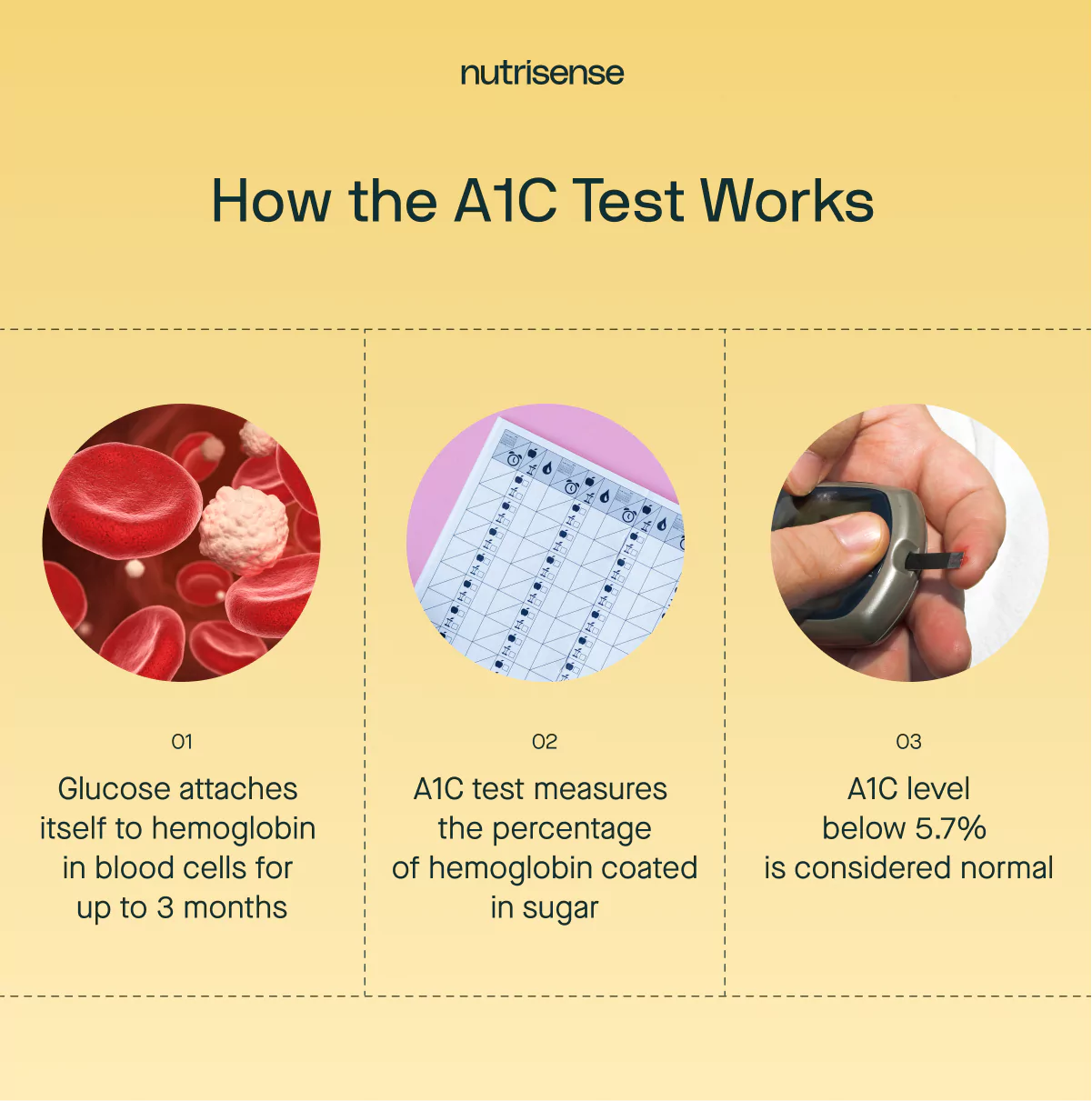
To understand how the A1c test works, we need to look at a fundamental biological process called glycation. When glucose circulates in your bloodstream, it can naturally attach to hemoglobin, a protein found in your red blood cells responsible for carrying oxygen. This process, glycation, is irreversible for the lifespan of the red blood cell, which is typically around 120 days.
The higher your blood glucose levels are, the more glucose will attach to your hemoglobin. The A1c test measures the percentage of hemoglobin that has been glycated. This percentage directly correlates with your average blood sugar levels over the past few months. Think of it like this: the more sugar in your bloodstream, the more “sticky” it becomes to the hemoglobin in your red blood cells.
What the Numbers Mean: Interpreting Your A1c Results
The results of an A1c test are expressed as a percentage. Here’s a general guideline for interpreting these percentages, though it’s crucial to remember that your doctor will provide the definitive interpretation based on your individual health profile:
- Below 5.7%: Considered normal. This indicates your average blood glucose levels have been within a healthy range.
- 5.7% to 6.4%: Considered prediabetes. This range suggests that your blood glucose levels are higher than normal, increasing your risk of developing type 2 diabetes. This is a critical window for making lifestyle changes.
- 6.5% or higher: Considered diabetes. This indicates that you have diabetes. If you have a confirmed diagnosis of diabetes, an A1c of 6.5% or higher on two separate tests is typically used for diagnosis.
For individuals diagnosed with diabetes, the target A1c level is generally below 7%. However, this target can vary based on individual factors such as age, other health conditions, and the risk of hypoglycemia (low blood sugar).
Why is the A1c Test So Important? Unveiling the Long-Term Impact
The A1c test isn’t just about diagnosing diabetes; it’s a powerful tool for understanding and managing your risk of developing diabetes and its associated complications. Its importance stems from its ability to reflect your body’s long-term relationship with glucose.
Preventing and Managing Diabetes: A Proactive Approach
The prediabetes range (5.7% to 6.4%) is a vital warning sign. By identifying this elevated risk early, individuals can implement proactive strategies to prevent or delay the onset of type 2 diabetes. These strategies often involve lifestyle modifications such as:
- Dietary changes: Focusing on whole foods, reducing intake of sugary drinks and processed foods, and managing carbohydrate portions.
- Regular physical activity: Aiming for at least 150 minutes of moderate-intensity aerobic exercise per week.
- Weight management: Losing even a small amount of weight can have a significant impact on blood sugar control.
For individuals already diagnosed with diabetes, the A1c test is indispensable for monitoring the effectiveness of their treatment plan. Consistent A1c results within the target range indicate that the current management strategies are working, while rising numbers may signal a need to adjust medication, diet, or exercise routines. This data-driven approach to health management mirrors the way we leverage technology to track our progress in other areas of life.

The Silent Threat: Understanding the Complications of High Blood Sugar
Persistently high blood glucose levels, even if they haven’t reached the diagnostic threshold for diabetes, can lead to serious long-term health complications. This is where the A1c’s value as a long-term indicator truly shines. Over time, elevated glucose can damage blood vessels and nerves throughout the body, increasing the risk of:
- Heart disease and stroke: High blood sugar contributes to atherosclerosis, the hardening and narrowing of arteries.
- Kidney disease: Damage to the small blood vessels in the kidneys can impair their function.
- Eye problems: Diabetic retinopathy, a leading cause of blindness in adults, affects the blood vessels in the retina.
- Nerve damage (neuropathy): This can manifest as pain, tingling, or numbness, particularly in the hands and feet, and can also affect digestion and other bodily functions.
- Foot problems: Nerve damage and poor circulation can lead to slow-healing sores and infections, potentially requiring amputation.
By keeping your A1c levels in check, you are actively safeguarding your future health and reducing your susceptibility to these debilitating conditions. This proactive approach aligns with the modern emphasis on preventative care and leveraging data to avoid future problems, much like using security software to protect your digital assets.
Integrating A1c Knowledge into Your Digital Life: Tech, Brand, and Money Implications
In today’s interconnected world, understanding your health data, like your A1c levels, can have far-reaching implications that extend beyond the doctor’s office, touching upon technology, personal branding, and even your financial well-being.
Leveraging Technology for Health Management: Smart Tools for Smarter Living
The tech landscape offers an unprecedented array of tools and resources to help you track, understand, and manage your A1c and overall health.
- Wearable Devices and Health Trackers: While most wearables don’t directly measure A1c, they can track metrics like activity levels, heart rate, and sleep patterns, all of which influence blood sugar. Many now offer features to log meals and water intake, providing valuable context for your A1c results. Apps often integrate with these devices, offering personalized insights and goal-setting features.
- Glucose Monitoring Apps: For individuals managing diabetes or prediabetes, dedicated glucose monitoring apps can help you log blood sugar readings, track trends, and even share data with your healthcare provider. Some apps can also connect with continuous glucose monitors (CGMs), providing real-time data that can be correlated with A1c trends.
- AI-Powered Health Platforms: Emerging AI tools are beginning to analyze vast datasets of health information, offering personalized recommendations for diet, exercise, and lifestyle modifications based on your individual health profile, including A1c results. These platforms can help you make informed decisions and optimize your health journey.
- Telehealth and Remote Monitoring: The rise of telehealth allows for more convenient consultations with healthcare professionals. For individuals with chronic conditions like diabetes, remote monitoring systems can transmit health data, including A1c trends (often discussed during virtual appointments), allowing for timely interventions without the need for frequent in-person visits.
Personal Branding and Reputation: Health as a Component of Your Personal Narrative
While “personal branding” might typically be associated with professional life, your health is an integral part of your personal narrative and, by extension, your brand.
- Energy and Productivity: Consistently high blood sugar can lead to fatigue, brain fog, and decreased cognitive function, all of which can negatively impact your ability to perform at your best, whether at work or in personal pursuits. Understanding and managing your A1c can lead to improved energy levels, sharper focus, and enhanced productivity, contributing to a positive personal and professional image.
- Longevity and Vitality: Demonstrating a commitment to your health, including proactive management of conditions like diabetes, can contribute to an image of vitality and well-being. This can be subtly communicated through your energy, enthusiasm, and overall zest for life.
- Informed Advocacy: By understanding your A1c and its implications, you become a more informed advocate for your own health. This knowledge empowers you to engage in meaningful conversations with your doctor and make educated decisions about your treatment, reflecting a responsible and proactive approach to your well-being.
The Financial Investment in Health: Money Matters and Long-Term Savings
Healthcare is a significant financial consideration for everyone. Understanding your A1c results and taking proactive steps can have substantial financial implications, both immediate and long-term.
- Reducing Healthcare Costs: Uncontrolled diabetes and its complications are major drivers of healthcare expenditures. By preventing or effectively managing diabetes through lifestyle changes and timely medical interventions informed by A1c testing, you can significantly reduce the need for expensive treatments, hospitalizations, and medications associated with advanced complications.
- Insurance Premiums and Coverage: For individuals with prediabetes or diabetes, maintaining healthy A1c levels can sometimes positively influence insurance premiums or eligibility for certain wellness programs offered by insurers. Demonstrating good health management can be a factor in long-term financial planning related to health coverage.
- Productivity and Earning Potential: As mentioned earlier, improved health leads to better energy and cognitive function, which directly impacts your productivity and earning potential. Investing in your health through proper A1c management is, in essence, an investment in your financial future.
- Financial Planning for Chronic Conditions: For those diagnosed with diabetes, understanding the long-term financial implications of managing the condition is crucial. This includes budgeting for medications, regular check-ups, potential medical devices, and managing the risk of unforeseen health events. Leveraging your A1c data allows for more accurate forecasting and better financial preparedness.

Conclusion: Empowering Your Health Journey with Data
The A1c blood test is more than just a medical diagnostic tool; it’s a vital piece of information that can empower you to take control of your health and, by extension, influence other aspects of your life. In our increasingly data-driven world, understanding metrics like your A1c allows for a more informed, proactive, and personalized approach to well-being. By embracing the insights provided by this test, leveraging the power of technology, and integrating this knowledge into your broader understanding of your personal brand and financial health, you are making a profound investment in a healthier, more vibrant future. Regular check-ins with your healthcare provider remain paramount, but armed with the knowledge of what your A1c means, you are better equipped to navigate your health journey with confidence and intention.
aViewFromTheCave is a participant in the Amazon Services LLC Associates Program, an affiliate advertising program designed to provide a means for sites to earn advertising fees by advertising and linking to Amazon.com. Amazon, the Amazon logo, AmazonSupply, and the AmazonSupply logo are trademarks of Amazon.com, Inc. or its affiliates. As an Amazon Associate we earn affiliate commissions from qualifying purchases.