
In the dynamic world of finance, understanding the various avenues for accessing capital is crucial for both individuals and businesses. While traditional loans from banks and credit unions are commonplace, the landscape is dotted with alternative financing options, each with its own set of characteristics, benefits, and drawbacks. One such option that often surfaces in discussions about quick access to funds is the “hard cash loan.” However, this term itself can be a bit ambiguous and, in many contexts, might be a misnomer or a colloquial way of referring to specific types of loans.

This article delves into what a “hard cash loan” might encompass, exploring its potential meanings, its place within the broader financial ecosystem, and the crucial considerations involved, particularly through the lenses of technology, branding, and money management.
Unpacking the “Hard Cash” Concept: Beyond the Literal Meaning
The term “hard cash loan” isn’t a standardized financial product with a universally agreed-upon definition. Instead, it’s more likely to be used in everyday language to describe loans that offer:
- Speedy Disbursement: The emphasis is on receiving funds quickly, often within a very short timeframe, sometimes even the same day. This is in contrast to traditional loans that can take weeks or months to process.
- Minimal Bureaucracy: The application and approval process is typically streamlined, requiring less extensive documentation and fewer hoops to jump through than conventional lending.
- Asset-Backed Security: Very often, loans referred to as “hard cash loans” are secured by tangible assets. This is where the “hard” in “hard cash” might come from – referencing the physical nature of the collateral.
- Higher Interest Rates and Shorter Terms: Due to the speed and perceived higher risk, these loans often come with significantly higher interest rates and shorter repayment periods compared to traditional loans.
It’s important to note that the term “hard cash loan” can sometimes be used interchangeably with other, more formally defined loan types. Understanding these distinctions is vital for making informed financial decisions.
Bridging the Gap: Hard Money Loans and Their Nuances
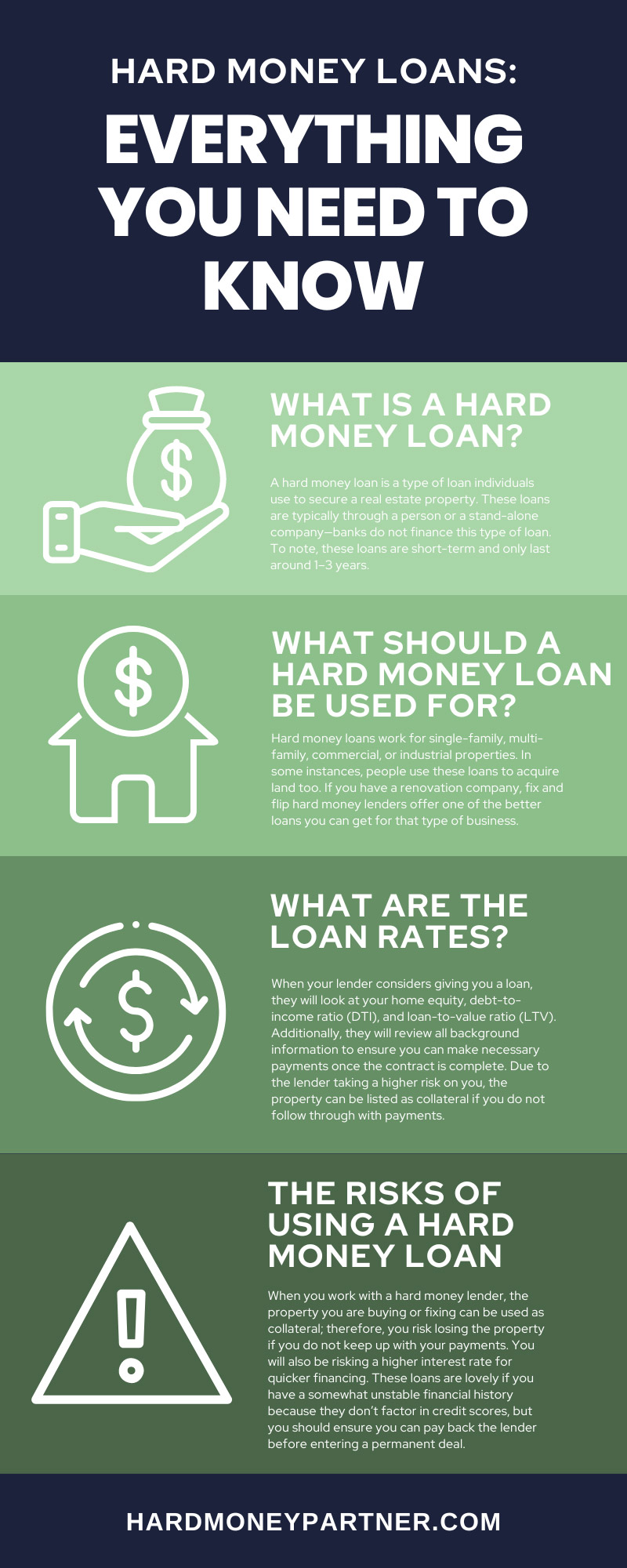
The closest formal financial term that aligns with the concept of a “hard cash loan” is a hard money loan. These are short-term, asset-based loans typically offered by private investors or companies, rather than traditional financial institutions.
Key Characteristics of Hard Money Loans:
- Collateral-Centric: The primary determinant of loan approval is the value of the underlying asset, not necessarily the borrower’s creditworthiness. This makes them accessible to individuals or businesses with less-than-perfect credit.
- Asset Types: Common collateral includes real estate (both residential and commercial), but can also extend to other valuable assets. This is where the “hard” aspect of the loan truly manifests – the value is derived from a “hard” asset.
- Short-Term Nature: Hard money loans are designed for short-term needs, typically ranging from six months to a few years. They are often used for real estate investment opportunities, bridging financing, or to provide immediate capital for projects where a traditional loan is too slow.
- Higher Interest Rates and Fees: As mentioned, the speed, flexibility, and collateral focus often translate to higher interest rates (often expressed as points) and origination fees. These can range from 8% to 15% or even higher, with additional fees for appraisal, closing, and servicing.
- Faster Processing: The streamlined process is a significant draw, allowing borrowers to access funds much quicker than with conventional lenders.
When Might a Hard Money Loan Be Considered a “Hard Cash Loan”?
The colloquial use of “hard cash loan” often points towards the speed and tangible collateral aspect of hard money loans. For instance, an investor looking to quickly acquire a distressed property for renovation might seek a hard money loan. They need “hard cash” – readily available funds – to seize the opportunity, and the property itself serves as the “hard” security.
Other Potential Interpretations of “Hard Cash Loan”
While hard money loans are the most likely candidate, the term “hard cash loan” could also, in some less formal contexts, refer to:
- Bridge Loans: These are short-term loans used to “bridge” a gap in financing, often until longer-term financing is secured or an asset is sold. They share the speed and short-term nature with hard money loans.
- Secured Personal Loans: While less common to be referred to as “hard cash,” a personal loan secured by a valuable asset (like a car or savings account) might feel like accessing “hard cash” because the risk to the lender is reduced. However, these typically have lower interest rates than hard money loans.
- Short-Term Business Loans (Asset-Secured): Similar to personal loans, businesses might take out short-term loans secured by their physical assets. If the disbursement is rapid, it might be colloquially labeled a “hard cash loan.”
It’s crucial to clarify the specific terms and conditions with any lender when discussing loans that might fit this description to avoid misunderstandings.
Navigating the Financial Landscape: The Tech, Brand, and Money Intersection
The concept of accessing funds, whether through a “hard cash loan” or a more conventional route, is intrinsically linked to technology, brand perception, and sound financial management.
Leveraging Technology for Financial Access and Management
Technology plays an increasingly vital role in how individuals and businesses access and manage their finances.
Digital Transformation in Lending
The rise of FinTech has revolutionized the lending landscape. Online lending platforms, often referred to as peer-to-peer (P2P) lending or alternative lending platforms, have emerged as significant players. These platforms leverage sophisticated algorithms and data analytics to assess risk and streamline the loan application and approval process.

- Faster Application Processes: Online applications significantly reduce the time and paperwork involved compared to traditional brick-and-mortar institutions.
- AI and Machine Learning in Risk Assessment: AI tools are now employed to analyze vast datasets, identifying patterns and predicting creditworthiness with greater accuracy, potentially leading to faster approvals.
- Digital Wallets and Payment Systems: Once approved, funds can often be disbursed directly into digital wallets or bank accounts, further enhancing the “cash” aspect of the loan.
- Financial Management Apps: Once funds are received, technology empowers borrowers to manage their repayments effectively through budgeting apps, expense trackers, and automated payment reminders. This is especially important for loans with shorter, more demanding repayment schedules.
The Role of Technology in Collateral Valuation
For asset-backed “hard cash loans” like hard money loans, technology also aids in collateral valuation.
- Automated Valuation Models (AVMs): For real estate, AVMs use algorithms and vast databases of property data to provide rapid estimates of property value, accelerating the appraisal process.
- Digital Documentation: The digitization of property deeds, titles, and other ownership documents speeds up the verification of collateral ownership.
Building and Protecting Your Brand Through Financial Decisions
Your financial choices, including how you secure funding, can significantly impact your personal or corporate brand.
Transparency and Reputation
When seeking any type of loan, especially those with potentially higher costs like “hard cash loans” or hard money loans, transparency is paramount.
- Clear Communication: Understanding all fees, interest rates, repayment schedules, and potential penalties is essential. Misunderstandings can lead to negative financial outcomes and damage your reputation.
- Reputable Lenders: Thoroughly vetting lenders is crucial. Online reviews, industry standing, and regulatory compliance should be considered. Associating with disreputable lenders can harm your brand.
- The “Cash Now” Trap: While the allure of quick cash is strong, a damaged reputation due to default or predatory lending can have long-term repercussions for businesses and individuals alike.
Personal Branding and Creditworthiness
For individuals, their credit score is a significant component of their financial brand. While hard money loans might de-emphasize credit scores, relying on them too frequently can indicate financial instability, potentially impacting future borrowing opportunities at more favorable terms.
- Strategic Use: Using a hard money loan strategically for a high-return investment where the risk is well-understood and manageable can be a powerful tool. However, using it for general consumption or without a clear repayment plan can be detrimental to your financial brand.
- Building a Strong Financial Identity: Consistently managing finances responsibly, making timely payments, and building a strong credit history creates a positive financial brand that opens doors to better opportunities and more favorable loan terms in the future.
Sound Money Management: The Cornerstone of Loan Success
Regardless of the type of loan, robust money management skills are the bedrock of successful borrowing.
Understanding Loan Costs and Repayment Structures
This is particularly critical for “hard cash loans” or hard money loans due to their typically higher costs.
- Annual Percentage Rate (APR): Beyond the stated interest rate, understand the APR, which includes all fees associated with the loan, providing a more accurate picture of the total cost.
- Loan-to-Value (LTV) Ratio: For asset-backed loans, understand the LTV. A higher LTV means you are borrowing a larger percentage of the asset’s value, which can increase risk.
- Cash Flow Analysis: For businesses, a detailed cash flow analysis is essential to ensure that projected revenue can comfortably cover loan repayments. For individuals, understanding their income and expenses is equally vital.
The Importance of a Solid Financial Plan
Before considering any loan, especially one that might be labeled a “hard cash loan,” having a comprehensive financial plan is non-negotiable.
- Goal Setting: What is the purpose of the loan? Is it an investment, a business expansion, or a personal need? Clear goals help in assessing the necessity and viability of the loan.
- Risk Assessment: Understand the potential downsides. What happens if the investment doesn’t yield expected returns? What are the consequences of defaulting on the loan?
- Contingency Planning: Having an emergency fund or a contingency plan in place can mitigate the impact of unforeseen events that might affect your ability to repay.
Conclusion: Prudence and Purpose in Seeking “Hard Cash”
While the term “hard cash loan” might not be a formal financial product, it often points to loans that offer speed and are secured by tangible assets, with hard money loans being the most prominent example. These types of financing can be powerful tools when used judiciously and strategically.
The decision to pursue such a loan should never be taken lightly. It requires a deep understanding of the associated costs, risks, and repayment obligations. By leveraging technology for efficiency, building a strong financial brand, and adhering to sound money management principles, individuals and businesses can navigate the complexities of the financial landscape and make informed decisions that support their growth and stability. Always prioritize clarity, due diligence, and a well-defined repayment strategy when exploring any form of financing, especially those that promise immediate access to funds.
aViewFromTheCave is a participant in the Amazon Services LLC Associates Program, an affiliate advertising program designed to provide a means for sites to earn advertising fees by advertising and linking to Amazon.com. Amazon, the Amazon logo, AmazonSupply, and the AmazonSupply logo are trademarks of Amazon.com, Inc. or its affiliates. As an Amazon Associate we earn affiliate commissions from qualifying purchases.