
When we hear the term “circulatory system,” our minds immediately jump to biology class, diagrams of hearts and veins, and the fascinating biological mechanisms that keep us alive. And indeed, the biological circulatory system is a marvel of nature, a sophisticated network responsible for transporting vital substances throughout our bodies. However, the concept of a “circulatory system” extends far beyond the confines of human anatomy. In the rapidly evolving landscape of technology, branding, and finance, analogous “circulatory systems” play equally crucial roles in ensuring efficiency, growth, and sustainability.

This article will explore the multifaceted nature of circulatory systems, beginning with a fundamental understanding of its biological namesake and then drawing compelling parallels to how similar principles are applied and understood within the realms of Tech, Brand, and Money. We’ll delve into how information, influence, and capital flow within these interconnected ecosystems, mirroring the essential functions of our own internal bodily systems.
The Biological Foundation: The Body’s Master Network
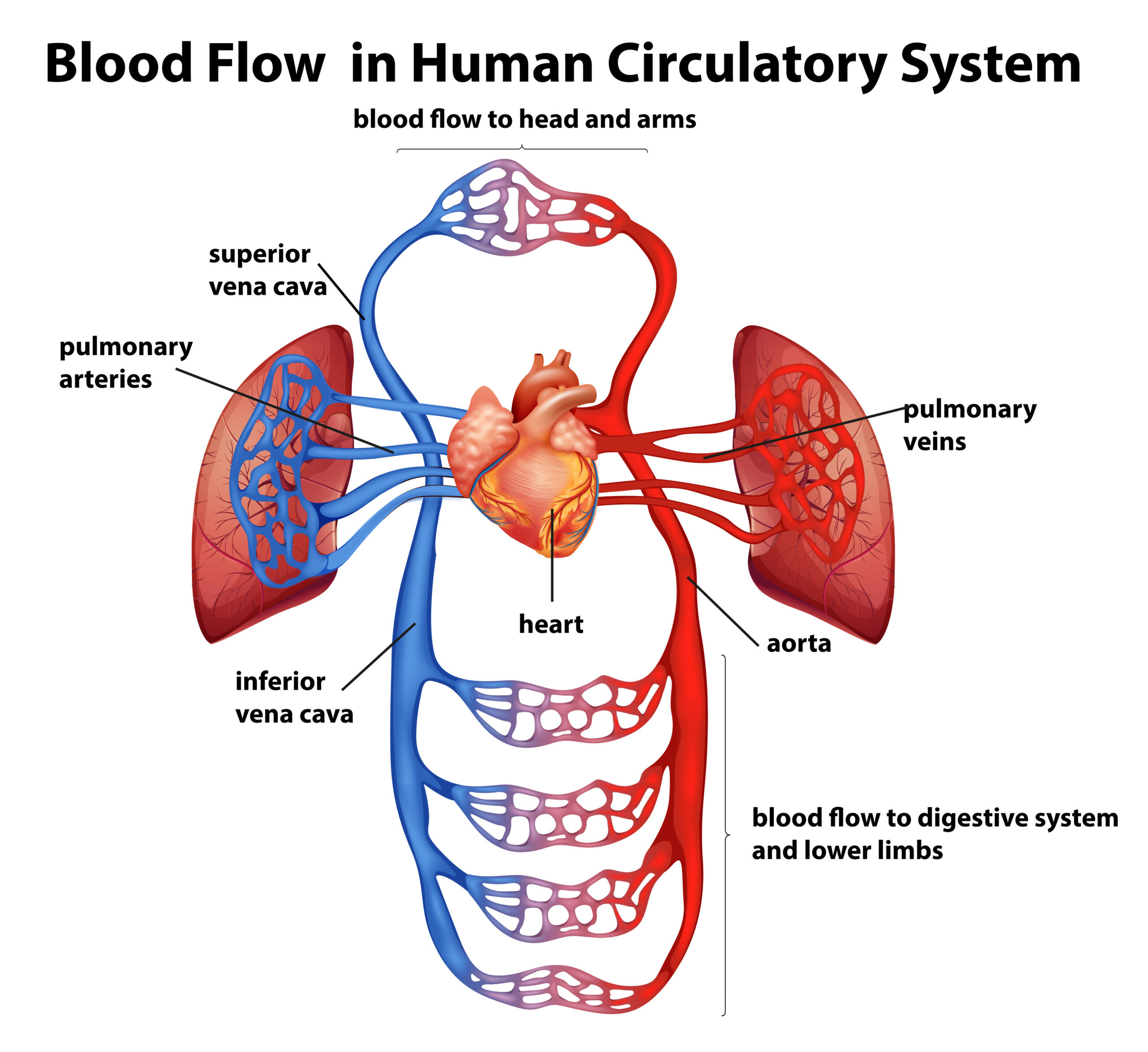
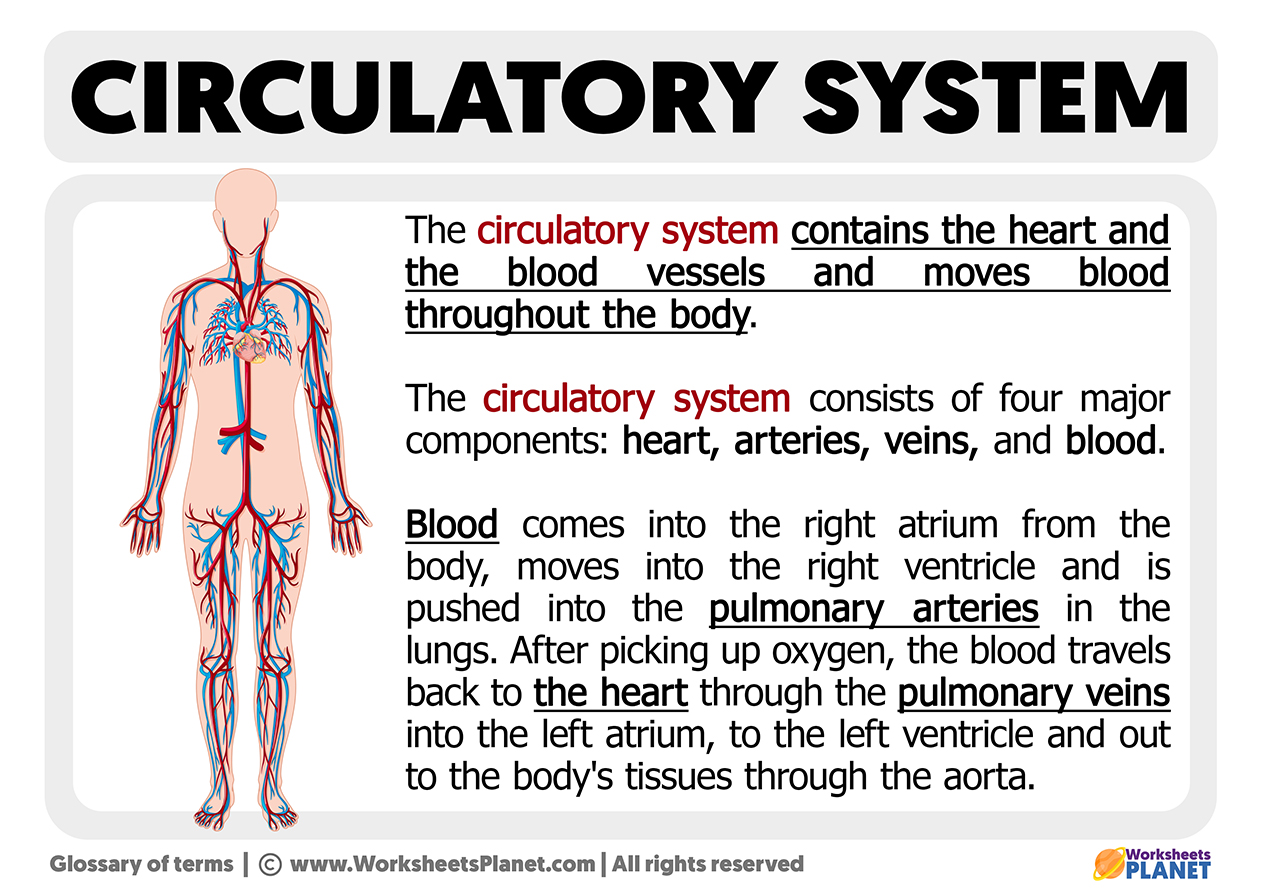
At its core, the biological circulatory system is a biological transport network. Its primary function is to deliver oxygen, nutrients, hormones, and immune cells to all parts of the body while simultaneously removing waste products like carbon dioxide. This constant, intricate movement is essential for cellular function, tissue health, and overall survival.
The key components of this biological system include:
- The Heart: This muscular organ acts as the central pump, tirelessly propelling blood throughout the body. Its rhythmic contractions create the pressure necessary for circulation.
- Blood Vessels: A vast network of tubes that carry blood. Arteries carry oxygenated blood away from the heart, veins return deoxygenated blood to the heart, and capillaries are tiny vessels where the exchange of gases, nutrients, and waste products occurs between blood and tissues.
- Blood: The fluid medium that carries everything. It consists of plasma (the liquid component), red blood cells (for oxygen transport), white blood cells (for immunity), and platelets (for clotting).
The circulatory system is a closed loop, meaning blood is constantly circulating without leaving the network of vessels. This efficiency ensures that every cell in the body receives what it needs and can expel what it doesn’t, maintaining a delicate internal balance known as homeostasis.
The Importance of Efficient Flow
The health of the biological circulatory system is paramount. Blockages, inefficiencies, or damage can lead to serious health consequences, from heart attacks and strokes to organ failure. Doctors and scientists dedicate their careers to understanding and optimizing this system, developing treatments for diseases that impair its function. This underscores a universal truth: the seamless and efficient movement of essential elements is critical for the well-being and continued operation of any complex system.
Tech’s Arteries and Veins: The Flow of Information and Innovation
In the realm of technology, the concept of a circulatory system becomes readily apparent when we examine how information, data, and innovation move. Just as blood carries life-sustaining elements throughout the body, data and knowledge are the lifeblood of the tech industry.
The Digital Arteries: High-Speed Networks and Data Pipelines
The “arteries” of the tech world are the high-speed networks that enable rapid data transmission. These include:
- The Internet and Global Networks: These vast interconnected systems form the primary highways for digital information. Fiber optic cables, satellites, and wireless technologies all contribute to this global circulatory network.
- Cloud Infrastructure: Cloud computing platforms act as massive central hubs, processing and storing vast amounts of data. The pipelines connecting these clouds to end-users and other services are crucial digital arteries.
- Application Programming Interfaces (APIs): APIs are the vital connectors that allow different software applications to communicate and exchange data. They are the sophisticated channels through which information flows between services, enabling seamless integration and functionality.
The speed and reliability of these digital arteries are directly analogous to the efficiency of the biological circulatory system. When these networks are fast and robust, innovation flourishes, services are responsive, and users have a seamless experience. Conversely, bottlenecks, latency, or network failures can cripple digital operations, much like a blocked artery can impede blood flow.
The Capillaries of Interaction: User Interfaces and Data Exchange
The “capillaries” in the tech ecosystem are where the interaction and exchange of information truly happen at the user level and between different technological components.
- User Interfaces (UIs) and User Experiences (UX): The design of UIs and the overall UX are the points of contact where users “receive” information and “send” their inputs. An intuitive and efficient UI/UX ensures that data and functionality are delivered effectively, making technology accessible and useful. A poorly designed interface is like a clogged capillary, hindering the smooth exchange of information.
- Software and Apps: Individual software programs and mobile applications act as specialized organs that process and present data. They take raw information (nutrients) and transform it into actionable insights or engaging experiences (oxygenated blood for tissues).
- AI Tools and Algorithms: Artificial intelligence and machine learning algorithms are increasingly sophisticated processors within the tech circulatory system. They analyze vast datasets, identify patterns, and generate new information or predictions, effectively transforming raw data into valuable knowledge. The speed and accuracy of these AI “processors” directly impact the overall efficiency of the tech ecosystem.
The Removal of Digital Waste: Security and Data Hygiene
Just as the biological circulatory system removes waste products, the tech world must address “digital waste.” This includes:
- Cybersecurity Measures: Robust cybersecurity protocols act as the immune system, protecting the network from malicious entities that could disrupt or corrupt the flow of information. Firewalls, encryption, and threat detection systems are vital in preventing “infections” or “blockages.”
- Data Hygiene and Management: Efficient data management practices ensure that outdated, corrupted, or redundant data is identified and removed, preventing the “clogging” of systems and maintaining the integrity of information flow.
- Software Updates and Patching: Regularly updating software and applying patches is akin to a body’s natural repair mechanisms, fixing vulnerabilities and optimizing performance to ensure the continuous and healthy operation of the tech circulatory system.
The constant evolution of AI tools, the increasing reliance on cloud infrastructure, and the ever-present threat of cyberattacks highlight the dynamic and critical nature of the tech circulatory system. Its efficient functioning is the bedrock upon which modern digital life is built.
Brand’s Circulatory System: The Flow of Influence and Identity
In the world of branding, a “circulatory system” refers to the mechanisms and strategies that ensure a brand’s message, identity, and value reach its intended audience effectively and consistently. It’s about creating a sustainable flow of influence and recognition.
The Arteries of Communication: Marketing Channels and Storytelling
The “arteries” of a brand’s circulatory system are the channels through which its message is broadcast and its narrative is disseminated.
- Marketing and Advertising Campaigns: These are the primary conduits for delivering brand messages to a wide audience. From digital advertisements and social media campaigns to traditional media placements, these channels ensure that brand awareness and understanding are actively circulated.
- Content Marketing and Thought Leadership: Creating valuable content (blogs, articles, videos, podcasts) positions a brand as an authority and disseminates its expertise. This content acts as a nourishing stream, educating and engaging the audience, and fostering a deeper connection.
- Public Relations and Media Outreach: Securing positive media coverage and managing public perception is crucial for shaping a brand’s reputation. This can be seen as the brand’s message being amplified and circulated through trusted external channels.
- Brand Storytelling: A compelling brand story is the lifeblood of its identity. The way this story is crafted and consistently shared across all touchpoints ensures that the brand’s essence is understood and remembered, much like how our bodies rely on consistent physiological signals.
The Veins of Engagement: Customer Relationships and Feedback Loops
The “veins” of a brand’s circulatory system are the pathways through which it receives feedback, builds relationships, and fosters loyalty.
- Customer Service and Support: Excellent customer service ensures that customer interactions are positive and that any issues are resolved efficiently. This acts as a vital feedback loop, preventing discontent from festering and ensuring a healthy relationship.
- Social Media Engagement: Actively interacting with customers on social media platforms allows brands to listen to their audience, respond to queries, and build a community. This direct line of communication is essential for maintaining relevance and understanding evolving needs.
- Loyalty Programs and Community Building: Initiatives that reward loyal customers and foster a sense of belonging create a strong circulatory flow of repeat business and positive word-of-mouth.
- Feedback Mechanisms (Surveys, Reviews): Formal and informal methods of gathering customer feedback are crucial for identifying areas of improvement and understanding what resonates with the audience. This information is then used to refine strategies, much like how our bodies adapt to changing conditions.
The Corporate Identity as the Heartbeat
The corporate identity is the “heartbeat” of a brand’s circulatory system. It encompasses the visual elements (logo, color palette), the brand voice, and the core values. A strong, consistent corporate identity ensures that all communications are cohesive and recognizable, pumping the brand’s essence consistently throughout its reach. When the corporate identity is weak or inconsistent, the brand’s message can become diluted and ineffective, like a weakened heart struggling to pump blood.
The success of a brand hinges on its ability to create and maintain a vibrant circulatory system that effectively delivers its message, builds strong relationships, and fosters lasting recognition. In a crowded marketplace, a well-circulated brand is a healthy and thriving brand.
Money’s Circulatory System: The Flow of Capital and Investment
In the financial world, the concept of a circulatory system is fundamental. It’s about the movement of money – from individuals to businesses, from investors to entrepreneurs, and through various economic channels. This flow of capital is essential for economic growth, wealth creation, and the functioning of markets.
The Arteries of Investment: Funding Sources and Financial Institutions
The “arteries” of the money circulatory system are the pathways through which capital is generated and channeled.
- Banks and Financial Institutions: These are the central pumps of the financial system, facilitating lending, deposits, and investments. They act as major arteries, channeling funds between savers and borrowers.
- Stock Markets and Investment Funds: These platforms allow for the circulation of capital into businesses and projects. Investors buy shares or units in funds, providing businesses with the financial resources they need to grow, much like the heart pumps oxygenated blood to fuel body tissues.
- Venture Capital and Angel Investors: These specialized “arteries” provide crucial funding for startups and early-stage companies, enabling innovation and the creation of new economic ventures.
- Government and Central Bank Policies: Monetary and fiscal policies set by governments and central banks significantly influence the flow of money, impacting interest rates, inflation, and overall economic liquidity. They can be seen as regulators of the circulatory system, ensuring its stability.
The Veins of Commerce: Transactions and Economic Activity
The “veins” of the money circulatory system are where transactions occur and economic activity takes place.
- Consumer Spending: When individuals spend money on goods and services, they are contributing to the flow of capital through the economy. This is the most fundamental form of money circulation.
- Business-to-Business (B2B) Transactions: Companies paying each other for goods, services, and raw materials create a complex network of financial flows that keep industries operating.
- Online Income and Side Hustles: The rise of online income streams and side hustles demonstrates the democratization of capital flow, allowing individuals to inject their earnings back into the economy through various channels.
- Payment Processing Systems: The infrastructure that enables online payments, credit card transactions, and digital wallets are the essential veins that facilitate these everyday financial exchanges.
- Financial Tools and Apps: Personal finance apps, budgeting tools, and online banking platforms are increasingly acting as personal circulatory assistants, helping individuals manage and direct their money flow effectively.
The Importance of Healthy Financial Circulation
Just as a clogged artery can lead to serious health problems, disruptions in the money circulatory system can have devastating economic consequences.
- Economic Recessions and Depressions: A significant slowdown or stoppage in the flow of capital can lead to widespread job losses, business failures, and a decline in living standards.
- Inflation and Deflation: Imbalances in the supply and demand of money can lead to rapid price increases (inflation) or decreases (deflation), distorting economic activity.
- Financial Crises: A sudden and severe disruption in the flow of money, often triggered by a loss of confidence or asset bubbles bursting, can have systemic effects.
Ensuring a healthy and robust money circulatory system involves responsible lending, prudent investment, effective regulation, and mechanisms that promote fair and equitable access to capital.
Conclusion: The Universal Principle of Flow
The concept of a “circulatory system” is a powerful metaphor that transcends biological boundaries. Whether it’s the essential transport of oxygen and nutrients in our bodies, the rapid exchange of data and innovation in tech, the consistent dissemination of brand identity and influence, or the vital flow of capital that fuels economies, the principle remains the same: effective, efficient, and sustained movement is critical for health, growth, and survival.
Understanding these analogous circulatory systems allows us to better navigate and optimize our interactions within each of these domains. By recognizing the arteries, veins, and pumps that drive them, we can identify potential blockages, foster healthier flows, and ultimately contribute to more robust and thriving ecosystems in our increasingly interconnected world. The next time you think about a circulatory system, remember that its essence lies not just in the biological, but in the fundamental importance of flow itself.
aViewFromTheCave is a participant in the Amazon Services LLC Associates Program, an affiliate advertising program designed to provide a means for sites to earn advertising fees by advertising and linking to Amazon.com. Amazon, the Amazon logo, AmazonSupply, and the AmazonSupply logo are trademarks of Amazon.com, Inc. or its affiliates. As an Amazon Associate we earn affiliate commissions from qualifying purchases.