
The buzz of summer often comes with an unwelcome companion: the bee sting. While these insects are vital pollinators, a close encounter can result in a painful, itchy, and sometimes alarming reaction. If you’re faced with a bee sting, your immediate concern is likely to find relief and understand what steps to take. This guide will walk you through the process, from immediate first aid to recognizing when professional medical attention is necessary. We’ll also touch upon how understanding the mechanics of these encounters, and even the brands and technologies associated with outdoor activities, can indirectly prepare you for such situations.
Immediate First Aid: The Crucial First Steps
When a bee sting occurs, the priority is to act quickly and effectively. The goal is to minimize the venom’s spread and alleviate discomfort.
Removing the Stinger and Cleaning the Area
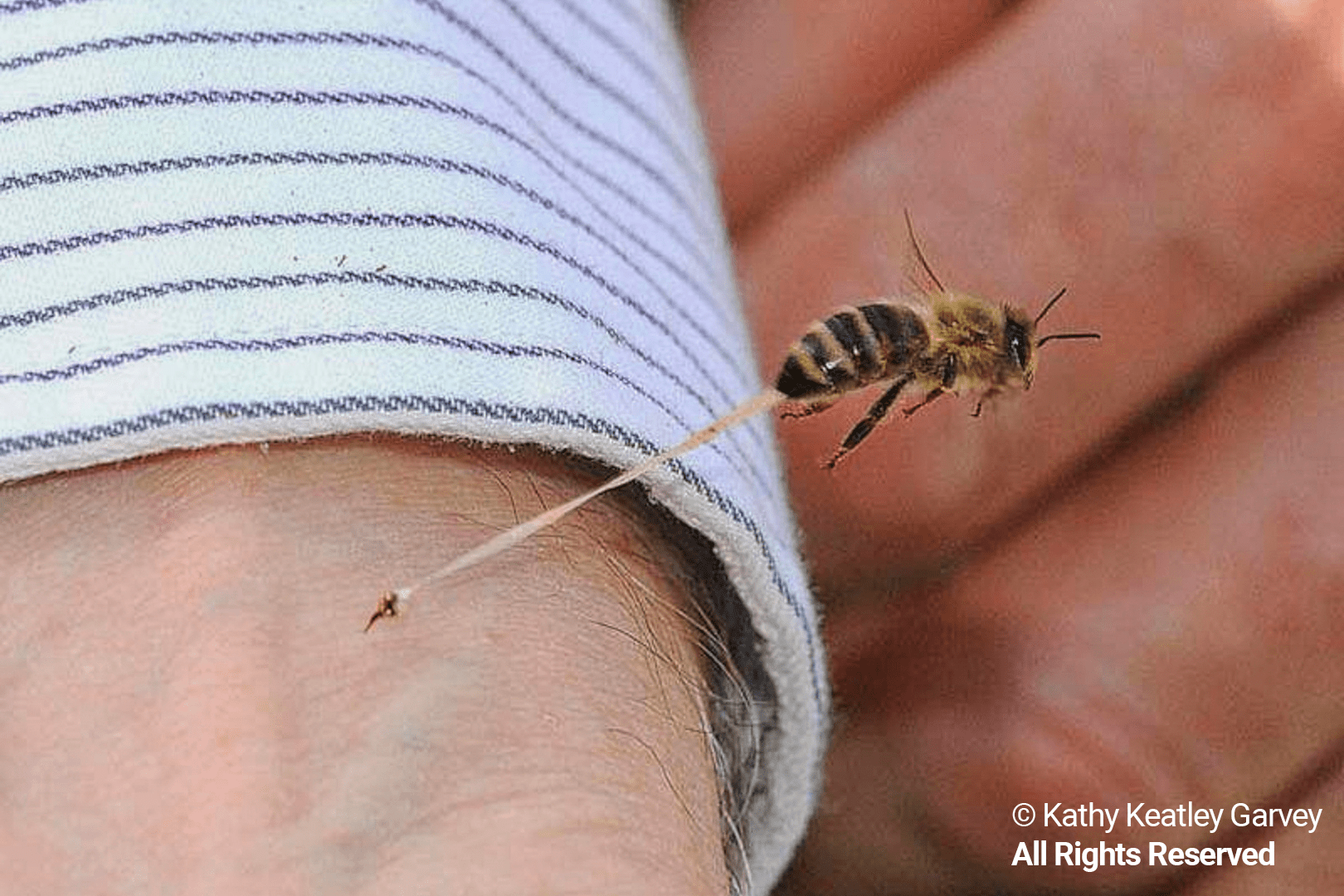
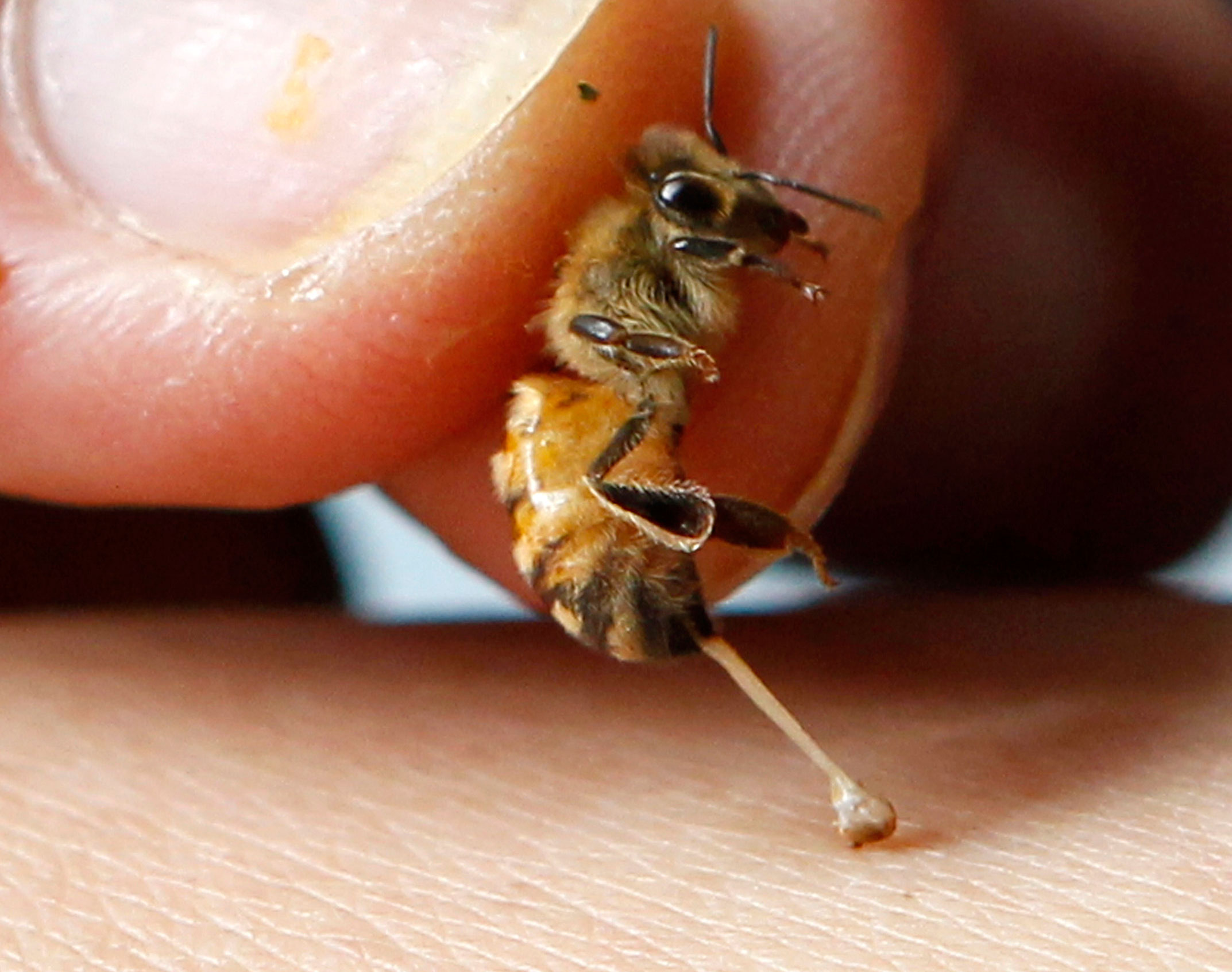
The most critical immediate action is to remove the stinger. Bees, unlike wasps, typically leave their barbed stinger embedded in the skin. This stinger will continue to pump venom for a short period, so prompt removal is key.
- How to Remove the Stinger: The most effective method is to scrape it out horizontally with a fingernail, a credit card, or a dull knife. Avoid squeezing the stinger or the venom sac attached to it, as this can inject more venom into the skin. If you don’t have a scraping tool readily available, you can try to gently flick it out with your fingertip, but scraping is generally preferred.
- Washing the Area: Once the stinger is removed, gently wash the affected area with soap and water. This helps to clean the wound and reduce the risk of infection. Avoid scrubbing vigorously, which could further irritate the skin.
Applying a Cold Compress and Managing Swelling
Cold therapy is a cornerstone of bee sting relief. Applying a cold compress helps to constrict blood vessels, reducing swelling and numbing the pain.
- How to Apply a Cold Compress: Use an ice pack wrapped in a thin cloth, a bag of frozen vegetables, or a cold, wet washcloth. Apply it to the sting site for 10-15 minutes at a time. You can repeat this every hour or so as needed to manage pain and swelling.
- Elevation: If the sting is on an extremity like an arm or leg, elevating the affected limb can also help reduce swelling by allowing fluid to drain away from the area.
Understanding Reactions and Recognizing Danger Signs
While most bee stings result in localized pain and swelling, some individuals can experience more severe allergic reactions. It’s vital to be aware of the spectrum of reactions and know when to seek medical help.
Localized Reactions: The Common Response
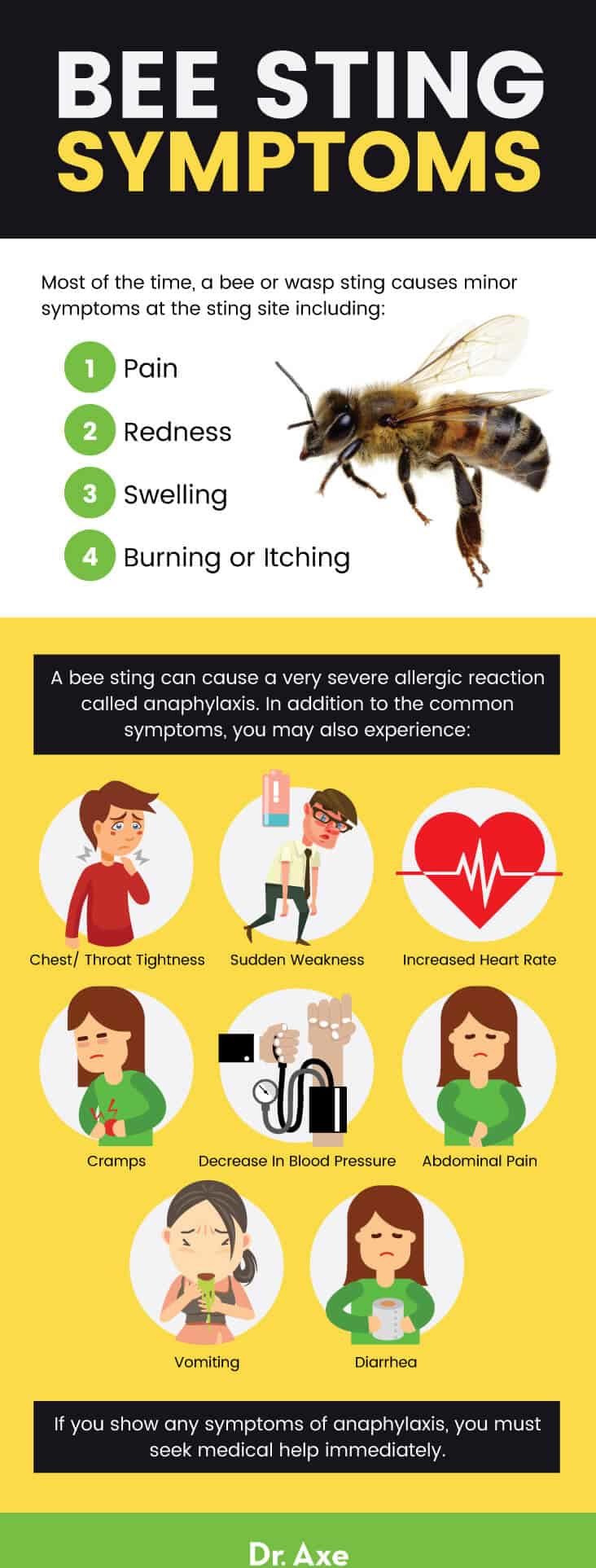
A localized reaction is the most frequent type of response to a bee sting. This typically involves:
- Pain: A sharp, burning pain at the sting site.
- Swelling: Redness and swelling that may spread a few inches around the sting.
- Itching: A persistent itch that can last for several days.
- Warmth: The area might feel warm to the touch.
These symptoms usually peak within 24-48 hours and gradually subside over a week. Over-the-counter antihistamines and hydrocortisone creams can help manage these localized symptoms.
Systemic Reactions: When to Seek Emergency Care
A systemic reaction, also known as anaphylaxis, is a serious and potentially life-threatening allergic reaction. It occurs when the body’s immune system overreacts to the bee venom. Anaphylaxis can develop rapidly and requires immediate medical attention.
Symptoms of anaphylaxis can include:
- Hives or rash: Widespread itching or red welts appearing anywhere on the body.
- Swelling of the face, lips, tongue, or throat: This can make breathing difficult.
- Difficulty breathing: Wheezing, shortness of breath, or a feeling of tightness in the chest.
- Dizziness or fainting: A drop in blood pressure.
- Nausea, vomiting, or diarrhea: Gastrointestinal distress.
- Rapid heartbeat: A pounding pulse.
- Feeling of impending doom: A sense of anxiety or panic.
If you or someone else experiences any of these severe symptoms after a bee sting, call emergency services immediately (e.g., 911 in the US, 112 in Europe). If the person has a known allergy and carries an epinephrine auto-injector (like an EpiPen), administer it as directed while waiting for medical help.
Large Local Reactions: More Extensive, But Usually Not Anaphylactic
A large local reaction involves swelling that extends beyond the immediate sting site, sometimes encompassing an entire limb. While more uncomfortable than a typical localized reaction, it’s generally not life-threatening unless it affects the airway. These reactions typically resolve within a few days to a week and can be managed with antihistamines and pain relievers.
Beyond First Aid: Long-Term Management and Prevention
Once the immediate pain subsides, you might wonder about ongoing care and how to avoid future stings. Understanding bee behavior and having a few preventative measures in place can significantly reduce your risk.
Over-the-Counter Remedies and Home Care
For most bee sting sufferers, over-the-counter (OTC) medications and simple home remedies can provide significant relief.
- Antihistamines: Oral antihistamines like diphenhydramine (Benadryl) or loratadine (Claritin) can help reduce itching and swelling.
- Hydrocortisone Cream: Applying a topical hydrocortisone cream to the sting site can also alleviate itching and inflammation.
- Baking Soda Paste: Some people find relief by making a paste of baking soda and water and applying it to the sting. This is thought to help neutralize the venom.
- Meat Tenderizer: While less common and perhaps more anecdotal, some suggest applying a paste of unseasoned meat tenderizer (containing papain) can help break down venom proteins and reduce swelling. However, ensure the skin is not broken before applying.
Preventing Future Stings: Be Proactive
Prevention is always better than cure. Taking a few simple precautions can help you enjoy the outdoors without the fear of stings.
- Be Mindful of Your Surroundings: Bees are attracted to sweet smells. Avoid wearing strong perfumes or colognes, and be cautious when eating or drinking sweet foods and beverages outdoors.
- Dress Appropriately: Light-colored clothing can be less attractive to bees than dark colors. Avoid loose-fitting clothing that can trap bees.
- Secure Food and Drinks: Keep picnic areas clean and dispose of trash properly. Cover drinks and food when not in use.
- Avoid Disturbing Nests: If you spot a bee nest, give it a wide berth. Do not attempt to disturb or remove it yourself.
- Stay Calm if Bees Are Present: If bees are buzzing around you, try to remain calm and move away slowly. Sudden movements and swatting can agitate them.
The Role of Technology and Brand in Outdoor Safety
While not directly related to treating a bee sting, understanding the landscape of technology and brand can indirectly contribute to your preparedness and comfort during outdoor activities.
- Outdoor Gear and Apparel Brands: Many reputable brands specialize in outdoor gear, offering lightweight, breathable, and protective clothing that can minimize skin exposure to insects. Researching reviews for these brands can help you invest in apparel that offers both comfort and a degree of protection. Understanding the design principles behind effective outdoor wear can influence your choices for sunny adventures.
- Navigation and Safety Apps: While not for sting treatment, apps that provide weather forecasts, trail information, and even emergency contact features can be invaluable for outdoor safety. Knowing the local flora and fauna, including where bee populations are likely to be concentrated, can be a benefit of using advanced mapping and information apps. The digital security of these apps is also paramount when relying on them in remote areas.
- First Aid Kit Innovations: The market for personal first aid kits is constantly evolving. From compact, all-in-one kits to specialized insect bite relief packs, brands are innovating to offer convenient solutions for common outdoor ailments. Keeping an updated and well-stocked first aid kit, potentially one that incorporates advancements in wound care or soothing agents, is a practical step.
- AI and Information Access: In an instant, you can access vast amounts of information, including this very guide. The accessibility of AI tools for quickly searching and understanding health advice, understanding insect behavior patterns based on environmental data, or even researching the best brands for allergy relief can be a testament to technological progress.
In conclusion, a bee sting is a common but potentially uncomfortable experience. By understanding the immediate first aid steps, recognizing the signs of severe reactions, and implementing preventative measures, you can effectively manage bee stings and enjoy the outdoors with greater confidence. The intersection of technology and brand awareness can further enhance your preparedness and overall experience during your outdoor adventures.
aViewFromTheCave is a participant in the Amazon Services LLC Associates Program, an affiliate advertising program designed to provide a means for sites to earn advertising fees by advertising and linking to Amazon.com. Amazon, the Amazon logo, AmazonSupply, and the AmazonSupply logo are trademarks of Amazon.com, Inc. or its affiliates. As an Amazon Associate we earn affiliate commissions from qualifying purchases.