
The human heart, a relentless engine powering our existence, can sometimes send subtle, and sometimes not-so-subtle, signals that something is amiss. For many, the phrase “heart problems” conjures images of sudden, dramatic events. However, the reality is far more nuanced. Heart conditions can manifest in a myriad of ways, often presenting with symptoms that are easily mistaken for everyday ailments. Understanding these diverse sensations is crucial for early detection and timely intervention, potentially saving lives and improving quality of life. While the medical field is our primary guide in diagnosing and treating heart issues, the way we perceive and articulate these internal experiences is deeply personal, often influenced by our broader understanding of our bodies and the world around us.
In an era where technology permeates every aspect of our lives, from the apps we use to manage our finances to the wearable gadgets that track our every step, our relationship with our own health is also evolving. This article aims to bridge the gap between the clinical understanding of heart problems and the lived experience, exploring how these conditions can feel, and how a tech-savvy, brand-aware, and financially astute individual might approach recognizing and addressing these vital signals.
The Spectrum of Sensations: Beyond Chest Pain
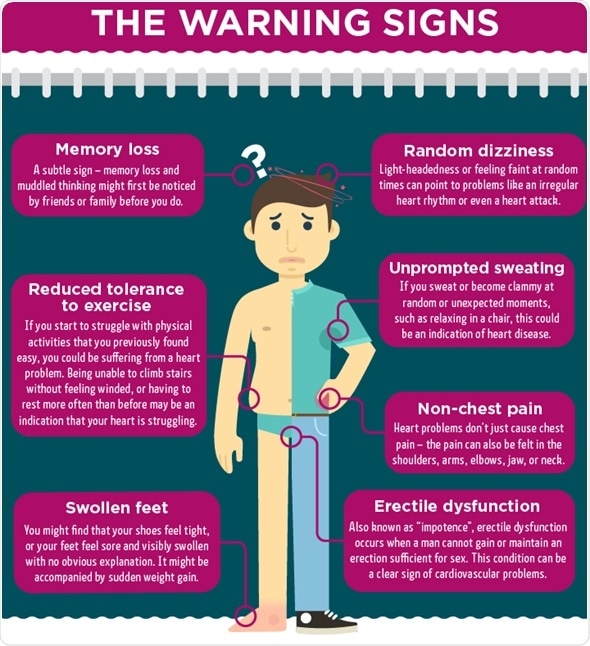
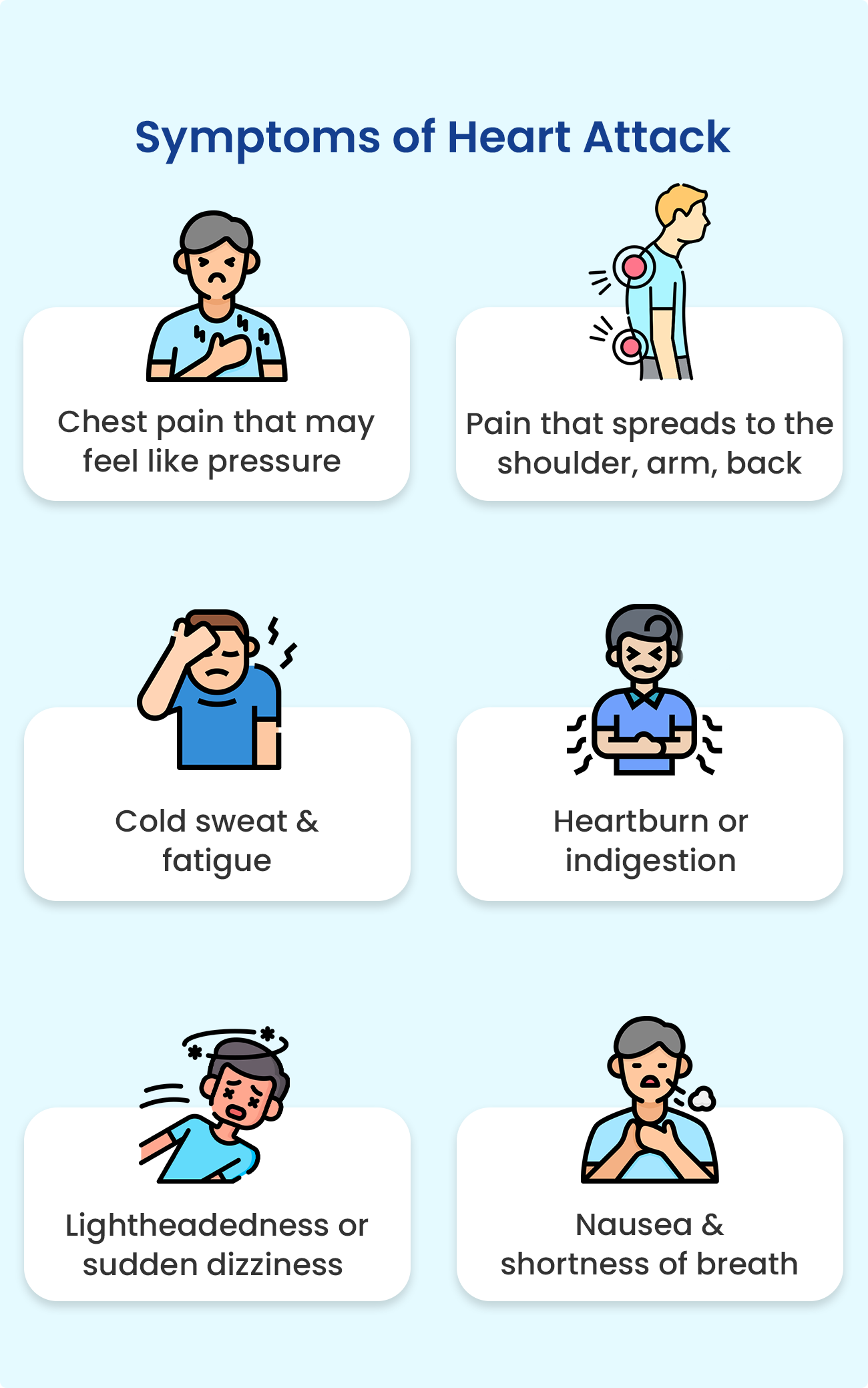
When we think of heart problems, chest pain is often the first symptom that comes to mind. However, the heart’s distress can manifest in a much broader range of feelings and locations, often requiring a keen sense of self-awareness to decipher. It’s not just about a crushing weight; it can be a dull ache, a sharp jab, or even a feeling of tightness that radiates beyond the chest.
Angina: The Warning Whisper
Angina, often described as chest pain or discomfort, is a symptom of coronary artery disease, where the heart muscle doesn’t get as much blood as it needs. It’s crucial to differentiate angina from other causes of chest discomfort.
The Characteristic Feel of Angina
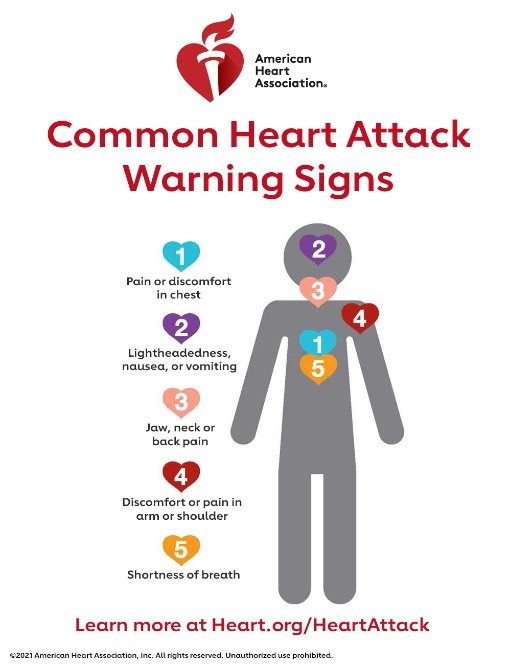
Angina is frequently characterized by a pressure, squeezing, tightness, or aching in the chest. It’s often felt behind the breastbone but can also occur in the neck, jaw, shoulders, arms, or even the back. The sensation is typically brought on by physical exertion or emotional stress and is relieved by rest or medication like nitroglycerin. Some individuals describe it as feeling like “an elephant is sitting on my chest” or “a band is tightening around my chest.” The intensity can vary, from a mild annoyance to a severe, debilitating pain.
Beyond the Chest: Referred Pain
It’s important to note that angina doesn’t always confine itself to the chest. This phenomenon, known as referred pain, can lead to misdiagnosis if not understood. Sensations in the:
- Jaw and Neck: Aching, tightness, or even a toothache-like sensation in the jaw or neck can be a sign of underlying heart issues.
- Arms and Shoulders: Pain or discomfort in one or both arms, often the left, can be a classic symptom. This can feel like a dull ache, a burning sensation, or a tingling.
- Back: Discomfort between the shoulder blades or in the upper back can also indicate angina.
- Abdomen: Some people, particularly women, may experience angina symptoms that mimic indigestion or heartburn, often felt in the upper abdomen.
Other Manifestations of Cardiac Distress
While chest pain is a significant indicator, other symptoms can point towards a struggling heart:
- Shortness of Breath (Dyspnea): This can occur with or without exertion. It might feel like you can’t catch your breath, or you’re struggling to take a full, satisfying inhale. It can also feel like you’re suffocating. This can be a symptom of heart failure, where the heart isn’t pumping blood efficiently, leading to fluid buildup in the lungs.
- Palpitations: This is the feeling of your heart racing, fluttering, pounding, or skipping beats. While sometimes benign, persistent or distressing palpitations can signal an arrhythmia (irregular heartbeat). Some people describe it as a “quiver” in their chest or a “thump” against their ribs.
- Fatigue: Unexplained, persistent tiredness that doesn’t improve with rest can be a subtle but significant sign of heart problems, particularly heart failure. It’s a deep, bone-weary exhaustion that can make even simple daily tasks feel monumental.
- Dizziness or Lightheadedness: If the heart isn’t pumping enough oxygenated blood to the brain, it can lead to feelings of faintness, unsteadiness, or a sense of impending doom. This can be particularly concerning if it occurs suddenly or is accompanied by other symptoms.
- Swelling (Edema): Fluid retention, often in the legs, ankles, and feet, can be a sign of heart failure. This swelling can make clothing feel tighter, shoes uncomfortable, and the affected limbs feel heavy and sluggish.
The Tech-Savvy Approach to Heart Health: Leveraging Digital Tools
In today’s connected world, technology offers a powerful arsenal for monitoring, understanding, and even proactively managing our cardiovascular health. Beyond the purely clinical, embracing technological solutions can empower individuals to be more informed and engaged participants in their own well-being.
Wearable Technology: Your Personal Health Dashboard
Smartwatches and fitness trackers have moved beyond simply counting steps. These devices are increasingly equipped with sensors capable of monitoring vital signs like heart rate, heart rate variability (HRV), and even performing electrocardiograms (ECGs).
- Real-time Heart Rate Monitoring: Many wearables provide continuous heart rate tracking, allowing you to observe your resting heart rate, your heart rate during exercise, and any sudden spikes. A consistently elevated resting heart rate or significant deviations during normal activities could warrant further investigation.
- ECG Capabilities: Some advanced smartwatches can take on-demand ECG readings, similar to what a doctor might do. These readings can help detect common arrhythmias like atrial fibrillation (AFib), which can increase the risk of stroke. Understanding how to interpret these readings (or knowing when to share them with your doctor) is key.
- Sleep Tracking and HRV: Poor sleep quality is linked to cardiovascular issues. Wearables that track sleep patterns and measure Heart Rate Variability (HRV) can provide valuable insights. Lower HRV can be an indicator of stress or reduced cardiovascular resilience.
Health Apps and Digital Platforms: Consolidating Your Data
Numerous apps and digital health platforms allow you to log symptoms, track medications, store medical records, and even connect with healthcare providers.
- Symptom Journaling: Instead of relying on memory, using a dedicated app to record when you experience symptoms, their duration, intensity, and any triggers can be invaluable when discussing your concerns with a doctor. This data can paint a clearer picture than a verbal description alone.
- Telemedicine and Remote Monitoring: The rise of telemedicine allows for virtual consultations with doctors, which can be a convenient first step in discussing potential heart concerns. For individuals with existing heart conditions, remote monitoring devices can transmit vital data to their healthcare team, allowing for proactive adjustments to treatment.
- AI-Powered Health Assistants: While still evolving, AI tools are beginning to offer personalized health insights based on your inputted data. These can range from suggesting lifestyle modifications to flagging potential health risks, though it’s crucial to remember that these are supplementary tools and not a replacement for professional medical advice.
Branding Your Health: Presenting a Coherent Picture to Healthcare Professionals
When it comes to health, especially something as critical as heart function, how you communicate your experience is as important as the experience itself. This is where the principles of branding – clarity, consistency, and compelling narrative – come into play when interacting with healthcare providers.
Crafting Your Personal Health Narrative
Think of your interactions with your doctor as a branding exercise for your health. You want to present a clear, concise, and accurate picture of your situation.
- The “Brand” of Your Symptoms: Instead of just saying “I feel bad,” be specific. Use descriptive language for sensations (e.g., “sharp, stabbing pain,” “tightening pressure,” “fluttering sensation”). Identify the location, duration, frequency, and any aggravating or alleviating factors. This creates a distinct “brand” for your specific experience.
- Visualizing Your Data: If you’re using wearables or apps, be prepared to show your doctor the data. Screenshots of heart rate trends, ECG readings, or symptom logs can be powerful visual aids, much like a well-designed infographic in marketing. This reinforces your narrative with objective evidence.
- Consistency is Key: Just as a strong brand maintains consistent messaging across all platforms, your reported symptoms and observations should be consistent. If you’ve been experiencing subtle fatigue for weeks, don’t suddenly focus solely on a fleeting chest discomfort without mentioning the underlying pattern.
The “Corporate Identity” of Your Lifestyle
Your lifestyle choices are intrinsically linked to your heart health and form a part of your overall health “brand.”
- Diet and Exercise as “Product Features”: Be honest about your dietary habits and exercise routines. Frame them not as personal failings but as “features” of your current lifestyle that may be impacting your “product” – your health.
- Stress Management as a “Marketing Strategy”: How you manage stress is a crucial aspect of your health narrative. Are you employing effective coping mechanisms, or are stress-induced symptoms a recurring theme? Discussing this openly allows your doctor to understand the holistic picture.
Financial Prudence in the Face of Heart Health
The financial implications of heart problems can be substantial, from healthcare costs to potential impacts on earning capacity. A financially savvy approach involves understanding these risks and making informed decisions.
Understanding the Financial Landscape of Cardiovascular Care
- Insurance as Your Financial Safety Net: Thoroughly understanding your health insurance coverage for cardiac evaluations, procedures, and medications is paramount. This includes deductibles, co-pays, out-of-pocket maximums, and network restrictions.
- Preventative Care as an Investment: Investing in regular check-ups, maintaining a healthy lifestyle, and addressing early warning signs can be far more cost-effective than treating advanced heart disease. Think of preventative care as a long-term investment in your financial well-being.
- The Cost of Unmanaged Conditions: The economic burden of chronic heart disease can be immense. Unmanaged conditions can lead to frequent hospitalizations, long-term disability, and a significant reduction in earning potential. Proactive management, therefore, is not just a health imperative but also a financial one.
Budgeting for Health: From Medications to Lifestyle Changes
- Medication Management: If prescribed medications are part of your treatment plan, explore options for cost-effective sourcing, such as generic alternatives or patient assistance programs. Keeping track of prescription costs can be integrated into your overall budget.
- Lifestyle Adjustments: Implementing lifestyle changes like adopting a healthier diet or joining a gym might involve initial costs. However, these are investments that can yield significant returns in terms of reduced future healthcare expenses and improved quality of life. Consider these as budget items for your long-term financial health.
- Emergency Fund for Health: Given the unpredictable nature of health issues, having an emergency fund specifically for medical expenses can provide crucial financial security and peace of mind.
In conclusion, understanding what heart problems feel like is a multifaceted endeavor. It requires a deep connection with our own bodies, the intelligent application of technology to monitor our health, a clear and confident approach to communicating our experiences to healthcare professionals, and a prudent financial strategy to navigate the potential costs. By embracing these interconnected aspects, we can move from passively reacting to our heart’s signals to actively participating in its well-being, ensuring a healthier and more secure future.
aViewFromTheCave is a participant in the Amazon Services LLC Associates Program, an affiliate advertising program designed to provide a means for sites to earn advertising fees by advertising and linking to Amazon.com. Amazon, the Amazon logo, AmazonSupply, and the AmazonSupply logo are trademarks of Amazon.com, Inc. or its affiliates. As an Amazon Associate we earn affiliate commissions from qualifying purchases.