
Hulu. The name itself conjures images of binge-watching, discovering hidden gems, and the constant question: “What should I watch next?” In today’s saturated streaming landscape, where a new service or must-see show seems to launch weekly, figuring out what to stream can feel like a full-time job. But what if we approached this decision not just as entertainment consumers, but through the analytical lenses of technology, brand perception, and financial investment?
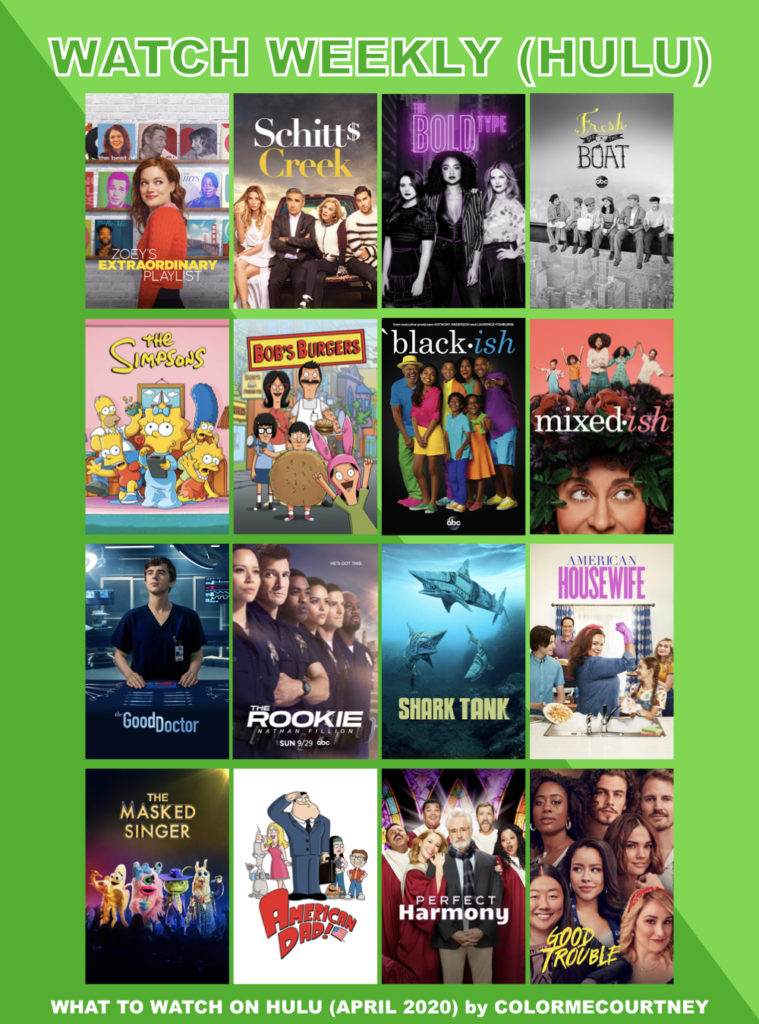
This article aims to answer the perennial question, “What can I watch on Hulu?” by dissecting its offerings and strategy. We’ll explore Hulu not just as a content provider, but as a technological platform, a brand with a distinct identity, and a financial decision for your entertainment budget. By understanding these interwoven elements, you can make more informed choices about your viewing habits and maximize your Hulu subscription.
Hulu’s Tech Foundation: The Engine Behind Your Entertainment
At its core, Hulu is a sophisticated technological platform. From the user interface you navigate to the algorithms that suggest your next binge, technology is the invisible architect of your viewing experience. Understanding this technological backbone can shed light on why certain content is presented to you and how Hulu differentiates itself in a crowded market.
The Streaming Infrastructure: Beyond Just “Playing”
When you press play on Hulu, you’re interacting with a complex ecosystem. This includes:
- Content Delivery Networks (CDNs): These distributed servers ensure that your chosen shows and movies stream smoothly, regardless of your geographical location or internet speed. The efficiency of Hulu’s CDN directly impacts your frustration levels – buffering is the ultimate buzzkill.
- Adaptive Streaming Technology: Hulu uses sophisticated algorithms to adjust video quality in real-time based on your internet connection. This means that even if your Wi-Fi falters momentarily, the stream will likely continue, albeit at a lower resolution, preventing complete playback interruptions.
- Platform Accessibility: Hulu is available on a vast array of devices – smart TVs, gaming consoles, smartphones, tablets, and web browsers. This widespread accessibility is a key technological advantage, ensuring you can watch your favorite content wherever you are and on whatever device you prefer. The development and maintenance of these cross-platform applications require significant technological investment and expertise.
Algorithmic Curation: The “Because You Watched” Phenomenon
The personalized recommendations you see on Hulu are not magic; they are the product of advanced AI and machine learning.
- User Data Analysis: Hulu tracks your viewing habits: what you watch, how long you watch it, what you skip, and what you add to your watchlist. This data is then fed into algorithms designed to predict what else you might enjoy.
- Content Metadata: Beyond your personal data, Hulu analyzes the metadata of its content – genres, actors, directors, keywords, and even thematic elements. This allows it to find connections between your preferences and shows or movies you haven’t yet discovered.
- A/B Testing and Iteration: The recommendation engine is constantly being tested and refined. Hulu might show different sets of recommendations to different user groups to see which ones lead to more engagement. This iterative process is crucial for improving the accuracy and effectiveness of their suggestions.
What does this mean for your viewing choices? Understanding that these recommendations are data-driven can empower you. If you’re finding your recommendations stale, actively seek out new genres or specific titles to broaden the algorithm’s understanding of your tastes. Conversely, if you want to dive deeper into a niche, consistently watch content within that niche to signal your interest.
The Role of Software Development and UI/UX Design
The software that powers Hulu’s apps and website is a testament to modern software engineering.
- Intuitive User Interface (UI): A clean, organized, and easy-to-navigate interface is crucial for user satisfaction. Hulu’s UI designers work to make discovering content effortless, with clear categories, search functions, and personalized home screens.
- Seamless User Experience (UX): Beyond just looking good, the app needs to feel good to use. This includes smooth transitions, quick loading times, responsive controls, and minimal bugs. A poor UX can lead to user frustration and abandonment, regardless of the quality of the content itself.
- Continuous Updates and Feature Rollouts: Technology evolves, and so does Hulu. Regular software updates introduce new features, improve performance, and fix bugs. Keeping an eye on these updates can enhance your viewing experience and potentially unlock new ways to discover content.
Hulu’s Brand Identity: More Than Just a Logo
Hulu isn’t just a tech company; it’s a brand that has cultivated a specific identity in the minds of consumers. Its brand strategy plays a significant role in what content it acquires, how it markets itself, and what kind of viewer it aims to attract.
The “On-Demand, Live TV” Hybrid: A Defining Brand Promise
Hulu’s initial success was built on its unique proposition: the ability to watch current season episodes of many broadcast and cable TV shows the day after they aired. This “next-day-streaming” model carved out a distinct niche.
- Bridging the Gap: Hulu positioned itself as the bridge between traditional broadcast television and full-on streaming services. It appealed to viewers who wanted to stay current with popular shows without waiting for a season to end or subscribing to expensive cable packages.
- Evolving to Live TV: The introduction of Hulu + Live TV further cemented its brand as a comprehensive entertainment solution, offering a blend of on-demand content and a live TV bundle that competes directly with traditional cable providers. This broadened its appeal to cord-cutters and cord-nevers alike.
- Brand Perception: This hybrid model has led to a perception of Hulu as a “smart” or “savvy” choice for viewers who want flexibility and access to a broad range of content, from network hits to premium cable dramas and live sports.
Content Acquisition and Original Programming: Building a Brand Narrative
Hulu’s content library is a direct reflection of its brand aspirations.
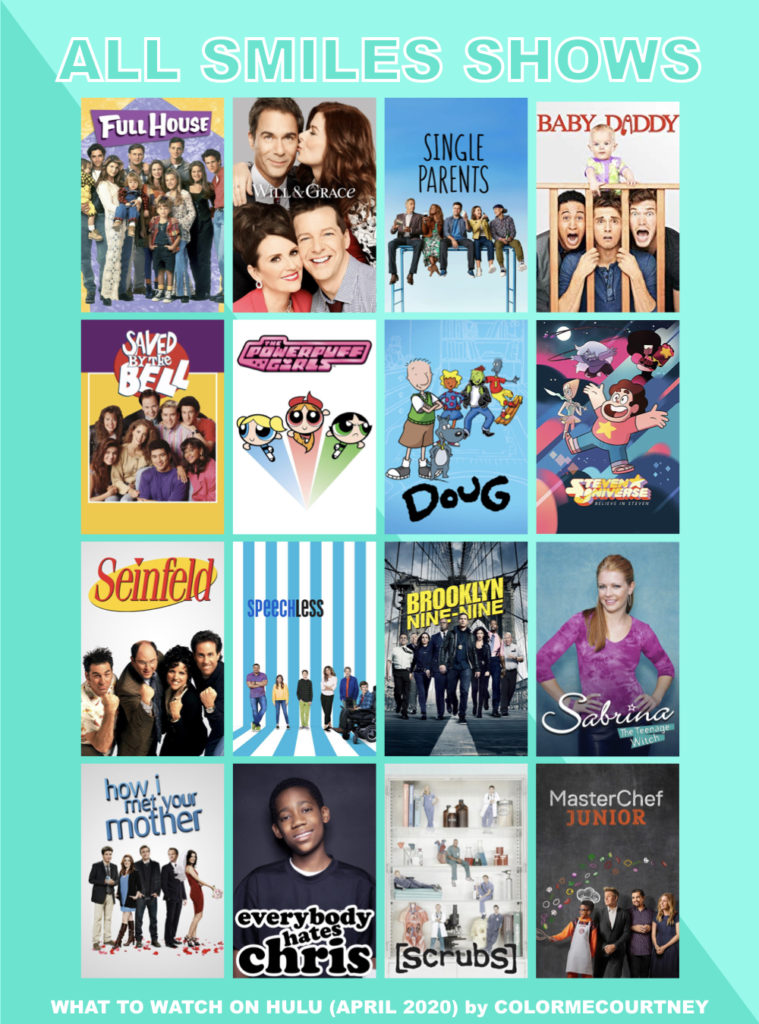
- Acquired Content Strategy: Hulu licenses a vast library of TV shows and movies from various networks and studios. This allows it to offer a broad appeal, catering to diverse tastes and ensuring there’s always something for everyone, especially for those looking to catch up on popular series.
- The Rise of Hulu Originals: In recent years, Hulu has heavily invested in original programming. Shows like “The Handmaid’s Tale,” “Only Murders in the Building,” and “The Bear” have not only garnered critical acclaim and awards but have also become synonymous with the Hulu brand. These originals are often characterized by their mature themes, strong storytelling, and high production values.
- Targeting a Specific Demographic: While Hulu offers a wide range of content, its original programming, in particular, often targets a more adult demographic interested in prestige television, thought-provoking dramas, and critically acclaimed comedies. This has helped Hulu cultivate a brand image associated with quality and artistic merit.
How does this influence your viewing? If you’re drawn to award-winning dramas and critically lauded comedies, Hulu’s originals are a prime destination. If you’re a fan of catching up on popular network sitcoms and procedurals, Hulu’s extensive library of acquired content fulfills that need. The brand actively shapes your expectations and can guide your exploration of its catalog.
Marketing and Reputation: Crafting the Hulu Experience
Hulu’s marketing efforts are designed to reinforce its brand identity and attract subscribers.
- Targeted Advertising: Hulu utilizes sophisticated marketing campaigns to reach its desired audience, often highlighting its flagship original shows and the convenience of its platform.
- Partnerships and Bundles: Strategic partnerships, such as bundling with other Disney-owned services (Disney+ and ESPN+), create a more attractive value proposition and expand Hulu’s reach.
- Building a Reputation for Quality: Through its original programming and curated library, Hulu aims to build a reputation for delivering high-quality, binge-worthy content. This reputation is a powerful tool in attracting and retaining subscribers.
The Money Aspect: Hulu as a Financial Investment
Beyond the entertainment value, subscribing to Hulu is a financial decision. Understanding its pricing, value proposition, and how it fits into your overall entertainment budget is crucial for making smart choices.
Subscription Tiers and Value Proposition: Getting Your Money’s Worth
Hulu offers various subscription tiers, each with a different price point and feature set.
- Hulu (With Ads): This is the most affordable option, offering access to Hulu’s vast on-demand library but with commercial interruptions. It’s an attractive choice for budget-conscious viewers who don’t mind occasional ads.
- Hulu (No Ads): For an increased monthly fee, subscribers can enjoy the entire on-demand library without any commercials. This tier caters to viewers who prioritize an uninterrupted viewing experience.
- Hulu + Live TV: This premium tier bundles the on-demand library with access to live TV channels, including sports, news, and entertainment. It’s designed for cord-cutters looking to replace their traditional cable subscription, offering significant value if you utilize both on-demand and live TV features.
- Bundles (Disney+, ESPN+): These bundles offer significant cost savings for subscribers who want access to multiple Disney-owned streaming services. The value proposition here lies in accessing a wider range of content across different platforms at a reduced combined price.
What does this mean for your viewing habits? When choosing a tier, consider your viewing habits and preferences. If you primarily watch older seasons or are okay with ads, the basic tier is sufficient. If you value uninterrupted viewing or want live TV access, the higher tiers might be a worthwhile investment. It’s about aligning the cost with the actual usage and enjoyment you derive from the service.
Cost vs. Content: Making the Financial Calculation
The decision to subscribe to Hulu, or any streaming service, is ultimately a cost-benefit analysis.
- Evaluating Content Library Size and Quality: Is the breadth and depth of Hulu’s content library worth the monthly subscription fee? This includes considering the number of shows and movies you’re likely to watch.
- Comparing to Alternatives: How does Hulu’s price and content offering compare to other streaming services like Netflix, Amazon Prime Video, or HBO Max?
- Calculating Cost Per Hour of Entertainment: If you watch a certain number of hours of content per month, what is your effective cost per hour? For example, if you pay $15 for Hulu (No Ads) and watch 30 hours of content, your cost is $0.50 per hour, which can be a good deal compared to renting individual movies.
- The “Opportunity Cost” of Subscription: Subscribing to too many services can become financially unsustainable. It’s important to prioritize and potentially rotate subscriptions to manage costs.

The Long-Term Investment in Entertainment
Viewing Hulu as a long-term investment in your entertainment can help frame your decision-making.
- Binge-Watching as a Value Driver: For many, the ability to binge-watch entire seasons of shows they love is a primary driver for subscribing. This offers a concentrated period of entertainment value for a fixed monthly cost.
- Discovery as a Bonus: The serendipitous discovery of new favorite shows and movies through Hulu’s recommendations or curated lists adds an intangible value that goes beyond the transactional cost.
- The Evolving Landscape: The streaming market is dynamic. Hulu’s pricing and content offerings can change, so it’s important to periodically re-evaluate its value proposition against your evolving viewing habits and the competitive landscape.
In conclusion, answering “What can I watch on Hulu?” goes beyond simply listing titles. By examining Hulu through the lenses of its underlying technology, its carefully crafted brand identity, and its position as a financial investment, you can gain a deeper understanding of the platform and make more informed decisions about your streaming choices. Whether you’re a tech enthusiast appreciating the algorithms, a brand strategist analyzing its market position, or a savvy consumer optimizing your entertainment budget, Hulu offers a multifaceted experience worth exploring.
aViewFromTheCave is a participant in the Amazon Services LLC Associates Program, an affiliate advertising program designed to provide a means for sites to earn advertising fees by advertising and linking to Amazon.com. Amazon, the Amazon logo, AmazonSupply, and the AmazonSupply logo are trademarks of Amazon.com, Inc. or its affiliates. As an Amazon Associate we earn affiliate commissions from qualifying purchases.