
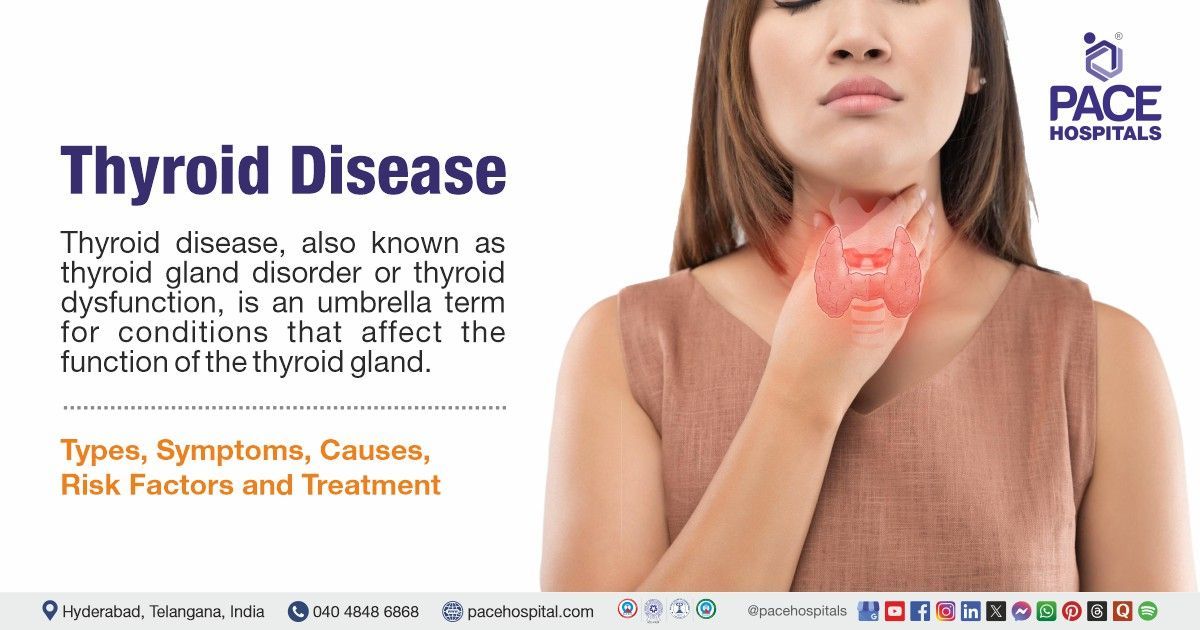
The thyroid gland, a small, butterfly-shaped endocrine gland nestled at the base of your neck, plays a surprisingly colossal role in your overall health. It’s the conductor of your body’s metabolic orchestra, producing hormones – primarily thyroxine (T4) and triiodothyronine (T3) – that regulate a vast array of crucial bodily functions. These include your heart rate, body temperature, energy levels, digestion, mood, and even how your brain develops. When this intricate system falters, it can lead to a spectrum of thyroid disorders, each with its own set of symptoms and implications. Understanding these disorders is the first step towards effective management and a healthier life.
Understanding the Thyroid’s Function and Common Disruptions
Before delving into specific disorders, it’s essential to grasp the thyroid’s normal functioning. The thyroid gland’s hormone production is meticulously controlled by the pituitary gland in the brain, which releases thyroid-stimulating hormone (TSH). TSH signals the thyroid to produce more or less T3 and T4. This feedback loop ensures that hormone levels remain within a healthy range.
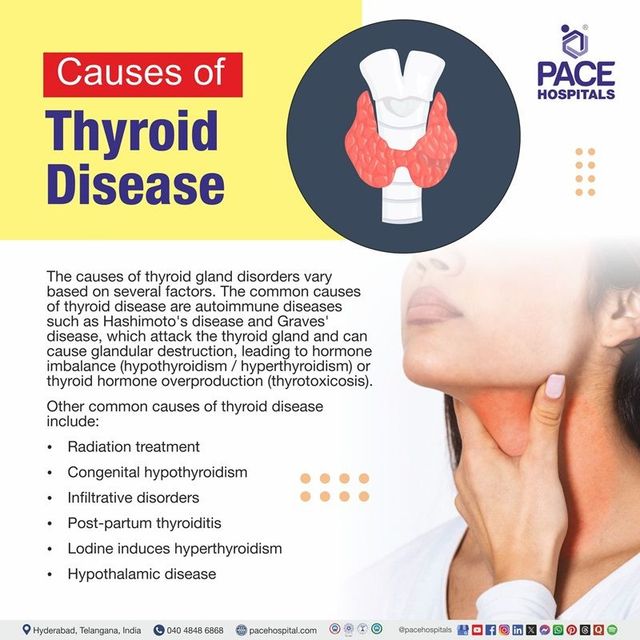
However, this finely tuned system can be disrupted by various factors. These can include autoimmune conditions where the body mistakenly attacks its own thyroid cells, genetic predispositions, iodine deficiency, certain medications, or even inflammation. The consequences of these disruptions can manifest as the thyroid producing too much hormone (hyperthyroidism) or too little hormone (hypothyroidism), or as structural abnormalities like nodules or enlargement.
Hyperthyroidism: When the Thyroid Runs in Overdrive
Hyperthyroidism occurs when the thyroid gland produces an excess of thyroid hormones. This surge in hormones accelerates the body’s metabolic processes, leading to a wide range of symptoms.
Causes and Manifestations of Hyperthyroidism
The most common cause of hyperthyroidism is Graves’ disease, an autoimmune disorder where antibodies stimulate the thyroid to overproduce hormones. Other causes include toxic nodules (lumps in the thyroid that produce excess hormones) and thyroiditis (inflammation of the thyroid, which can initially cause a temporary surge of hormones).
Symptoms of hyperthyroidism can be varied and may develop gradually or suddenly. Individuals often experience:
- Weight loss despite increased appetite: The accelerated metabolism burns calories at a higher rate.
- Rapid or irregular heartbeat (palpitations): The excess hormones stimulate the heart to beat faster.
- Anxiety, nervousness, and irritability: Thyroid hormones have a significant impact on mood and neurological function.
- Tremors (shaky hands): A common sign of overstimulation.
- Increased sweating and heat intolerance: The body’s temperature regulation is affected.
- Fatigue and muscle weakness: Despite the increased metabolism, the body can become exhausted.
- Changes in bowel patterns (frequent bowel movements): Digestion is sped up.
- Sleep disturbances: Difficulty falling or staying asleep.
- Goiter (enlarged thyroid gland): The thyroid may swell as it works overtime.
- Eye changes (in Graves’ disease, often called Graves’ ophthalmopathy): Bulging eyes, redness, swelling, and blurred vision.
Diagnosing and Managing Hyperthyroidism
Diagnosis typically involves a blood test to measure TSH, T4, and T3 levels. Low TSH with high T4 and T3 levels are indicative of hyperthyroidism. Further tests like radioactive iodine uptake scans can help determine the cause.
Treatment aims to reduce thyroid hormone production or block their effects. Options include:
- Antithyroid medications: Drugs like methimazole and propylthiouracil inhibit hormone synthesis.
- Radioactive iodine therapy: This treatment selectively destroys thyroid cells, reducing hormone production.
- Surgery (thyroidectomy): In some cases, surgical removal of part or all of the thyroid gland may be necessary.
- Beta-blockers: These medications can help manage symptoms like rapid heart rate and tremors while other treatments take effect.
Hypothyroidism: When the Thyroid Underperforms
Hypothyroidism is the opposite of hyperthyroidism, occurring when the thyroid gland doesn’t produce enough thyroid hormones. This leads to a slowdown of the body’s metabolic processes.
Causes and Manifestations of Hypothyroidism
The most frequent cause of hypothyroidism in developed countries is Hashimoto’s thyroiditis, another autoimmune disease where the immune system attacks and damages the thyroid. Other causes include iodine deficiency (especially in certain regions), damage to the thyroid from surgery or radiation therapy, and certain medications.
Symptoms of hypothyroidism often develop gradually and can be subtle, making them easy to overlook. They can include:
- Fatigue and sluggishness: A general lack of energy.
- Weight gain or difficulty losing weight: Metabolism slows down, leading to increased fat storage.
- Cold intolerance: Feeling cold even in warm environments.
- Constipation: Digestion slows down.
- Dry skin and brittle nails: Reduced metabolic activity affects skin and nail health.
- Hair loss or thinning: Thyroid hormones are crucial for hair growth.
- Muscle aches, tenderness, and stiffness: Reduced energy and metabolic function can impact muscles.
- Depression and cognitive difficulties (brain fog): Thyroid hormones are vital for brain function.
- Slowed heart rate: The heart beats at a reduced pace.
- Goiter (enlarged thyroid gland): In some cases, the thyroid may enlarge in an attempt to compensate for low hormone production.
- Menstrual irregularities in women: Hormonal imbalances can affect the menstrual cycle.
Diagnosing and Managing Hypothyroidism
Diagnosis is confirmed through blood tests measuring TSH, T4, and T3 levels. High TSH with low T4 levels are characteristic of hypothyroidism.
Treatment for hypothyroidism involves hormone replacement therapy, most commonly with a synthetic thyroid hormone called levothyroxine. This medication is taken daily and aims to restore thyroid hormone levels to normal. Regular monitoring through blood tests is crucial to ensure the dosage is appropriate.
Other Thyroid Conditions: Nodules, Goiter, and Cancer
Beyond the imbalances in hormone production, the thyroid gland can also develop structural abnormalities.
Thyroid Nodules and Goiter
Thyroid nodules are lumps that can form within the thyroid gland. Most thyroid nodules are benign (non-cancerous) and cause no symptoms. However, some nodules can be overactive and produce excess thyroid hormones, contributing to hyperthyroidism. Others can grow large enough to cause a visible swelling in the neck or pressure symptoms, such as difficulty swallowing or breathing.
A goiter refers to the enlargement of the thyroid gland. It can be diffuse (affecting the entire gland) or nodular (containing multiple nodules). Goiter can occur in both hyperthyroid and hypothyroid states, or even with normal thyroid function. While often painless, a large goiter can cause discomfort and visible neck swelling.
Thyroid Cancer
Thyroid cancer is relatively rare but is a serious concern. Most thyroid cancers are slow-growing and highly treatable, especially when detected early. The most common type is papillary thyroid cancer, followed by follicular thyroid cancer. Less common types include medullary and anaplastic thyroid cancers, which are more aggressive.
Symptoms of thyroid cancer can include a lump or swelling in the neck, hoarseness, difficulty swallowing, and persistent cough. Diagnosis often involves a physical examination, ultrasound of the thyroid, blood tests, and a fine-needle aspiration biopsy of any suspicious nodules. Treatment typically involves surgery to remove the cancerous part of the thyroid, and sometimes radioactive iodine therapy or radiation therapy.
The Impact of Thyroid Disorders on Overall Well-being
Thyroid disorders, regardless of whether they cause an overactive or underactive gland, can have profound effects on a person’s overall well-being. The systemic nature of thyroid hormones means that imbalances can ripple through virtually every system of the body.
From a mental health perspective, both hyperthyroidism and hypothyroidism can mimic or exacerbate conditions like anxiety, depression, and even attention deficit disorders. The chronic fatigue associated with hypothyroidism can lead to social withdrawal and reduced quality of life, while the anxiety and restlessness of hyperthyroidism can be debilitating.
Physically, untreated thyroid disorders can contribute to more serious health problems. Hyperthyroidism can increase the risk of heart problems like atrial fibrillation and osteoporosis, while hypothyroidism can lead to high cholesterol levels and potentially heart disease.

Conclusion: Proactive Thyroid Health
The thyroid gland, though small, is a powerhouse of endocrine function. Recognizing the signs and symptoms of thyroid disorders is crucial for timely diagnosis and effective management. If you experience persistent fatigue, unexplained weight changes, mood disturbances, or any other concerning symptoms, it is essential to consult a healthcare professional. Through a combination of medical evaluation, diagnostic testing, and appropriate treatment, most thyroid disorders can be effectively managed, allowing individuals to lead healthy and fulfilling lives. Maintaining a balanced lifestyle, ensuring adequate iodine intake, and staying informed about your health are vital steps in promoting optimal thyroid function.
aViewFromTheCave is a participant in the Amazon Services LLC Associates Program, an affiliate advertising program designed to provide a means for sites to earn advertising fees by advertising and linking to Amazon.com. Amazon, the Amazon logo, AmazonSupply, and the AmazonSupply logo are trademarks of Amazon.com, Inc. or its affiliates. As an Amazon Associate we earn affiliate commissions from qualifying purchases.