
The enduring allure of James Bond, the suave spy with a license to kill, has captivated audiences for decades. From thrilling car chases and ingenious gadgets to sophisticated style and unforgettable villains, the Bond franchise is a cornerstone of popular culture. But for many, a burning question remains: what was the first Bond movie? This isn’t just a trivia question; understanding the genesis of 007’s cinematic journey offers a fascinating glimpse into early filmmaking techniques, the evolution of a global brand, and the surprisingly significant impact on popular culture, even touching upon themes relevant to the financial and technological landscapes of today.

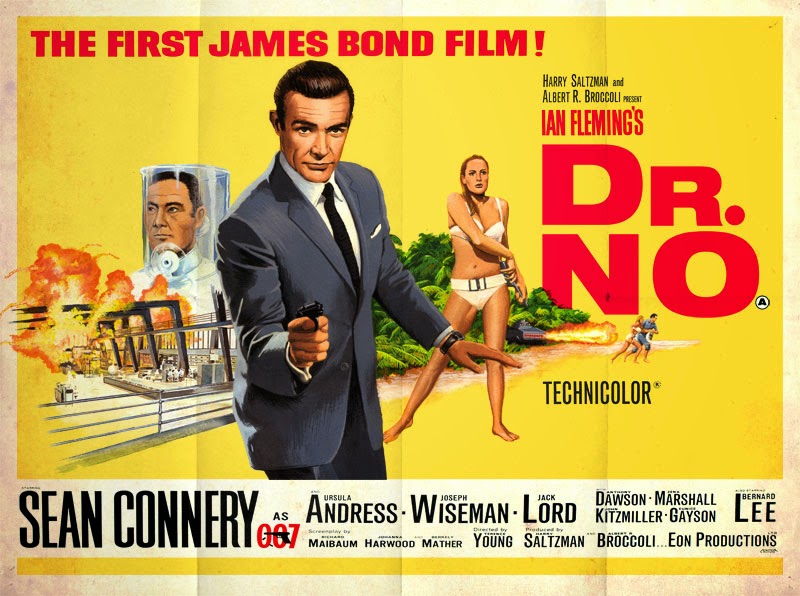
The answer, for those new to the world of Her Majesty’s Secret Service, is “Dr. No,” released in 1962. While the character of James Bond had already made a significant splash in Ian Fleming’s novels, “Dr. No” was the cinematic debut that launched a phenomenon. This inaugural film not only introduced Sean Connery as the iconic spy but also established many of the tropes and stylistic elements that would define the franchise for generations to come. Examining “Dr. No” through the lens of technology, brand building, and even its subtle financial underpinnings, reveals a foundational piece of cinema that continues to resonate.
The Genesis of a Global Brand: From Novel to Screen
The transition of James Bond from the printed page to the silver screen was a monumental undertaking. Ian Fleming’s novels had already garnered a dedicated following, but translating the complex character and thrilling narratives to a visual medium required a deft hand and a keen understanding of audience appeal. The decision to bring Bond to life was driven by a burgeoning appetite for espionage thrillers, a genre that had gained traction in the post-war era.
The “Why” Behind the Cinematic Leap
The 1950s saw a rise in spy novels, fueled by the geopolitical tensions of the Cold War. Ian Fleming, a former intelligence officer himself, tapped into this zeitgeist with his creation of James Bond in “Casino Royale” in 1953. The novels were lauded for their intricate plots, exotic locales, and the charismatic, yet morally ambiguous, protagonist. However, the visual medium offered a unique opportunity to amplify these elements, bringing Bond’s world to life with a vividness that words alone could not achieve.
The production of “Dr. No” was not without its challenges. Early attempts to bring Bond to the screen had faltered, and securing financing was a significant hurdle. However, the producers, Albert R. Broccoli and Harry Saltzman, persevered, recognizing the immense potential of Fleming’s creation. Their vision was to create a film that was sophisticated, exciting, and visually striking – a stark contrast to the often B-movie aesthetics of some earlier spy films. They aimed to build a brand that was instantly recognizable and aspirational.
Building the Bond Identity: More Than Just a Spy
The branding of James Bond in “Dr. No” was meticulously crafted. From the outset, Bond was positioned not just as a secret agent, but as an embodiment of a certain lifestyle and set of values (albeit often with a wink and a nod). His impeccable taste in clothing, his preference for fine wines and spirits, and his confident, almost arrogant, demeanor were all carefully curated to establish a distinct persona.
Sean Connery’s casting was pivotal. While not the initial choice of many, his rugged charm, physicality, and undeniable screen presence proved to be a revelation. He embodied the masculine ideal that audiences were drawn to, while also hinting at a vulnerability that made him more than just a caricature. The iconic “Bond, James Bond” introduction, delivered with Connery’s distinctive Scottish lilt, became an instant catchphrase, solidifying the character’s identity and setting the stage for future iterations.
The film’s success wasn’t solely dependent on the character. The distinctive musical theme composed by Monty Norman, later orchestrated by John Barry, became synonymous with Bond and remains one of the most recognizable pieces of film music ever created. This early integration of a strong auditory brand element was crucial in building a memorable and cohesive cinematic experience. The visual style, too, was a deliberate choice, aiming for a sleek and modern aesthetic that would appeal to a global audience.
Technological Underpinnings and Innovations of Early Bond
While “Dr. No” might seem quaint by today’s standards, its integration of technology, however rudimentary, was central to its appeal and played a significant role in shaping audience perceptions of the spy genre. The film showcased gadgets and methods that, for their time, represented the cutting edge of imagined espionage, subtly influencing how audiences viewed technological advancements.
Gadgets as Narrative Drivers
The early Bond films were instrumental in popularizing the concept of the spy with an arsenal of ingenious, custom-made gadgets. In “Dr. No,” these were less elaborate than in later installments, but they still served to highlight Bond’s resourcefulness and the advanced capabilities of MI6. The modified camera with a Geiger counter, for instance, was a prime example of how technology could be weaponized or used for reconnaissance.
These devices weren’t just props; they were integral to the plot, enabling Bond to overcome seemingly insurmountable obstacles. They reflected a fascination with the potential of scientific and engineering advancements. At a time when personal computers were non-existent and mobile phones were science fiction, these fictional tools captured the imagination, showcasing a vision of a future where technology could be harnessed for both defense and espionage.
The Dawn of Cinematic Espionage Technology
“Dr. No” also subtly touched upon themes relevant to modern digital security, albeit in a pre-digital age. The film’s central conflict revolved around a plot involving the disruption of nuclear missile capabilities. While the methods employed were analog – involving radiation and sophisticated jamming equipment – the underlying concept of intelligence agencies using advanced technology to counter threats and maintain global stability resonated with contemporary anxieties and aspirations.
The film’s portrayal of sophisticated communication systems and surveillance techniques, even if depicted through bulky equipment and manual operations, foreshadowed the increasing importance of information gathering and technological superiority in global affairs. It was a visual representation of the “arms race” extending into the realm of intelligence and technology, a theme that continues to be explored in the digital age.
Financial Echoes: The Business of Bond and its Enduring Value
The success of “Dr. No” wasn’t just a triumph of filmmaking; it was also a shrewd business venture that laid the foundation for one of the most profitable film franchises in history. The financial considerations behind the creation and continued production of Bond films are as compelling as the on-screen adventures.
The Investment and Return of “Dr. No”
The initial budget for “Dr. No” was relatively modest by today’s standards, but the film was a colossal success at the box office. This financial triumph provided the necessary capital and confidence to greenlight subsequent Bond adventures, establishing a sustainable model for franchise filmmaking. The producers understood that a strong return on investment was crucial for the longevity of the brand.
The film’s profitability demonstrated the immense commercial potential of adapting popular literary characters into visually engaging cinematic experiences. It signaled to Hollywood that there was a significant global audience eager for high-octane spy thrillers, setting a precedent for the blockbuster model that would dominate the industry.

The Economic Impact of a Global Franchise
Beyond the individual film’s success, the James Bond franchise has had a profound and lasting economic impact. It has spurred innovation in filmmaking techniques, special effects, and marketing. The global reach of the films has led to significant tourism in the exotic locations featured, creating a symbiotic relationship between cinematic storytelling and economic development.
Moreover, the Bond brand itself has become a powerful marketing tool, extending far beyond the movie screen. From product placements and licensing deals to theme park attractions and video games, the economic ecosystem surrounding James Bond is vast and multifaceted. This demonstrates how a successful brand, nurtured through consistent quality and strategic marketing, can generate sustained revenue streams and cultural influence over many decades. The financial acumen of the producers in building and managing this empire is as impressive as any on-screen heist.
In conclusion, “Dr. No” was more than just the first Bond movie; it was a landmark in cinematic history. It was a masterclass in brand building, introducing a character and a world that would capture the global imagination. It showcased nascent technological innovations that hinted at the future of espionage. And it laid the financial groundwork for one of the most enduring and profitable entertainment franchises of all time. The legacy of that 1962 release continues to echo, reminding us of the power of a well-told story, a charismatic hero, and the timeless appeal of a spy who always gets the job done.
aViewFromTheCave is a participant in the Amazon Services LLC Associates Program, an affiliate advertising program designed to provide a means for sites to earn advertising fees by advertising and linking to Amazon.com. Amazon, the Amazon logo, AmazonSupply, and the AmazonSupply logo are trademarks of Amazon.com, Inc. or its affiliates. As an Amazon Associate we earn affiliate commissions from qualifying purchases.