
The human body, a marvel of biological engineering, functions through an intricate network of systems, each with its vital role. Among these, the urinary tract system stands as a crucial component, responsible for filtering waste products from the blood and excreting them from the body as urine. While often operating silently in the background, this system is susceptible to a variety of conditions collectively known as urinary tract diseases. Understanding these diseases is paramount for maintaining overall health and well-being, especially in our increasingly digital world where information is abundant, yet nuanced understanding can sometimes be elusive.
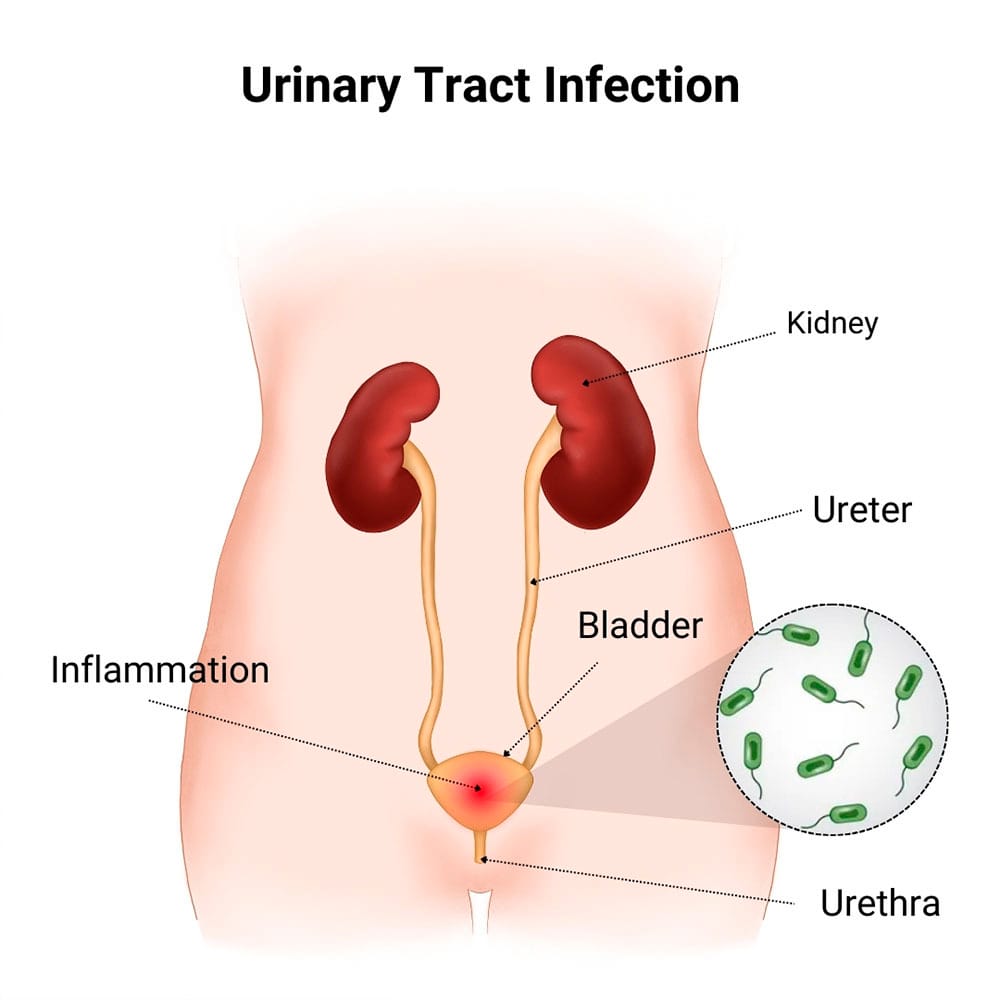
The urinary tract encompasses the kidneys, ureters, bladder, and urethra. Each part plays a specific role in the production, transport, storage, and elimination of urine. When any part of this delicate system is compromised by disease, it can lead to a range of uncomfortable and potentially serious health issues. While the fundamental principles of urinary tract health remain constant, the way we access information about these conditions and even the ways we manage them are being profoundly influenced by technology, brand messaging, and financial considerations.
This exploration will delve into the nature of urinary tract diseases, examining their common manifestations, underlying causes, and the impact of various factors on diagnosis and management. We will also consider how the pervasive influence of technology, the strategic branding of healthcare information, and the financial implications of treatment intersect with our understanding and approach to these health concerns.
Understanding the Spectrum of Urinary Tract Diseases
Urinary tract diseases (UTDs) represent a broad category of conditions affecting any part of the urinary system. While the term can encompass a wide array of ailments, some are far more prevalent than others. Understanding the common culprits is the first step towards recognizing symptoms and seeking appropriate care.
The Pervasive Threat of Urinary Tract Infections (UTIs)
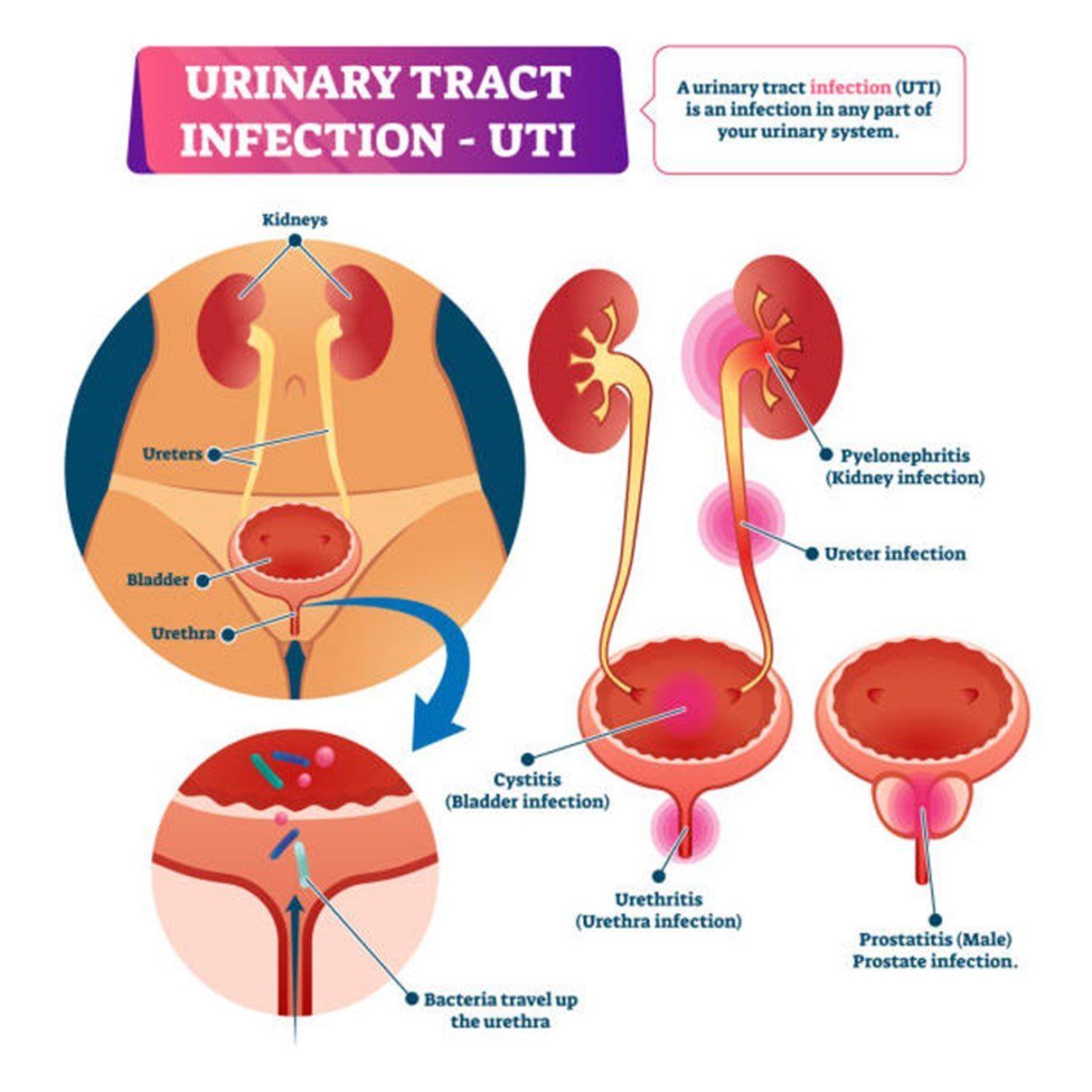
Perhaps the most commonly encountered urinary tract disease is the urinary tract infection (UTI). These infections typically occur when bacteria, most commonly Escherichia coli (E. coli) from the digestive tract, enter the urinary tract through the urethra and begin to multiply. While UTIs can affect any part of the urinary tract, they most frequently occur in the bladder, leading to a condition known as cystitis.
Symptoms and Severity of UTIs
The symptoms of a UTI can range from mild to severe and can significantly impact an individual’s quality of life. Common signs include:
- A strong, persistent urge to urinate: This feeling can be present even when the bladder is empty.
- A burning sensation when urinating: This is often one of the most distinct and discomforting symptoms.
- Passing frequent, small amounts of urine: Despite the urge, only a small volume of urine may be expelled.
- Cloudy urine: The urine may appear murky or milky.
- Strong-smelling urine: A foul odor can sometimes accompany a UTI.
- Pelvic pain: Especially in women, pain can be felt in the center of the pelvis and around the area of the pubic bone.
If left untreated, a UTI can ascend to the kidneys, causing a more serious infection known as pyelonephritis. Symptoms of kidney infection include fever, chills, nausea, vomiting, and flank pain (pain in the upper back and sides). Kidney infections require prompt medical attention as they can lead to permanent kidney damage or even sepsis, a life-threatening bloodstream infection.
Risk Factors and Prevention
While anyone can develop a UTI, certain factors increase an individual’s susceptibility. Women are more prone to UTIs than men due to their shorter urethra, which allows bacteria to reach the bladder more easily. Other risk factors include sexual activity, certain types of birth control, menopause, urinary tract abnormalities, and conditions that block urine flow, such as kidney stones.
Preventive measures for UTIs often involve lifestyle adjustments. These include drinking plenty of fluids, particularly water, to help flush bacteria out of the urinary tract; urinating frequently and emptying the bladder completely; wiping from front to back after using the toilet to prevent the spread of bacteria from the anal region; and considering hygiene practices around sexual activity.
Beyond Infections: Other Urinary Tract Diseases
While UTIs are common, they represent just one facet of urinary tract disease. A range of other conditions can affect the kidneys, ureters, bladder, and urethra, each with its unique causes and consequences.
Kidney Stones: The Painful Crystallization
Kidney stones are hard deposits made of minerals and salts that form inside the kidneys. They can develop when urine becomes concentrated, allowing minerals to crystallize and stick together. While small kidney stones may pass through the urinary tract without causing symptoms, larger stones can cause excruciating pain as they move through the ureters.
The classic symptom of a kidney stone is severe pain in the side and back, below the ribs, that radiates to the lower abdomen and groin. This pain can come in waves and fluctuate in intensity. Other symptoms may include pain or burning during urination, pink, red, or brown urine, cloudy or foul-smelling urine, and nausea and vomiting.
Treatment for kidney stones varies depending on their size and location. Small stones may pass on their own with increased fluid intake and pain medication. Larger stones may require medical procedures to break them up or remove them, such as lithotripsy or surgery. Dietary changes and increased hydration are crucial for preventing recurrent stone formation.
Bladder Control Issues: When the System Fails to Hold
Problems with bladder control, collectively known as urinary incontinence, are another significant urinary tract disease. This condition involves the involuntary leakage of urine and can have a profound impact on an individual’s social life, self-esteem, and overall well-being.
There are several types of urinary incontinence, including:
- Stress incontinence: Occurs during physical activity that puts pressure on the bladder, such as coughing, sneezing, or exercising.
- Urge incontinence: Characterized by a sudden, strong urge to urinate followed by involuntary leakage. This is often associated with an overactive bladder.
- Overflow incontinence: Happens when the bladder doesn’t empty completely, leading to leakage when the bladder is full.
- Functional incontinence: Occurs when a physical or mental impairment prevents timely access to a toilet.
Causes of incontinence are diverse and can include pregnancy, childbirth, menopause, prostate problems, neurological disorders, and certain medications. Treatment strategies range from lifestyle modifications and pelvic floor exercises to medication and surgical interventions, depending on the underlying cause.
Chronic Kidney Disease (CKD): A Gradual Decline
Chronic kidney disease (CKD) refers to the gradual loss of kidney function over time. When CKD reaches an advanced stage, dangerous levels of fluid, electrolytes, and wastes can build up in the body, potentially leading to serious complications.
CKD often develops slowly and silently, with few or no symptoms in its early stages. As the disease progresses, individuals may experience:
- Fatigue and weakness
- Swelling in the legs, ankles, and feet
- Shortness of breath
- Nausea and vomiting
- Changes in urination (e.g., frequent urination, especially at night, or less frequent urination)
- High blood pressure that is difficult to control

The primary causes of CKD include diabetes and high blood pressure, which can damage the blood vessels in the kidneys. Other causes include glomerulonephritis (inflammation of the kidney’s filtering units), polycystic kidney disease, and prolonged obstruction of the urinary tract. Management of CKD focuses on slowing its progression, managing underlying conditions, and treating complications. In severe cases, dialysis or kidney transplantation may be necessary.
Navigating Health Information and Choices in the Digital Landscape
The way we access, process, and act upon health information has been dramatically reshaped by technology. From initial symptom checkers to online communities and digital health platforms, the internet provides an unprecedented volume of resources. However, this digital deluge also presents challenges, demanding a critical approach to information and a discerning eye for reliable sources.
The Role of Tech in Diagnosis and Management
Technology plays an increasingly vital role in every stage of urinary tract disease management.
Diagnostic Tools and AI
Advanced diagnostic tools, powered by artificial intelligence (AI) and sophisticated imaging techniques, are revolutionizing how UTIs and other urinary tract diseases are detected. AI algorithms can analyze medical images with remarkable accuracy, identifying subtle anomalies that might be missed by the human eye. In the realm of infectious diseases, AI is being explored for rapid pathogen identification, potentially leading to faster and more targeted antibiotic treatments for UTIs. Wearable technology, while not yet a primary diagnostic tool for UTIs, is showing promise in monitoring physiological indicators that could signal early signs of illness or track treatment effectiveness.
Digital Health Platforms and Telemedicine
Telemedicine has emerged as a game-changer, particularly for conditions like UTIs that can often be diagnosed and treated remotely. Patients can consult with healthcare providers via video calls, receive prescriptions electronically, and have medications delivered. This convenience is invaluable, especially for individuals with mobility issues or those living in remote areas. Digital health platforms also offer educational resources, symptom trackers, and medication reminders, empowering patients to take a more active role in their care.
Cybersecurity and Data Privacy
As health information moves increasingly online, the importance of digital security and data privacy cannot be overstated. Sensitive medical records, including urinary tract health, must be protected from unauthorized access. Robust cybersecurity measures are essential for healthcare providers and patients alike to ensure that personal health information remains confidential and secure. Understanding the privacy policies of digital health apps and platforms is crucial before sharing any personal data.
The Influence of Brand and Marketing on Healthcare Perceptions
In the digital age, the branding of healthcare services, products, and even health information itself can significantly influence public perception and decision-making. This extends to how we understand and approach urinary tract diseases.
Strategic Messaging in Healthcare
Healthcare organizations, pharmaceutical companies, and even individual practitioners employ sophisticated branding strategies to communicate their expertise, build trust, and attract patients. This can range from the sleek design of a hospital website to the compelling narrative of a public health campaign. The way information about UTIs or kidney stone treatments is presented, the tone of the messaging, and the visual elements used all contribute to shaping how individuals perceive the severity of a condition and the effectiveness of available treatments.
Marketing of Treatments and Products
The marketing of medications, supplements, and diagnostic kits related to urinary tract health is a significant industry. Companies invest heavily in advertising, often leveraging testimonials, celebrity endorsements, or scientific-sounding jargon to promote their offerings. It’s important for consumers to critically evaluate these marketing efforts, distinguishing between evidence-based treatments and promotional claims. Understanding the underlying science and consulting with healthcare professionals should always be the priority when making decisions about health.
Building Trust in a Sea of Information
With the vastness of online health information, the “brand” of a trusted medical institution or a reputable health organization becomes a beacon. Case studies showcasing successful patient outcomes, transparent communication about research, and a clear commitment to patient well-being all contribute to building brand loyalty and trust. Conversely, poorly branded or unverified sources can spread misinformation, leading to confusion and potentially harmful self-treatment.
Financial Considerations in Urinary Tract Health
The financial implications of urinary tract diseases are multifaceted, ranging from the cost of preventative measures and over-the-counter remedies to the significant expenses associated with chronic conditions and advanced treatments. Understanding personal finance and healthcare economics is essential for navigating these costs effectively.
The Cost of Treatment and Prevention
The cost of treating urinary tract diseases can vary dramatically. A simple UTI might incur the cost of a doctor’s visit and a prescription for antibiotics. However, recurrent UTIs can lead to significant cumulative costs over time. Kidney stones can involve expensive procedures, while chronic kidney disease may necessitate lifelong dialysis or the substantial cost of a kidney transplant.
Prevention also has financial implications. While adopting healthy lifestyle habits like increased hydration and proper hygiene has no direct monetary cost, some individuals may invest in supplements or specialized products that they believe will aid in prevention. For those with a history of UTIs, recurrent purchases of cranberry supplements or probiotics are common.
Investing in Long-Term Health
From a personal finance perspective, investing in long-term health is a wise strategy. This includes prioritizing regular medical check-ups, which can help detect urinary tract issues in their early, more treatable stages. Understanding health insurance policies and how they cover treatments for urinary tract diseases is also crucial. For individuals managing chronic conditions like CKD, developing a financial plan that accounts for ongoing medical expenses, potential loss of income, and the costs associated with supportive care is essential.
Business and Financial Models in Healthcare
The business models of healthcare providers, pharmaceutical companies, and insurance providers all play a role in the accessibility and affordability of urinary tract disease treatments. Understanding these financial structures can shed light on why certain treatments are more readily available or more expensive than others. For individuals seeking to improve their financial literacy in the context of healthcare, resources that explain insurance options, government assistance programs, and strategies for managing medical debt are invaluable. Exploring side hustles or additional income streams might also become necessary for some individuals facing significant and ongoing medical expenses.
Conclusion: Empowering Yourself Through Knowledge and Proactive Care
Urinary tract diseases encompass a wide spectrum of conditions, from the common and often treatable UTI to more complex and chronic ailments like kidney stones and chronic kidney disease. In our modern, digitally-driven world, understanding these diseases requires a holistic approach that integrates medical knowledge with an awareness of technological advancements, the influence of branding in healthcare, and the critical financial considerations involved in maintaining our well-being.
By arming ourselves with accurate information, critically evaluating the sources we encounter, and proactively engaging with healthcare professionals, we can navigate the complexities of urinary tract health with greater confidence. Whether it’s adopting preventive lifestyle habits to ward off infections, understanding the diagnostic tools that technology offers, or planning for the financial realities of long-term care, knowledge is our most powerful ally. Ultimately, fostering a proactive and informed approach to our urinary tract health is an investment in our overall well-being and a vital component of a healthy and fulfilling life.
aViewFromTheCave is a participant in the Amazon Services LLC Associates Program, an affiliate advertising program designed to provide a means for sites to earn advertising fees by advertising and linking to Amazon.com. Amazon, the Amazon logo, AmazonSupply, and the AmazonSupply logo are trademarks of Amazon.com, Inc. or its affiliates. As an Amazon Associate we earn affiliate commissions from qualifying purchases.