
The question “What is the show Yellowjackets about?” has captivated audiences, sparking countless discussions and theories. While at its core a compelling survival drama with elements of horror and mystery, Yellowjackets offers a surprisingly rich tapestry that can be analyzed through lenses relevant to technology, brand building, and even financial resilience. This article delves into the multifaceted nature of the show, exploring its narrative, character arcs, and thematic underpinnings, all while considering how its elements resonate with the interests of our tech-forward, brand-aware, and financially mindful readership.

The Premise: A Dual Timeline of Survival and its Lingering Aftermath
At its heart, Yellowjackets chronicles the harrowing ordeal of a high school girls’ soccer team whose plane crashes in the remote Canadian wilderness in 1996. Stranded for 19 months, they must confront not only the brutal realities of survival – hunger, cold, and the constant threat of the wild – but also the darker, more primal aspects of human nature that emerge under extreme duress. The show masterfully weaves this survival narrative with a present-day timeline, following the adult survivors as they grapple with the lingering trauma, unspoken secrets, and the psychological scars that continue to haunt them decades later.
This dual-timeline structure is a narrative innovation that allows for a dynamic exploration of cause and effect. The choices made in the wilderness, often born of desperation and instinct, have profound and often destructive consequences for the adult characters. It’s a stark reminder that our past actions, particularly those undertaken in extreme circumstances, can shape our present identities and relationships in ways we may not fully comprehend or control.
The Wilderness as a Brutal Editor: Survival and its Unforeseen Technological Dependencies
While the 1996 timeline is devoid of the advanced technology we take for granted today, the Yellowjackets‘ struggle highlights a fundamental dependence on even the most basic forms of technology for survival. The remnants of the plane itself become a critical resource: seat cushions for insulation, metal shards for makeshift tools, and even the fuselage for shelter. The ingenuity displayed by the girls in repurposing these salvaged items is a testament to human adaptability, but it also underscores how much we rely on manufactured objects for our basic needs.
Consider the role of digital security in a modern survival scenario. In 1996, communication was limited to radio signals and whatever could be salvaged from the plane’s communication equipment. Today, a lost group might have GPS devices, satellite phones, or even be able to leverage cell phone signals in unexpected ways. The Yellowjackets‘ struggle, however, predates widespread mobile phone adoption and reliable GPS technology. Their survival hinges on practical, low-tech solutions: fire-starting, hunting, and foraging. This can serve as a thought-provoking parallel for our own lives. How dependent are we on the digital tools we often consider essential? What happens when the Wi-Fi goes down, or our batteries die? The show prompts us to consider our own “survival skills” in a world saturated with technology.
The productivity theme also emerges here, albeit in a primal form. The girls must organize themselves, delegate tasks, and establish routines to maximize their chances of survival. They are forced to be incredibly productive with limited resources and time. This can be a powerful lesson for us in our own lives. Are we effectively utilizing our time and resources, or are we becoming complacent due to the abundance and convenience offered by modern technology? The Yellowjackets remind us that resourcefulness and a strong work ethic, even in its most basic manifestations, are crucial for success.
The Adult Survivors: Navigating Lingering Trauma and the Construction of Personal Brands
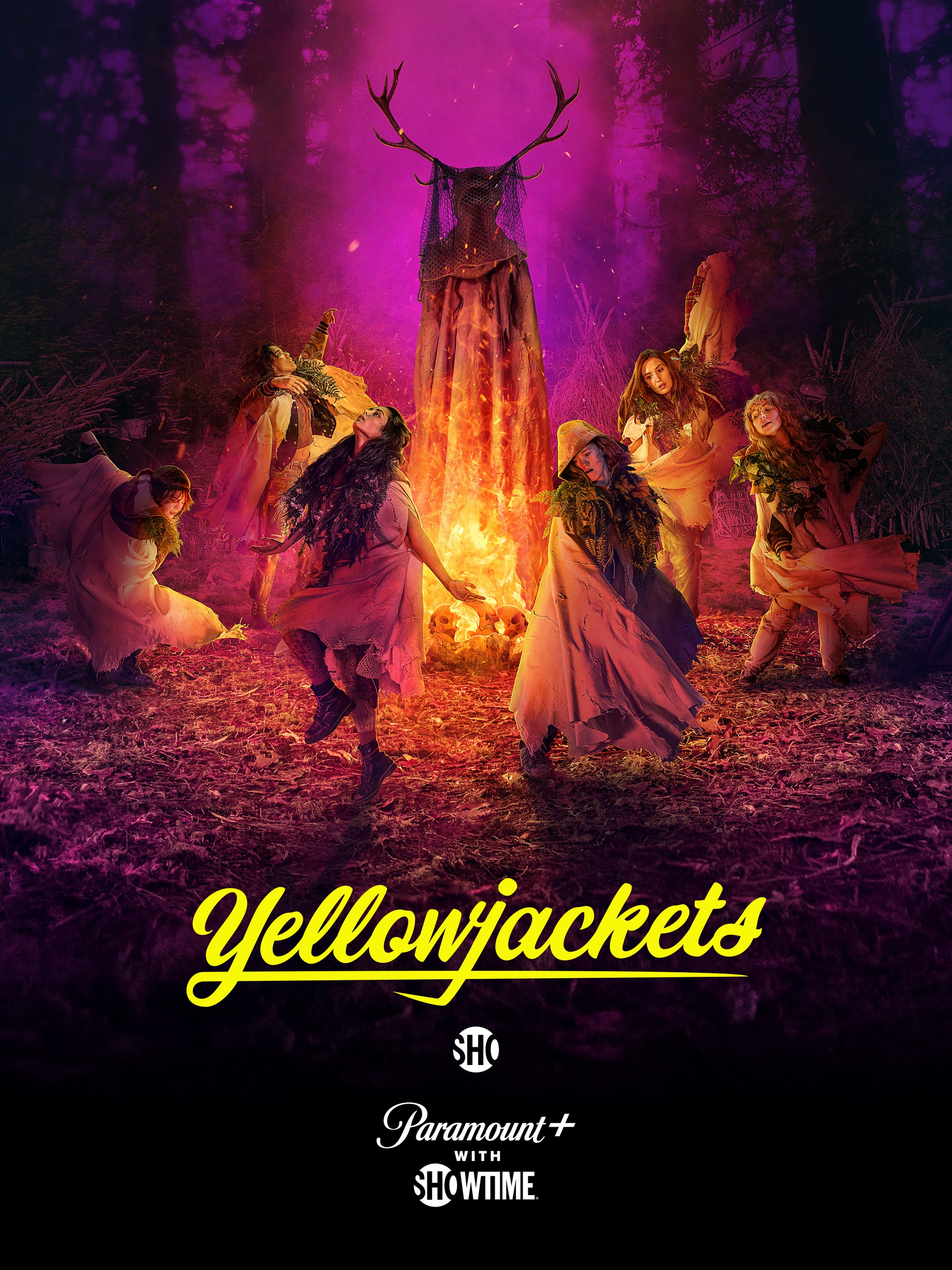
The present-day storyline of Yellowjackets is where the show truly shines a spotlight on the psychological aftermath of trauma and the complex ways individuals cope, or fail to cope, with their past. The adult survivors, now in their late thirties and forties, are each living vastly different lives, yet all are deeply affected by their shared experience. This is where the concept of personal branding becomes eerily relevant.
Each adult survivor has, in their own way, constructed a persona to navigate the world and shield themselves from the gnawing reality of what happened in the wilderness. We see characters who have achieved significant professional success, built seemingly stable families, or retreated into isolation. These carefully curated lives often serve as a façade, masking the deep-seated trauma and the unresolved issues that continue to plague them.
Think about Shauna, who channels her repressed rage into a seemingly mundane suburban existence, or Misty, whose compulsive need for control and attention manifests in manipulative and unsettling ways. Taissa, a rising politician, projects an image of strength and stability, yet is tormented by disturbing visions and erratic behavior. These are not just characters; they are case studies in how individuals attempt to rebrand themselves after immense upheaval, often with limited success.
The show asks us to consider: how much of our own identity is a deliberate construction, a “brand” we present to the world? Are we consciously building a personal brand that aligns with our values, or are we unconsciously creating a persona that is a byproduct of our past experiences and coping mechanisms? The reputation of these characters is constantly under threat, not just from external scrutiny, but from the internal demons that refuse to stay buried. Their past actions in the wilderness, if revealed, would undoubtedly tarnish their carefully built present-day images. This highlights the importance of authenticity and integrity, even when the temptation to create a misleading narrative is strong.
Furthermore, the show subtly touches upon corporate identity in a broader sense. The team itself, before the crash, represented a united front, a shared goal. The disintegration of that unity in the wilderness and its subsequent fractured existence in adulthood mirrors how organizations can suffer from internal strife and a loss of cohesion, impacting their overall “brand” and public perception.

Financial Scars and the Pursuit of Stability: Money and the Impact of Trauma
While not explicitly a financial drama, Yellowjackets offers a compelling, albeit grim, exploration of how extreme trauma can impact an individual’s financial well-being and their perception of personal finance. The survivors’ post-wilderness lives are often characterized by a desperate pursuit of stability, which in many cases, translates to a need for financial security.
For some, this manifests as an almost obsessive drive for online income or side hustles, an attempt to gain control and independence in a world that once stripped them of everything. Others might exhibit a deep-seated fear of scarcity, leading to hoarding or a reluctance to spend, even when financially capable. The lack of clear, defined financial tools and guidance for individuals dealing with such profound psychological damage means they often fall back on instinctual behaviors, which can be both beneficial and detrimental to their financial health.
Consider the psychological impact of surviving extreme deprivation. This can lead to a distorted relationship with money. Some survivors might feel entitled to a certain level of comfort after what they endured, while others might be perpetually on edge, fearing a return to a state of vulnerability. The show doesn’t offer easy answers or financial advice, but it does serve as a stark reminder that financial security is not solely about income and investments; it’s deeply intertwined with our emotional and psychological well-being.
The business finance aspect can be viewed through the lens of rebuilding lives and careers from scratch. The survivors are essentially starting over, having missed crucial years of development and networking. Their past trauma can hinder their ability to form trusting relationships essential for business ventures or to take calculated risks in their investments. The inherent uncertainty they’ve experienced might make them overly risk-averse, potentially limiting their financial growth.
Ultimately, Yellowjackets uses its compelling narrative to explore the enduring power of the past on the present. It’s a show that rewards deep analysis, prompting viewers to consider not just the thrilling plotlines, but also the underlying themes of resilience, the construction of identity, and the often-invisible impact of trauma on our lives. For those interested in technology, brand building, and financial well-being, Yellowjackets offers a unique and thought-provoking perspective, reminding us that even in the most extreme circumstances, the human drive to survive, adapt, and perhaps even thrive, remains remarkably persistent.
aViewFromTheCave is a participant in the Amazon Services LLC Associates Program, an affiliate advertising program designed to provide a means for sites to earn advertising fees by advertising and linking to Amazon.com. Amazon, the Amazon logo, AmazonSupply, and the AmazonSupply logo are trademarks of Amazon.com, Inc. or its affiliates. As an Amazon Associate we earn affiliate commissions from qualifying purchases.