
In an increasingly health-conscious world, terms like “low GI” are becoming more prevalent, not just in nutritional circles but also within broader discussions concerning personal well-being and economic stability. While often perceived purely as a dietary concept, understanding what low GI entails reveals a powerful intersection with personal finance, business opportunities, and strategic investing. Far from being a mere health trend, the Glycemic Index (GI) and its low-ranking foods present a unique lens through which to view financial prudence, entrepreneurial innovation, and the astute allocation of capital. This article delves into the multi-faceted financial implications of the low GI concept, positioning it as a cornerstone for both individual wealth management and market-driven prosperity.

Understanding the Low GI Concept: More Than Just a Diet, It’s a Financial Strategy
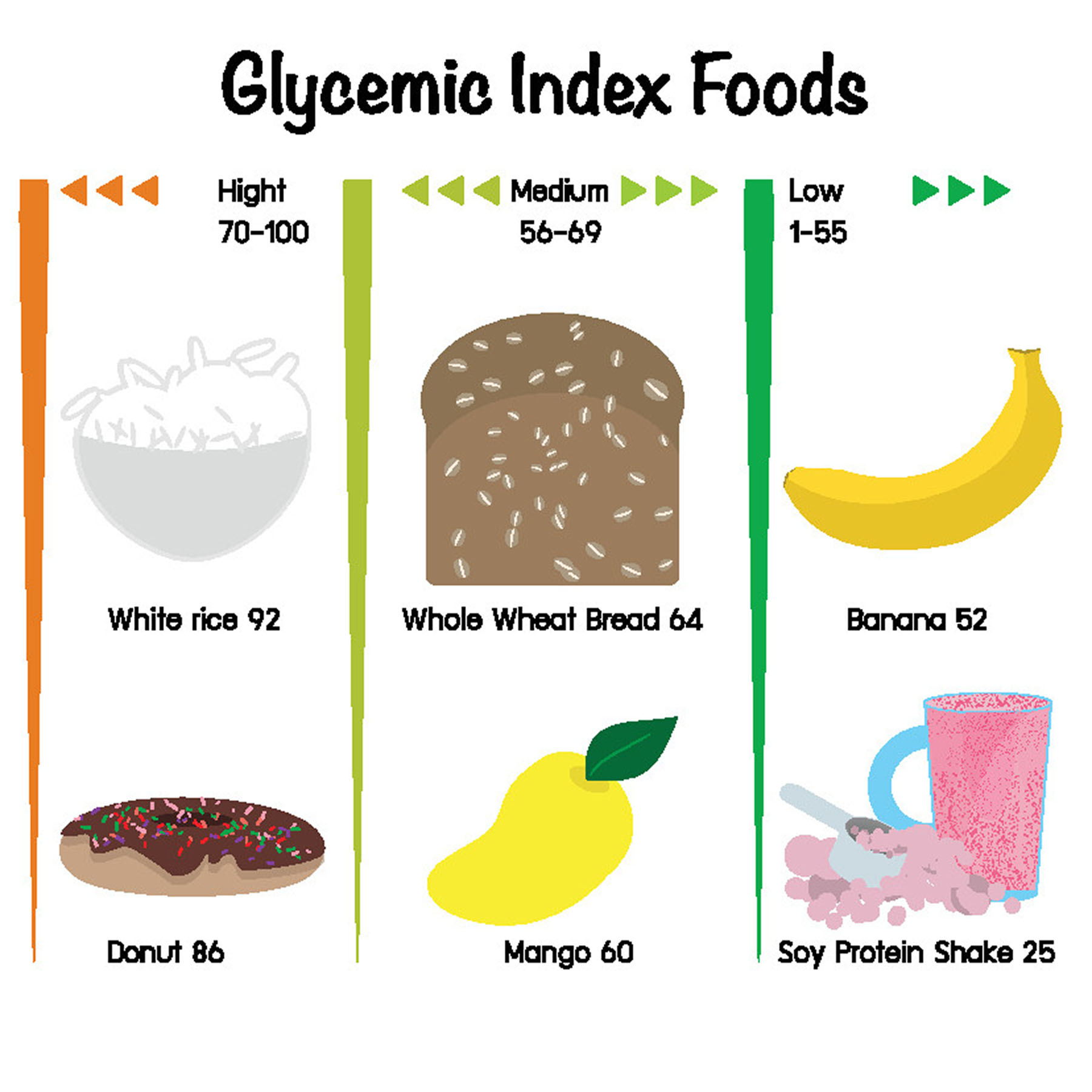
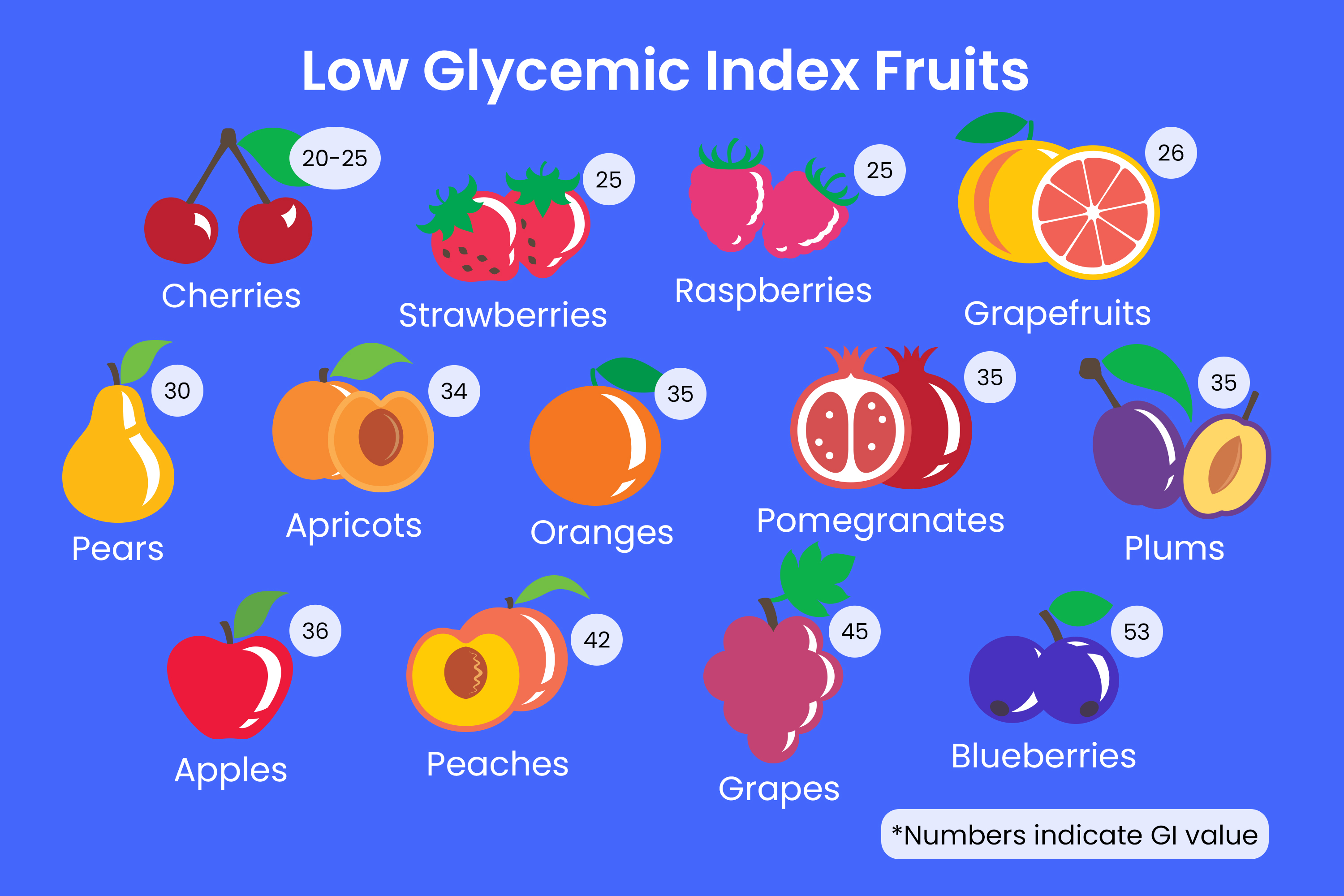
At its core, the Glycemic Index (GI) is a numerical ranking system that measures how quickly carbohydrate-containing foods raise blood glucose levels. Foods with a high GI are rapidly digested and absorbed, leading to a quick and often significant spike in blood sugar. Conversely, low GI foods are broken down slowly, resulting in a more gradual and sustained release of glucose into the bloodstream. Examples of low GI foods include most vegetables, fruits, legumes, nuts, and whole grains, while high GI foods often encompass refined carbohydrates like white bread, sugary drinks, and certain processed snacks.
The immediate health benefits of a low GI diet are well-documented: improved blood sugar control, enhanced satiety, sustained energy levels, and reduced risk factors for chronic diseases such as type 2 diabetes, heart disease, and certain cancers. However, these health outcomes are not isolated; they ripple through an individual’s financial landscape and present tangible economic opportunities. Viewing a commitment to a low GI lifestyle as a proactive financial strategy involves recognizing that robust health is an invaluable asset, directly impacting long-term financial stability and opening avenues for income generation.
The Science of Glycemic Index and Its Impact on Health Costs
The scientific underpinning of the GI concept highlights its profound relevance to healthcare costs. Chronic diseases, many of which are exacerbated by poor dietary choices including frequent consumption of high GI foods, represent a colossal burden on national economies and individual finances. Conditions like type 2 diabetes, for instance, demand ongoing medical consultations, expensive medications, frequent monitoring, and potential emergency care, often leading to substantial out-of-pocket expenses even with insurance. The complications associated with poorly managed diabetes—neuropathy, retinopathy, kidney disease, and cardiovascular issues—can necessitate surgeries, long-term care, and a significant reduction in quality of life, all of which carry hefty price tags.
By prioritizing a low GI diet, individuals can significantly mitigate their risk of developing or worsening these conditions. This proactive approach acts as a preventative financial measure, effectively reducing the likelihood of incurring future medical debt or high treatment costs. From a personal finance perspective, investing in low GI foods is akin to investing in a high-yield, long-term health insurance policy, where the returns are manifested as fewer doctor visits, less reliance on medication, and a healthier, more productive life.
Long-Term Health as a Financial Asset
Consider health as a fundamental financial asset. A healthy individual is more likely to be productive in their career, experience fewer sick days, maintain higher energy levels for work and personal endeavors, and potentially extend their working years. Conversely, chronic illness can lead to decreased work capacity, career stagnation, early retirement, or even the inability to work altogether, devastating personal income and savings.
A low GI diet, by promoting stable blood sugar and overall metabolic health, contributes directly to the preservation and enhancement of this vital financial asset. The sustained energy from low GI foods can boost focus and productivity, indirectly supporting career advancement and earning potential. Furthermore, avoiding debilitating health conditions frees up financial resources that would otherwise be allocated to medical expenses, allowing for greater savings, investment, or discretionary spending. This strategic link between dietary choices and financial outcomes transforms “what is low GI” into a question of financial foresight and wealth preservation.
Personal Finance and Low GI: Budgeting for Wellness
Integrating low GI principles into personal finance involves more than just understanding the health benefits; it requires strategic budgeting and conscious consumer choices. Many perceive healthy eating, particularly specialized diets, as inherently expensive. However, a thoughtful approach to low GI eating can be both budget-friendly and highly effective in reducing future financial burdens associated with poor health.
Cost-Benefit Analysis of Low GI Food Choices
At first glance, some low GI foods, especially organic or niche health products, might appear more expensive than their high GI counterparts. However, a comprehensive cost-benefit analysis reveals a different picture. For example, opting for whole grains, legumes, and fresh vegetables often costs less per serving than highly processed, packaged foods, which are frequently high in sugar and refined carbohydrates. Lentils, beans, oats, and seasonal produce are typically inexpensive and form the backbone of a low GI diet.
The true financial benefit emerges when considering the long-term impact on healthcare. A diet rich in low GI foods can significantly delay or prevent the onset of chronic diseases, saving tens of thousands of dollars in medical bills, prescriptions, and lost income over a lifetime. This preventative spending is a highly effective form of financial planning, where a modest investment in quality nutrition today yields substantial returns in future health and financial stability. Moreover, by reducing cravings and promoting satiety, a low GI diet can also cut down on impulse purchases of unhealthy snacks and takeout, leading to further savings.
Reducing Future Healthcare Expenses Through Proactive Eating
The concept of “health savings accounts” and “flexible spending accounts” highlights the financial industry’s recognition of healthcare costs. A low GI diet can be seen as an informal, yet highly effective, “health savings strategy.” By actively choosing foods that minimize inflammation, stabilize blood sugar, and support cardiovascular health, individuals are proactively managing their largest potential financial drains: medical emergencies and chronic disease management.
Consider the cumulative cost of managing conditions like hypertension, obesity, or pre-diabetes over several decades. These costs encompass not only direct medical expenses but also indirect costs such as reduced productivity, caregiver burden, and diminished quality of life. Embracing a low GI lifestyle is a powerful tool to mitigate these expenses, transforming daily dietary choices into actionable financial decisions that secure one’s economic future. It’s an investment in a healthier self, yielding dividends in reduced medical expenditures and increased financial freedom.
Entrepreneurial Opportunities in the Low GI Market
Beyond individual financial planning, the growing awareness of the GI concept has spurred significant entrepreneurial activity and created lucrative market niches. The demand for healthier, functional foods is expanding, and businesses that can cater to consumers seeking low GI options are well-positioned for growth. This sector offers diverse opportunities, from content creation and coaching to product development and specialized retail.
Online Income Streams: Coaching, Content, and Affiliate Marketing
The digital age has democratized entrepreneurship, allowing individuals to monetize their expertise and passion for low GI living.
- Low GI Coaching and Consulting: Certified nutritionists, dietitians, or even experienced individuals can offer personalized coaching services. This might involve one-on-one consultations, group workshops, or online courses focused on meal planning, recipe development, and lifestyle adjustments for a low GI diet. The scalability of online coaching allows for a wide reach and significant income potential.
- Content Creation: Blogs, YouTube channels, podcasts, and social media platforms dedicated to low GI recipes, meal prep, scientific explanations, and success stories can generate income through advertising, sponsored content, and direct sales of digital products (e.g., e-cookbooks, meal planners). Building an engaged audience around the “what is low GI” topic allows for multiple monetization avenues.
- Affiliate Marketing: Partnering with brands that produce low GI-friendly products (e.g., specialized flours, sweeteners, supplements, kitchen gadgets) allows content creators to earn commissions on sales generated through their unique links. This passive income stream leverages existing content and trust with an audience seeking specific solutions.
These online ventures require minimal initial capital compared to traditional businesses, making them attractive for aspiring entrepreneurs looking to tap into the burgeoning health and wellness market.
Business Finance for Low GI Product Development and Marketing
For more ambitious entrepreneurs, the low GI market presents opportunities for product innovation and brand development. This could involve:
- Developing Low GI Food Products: Creating new food items such as low GI breads, pastas, snacks, or ready-to-eat meals. This requires research and development, sourcing appropriate ingredients (e.g., alternative flours like almond or coconut flour, natural low GI sweeteners), and navigating food safety regulations. Funding for such ventures might come from angel investors, venture capitalists, or even crowdfunding campaigns targeting health-conscious consumers.
- Specialized Catering and Meal Delivery Services: Offering low GI meal plans tailored for individuals, families, or corporate clients. This taps into the convenience market while addressing specific dietary needs. Business finance here would focus on kitchen setup, ingredient sourcing, logistics, and marketing to target demographics.
- Low GI Restaurants and Cafes: Establishing eateries that prioritize low GI ingredients and cooking methods. This caters to a growing segment of the population looking for healthy dining options outside the home. Investment would be substantial, covering real estate, equipment, staffing, and sophisticated marketing to build brand identity.
Successful entry into these markets demands a solid business plan, a deep understanding of consumer preferences, and robust financial projections. Companies that can effectively communicate the “what is low GI” value proposition and deliver high-quality products will capture significant market share.
Investing in the Low GI Economy: From Stocks to Startups
The financial implications of the low GI trend extend into the world of investing, offering opportunities for those seeking to align their portfolios with health-driven market shifts. As consumer awareness grows and demand for healthier options intensifies, companies catering to the low GI lifestyle are poised for significant growth, providing fertile ground for astute investors.
Identifying Growth Sectors in Health-Conscious Food Industries
Investors interested in the low GI economy can explore several key sectors:
- Whole Grains and Legumes Processors: Companies specializing in processing and packaging whole grains (oats, quinoa, barley) and legumes (lentils, chickpeas) stand to benefit. These staples are fundamental to a low GI diet.
- Alternative Flour and Sweetener Producers: As consumers seek alternatives to refined white flour and high-fructose corn syrup, companies producing almond flour, coconut flour, erythritol, stevia, or monk fruit sweeteners will see increased demand.
- Healthy Snack and Beverage Manufacturers: Brands offering low GI-certified snacks, unsweetened beverages, or functional foods designed to stabilize blood sugar.
- Nutritional Supplement Companies: Firms that develop and market supplements supporting metabolic health or blood sugar regulation, often complementary to a low GI diet.
- Meal Kit and Delivery Services: Companies that offer healthy, customizable meal kits, particularly those with low GI options, can attract a growing subscriber base.
Analyzing market trends, consumer reports, and scientific advancements in nutrition can help investors identify promising companies within these sectors. The focus should be on companies with strong R&D, robust supply chains, effective marketing strategies, and a clear commitment to health and wellness principles.
Sustainable Investing with a Health Focus
Investing in the low GI economy aligns strongly with principles of sustainable and impact investing. These investments often reflect a commitment to environmental, social, and governance (ESG) factors, where supporting companies that promote public health is a significant social component. By investing in businesses that make low GI foods accessible and affordable, investors are not only seeking financial returns but also contributing to improved public health outcomes, reduced healthcare burdens, and a more sustainable food system.
This approach appeals to a growing segment of investors who seek to make a positive societal impact alongside financial gain. The concept of “what is low GI” thus transcends individual dietary choices and becomes a pillar for conscious capital allocation, driving both personal prosperity and broader societal well-being. From managing personal health to identifying market opportunities and making informed investment decisions, understanding the Glycemic Index proves to be a valuable financial tool for the future.
aViewFromTheCave is a participant in the Amazon Services LLC Associates Program, an affiliate advertising program designed to provide a means for sites to earn advertising fees by advertising and linking to Amazon.com. Amazon, the Amazon logo, AmazonSupply, and the AmazonSupply logo are trademarks of Amazon.com, Inc. or its affiliates. As an Amazon Associate we earn affiliate commissions from qualifying purchases.