
Lottery numbers are the beating heart of one of the world’s oldest and most widespread forms of gambling. At their core, they represent a set of numerical selections that, when matched against a randomly generated draw, determine eligibility for a prize, often a life-altering sum of money. For millions, these seemingly arbitrary digits embody hope, a fleeting dream of financial freedom, and an escape from the daily grind. But beyond the simple act of picking numbers, what truly defines them, how do they operate within the broader financial landscape, and what strategic — or non-strategic — considerations surround them? This article delves into the intricate world of lottery numbers, exploring their mechanics, psychological draw, financial implications, and societal impact, all firmly within the realm of personal and public finance.

The Mechanics of Lottery Numbers: A System of Chance
Understanding lottery numbers begins with grasping the system designed to generate and validate them. It’s a system built entirely on the principles of probability and randomness, meticulously structured to ensure fairness, albeit with astronomical odds against individual success.
Randomness and Probability: The Unyielding Core
Every lottery system hinges on the concept of random number generation. Whether through physical mechanisms like air-mixing machines tumbling numbered balls or sophisticated digital algorithms, the goal is to produce a sequence of numbers where each number has an equal chance of being selected in each draw. This absolute randomness is crucial for the integrity of the game.
Probability then dictates the likelihood of a specific set of numbers being drawn. In a typical “pick-6” lottery where you choose 6 numbers from a pool of 49, the odds of matching all six are roughly 1 in 13.9 million. Introduce larger number pools, bonus balls, or additional game features (like the Powerball or Mega Millions systems in the US), and these odds quickly skyrocket into hundreds of millions or even billions. From a financial perspective, this means the “expected value” of a lottery ticket – the average return you’d expect per ticket over an infinite number of plays – is almost always negative, and often significantly so. Participants are essentially paying a small fee for a chance at an extremely rare, high payoff, with the vast majority of money collected going towards prizes and administrative costs, and importantly, public funding.
Common Lottery Formats: Variations on a Numerical Theme
While the principle of random selection remains constant, lottery formats vary widely, influencing the complexity of number selection and the resulting odds.
- Lotto (e.g., 6/49): The classic format requires players to choose a specific number of unique digits (e.g., 6) from a larger pool (e.g., 1 to 49). Matching all chosen numbers to the drawn numbers, in any order, secures the jackpot.
- Bonus Ball Systems: Many lotteries add a “bonus” or “power” ball. Here, players select main numbers from one pool and an additional number from a smaller, separate pool. This significantly increases the number of possible combinations, driving up jackpot sizes and making the odds even longer. Examples include Powerball and Mega Millions in the US, and EuroMillions in Europe.
- Daily Number Games (e.g., Pick 3, Pick 4): These are simpler games where players choose a smaller set of digits (e.g., 3 or 4) and often have the option to play them “straight” (matching exact order) or “box” (matching any order). The odds are considerably better, but so are the payouts, offering smaller, more frequent wins.
Each format presents a different risk-reward profile, from the astronomically long shots of multi-jurisdictional games offering mega-jackpots to the more frequent, smaller wins of daily number draws. For the player, understanding these differences is key to comprehending the specific financial wager being made.
How Numbers Are Drawn: Ensuring Integrity
The credibility of a lottery hinges on the undeniable integrity of its draw process. Historically, and still commonly today, physical ball machines are used. These machines use compressed air to mix numbered balls in a transparent drum, with select balls then being drawn into individual chutes. This highly visible, mechanical process aims to convey absolute fairness and randomness to the public.
In contrast, many modern lotteries, particularly those online or associated with daily draws, utilize sophisticated Random Number Generators (RNGs). These are complex computer algorithms designed to produce sequences of numbers that exhibit true statistical randomness. RNGs undergo rigorous independent auditing and certification to ensure they are truly unbiased and unpredictable, preventing any manipulation or pattern exploitation. Both physical and digital methods serve the same financial purpose: to ensure that every participant’s chosen numbers face the same, fair, and incredibly low probability of success.
The Allure of Lottery Numbers: A Financial Perspective
The persistent popularity of lotteries, despite the overwhelming odds, is a testament to their powerful psychological and financial appeal. It taps into fundamental human desires related to wealth, aspiration, and the alleviation of financial stress.
The Dream of Instant Wealth: An Economic Fantasy
For many, lottery numbers represent the ultimate financial shortcut. The possibility of transforming a few dollars into millions, or even billions, without decades of saving, investing, or hard labor, is an intoxicating fantasy. This “dream of instant wealth” is meticulously cultivated through marketing campaigns that showcase lavish lifestyles, happy families, and solved financial woes, all attributed to a lottery win. From an economic standpoint, this represents an irrational but powerful utility for the consumer: the emotional value of the dream itself often outweighs the statistical improbability of its realization. The small cost of a ticket is seen not just as a wager, but as an investment in a week of hope, a psychological escape from financial pressures.
Small Investment, Potentially Huge Returns: The Lure of the Jackpot
The core financial proposition of the lottery is straightforward: a minimal outlay for a potentially astronomical return. A $2 or $3 ticket offers the chance to win tens or hundreds of millions of dollars. This asymmetric risk-reward profile is incredibly appealing, especially to those who feel their current financial circumstances offer limited avenues for significant upward mobility. It’s an investment vehicle that requires no prior financial knowledge, no significant capital, and no ongoing management – just a lucky guess.
However, this “investment” is fundamentally different from traditional financial instruments. Unlike stocks, bonds, or real estate, where careful analysis and strategic decisions can influence outcomes, the lottery is pure chance. The return on investment (ROI) for the vast majority of players is precisely zero, or negative when factoring in cumulative ticket purchases. The “huge returns” are reserved for a statistically insignificant few, making it an extremely high-risk, low-probability financial play for the individual, albeit a lucrative one for the lottery operators and public funds it supports.
Understanding Expected Value (And Why It’s Usually Negative)
In finance, “expected value” (EV) is a crucial concept for evaluating the long-term profitability of an investment or gamble. It’s calculated by multiplying each possible outcome by its probability and summing those values. For most lotteries, the expected value of a single ticket is significantly negative.
For example, if a $2 ticket offers a 1 in 100 million chance to win $200 million, the EV calculation would be more complex, accounting for smaller prizes, but the overall result would show that for every $2 spent, you’d expect to lose a certain amount in the long run. This negative EV is how lotteries generate revenue for states and prize pools. Participants are, in essence, contributing to public funds and the jackpots of others, with the understanding that their individual financial outlook is statistically poorer with each ticket purchased. An informed financial perspective would caution against regular lottery participation as a wealth-building strategy, categorizing it instead as a form of entertainment or a voluntary tax.
Common Misconceptions and Strategic Approaches (or Lack Thereof)
Despite the clear statistical realities, many players harbor misconceptions about lottery numbers and adopt various “strategies” that have no basis in probability or finance.
Debunking “Hot” and “Cold” Numbers
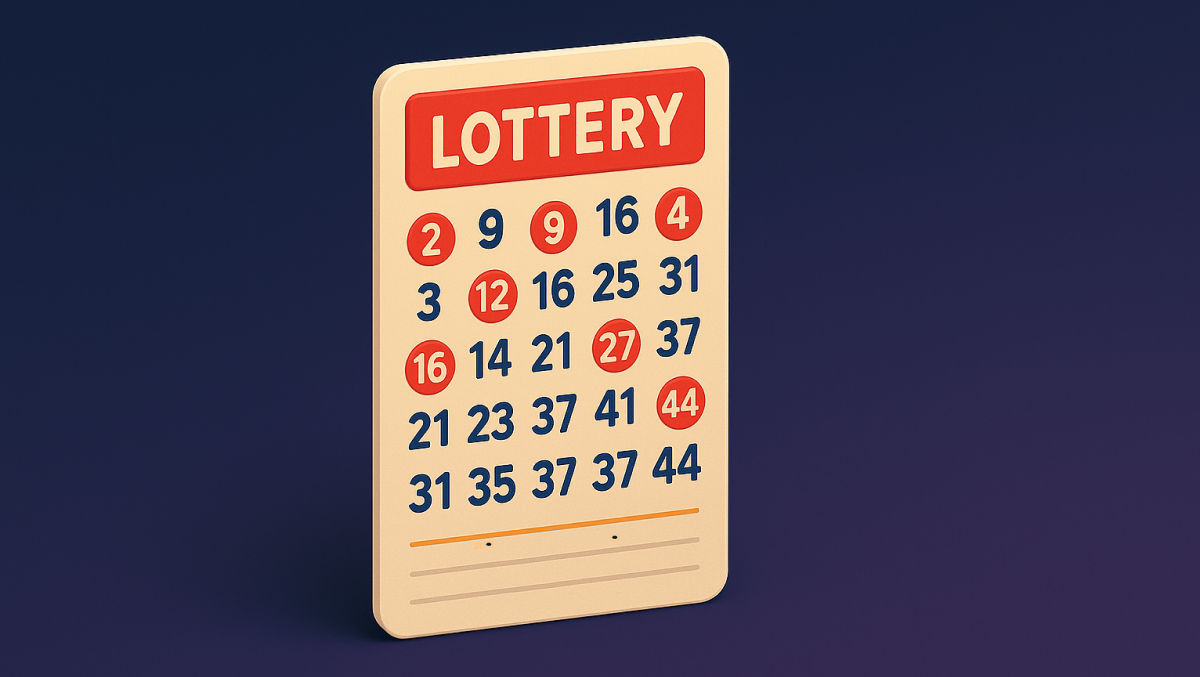
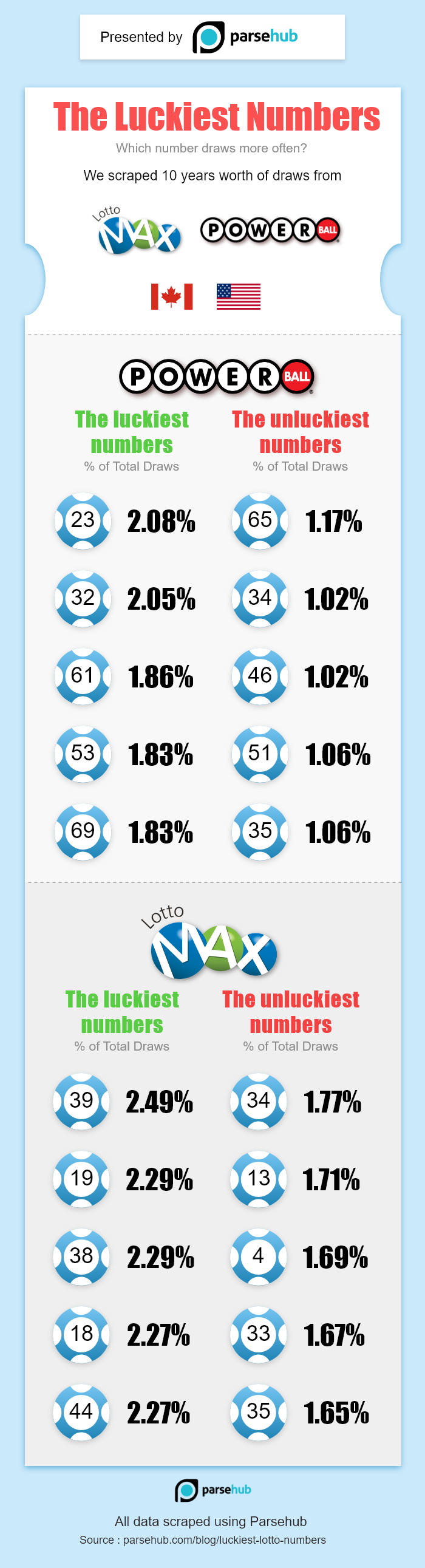
One of the most pervasive myths revolves around “hot” and “cold” numbers. Hot numbers are those that have appeared frequently in recent draws, leading some players to believe they are “due” to be drawn again. Cold numbers are those that haven’t appeared for a while, leading others to believe they are “due” to come up.
This belief fundamentally misunderstands randomness. Each lottery draw is an independent event. The machine or RNG has no memory of past draws. The probability of any given number being drawn is exactly the same in every single draw, regardless of how often it has appeared previously. Investing more in numbers based on their “hotness” or “coldness” is a statistically flawed approach and provides no financial advantage whatsoever. It’s a psychological bias, not a sound strategy.
The Fallacy of Number Patterns
Another common misconception is the belief that certain patterns exist or can be predicted. Players might pick numbers in sequences, diagonals, or based on birth dates, anniversaries, or other personal “lucky” numbers. While these numbers hold personal significance, they carry no special weight in the random draw. Picking 1, 2, 3, 4, 5, 6 has the exact same probability of being drawn as any other combination, including the one that actually wins the jackpot. The only potential “disadvantage” of picking very common patterns (like consecutive numbers or birth dates, which are limited to 31) is that if that combination does win, you might have to share the jackpot with more winners, thus reducing your individual payout. From a financial perspective, this would mean a lower expected return on your portion of the prize.
Quick Picks vs. Self-Selected Numbers: Does It Matter?
Many lotteries offer “Quick Pick” options, where the machine randomly generates numbers for the player. The question often arises: is a Quick Pick statistically better than self-selected numbers? The unequivocal answer is no. Since the underlying draw is entirely random, the method of number selection for your ticket has absolutely no bearing on the probability of those numbers being drawn. Both methods offer the exact same, minuscule odds of winning.
However, there’s a minor financial nuance. Self-selected numbers, especially those based on common patterns or significant dates, might be chosen by more players. If such a combination wins, the jackpot would be split among more individuals, reducing the financial windfall for each winner. Quick Picks tend to generate more diverse, less common combinations, which might (though not guaranteed) lead to fewer co-winners if that specific combination hits. This isn’t about increasing your chance of winning, but potentially maximizing your share of the prize if you do win.
Syndicate Play: Shared Dreams, Shared Costs
A more strategic approach for some, particularly among co-workers or friends, is syndicate play. Here, a group pools their money to buy a larger number of tickets. This increases the group’s collective odds of winning, as they hold more unique combinations. If the syndicate wins, the prize is then divided among the members according to their contribution.
From a financial perspective, syndicate play genuinely increases the probability of a win for the group. However, it simultaneously decreases the individual payout for each member, as the prize is shared. This strategy doesn’t improve the overall expected value of each dollar spent, but it can be seen as a way to “reduce risk” in terms of increasing the collective chance of a payout, while accepting a smaller individual reward if successful. It transforms an ultra-low probability event for one person into a slightly less ultra-low probability event for a group, with proportional financial outcomes.
Beyond the Win: Managing Lottery Winnings
While the focus for most players is on the numbers themselves, the true financial decisions begin only if those numbers align. A lottery win, particularly a large one, is a complex financial event that requires careful management to ensure long-term stability rather than sudden ruin.
Lump Sum vs. Annuity: A Critical Financial Decision
One of the first major financial decisions a jackpot winner faces is choosing between a lump sum payout and an annuity.
- Lump Sum: This option provides a single, immediate payment, which is always less than the advertised jackpot amount due to the time value of money (the future value of the annuity payments discounted to the present). While appealing for immediate control and investment potential, it requires immense financial discipline to manage.
- Annuity: This option pays out the jackpot in annual installments over a set period, typically 20-30 years. While the total payout is larger over time, it provides a consistent, managed income stream, which can be beneficial for those less experienced with managing large sums. However, it means less immediate capital for large investments or purchases.
The choice is a significant financial one, impacting taxes, investment strategies, and long-term wealth preservation. Consulting with financial advisors, tax experts, and estate planners immediately after a win is paramount.
Tax Implications of Lottery Winnings
Lottery winnings are considered taxable income. In many jurisdictions, both federal and state taxes (and sometimes local taxes) apply. A substantial portion of the winnings can be claimed by various government bodies. For a multi-million dollar jackpot, a significant percentage could be lost to taxes, underscoring the importance of understanding the net financial gain. This is why the lump sum option is considerably less than the advertised amount; it’s the present value before taxes, which are then deducted from that lump sum. Annuity payments are also taxed each year as they are received. Proper tax planning is essential to minimize liabilities and maximize the net amount retained.
Responsible Financial Planning Post-Win
The stories of lottery winners who squandered their fortunes are unfortunately common. A sudden influx of wealth, without prior experience or financial literacy, can lead to poor investment choices, excessive spending, and vulnerability to scams. Responsible financial planning involves:
- Assembling a Professional Team: Financial advisors, tax accountants, lawyers, and estate planners are crucial to navigating the complexities of sudden wealth.
- Creating a Budget and Financial Plan: Even with millions, careful budgeting is necessary to ensure the money lasts and supports long-term goals.
- Strategic Investing: Diversifying investments across various asset classes can help preserve and grow the wealth.
- Debt Management: Paying off existing debts should be a priority.
- Philanthropy and Legacy Planning: Many winners choose to use a portion of their winnings for charitable causes or to establish trusts for future generations, requiring careful estate planning.
A lottery win, rather than ending financial concerns, merely transforms them, requiring a new level of financial stewardship and acumen.
The Societal and Economic Impact of Lotteries
Beyond the individual dreams and financial decisions, lotteries play a significant role in broader economic and social contexts. They are not merely games of chance; they are major revenue generators for governments.
State Revenue Generation and Public Funding
For many governments, lotteries are a substantial source of non-tax revenue. Proceeds are frequently earmarked for public services such as education, infrastructure, healthcare, environmental conservation, and social programs. This allows governments to fund essential services without necessarily raising direct taxes, making the lottery an indirect, voluntary contribution from participants. From a public finance perspective, it’s an efficient way to harness consumer desire for entertainment and the dream of wealth to generate funds for public good, albeit with a particular demographic skew.
The Regressive Nature of Lottery Participation
While lotteries contribute to public funds, they are often criticized for their “regressive” nature. Studies consistently show that individuals from lower socioeconomic backgrounds, who may struggle with financial literacy or feel fewer opportunities for economic advancement, tend to spend a disproportionately higher percentage of their income on lottery tickets compared to wealthier individuals. In essence, those with less disposable income often contribute more, relative to their means, to the system that generates public revenue. This raises ethical questions about whether the state should rely on a mechanism that arguably preys on the hopes of the most financially vulnerable.
Promoting Responsible Gambling
Recognizing the potential for addiction and financial harm, most lottery organizations and regulatory bodies emphasize responsible gambling initiatives. This includes setting spending limits, providing resources for problem gamblers, and raising public awareness about the true odds of winning. While lotteries serve as a legitimate form of entertainment and revenue generation, there’s a critical financial and ethical responsibility to ensure they do not exacerbate financial hardship for those who participate excessively.
In conclusion, lottery numbers are far more than just random digits. They are powerful symbols of hope and aspiration, intricately woven into personal finances, public economics, and societal well-being. From the precise mechanics of their generation to the life-altering implications of a win, understanding lottery numbers requires a comprehensive grasp of probability, financial planning, and responsible economic engagement. They offer a vivid illustration of how a small financial wager can unlock a world of dreams, yet simultaneously demand immense financial wisdom if those dreams ever materialize.
aViewFromTheCave is a participant in the Amazon Services LLC Associates Program, an affiliate advertising program designed to provide a means for sites to earn advertising fees by advertising and linking to Amazon.com. Amazon, the Amazon logo, AmazonSupply, and the AmazonSupply logo are trademarks of Amazon.com, Inc. or its affiliates. As an Amazon Associate we earn affiliate commissions from qualifying purchases.