
Hyperparathyroidism, at its core, refers to a condition where the parathyroid glands produce too much parathyroid hormone (PTH). While the title might sound clinical, understanding this condition can touch upon various aspects of our lives, from maintaining personal well-being (a facet of productivity and self-care within the “Tech” domain) to managing its financial implications (falling under “Money”).
The parathyroid glands, though small, play a crucial role in regulating calcium levels in our bloodstream. This delicate balance is essential for numerous bodily functions, including nerve and muscle function, bone health, and even heart rhythm. When these glands become overactive, they disrupt this balance, leading to a cascade of potential health issues.
While the primary focus of hyperparathyroidism is medical, its impact can ripple outwards, influencing our capacity for productivity, the effectiveness of our personal brand (as health is a fundamental aspect of how we present ourselves), and the financial resources we might need for management and treatment.
This article will delve into what hyperparathyroidism is, its causes, symptoms, and the various ways it can manifest, offering a comprehensive overview.
Understanding the Parathyroid Glands and Their Function
To grasp hyperparathyroidism, we first need to understand the unsung heroes: the parathyroid glands.
The Role of Parathyroid Hormone (PTH)
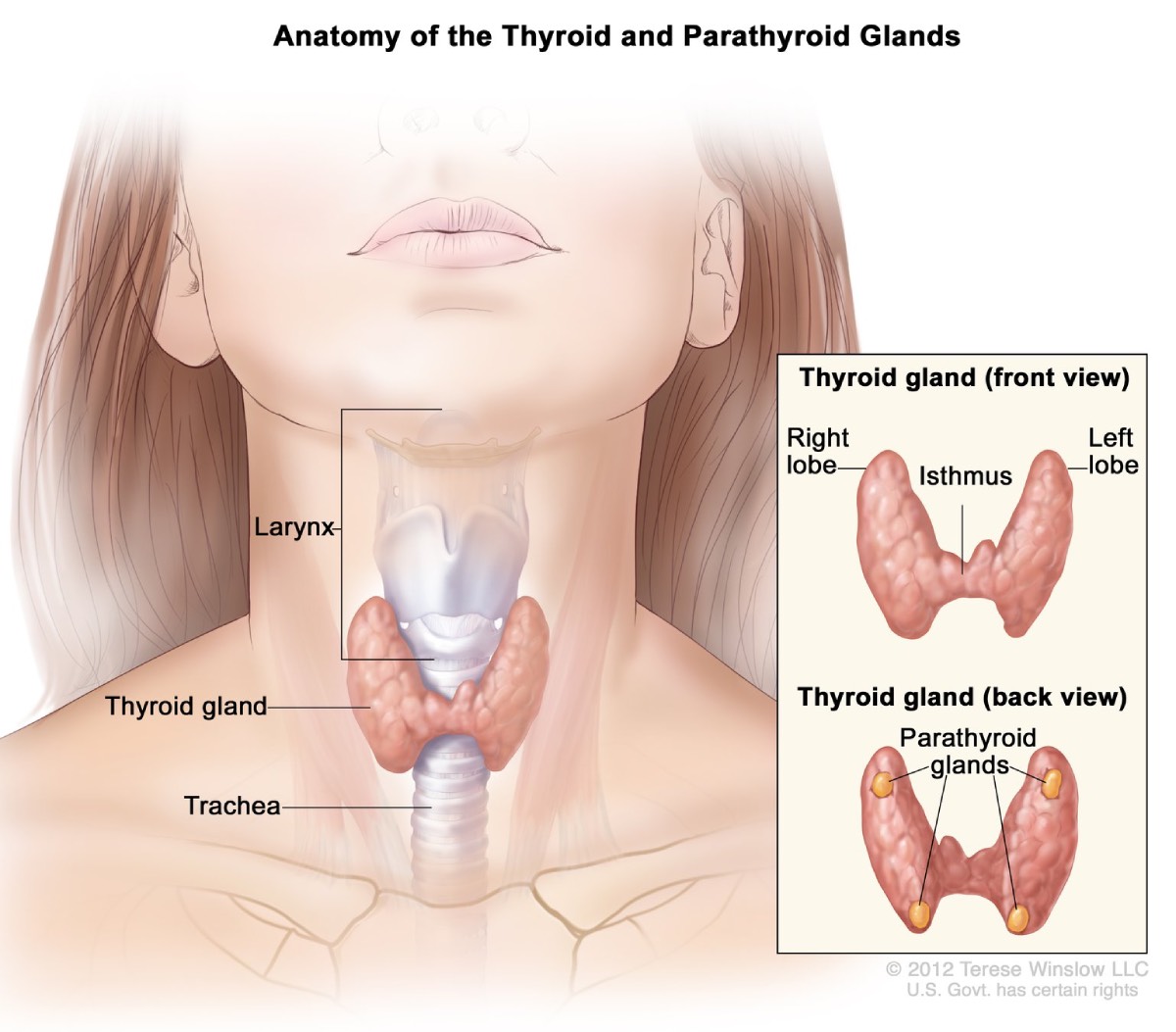
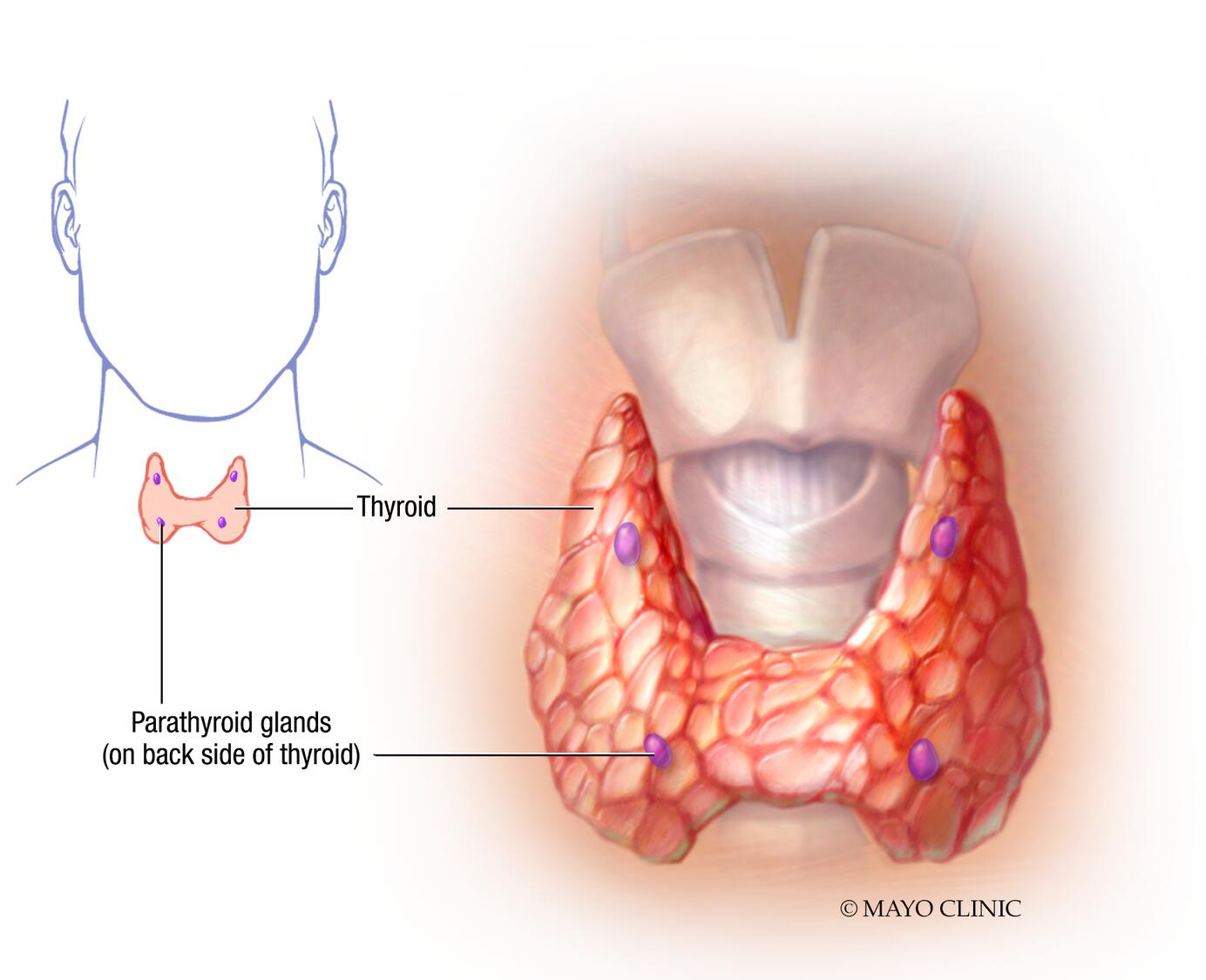
Nestled behind the thyroid gland in the neck, most people have four parathyroid glands, though the number can vary. These tiny glands are masters of calcium regulation. They achieve this primarily through the production of parathyroid hormone (PTH).
PTH acts like a diligent financial manager for calcium in your body. Its main jobs include:
- Increasing Calcium Levels in the Blood: When blood calcium levels drop too low, PTH signals the bones to release stored calcium. It also tells the kidneys to reabsorb more calcium from urine, preventing its loss from the body.
- Stimulating Vitamin D Activation: PTH works with the kidneys to convert vitamin D into its active form. Activated vitamin D, in turn, helps the intestines absorb more calcium from the food we eat.
This intricate feedback loop ensures that our blood calcium levels remain within a very narrow, optimal range.
The Consequences of Too Much PTH
Hyperparathyroidism occurs when one or more of these glands become overactive and produce excessive amounts of PTH. This overproduction leads to persistently high levels of calcium in the blood, a condition known as hypercalcemia.
This sustained elevation of calcium can have widespread effects on the body’s systems. It’s like having too much money flowing into an account without proper spending controls – eventually, it leads to imbalances and potential problems. The excess calcium can leach out of bones, weaken them, and deposit in soft tissues, leading to various health concerns.
Types and Causes of Hyperparathyroidism
Hyperparathyroidism isn’t a single, monolithic condition. It can arise from different sources, broadly categorized as primary, secondary, and tertiary. Understanding these distinctions is key to diagnosis and treatment.
Primary Hyperparathyroidism: The Glands Themselves Are the Issue
Primary hyperparathyroidism is the most common form and is characterized by an intrinsic problem within the parathyroid glands themselves. The overproduction of PTH is a direct result of an issue with the glands.
- Adenomas: The vast majority of primary hyperparathyroidism cases (around 80-85%) are caused by a benign tumor, called an adenoma, on one of the parathyroid glands. This adenoma functions independently, pumping out excessive PTH regardless of calcium levels.
- Hyperplasia: In about 10-15% of cases, all four parathyroid glands become enlarged and overactive (hyperplasia). The exact cause of hyperplasia is often unknown, but it can sometimes be associated with genetic syndromes.
- Carcinoma: While rare (less than 1% of cases), parathyroid cancer can also lead to primary hyperparathyroidism. This is a more aggressive condition requiring specialized treatment.
Secondary Hyperparathyroidism: A Response to Other Conditions
Secondary hyperparathyroidism isn’t a primary problem with the parathyroid glands but rather a response to another underlying medical condition that causes low calcium levels. In this scenario, the parathyroid glands are working overtime to try and compensate for the deficiency.

Common causes of secondary hyperparathyroidism include:
- Chronic Kidney Disease (CKD): The kidneys play a vital role in activating vitamin D and excreting excess phosphate. In CKD, their function is impaired, leading to low calcium and high phosphate levels. The parathyroid glands respond by increasing PTH production to try and normalize calcium.
- Vitamin D Deficiency: Severe and prolonged deficiency of vitamin D can impair calcium absorption from the gut, leading to low calcium levels and subsequent overstimulation of the parathyroid glands.
- Calcium Malabsorption: Conditions that interfere with calcium absorption in the intestines can also trigger secondary hyperparathyroidism.
Tertiary Hyperparathyroidism: A Long-Term Consequence
Tertiary hyperparathyroidism develops in individuals who have had secondary hyperparathyroidism for a prolonged period. In this situation, the parathyroid glands become so enlarged and autonomous from chronic stimulation that they continue to produce excessive PTH even after the underlying cause of the initial low calcium has been corrected. This is often seen in patients with long-standing kidney disease who have undergone a kidney transplant.
Symptoms and Diagnosis of Hyperparathyroidism
The symptoms of hyperparathyroidism can be subtle and diverse, often mimicking other common ailments. This can lead to delayed diagnosis. The presence of hypercalcemia is the hallmark, but the clinical presentation can vary significantly.
Recognizing the Signs: The “Bones, Stones, Abdominal Groans, and Psychic Moans”
A common mnemonic used to remember the potential symptoms of hyperparathyroidism is “bones, stones, abdominal groans, and psychic moans.” While not every patient will experience all of these, they represent the common areas affected:
- Bones:
- Osteoporosis: Chronic excess PTH can lead to significant bone loss, making bones brittle and prone to fractures. This is a direct consequence of calcium being leached from the bones to maintain blood calcium levels.
- Bone pain: Some individuals experience aching or generalized bone discomfort.
- Stones:
- Kidney Stones: High calcium levels in the urine increase the risk of forming kidney stones. These can cause intense pain, blood in the urine, and urinary tract infections.
- Abdominal Groans:
- Nausea and Vomiting: Hypercalcemia can affect the digestive system, leading to feelings of nausea and vomiting.
- Constipation: Slowed bowel function is another common symptom.
- Peptic Ulcers: In some cases, hypercalcemia can increase the production of stomach acid, contributing to the development of peptic ulcers.
- Pancreatitis: Elevated calcium levels are a known risk factor for inflammation of the pancreas.
- Psychic Moans:
- Fatigue and Lethargy: Feeling constantly tired and lacking energy is a very common, though often overlooked, symptom.
- Depression and Irritability: Changes in mood, including feelings of sadness, anxiety, and irritability, can occur.
- Cognitive Dysfunction: Some individuals report difficulty with concentration, memory problems, and “brain fog.”
- Increased Thirst and Frequent Urination: The kidneys attempt to excrete excess calcium, leading to increased fluid loss and thirst.
It’s crucial to note that some individuals with hyperparathyroidism, particularly in the early stages or with milder forms, may experience very few or even no noticeable symptoms. They might be diagnosed incidentally when routine blood tests reveal elevated calcium levels.
Diagnostic Pathways: Uncovering the Cause
Diagnosing hyperparathyroidism involves a combination of blood tests, imaging, and sometimes genetic screening.
- Blood Tests:
- Serum Calcium Levels: This is the primary indicator. Consistently elevated calcium levels, especially when combined with elevated parathyroid hormone levels, strongly suggest hyperparathyroidism.
- Serum Parathyroid Hormone (PTH) Levels: Measuring PTH levels helps differentiate between primary and secondary hyperparathyroidism. In primary hyperparathyroidism, PTH will be inappropriately high or normal despite high calcium. In secondary hyperparathyroidism, PTH will be high in response to low calcium.
- Vitamin D Levels: Checking vitamin D status is important, especially when considering secondary causes.
- Kidney Function Tests: Blood urea nitrogen (BUN) and creatinine levels assess kidney health.
- Phosphate Levels: Phosphate levels can also be affected by PTH.
- Urine Tests:
- 24-Hour Urine Calcium Collection: This test measures the amount of calcium excreted in the urine over a 24-hour period, helping to assess calcium handling by the kidneys and the risk of stone formation.
- Imaging Studies:
- Parathyroid Ultrasound: This is often the first-line imaging technique to visualize the parathyroid glands and identify any enlarged glands or potential adenomas.
- Sestamibi Scan: This nuclear medicine scan can help locate abnormal parathyroid glands, especially when ultrasound is inconclusive or when there are multiple abnormal glands.
- CT Scan or MRI: These may be used in specific cases to further delineate enlarged glands or to assess for spread if cancer is suspected.
Management and Treatment: Restoring Balance
The management and treatment of hyperparathyroidism depend on the type, severity of symptoms, and the underlying cause. The primary goal is to normalize calcium levels and alleviate symptoms.
When to Intervene: A Symptom-Driven Approach
For individuals with mild hyperparathyroidism and no symptoms, a “watchful waiting” approach may be recommended. This involves regular monitoring of calcium and PTH levels, bone density scans, and kidney function. However, if symptoms are present or if calcium levels are significantly elevated, treatment becomes necessary.
Treatment Options: From Lifestyle to Surgery
- Medical Management:
- Hydration and Diet: For some individuals, ensuring adequate fluid intake and a balanced diet can help manage mild hypercalcemia. Limiting calcium-rich foods might be considered in some instances, though this is less common in primary hyperparathyroidism.
- Medications:
- Calcimimetics: These drugs (e.g., Cinacalcet) work by mimicking the action of calcium on the parathyroid glands, tricking them into reducing PTH production. They are particularly useful for managing hyperparathyroidism in patients with kidney disease or for those who are not surgical candidates.
- Bisphosphonates: These medications are primarily used to treat osteoporosis and can help slow bone loss in individuals with hyperparathyroidism.
- Hormone Replacement Therapy (HRT): In postmenopausal women with osteoporosis due to hyperparathyroidism, HRT might be considered.
- Surgical Intervention (Parathyroidectomy):
- For primary hyperparathyroidism caused by an adenoma or hyperplasia, surgery to remove the abnormal parathyroid gland(s) (parathyroidectomy) is the most definitive treatment. This is a common and generally safe procedure that can effectively cure the condition. Surgeons typically use minimally invasive techniques to minimize scarring and recovery time.
- Addressing Secondary Hyperparathyroidism:
- Treatment for secondary hyperparathyroidism focuses on managing the underlying cause. This might involve vitamin D supplementation, phosphate binders for kidney disease patients, or dietary adjustments. In some cases, managing the underlying condition can significantly improve or resolve the secondary hyperparathyroidism.
Living with and Beyond Hyperparathyroidism
Understanding hyperparathyroidism is not just about recognizing symptoms; it’s also about recognizing its potential impact on our overall well-being and how we can proactively manage it. From a “Tech” perspective, wearable devices and health apps can aid in tracking general well-being, while online resources can provide crucial information. In terms of “Brand,” maintaining good health is fundamental to personal and professional presentation; addressing health concerns can bolster this. Financially (“Money”), managing chronic conditions can involve healthcare costs, insurance considerations, and potential impact on earning capacity.
By understanding the intricacies of this condition, individuals can work closely with their healthcare providers to achieve optimal health and maintain a balanced and productive life. Regular check-ups, adherence to treatment plans, and open communication with medical professionals are paramount in navigating the journey of hyperparathyroidism.
aViewFromTheCave is a participant in the Amazon Services LLC Associates Program, an affiliate advertising program designed to provide a means for sites to earn advertising fees by advertising and linking to Amazon.com. Amazon, the Amazon logo, AmazonSupply, and the AmazonSupply logo are trademarks of Amazon.com, Inc. or its affiliates. As an Amazon Associate we earn affiliate commissions from qualifying purchases.