
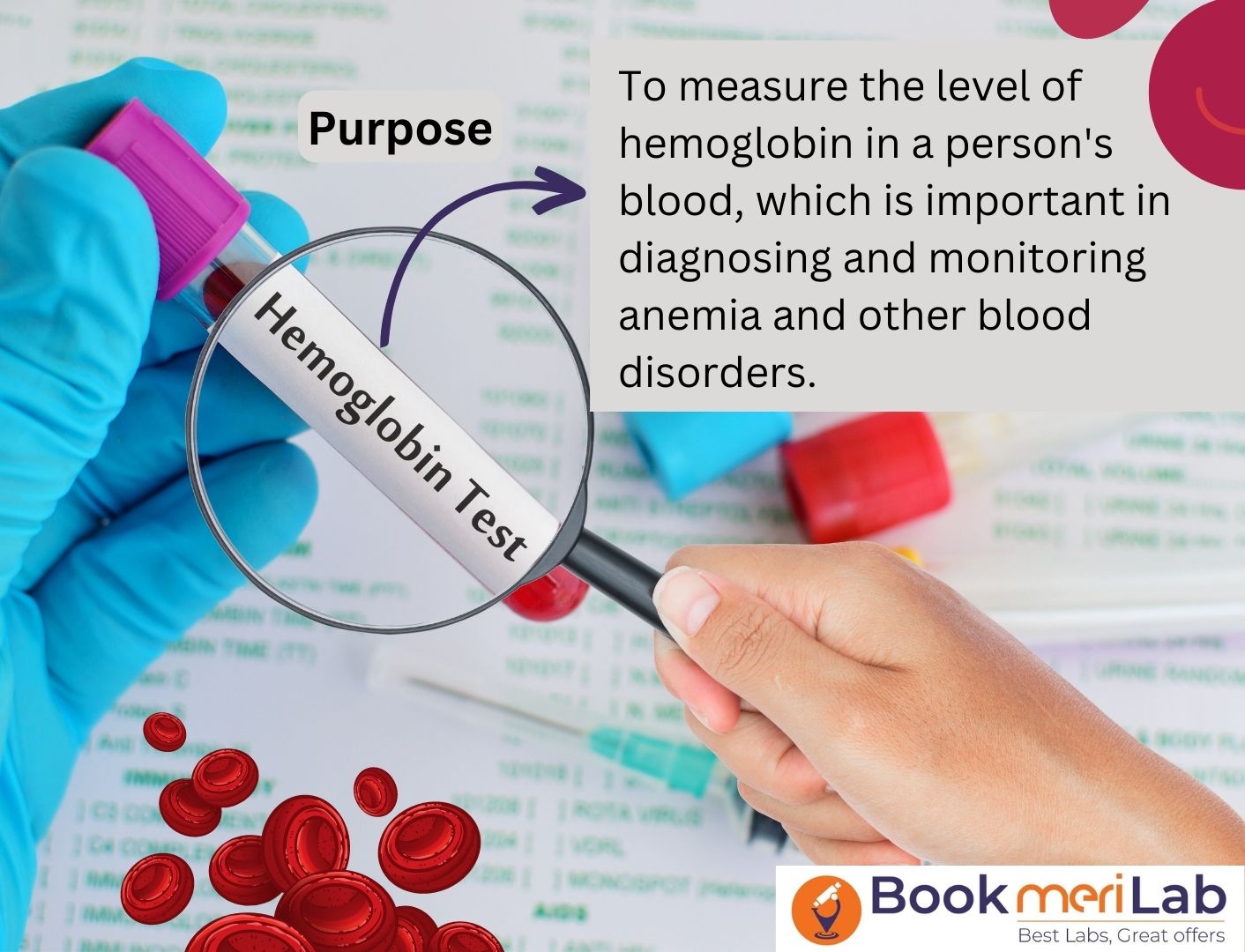
Hemoglobin (Hb) is a crucial protein found within red blood cells, responsible for transporting oxygen from the lungs to the body’s tissues and carrying carbon dioxide back to the lungs for exhalation. When you undergo a routine blood test, a measurement of your hemoglobin levels is almost always included. This seemingly simple value provides a wealth of information about your overall health, the efficiency of your oxygen delivery system, and can be an early indicator of various medical conditions. Understanding what Hb signifies, why it’s measured, and what the results mean is an essential component of proactive health management.
The Fundamental Role of Hemoglobin in Oxygen Transport
At its core, hemoglobin’s purpose is to facilitate the vital process of respiration at the cellular level. Without sufficient hemoglobin, your body’s cells would be starved of the oxygen they need to function, leading to a cascade of detrimental effects.
Structure and Function of Hemoglobin
Hemoglobin is a complex protein molecule composed of four subunits, each containing a heme group. This heme group is the critical component, as it contains an iron atom. It’s this iron atom that reversibly binds to oxygen molecules. In the lungs, where oxygen concentration is high, hemoglobin readily picks up oxygen. As these oxygen-rich red blood cells travel through the bloodstream, they reach tissues that have a lower oxygen concentration. Here, the hemoglobin releases its oxygen, supplying the cells with the fuel they need for metabolic processes. Simultaneously, as cells produce carbon dioxide as a byproduct of metabolism, hemoglobin picks up some of this carbon dioxide and transports it back to the lungs. While oxygen transport is its primary role, this carbon dioxide transport also contributes to maintaining the body’s acid-base balance.
Red Blood Cells: The Hemoglobin Carriers
Hemoglobin resides within red blood cells (erythrocytes). These biconcave discs are specifically designed to maximize their surface area for gas exchange and are highly flexible, allowing them to navigate the narrowest capillaries. The bone marrow is the primary site of red blood cell production, a process known as erythropoiesis. This process is tightly regulated and influenced by various factors, including hormones like erythropoietin (EPO), which is produced by the kidneys in response to low oxygen levels. When red blood cells are produced, they are packed with hemoglobin, making them the efficient delivery vehicles for oxygen throughout the body.
The Oxygen-Hemoglobin Dissociation Curve
The relationship between oxygen and hemoglobin is dynamic and can be visualized by the oxygen-hemoglobin dissociation curve. This curve illustrates how readily hemoglobin binds to and releases oxygen at different partial pressures of oxygen. Factors such as pH, temperature, and the concentration of 2,3-bisphosphoglycerate (2,3-BPG) within red blood cells can shift this curve. For instance, in metabolically active tissues where carbon dioxide levels are higher (leading to a lower pH) and temperature is elevated, the curve shifts to the right, meaning hemoglobin releases oxygen more readily to meet the increased demand. Conversely, in the lungs, where oxygen is abundant and carbon dioxide levels are low, the curve shifts to the left, facilitating the uptake of oxygen. This intricate interplay ensures that oxygen is delivered precisely where and when it’s needed most.
What a Hemoglobin Blood Test Measures and Why It’s Important
A hemoglobin test, often part of a complete blood count (CBC), provides a quantitative measure of the total amount of hemoglobin in your blood. This measurement is a cornerstone of diagnostic medicine, offering insights into a wide range of physiological processes and potential health issues.
The Complete Blood Count (CBC) and Hemoglobin
The CBC is a comprehensive panel that analyzes various components of your blood, including red blood cells, white blood cells, and platelets. Within the red blood cell analysis, several key parameters are reported, with hemoglobin (Hb or Hgb) being one of the most critical. Other related values that offer further context include:
- Hematocrit (Hct): The percentage of your blood volume that is occupied by red blood cells. This is closely related to hemoglobin levels.
- Red Blood Cell Count (RBC): The total number of red blood cells in your blood.
- Mean Corpuscular Volume (MCV): The average size of your red blood cells. This can help determine if red blood cells are too large (macrocytic) or too small (microcytic).
- Mean Corpuscular Hemoglobin (MCH): The average amount of hemoglobin in a single red blood cell.
- Mean Corpuscular Hemoglobin Concentration (MCHC): The average concentration of hemoglobin in a red blood cell.
- Red Cell Distribution Width (RDW): A measure of the variation in red blood cell size.
These parameters, when analyzed together with the hemoglobin level, provide a more nuanced picture of red blood cell health and function.
Typical Hemoglobin Ranges
Normal hemoglobin ranges vary slightly depending on age, sex, and other factors. However, general reference ranges are:
- Adult Males: 13.5 to 17.5 grams per deciliter (g/dL)
- Adult Females: 12.0 to 15.5 g/dL
- Children: Ranges vary significantly with age, with lower levels in infancy and gradually increasing to adult levels.
- Pregnancy: Hemoglobin levels often decrease slightly during pregnancy due to increased blood volume.
It is crucial to remember that these are general guidelines. Your healthcare provider will interpret your specific results in the context of your individual health history, symptoms, and other laboratory findings.
Clinical Significance: Why Hemoglobin Matters
Measuring hemoglobin is vital for several reasons:
- Detecting Anemia: Anemia, characterized by a deficiency of red blood cells or hemoglobin, is one of the most common conditions diagnosed through hemoglobin testing. Low hemoglobin levels can result from various causes, including iron deficiency, vitamin deficiencies (like B12 and folate), chronic diseases, blood loss, and certain genetic disorders.
- Assessing Oxygen-Carrying Capacity: Hemoglobin directly reflects the blood’s ability to carry oxygen. Low levels mean less oxygen reaches tissues, leading to symptoms like fatigue, weakness, shortness of breath, and pale skin.
- Monitoring Chronic Diseases: Many chronic conditions, such as kidney disease, cancer, and inflammatory disorders, can affect hemoglobin production or red blood cell survival, making regular monitoring important.
- Evaluating Treatment Effectiveness: For individuals undergoing treatment for anemia or other conditions affecting hemoglobin, monitoring Hb levels helps assess the efficacy of the treatment.
- Pre-operative Assessment: Adequate hemoglobin levels are essential for ensuring sufficient oxygen supply during surgery and recovery.
Understanding Abnormal Hemoglobin Levels: High and Low
Deviations from the normal hemoglobin range can signal underlying health issues that require medical attention. Interpreting these deviations requires a thorough understanding of their potential causes and implications.
Low Hemoglobin: The Spectrum of Anemia

When your hemoglobin level falls below the normal range, it indicates anemia. The severity of anemia can range from mild to life-threatening, and the specific type of anemia often depends on the underlying cause.
Types and Causes of Anemia:
- Iron Deficiency Anemia: The most common type, caused by insufficient iron intake or absorption, leading to reduced heme production.
- Vitamin Deficiency Anemia: Deficiencies in vitamin B12 or folate can impair DNA synthesis, affecting red blood cell production.
- Anemia of Chronic Disease: Often associated with long-term illnesses like kidney disease, rheumatoid arthritis, or cancer, where inflammation interferes with iron metabolism and red blood cell production.
- Hemolytic Anemia: Occurs when red blood cells are destroyed faster than they can be produced, due to autoimmune disorders, inherited conditions (like sickle cell anemia or thalassemia), or infections.
- Aplastic Anemia: A rare but serious condition where the bone marrow doesn’t produce enough blood cells, including red blood cells.
- Blood Loss: Acute or chronic bleeding from injuries, ulcers, or heavy menstrual periods can lead to anemia.
Symptoms of Low Hemoglobin:
Common symptoms include:
- Fatigue and weakness
- Pale skin
- Shortness of breath, especially with exertion
- Dizziness or lightheadedness
- Headaches
- Cold hands and feet
- Chest pain
- Irregular heartbeats
High Hemoglobin: Understanding Polycythemia
Elevated hemoglobin levels, a condition known as polycythemia or erythrocytosis, are less common than anemia but can also indicate significant health issues. It means there are too many red blood cells in the blood, making it thicker and harder to pump.
Types and Causes of High Hemoglobin:
- Primary Polycythemia (Polycythemia Vera): A bone marrow disorder where the body produces too many red blood cells, often accompanied by an increase in white blood cells and platelets.
- Secondary Polycythemia: This occurs in response to other conditions that cause the body to produce more red blood cells to compensate for reduced oxygen availability. Common causes include:
- Chronic lung disease: Conditions like COPD or emphysema.
- High altitude living: The lower oxygen levels at high altitudes stimulate red blood cell production.
- Sleep apnea: Intermittent drops in blood oxygen levels.
- Kidney disease or tumors: Can lead to increased EPO production.
- Smoking: Carbon monoxide in cigarette smoke binds to hemoglobin, reducing its oxygen-carrying capacity, prompting the body to produce more red blood cells.
- Dehydration: Can temporarily concentrate the blood, making hemoglobin levels appear higher.
Symptoms of High Hemoglobin:
Symptoms can include:
- Headaches
- Dizziness and blurred vision
- Itching, especially after a warm bath (aquagenic pruritus)
- Redness of the face and skin (plethora)
- Fatigue
- Shortness of breath
- Enlarged spleen
- Increased risk of blood clots, leading to stroke or heart attack
Factors Influencing Hemoglobin Levels and Interpretation
Several factors can influence your hemoglobin levels, and it’s crucial for healthcare professionals to consider these when interpreting test results. This ensures an accurate diagnosis and appropriate management plan.
Age and Sex Differences
As mentioned, normal hemoglobin ranges differ between adult males and females due to hormonal differences, particularly testosterone, which stimulates red blood cell production. Children’s hemoglobin levels also fluctuate significantly as they grow. Infants are born with high hemoglobin levels, which naturally decrease in the first few months of life before gradually rising again.
Lifestyle and Environmental Factors
- Altitude: Individuals living at high altitudes have naturally higher hemoglobin levels to compensate for the lower oxygen availability in the atmosphere.
- Smoking: Smokers typically have higher hemoglobin levels due to the body’s attempt to compensate for the reduced oxygen-carrying capacity caused by carbon monoxide binding to hemoglobin.
- Diet and Nutrition: A diet rich in iron, vitamin B12, and folate is essential for adequate hemoglobin production. Deficiencies in these nutrients are common causes of anemia.
- Hydration Status: Severe dehydration can lead to a relative increase in hemoglobin concentration, as the blood volume decreases.
Medical Conditions and Medications
A wide array of medical conditions, both acute and chronic, can impact hemoglobin levels. These include:
- Kidney disease: Affects the production of erythropoietin.
- Bone marrow disorders: Impair red blood cell production.
- Inflammatory diseases: Can interfere with iron metabolism.
- Bleeding disorders: Lead to blood loss and subsequent anemia.
- Certain medications: Some drugs can affect red blood cell production or survival.

The Importance of Professional Interpretation
It is vital to reiterate that hemoglobin test results should always be interpreted by a qualified healthcare professional. Self-diagnosis or self-treatment based on laboratory values can be dangerous. A physician will consider your:
- Medical history: Including past illnesses, current medications, and family history.
- Symptoms: Any complaints you may be experiencing.
- Physical examination: To identify any outward signs of illness.
- Other laboratory tests: Such as the full CBC and other specific blood work.
This holistic approach ensures that the hemoglobin level is understood within the broader context of your health, leading to accurate diagnoses and effective treatment strategies. Regular blood tests, including hemoglobin, are an invaluable tool in maintaining and monitoring your well-being, empowering you to take proactive steps towards a healthier life.
aViewFromTheCave is a participant in the Amazon Services LLC Associates Program, an affiliate advertising program designed to provide a means for sites to earn advertising fees by advertising and linking to Amazon.com. Amazon, the Amazon logo, AmazonSupply, and the AmazonSupply logo are trademarks of Amazon.com, Inc. or its affiliates. As an Amazon Associate we earn affiliate commissions from qualifying purchases.