
In an era of fluctuating market conditions, rising inflation, and the constant temptation of consumerism, the ability to save money has evolved from a simple habit into a vital survival skill. However, saving money is rarely about the occasional coupon or skipping a single cup of coffee. Instead, it is a multifaceted discipline that combines psychological discipline, strategic planning, and the clever use of modern financial tools.
To truly master your finances, you must view saving not as an act of deprivation, but as a strategic reallocation of resources that buys you future freedom. This guide explores the depths of personal finance, offering a roadmap to help you build a robust financial cushion, eliminate debt, and eventually transition from saving to wealth creation.
Building a Solid Foundation: The Psychology and Mechanics of Budgeting
Before you can effectively save, you must understand where your money is going. Budgeting is the blueprint of your financial house; without it, any attempt to save will be disorganized and unsustainable.
Shifting the Mindset: Why We Struggle to Save
Most people approach saving as “spending what is left after saving,” when the philosophy should be “spending what is left after saving.” This is the “Pay Yourself First” principle. Human psychology is naturally inclined toward immediate gratification—a phenomenon known as hyperbolic discounting. We value small rewards today more than larger rewards in the future. To overcome this, you must treat your savings account like a non-negotiable bill that must be paid every month. By automating this process, you remove the decision-making fatigue and ensure consistency.
The 50/30/20 Rule: A Framework for Balanced Spending
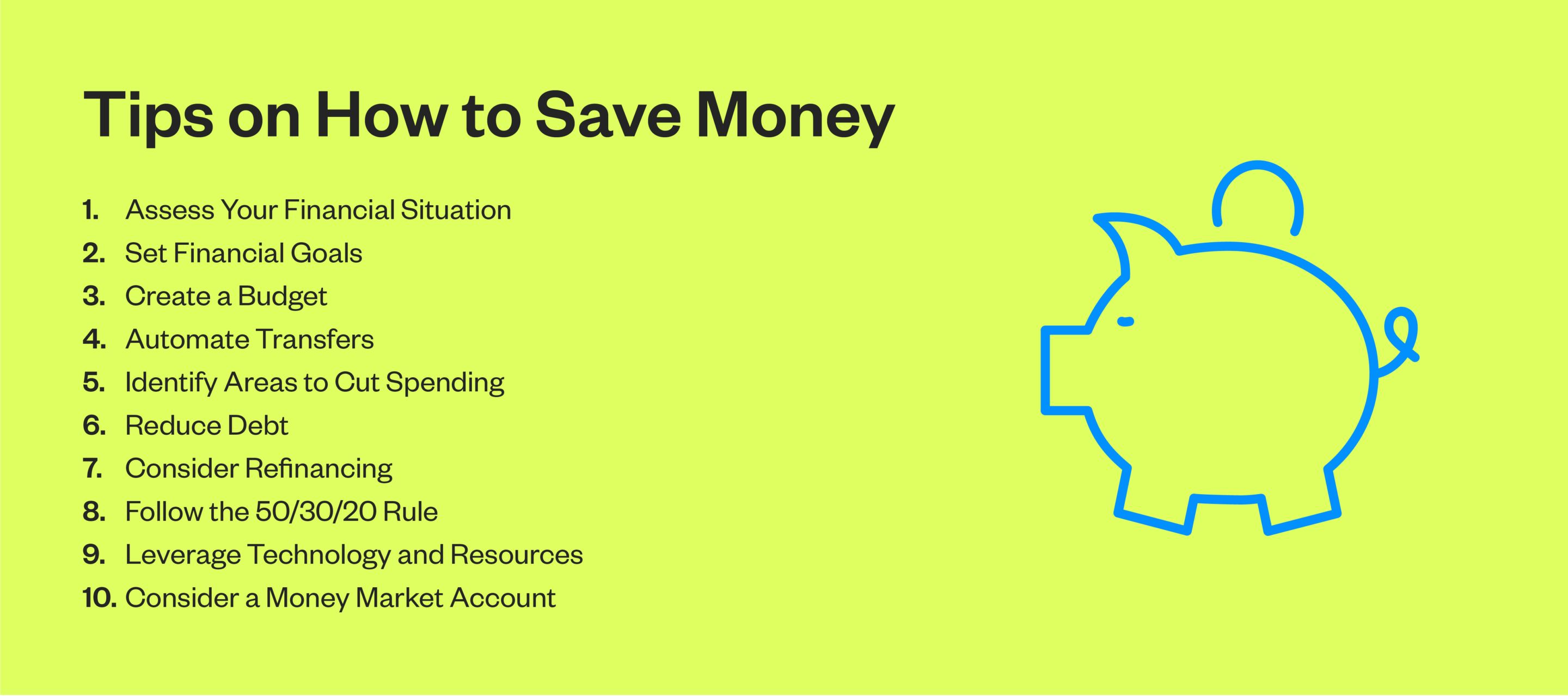
One of the most effective ways to categorize your income is the 50/30/20 rule. This framework suggests that 50% of your after-tax income should go toward Needs (rent, utilities, groceries, insurance), 30% toward Wants (dining out, hobbies, streaming services), and 20% toward Financial Goals (savings, debt repayment, investments). This structure is powerful because it allows for lifestyle enjoyment while ensuring that a significant portion of your income is consistently working toward your future.
Leveraging Modern Financial Tools for Automated Tracking
In the digital age, manual spreadsheets are no longer the only option. Financial technology (FinTech) has introduced a plethora of tools designed to track spending in real-time. Apps like Rocket Money, EveryDollar, and Monarch Money sync with your bank accounts to categorize expenses automatically. These tools provide visual insights into your spending patterns, highlighting “leakages”—those small, recurring costs that go unnoticed but add up to thousands of dollars annually. Utilizing these platforms allows you to make data-driven decisions rather than emotional ones.
Optimizing Daily Expenses: Strategic Frugality Without Deprivation
Once a budget is in place, the next step is to optimize your outgoing cash flow. Saving money does not mean living a life of scarcity; it means maximizing the value of every dollar spent.
Trimming the “Digital Fat”: Managing Subscription Fatigue
We live in a subscription economy. From software and streaming services to gym memberships and meal kits, “micro-transactions” are draining bank accounts quietly. A crucial step in saving is performing a “subscription audit” every quarter. Ask yourself: Have I used this service in the last 30 days? If the answer is no, cancel it. Many services offer a “pause” feature, which is an excellent way to test if you truly miss the service before cutting it entirely.
The Art of Negotiating Recurring Bills
Many consumers accept their monthly bills as fixed costs, but in reality, many are negotiable. Internet service providers, insurance companies, and even cell phone carriers often have “retention departments” authorized to offer discounts to prevent customers from switching to competitors. A simple twenty-minute phone call once a year to negotiate these rates can result in hundreds of dollars in annual savings. Additionally, shopping around for insurance quotes annually ensures you aren’t paying a “loyalty penalty” for staying with a provider that has incrementally raised its rates.
Smart Shopping and the Power of Bulk Purchasing
Groceries and household essentials are among the largest variable expenses. To save money here, strategy is key. Implementing a “unit price” analysis—checking the cost per ounce or per gram—reveals that bulk buying is often, but not always, cheaper. Furthermore, embracing generic or store brands for staples can reduce grocery bills by 20-30% without a noticeable change in quality. Combining this with meal planning—buying only what you intend to cook—minimizes food waste, which is essentially throwing money into the trash.

Accelerating Wealth Creation: Growing Your Income and Investing Wisely
While cutting expenses is vital, there is a floor to how much you can save. There is, however, no ceiling on how much you can earn. A truly comprehensive savings strategy includes increasing the total pool of capital available to you.
Monetizing Skills: The Strategic Side Hustle
In the modern gig economy, your professional skills can often be leveraged outside of your 9-to-5 job. Whether it is freelance writing, consulting, graphic design, or teaching a language online, a “side hustle” provides an additional stream of income that can be diverted entirely into savings or investments. The goal here should be “income decoupling”—creating a source of money that is not tied to your primary employer, providing both a financial boost and a safety net.
High-Yield Savings Accounts (HYSA) and Inflation Protection
Keeping your savings in a traditional big-bank savings account is often a losing game, as interest rates there rarely keep pace with inflation. To save effectively, your money must maintain its purchasing power. Moving your emergency fund and short-term savings to a High-Yield Savings Account (HYSA) allows you to earn significantly more interest (often 10 to 20 times the national average). While this won’t make you rich overnight, it ensures that your idle cash is working for you.
Diversification and the Long-term Power of Compound Interest
For long-term savings, the “save” mindset must transition into an “invest” mindset. Money saved for retirement or goals more than five years away should be placed in diversified assets like low-cost index funds or ETFs. This is where compound interest—which Albert Einstein famously called the eighth wonder of the world—takes over. By reinvesting dividends and allowing your capital to grow, you aren’t just saving money; you are building a self-sustaining wealth engine.
Future-Proofing Your Finances: Risk Management and Debt Reduction
The greatest threat to a healthy savings account is an unplanned crisis. Without proper risk management, one medical emergency or job loss can wipe out years of disciplined saving.
The Emergency Fund: Your Financial Safety Net
The first milestone of any savings plan is the establishment of an emergency fund. Most experts recommend keeping three to six months of essential living expenses in a liquid, accessible account. This fund is not for vacations or new cars; it is “insurance” against life’s unpredictability. Having this cushion prevents you from having to take out high-interest loans or dip into retirement accounts when things go wrong, preserving your long-term financial integrity.
Efficient Debt Repayment Strategies: Snowball vs. Avalanche
Debt is the primary antagonist of saving. High-interest debt, such as credit card balances, often carries interest rates that far exceed the returns you can get from savings or even the stock market. To save money effectively, you must eliminate this “bleeding.”
- The Debt Snowball focuses on paying off the smallest balances first to build psychological momentum.
- The Debt Avalanche focuses on the highest interest rates first, which mathematically saves you the most money over time.
Choosing a method and sticking to it is more important than which one you choose.
Tax-Advantaged Savings: Maximizing Your Retirement Contributions
One of the most overlooked ways to save money is by reducing your tax liability. Contributions to accounts like a 401(k), 403(b), or a Traditional IRA are often tax-deductible, meaning you are saving money that would otherwise have gone to the government. Furthermore, if your employer offers a “match,” this is essentially a 100% return on your investment. Failing to contribute enough to get the full employer match is equivalent to leaving free money on the table.

Conclusion: The Path to Financial Autonomy
Saving money is a marathon, not a sprint. It requires a combination of tactical maneuvers—like using high-yield accounts and negotiating bills—and high-level strategy, such as investment diversification and debt management. By understanding the psychology of spending, optimizing your daily costs, and focusing on long-term wealth creation, you can move beyond the stress of living paycheck to paycheck.
Ultimately, the goal of saving is to create a life where you have choices. Whether it’s the choice to change careers, start a business, or retire comfortably, a robust savings foundation provides the security needed to take risks and the freedom to pursue what truly matters. Start small, automate your processes, and stay disciplined; the compound effect of these choices will inevitably lead to financial mastery.
aViewFromTheCave is a participant in the Amazon Services LLC Associates Program, an affiliate advertising program designed to provide a means for sites to earn advertising fees by advertising and linking to Amazon.com. Amazon, the Amazon logo, AmazonSupply, and the AmazonSupply logo are trademarks of Amazon.com, Inc. or its affiliates. As an Amazon Associate we earn affiliate commissions from qualifying purchases.