
Glucose screening, a crucial medical practice, involves tests designed to detect elevated blood glucose levels, often a precursor to or indicator of diabetes. While its primary function is medical, the broader implications of glucose screening touch upon technological advancements, the branding of healthcare solutions, and the significant financial impact it has on individuals and the healthcare system. This article will explore glucose screening through the lens of technology, brand perception, and financial considerations, providing a comprehensive overview of this vital health assessment.
The Technological Backbone of Glucose Screening
The effectiveness and accessibility of glucose screening are intrinsically linked to the underlying technology. From the development of sensitive diagnostic tools to the integration of data analytics, technology plays a pivotal role in making these screenings reliable, convenient, and increasingly personalized.

Innovations in Blood Glucose Monitoring Technology
At the heart of glucose screening lies the ability to accurately measure blood glucose levels. Over the years, this has evolved dramatically, moving from cumbersome laboratory tests to sophisticated, at-home monitoring devices.
Traditional Diagnostic Methods and Their Evolution
Historically, glucose screening relied on methods like the glucose tolerance test (GTT) and fasting plasma glucose (FPG) tests. The GTT involves consuming a sugary drink and having blood drawn at intervals to observe how the body processes glucose. The FPG test measures blood glucose after an overnight fast. While still used, these methods often require clinical visits and can be time-consuming.
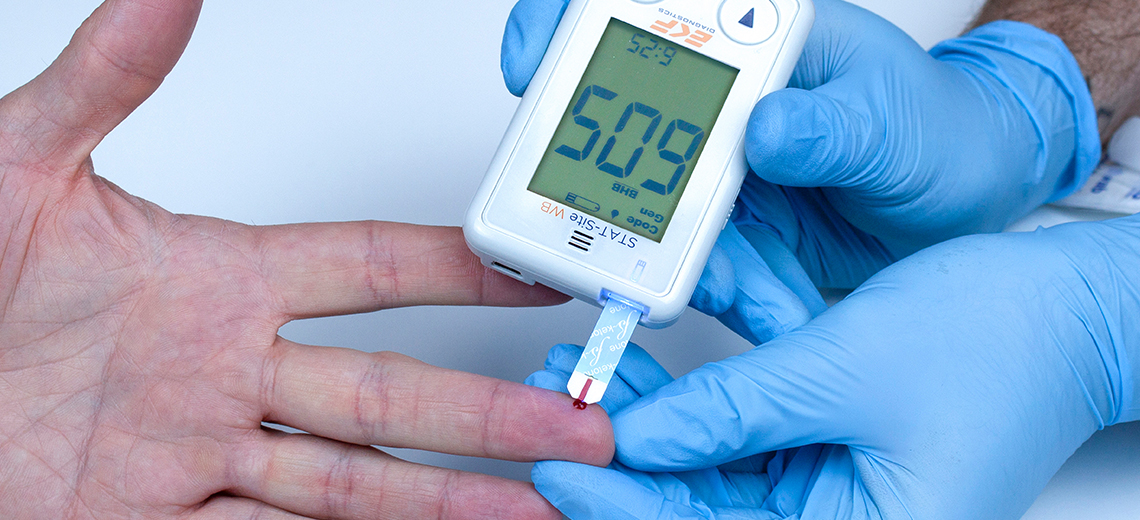
The advent of glucometers revolutionized glucose monitoring. These portable electronic devices allow individuals to test their blood sugar levels using a small blood sample obtained by pricking a finger. The technology behind these devices has advanced significantly, leading to smaller, more accurate, and user-friendly meters. Early glucometers were relatively bulky and required larger blood samples, whereas modern devices are compact, use tiny blood droplets, and provide results within seconds.
The Rise of Continuous Glucose Monitoring (CGM)
Perhaps the most significant technological leap in glucose screening has been the development of Continuous Glucose Monitoring (CGM) systems. CGM devices utilize a small sensor inserted under the skin, typically on the arm or abdomen, to measure glucose levels in the interstitial fluid every few minutes. This data is then wirelessly transmitted to a receiver, smartphone app, or insulin pump, providing real-time glucose readings and trends.
The technology powering CGMs is sophisticated. It involves electrochemical sensors that react with glucose in the interstitial fluid, generating an electrical signal proportional to the glucose concentration. Advanced algorithms are then used to convert these signals into accurate glucose readings. The benefits of CGM are profound:
- Real-time Data: Users can see their glucose levels constantly, understanding how different foods, activities, and medications affect their blood sugar.
- Trend Arrows: Many CGMs display trend arrows indicating whether glucose levels are rising, falling, or stable, allowing for proactive adjustments.
- Alarms and Alerts: Customizable alarms can notify users of high or low glucose levels, preventing dangerous hypoglycemic or hyperglycemic events.
- Reduced Fingerpricks: While some calibration might still be needed, CGMs significantly reduce the need for frequent fingerpricks, enhancing comfort and compliance.
- Data Sharing: Many CGMs allow users to share their data with healthcare providers and family members, fostering better management and support.
The integration of AI and machine learning into CGM technology is further enhancing its capabilities. AI can analyze patterns in glucose data to predict future glucose excursions, provide personalized insights, and even automate insulin delivery in conjunction with insulin pumps (closed-loop systems).
The Role of Software and Apps in Glucose Management
Complementing the hardware advancements, sophisticated software and mobile applications have become indispensable tools for glucose screening and management.
Data Aggregation and Analysis Platforms
Modern glucose screening generates a wealth of data, from manual fingerprick readings to continuous streams from CGMs. Specialized software and apps are designed to aggregate this data, present it in an easily digestible format, and provide valuable insights. These platforms can:
- Visualize Trends: Graphically represent glucose levels over time, highlighting patterns and outliers.
- Track Carbohydrate Intake: Allow users to log meals and estimate carbohydrate content, correlating it with glucose responses.
- Monitor Physical Activity: Integrate with fitness trackers to record exercise and its impact on blood sugar.
- Record Medications: Log insulin doses, oral medications, and other relevant treatments.
- Generate Reports: Create comprehensive reports that can be shared with healthcare professionals, aiding in more informed treatment decisions.
These applications are often designed with user-friendliness in mind, incorporating features like personalized dashboards, educational resources, and reminders. The ability to access this information on a smartphone makes glucose management more accessible and integrated into daily life.
AI-Powered Insights and Predictive Analytics
The integration of Artificial Intelligence (AI) is transforming glucose screening from a reactive monitoring process into a proactive management strategy. AI algorithms can:
- Predict Glucose Trends: Analyze historical data to forecast future glucose levels, allowing individuals to make adjustments before significant deviations occur.
- Personalize Recommendations: Offer tailored advice on diet, exercise, and medication based on individual glucose patterns and lifestyle factors.
- Identify Patterns: Detect subtle trends or correlations that might be missed by manual analysis, leading to optimized treatment plans.
- Enhance Closed-Loop Systems: Power the sophisticated algorithms in artificial pancreas systems that automatically adjust insulin delivery based on real-time CGM data.
The development of AI tools for glucose screening is a rapidly evolving field, promising even more advanced and personalized diabetes care in the future.
Branding Glucose Screening Solutions: Building Trust and Adoption
The success of any glucose screening technology, from a simple glucometer to an advanced CGM system, is heavily influenced by its brand. In the competitive healthcare technology market, strong branding is crucial for establishing trust, driving adoption, and ensuring long-term patient engagement.
Crafting a Brand Identity for Health Tech
The brand identity for glucose screening solutions must convey reliability, accuracy, innovation, and a commitment to user well-being. This involves a multi-faceted approach to branding.
The Importance of Trust and Credibility
For medical devices, especially those involved in chronic disease management like diabetes, trust is paramount. Patients and healthcare providers need to be confident in the accuracy and reliability of the screening tools. Brand strategies for glucose screening often focus on:
- Clinical Validation: Highlighting rigorous clinical trials, FDA approvals, and endorsements from medical professionals.
- Scientific Rigor: Emphasizing the underlying scientific principles and advanced engineering that power the devices.
- Transparency: Being open about the technology, its limitations, and how data is used and protected.
- Patient Testimonials: Sharing positive experiences from users who have benefited from the technology.
The brand name, logo, and visual design all contribute to this perception of trust. Clean, professional, and reassuring aesthetics are often preferred.
User Experience (UX) and Design Thinking
Beyond the scientific credibility, the user experience (UX) is a critical component of branding in glucose screening. Devices and apps must be intuitive, easy to use, and comfortable for individuals who may be managing complex health conditions.
- Ergonomics and Accessibility: Glucometers and CGM sensors should be designed for ease of handling, especially for individuals with dexterity issues or visual impairments.
- Intuitive Software Interfaces: Mobile apps and receiver interfaces need to be clearly laid out, with easy navigation and understandable data presentation.
- Minimizing Pain and Discomfort: For devices involving skin pricks or sensor insertions, minimizing pain and creating a less invasive experience is a key branding differentiator.
- Emotional Design: The brand should evoke feelings of empowerment, control, and support, rather than fear or anxiety.
Companies that invest in robust UX and design thinking often create products that are not only functional but also a pleasure to use, leading to higher patient adherence and satisfaction.
Marketing and Communication Strategies
Effective marketing and communication are essential for introducing new glucose screening technologies to the market and for ongoing engagement with users and healthcare providers.
Reaching Healthcare Professionals and Patients
The marketing landscape for glucose screening is dual-pronged, targeting both the medical community and the end-users.
- Healthcare Professional Outreach: This involves scientific publications, presentations at medical conferences, partnerships with diabetes educators, and providing educational resources to doctors and nurses. Building relationships with key opinion leaders in endocrinology and diabetes care is also vital.
- Direct-to-Consumer (DTC) Marketing: For devices like CGMs and advanced glucometers, DTC marketing is crucial. This can include online advertising, social media campaigns, patient advocacy group partnerships, and informative content on company websites.
- Educational Content: Creating accessible and informative content about diabetes, glucose management, and the benefits of specific screening technologies is a powerful marketing tool. This can take the form of blog posts, explainer videos, webinars, and FAQs.
The Power of Case Studies and Success Stories
Demonstrating the real-world impact of glucose screening technology through case studies and success stories is a highly effective branding strategy. These narratives showcase how individuals have improved their health outcomes, gained better control over their diabetes, and enhanced their quality of life.
- Quantifiable Results: Case studies often highlight measurable improvements, such as reduced HbA1c levels, fewer hypoglycemic episodes, or better time-in-range data.
- Personal Journeys: They humanize the technology by focusing on the individual’s experience, challenges, and triumphs.
- Credibility through Real People: Authentic stories from actual users build trust and resonate more deeply than generic marketing messages.
By sharing these compelling narratives, brands can effectively communicate the value proposition of their glucose screening solutions and foster a sense of community and shared experience among users.
The Financial Landscape of Glucose Screening
Glucose screening, while a medical necessity, carries significant financial implications for individuals, healthcare systems, and the companies developing these technologies. Understanding these financial aspects is crucial for policy, access, and individual decision-making.
The Cost of Glucose Screening Technologies
The cost of glucose screening can vary widely depending on the technology, the frequency of testing, and insurance coverage.
Direct Costs for Individuals
For individuals, the out-of-pocket expenses for glucose screening can be substantial.
- Basic Glucometers and Test Strips: While glucometers themselves are often relatively inexpensive, the ongoing cost of test strips can add up significantly over time, especially for individuals who need to test multiple times a day.
- Continuous Glucose Monitors (CGMs): CGM systems, with their sensors, transmitters, and receivers, represent a higher upfront cost. While they can reduce the need for test strips, the recurring cost of replacement sensors and transmitters remains a considerable expense.
- Doctor’s Visits and Lab Tests: Traditional screening methods like FPG and GTT require doctor’s appointments and laboratory fees, which can also contribute to the overall cost.
The affordability of these technologies is a major barrier to equitable access, particularly for individuals with limited financial resources or inadequate insurance coverage.
Insurance Coverage and Reimbursement
The extent to which insurance plans cover glucose screening technologies plays a critical role in their accessibility.
- Varying Policies: Insurance policies differ significantly in their coverage of glucometers, test strips, CGMs, and related supplies. Some plans may have tiered coverage, requiring higher co-pays or deductibles for more advanced technologies.
- Medical Necessity: For coverage to be approved, glucose screening technologies are often deemed medically necessary, which may require a prescription from a healthcare provider and adherence to specific clinical guidelines.
- Advocacy and Policy Changes: Advocacy efforts by patient groups and healthcare organizations are continuously working to expand insurance coverage and reduce the financial burden on individuals managing diabetes.
The reimbursement landscape is complex and often dictates which technologies become widely adopted.
The Economic Impact on Healthcare Systems and the Economy
The broader economic impact of glucose screening extends beyond individual costs to affect healthcare systems and the national economy.
Prevention and Early Detection
Effective glucose screening is a cornerstone of diabetes prevention and early detection. By identifying prediabetes and diabetes in its early stages, interventions can be implemented to:
- Delay or Prevent Complications: Early management can significantly reduce the risk of long-term diabetes complications, such as heart disease, kidney failure, blindness, and amputations.
- Reduce Healthcare Costs: Treating these chronic complications is vastly more expensive than managing diabetes in its early stages. Therefore, robust screening programs can lead to substantial cost savings for healthcare systems.
- Improve Quality of Life: Preventing complications allows individuals to maintain a higher quality of life and remain productive members of society.
The Business of Glucose Screening Technology
The glucose screening market is a significant and growing sector within the health technology industry.
- Market Growth: Driven by the increasing prevalence of diabetes globally and the advancements in monitoring technologies, the market for glucose meters, CGMs, and related software is experiencing robust growth.
- Innovation and Investment: This growth attracts considerable investment, fostering further innovation and the development of more sophisticated and affordable solutions.
- Job Creation: The manufacturing, research and development, marketing, and sales of these technologies contribute to job creation within the health tech sector.

The Financial Burden of Unmanaged Diabetes
Conversely, the economic burden of unmanaged diabetes is staggering. It encompasses direct medical costs associated with treatment and complications, as well as indirect costs due to lost productivity, disability, and premature mortality. Effective glucose screening and management are crucial for mitigating this immense financial strain on individuals and society.
In conclusion, glucose screening is a multifaceted practice that goes far beyond a simple medical test. Its evolution is a testament to technological innovation, its adoption is shaped by strategic branding and trust-building, and its impact is deeply intertwined with financial considerations. By understanding these interconnected elements, we can better appreciate the significance of glucose screening in promoting individual health and navigating the complex landscape of modern healthcare.
aViewFromTheCave is a participant in the Amazon Services LLC Associates Program, an affiliate advertising program designed to provide a means for sites to earn advertising fees by advertising and linking to Amazon.com. Amazon, the Amazon logo, AmazonSupply, and the AmazonSupply logo are trademarks of Amazon.com, Inc. or its affiliates. As an Amazon Associate we earn affiliate commissions from qualifying purchases.