
The Gross Domestic Product (GDP) of a nation is a cornerstone metric, offering a snapshot of its economic health and overall output. For the United States, the GDP is not just a number; it represents the sheer scale and dynamism of its economy, influencing global markets, technological innovation, and individual financial well-being. In a world increasingly interconnected, understanding the GDP of the USA is crucial for anyone interested in the broader landscape of technology trends, brand strategies, and the intricate workings of personal and business finance.
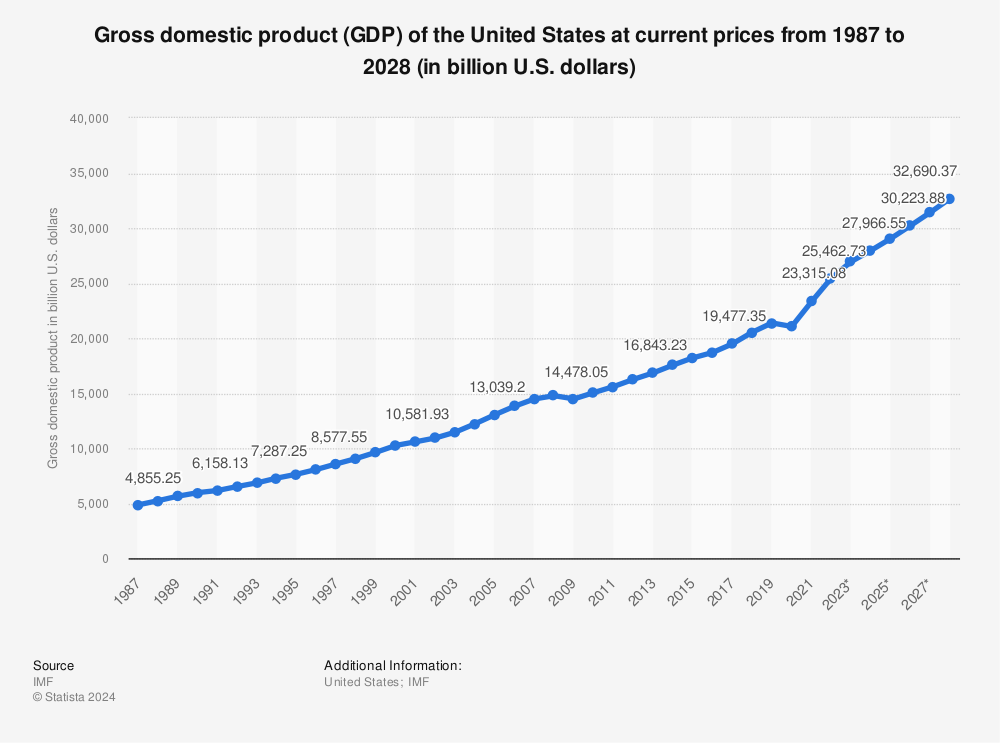
This article delves into the concept of GDP, specifically for the United States, exploring what it is, how it’s measured, and its profound implications across the very pillars of our modern world: technology, brand, and money. We’ll unpack the factors that contribute to the USA’s impressive GDP and consider how its economic might translates into advancements and opportunities in these vital sectors.
Understanding Gross Domestic Product (GDP)
At its core, Gross Domestic Product (GDP) is the total monetary value of all the finished goods and services produced within a country’s borders during a specific period, typically a year or a quarter. It’s a comprehensive measure of a nation’s economic activity, acting as a thermometer for its economic performance. Think of it as the grand total of everything a country makes and sells.
What Constitutes GDP?
GDP encompasses a broad spectrum of economic activities:
- Consumption: This is the largest component of GDP in most developed economies, including the USA. It refers to the spending by households on goods and services, from everyday groceries and clothing to larger purchases like cars and housing. It also includes spending on services like healthcare, education, and entertainment.
- Investment: This category includes spending by businesses on capital goods (machinery, equipment, buildings), new housing construction by individuals, and changes in inventories. It signifies the economy’s capacity to grow and produce more in the future.
- Government Spending: This encompasses all government expenditures on goods and services, such as defense, infrastructure projects, education, and public services. Transfer payments like social security and unemployment benefits are generally excluded as they don’t represent the production of new goods or services.
- Net Exports: This is the difference between a country’s exports (goods and services sold to other countries) and its imports (goods and services bought from other countries). A positive net export figure contributes to GDP, while a negative figure subtracts from it.
How is GDP Measured in the USA?
The Bureau of Economic Analysis (BEA), a division of the U.S. Department of Commerce, is responsible for calculating and reporting the GDP of the United States. They employ several approaches, with the expenditure approach being the most common:
GDP = Consumption (C) + Investment (I) + Government Spending (G) + Net Exports (NX)
This formula provides a clear framework for understanding how different facets of the economy contribute to the overall GDP figure. The BEA collects vast amounts of data from various sources, including surveys of businesses, government agencies, and household spending patterns, to compile these figures.
Real vs. Nominal GDP
It’s important to distinguish between nominal GDP and real GDP.
- Nominal GDP is calculated using current prices and doesn’t account for inflation. This means nominal GDP can increase simply because prices have risen, even if the actual quantity of goods and services produced hasn’t changed.
- Real GDP adjusts for inflation, providing a more accurate measure of the actual volume of goods and services produced. It’s typically calculated using a base year’s prices. When we talk about economic growth, we are usually referring to the growth in real GDP.
The Impact of USA’s GDP on Key Sectors
The sheer magnitude of the U.S. GDP has profound and far-reaching implications across the global economy, with particularly significant impacts on technology, brand building, and financial markets.
Technology: Fuelling Innovation and Global Adoption
The United States has long been at the forefront of technological innovation, and its robust GDP plays a pivotal role in this leadership. A strong economy translates into significant investment in research and development (R&D) by both private companies and the government.
Investment in Research and Development (R&D)
The tech sector, in particular, thrives on constant innovation. U.S. companies, armed with substantial capital, pour billions into R&D to develop cutting-edge software, artificial intelligence (AI) tools, groundbreaking hardware, and revolutionary apps. This investment fuels the creation of new gadgets, the refinement of existing technologies, and the exploration of nascent fields like quantum computing and biotechnology. The economic prosperity of the USA provides the fertile ground for these advancements to take root and flourish.
The Rise of Tech Giants and Start-ups
The U.S. economy has fostered an environment where tech giants can grow and globalize, and where innovative start-ups can emerge and attract venture capital. This dynamic ecosystem is largely sustained by the nation’s economic strength. Consumer spending, a major component of GDP, drives demand for new technologies and digital services. This demand, in turn, incentivizes companies to invest more, creating a virtuous cycle of innovation and economic growth.
AI Tools, Software, and Digital Security
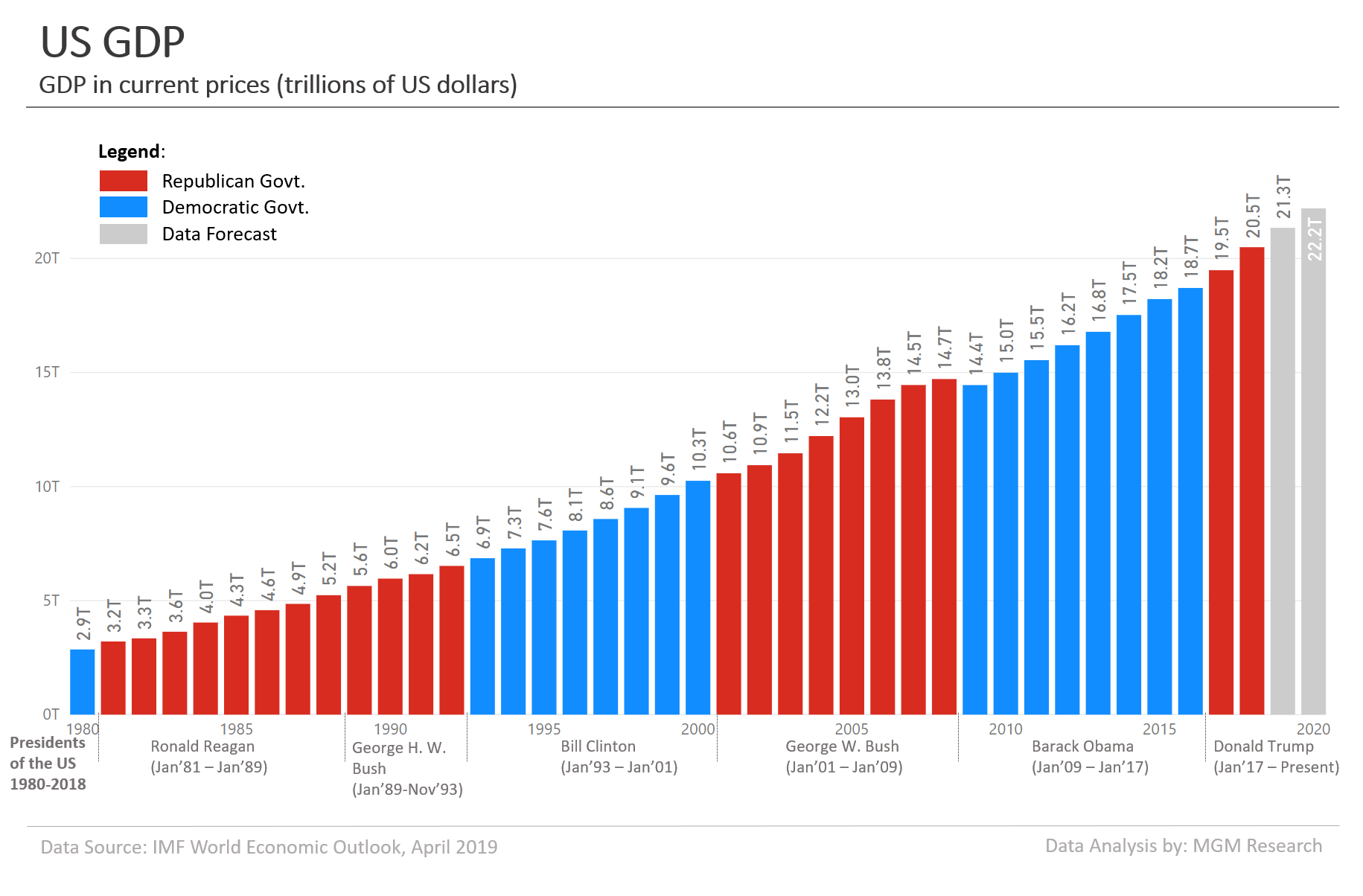
The development and widespread adoption of AI tools are prime examples of how the U.S. GDP underpins technological progress. The availability of substantial funding allows for the training of sophisticated AI models, the development of user-friendly applications, and the integration of AI into various industries. Similarly, the constant need for digital security solutions is driven by the expanding digital landscape, itself a product of a thriving economy. Companies invest heavily in cybersecurity to protect their assets and customer data, further contributing to the GDP.
Productivity and Efficiency Gains
Beyond just creating new technologies, the U.S. GDP supports the widespread adoption of tools and methodologies that enhance productivity across all sectors. This includes sophisticated software for project management, cloud computing services that enable scalability, and apps designed to streamline daily tasks. These digital solutions, often born from U.S. innovation, not only contribute to the GDP but also enhance the efficiency of businesses and individuals, further driving economic output.
Brand: Shaping Global Identity and Consumer Perception
The economic prowess of the USA directly influences the power and reach of its brands, both domestically and internationally. A strong economy provides the resources and platform for businesses to build powerful brand identities, engage in sophisticated marketing campaigns, and establish a strong reputation.
Brand Strategy and Corporate Identity
U.S. companies, particularly those with a global footprint, invest heavily in crafting robust brand strategies. This involves defining their core values, target audiences, and unique selling propositions. A significant GDP means these companies have the financial capacity to engage top-tier marketing and design agencies, conduct extensive market research, and develop compelling corporate identities that resonate with consumers worldwide. The economic strength of the nation allows for these investments to be made at scale.
Marketing and Global Reach
The ability to effectively market products and services is crucial for brand success. The U.S. economy supports vast advertising expenditures across various media – digital, television, print, and out-of-home. This financial muscle enables American brands to achieve significant global reach, influencing consumer preferences and purchasing decisions in markets far beyond U.S. borders. The economic stability of the USA also provides a reliable base from which brands can launch and sustain international marketing efforts.
Case Studies and Reputation Building
The success stories of American brands are often showcased as case studies in business schools and industry publications globally. This is a testament to the economic environment that allows for such achievements. A strong GDP fosters an ecosystem where innovation, quality, and effective branding can lead to sustained success. Building a positive reputation is an ongoing process that requires consistent delivery of value, which in turn is supported by a healthy economic foundation. The U.S. economy provides the stability and resources necessary for brands to invest in long-term reputation management.
Personal Branding in a Digital Age
The principles of brand strategy extend to personal branding as well. In the U.S., with its emphasis on entrepreneurship and individual achievement, the concept of personal branding is highly developed. The digital landscape, fueled by the U.S. tech sector and its economic backing, provides platforms for individuals to build their online presence, showcase their expertise, and connect with opportunities. This digital brand building is often a direct or indirect outcome of the nation’s overall economic prosperity.
Money: Personal Finance, Investing, and Business Acumen
The U.S. GDP is intrinsically linked to the financial landscape, impacting everything from individual savings and investment decisions to the health of global financial markets and the success of businesses.
Personal Finance and Investment Growth
A strong U.S. economy typically leads to higher employment rates and wage growth, empowering individuals to save and invest. The availability of a wide array of financial tools, from sophisticated investment platforms and retirement accounts to accessible credit, is a product of a mature and robust financial system that is itself a reflection of the nation’s GDP. This economic prosperity allows individuals to focus on optimizing their personal finances and growing their wealth through investments.
Online Income and Side Hustles
The digital economy, a significant driver of the modern U.S. GDP, has opened up numerous avenues for online income and side hustles. The accessibility of e-commerce platforms, freelance marketplaces, and digital content creation tools, all backed by substantial technological infrastructure and consumer spending, allows individuals to supplement their primary incomes. This entrepreneurial spirit is a direct beneficiary of a dynamic and growing economy.
Business Finance and Financial Tools
For businesses, the U.S. GDP signifies a large and often affluent consumer market, as well as access to significant capital. The availability of diverse financial tools – ranging from business loans and lines of credit to sophisticated accounting software and financial planning services – is crucial for business growth and management. These tools are developed and offered by a well-established financial sector, which is a cornerstone of the U.S. economy. Efficient business finance is essential for innovation, expansion, and ultimately, contributing further to the nation’s GDP.
The Interplay of Sectors
It’s important to recognize the symbiotic relationship between these sectors. Technological advancements often lead to new business models and brand opportunities. Effective brand building drives consumer demand, which fuels economic growth and supports investment in technology. A healthy financial system provides the capital necessary for both technological innovation and brand expansion. The GDP of the USA acts as the overarching engine that powers and interconnects these vital aspects of the modern world.
Conclusion: The USA’s GDP as a Global Economic Barometer
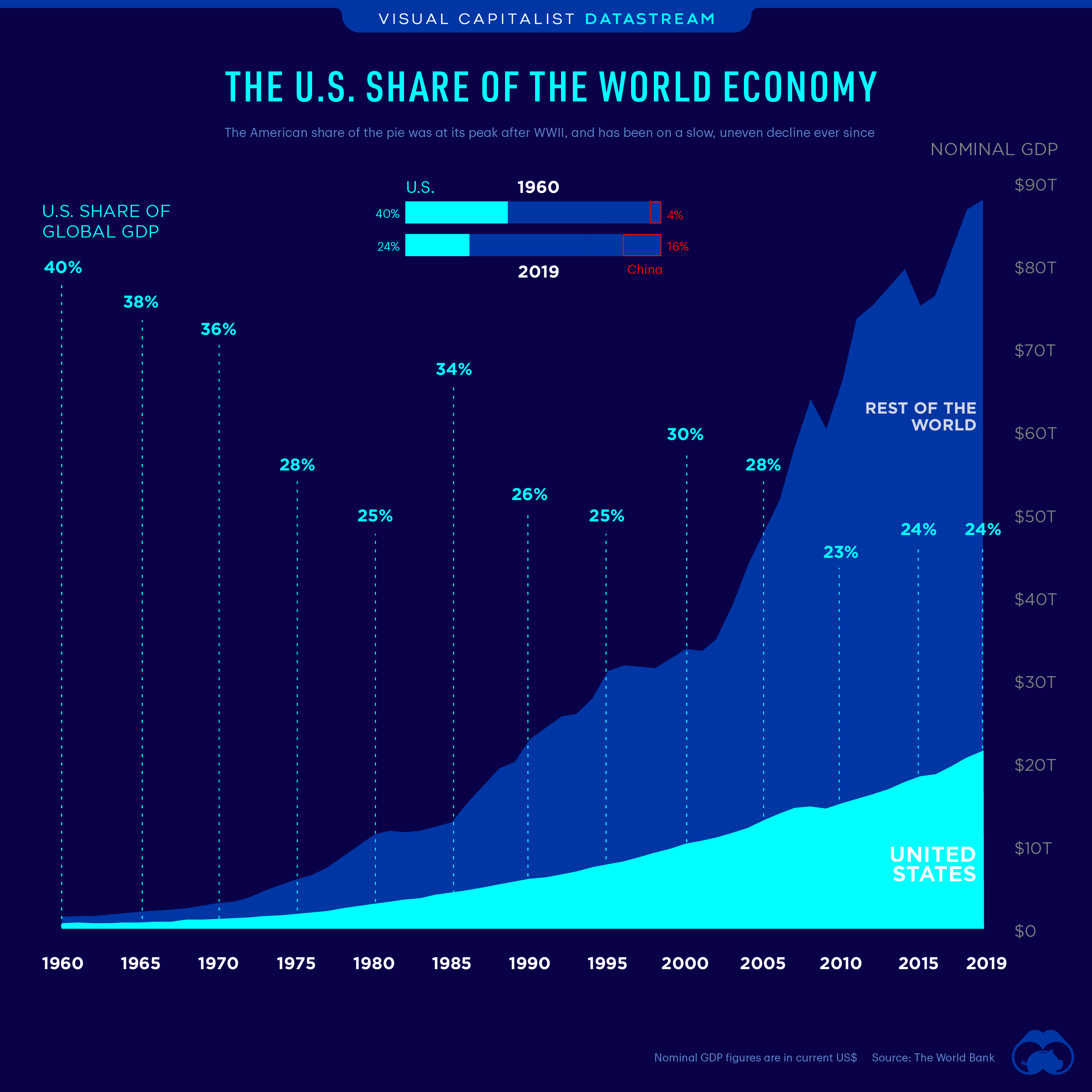
The Gross Domestic Product of the United States is more than just an economic statistic; it’s a powerful indicator of global economic health and a key driver of progress. Its immense scale influences technological innovation, shapes global brand perception, and underpins the financial well-being of individuals and businesses alike. As we continue to navigate an increasingly interconnected world, understanding the dynamics of the U.S. GDP provides invaluable insights into the forces shaping our technological future, the power of branding, and the intricate pathways of personal and global finance. It serves as a crucial barometer, reflecting not only the economic might of America but also its profound influence on the global stage.
aViewFromTheCave is a participant in the Amazon Services LLC Associates Program, an affiliate advertising program designed to provide a means for sites to earn advertising fees by advertising and linking to Amazon.com. Amazon, the Amazon logo, AmazonSupply, and the AmazonSupply logo are trademarks of Amazon.com, Inc. or its affiliates. As an Amazon Associate we earn affiliate commissions from qualifying purchases.