
The Erythrocyte Sedimentation Rate (ESR) is a common and valuable blood test that provides insights into the level of inflammation within your body. While the term might sound technical, understanding what it measures and why it’s performed is crucial for a comprehensive view of your health. This article will delve into the intricacies of the ESR test, explaining its purpose, the science behind it, what elevated results signify, and how it integrates with other diagnostic tools.
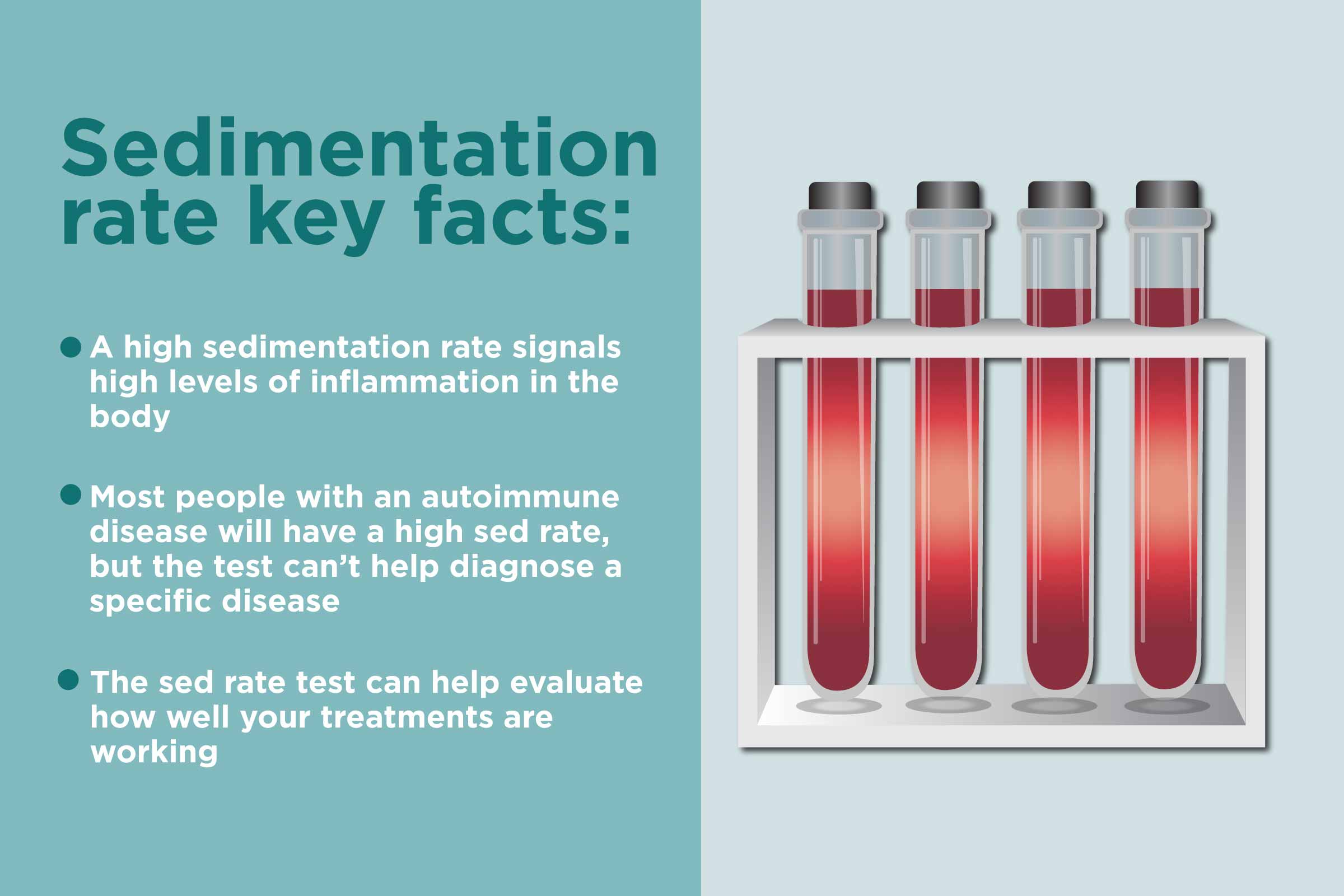
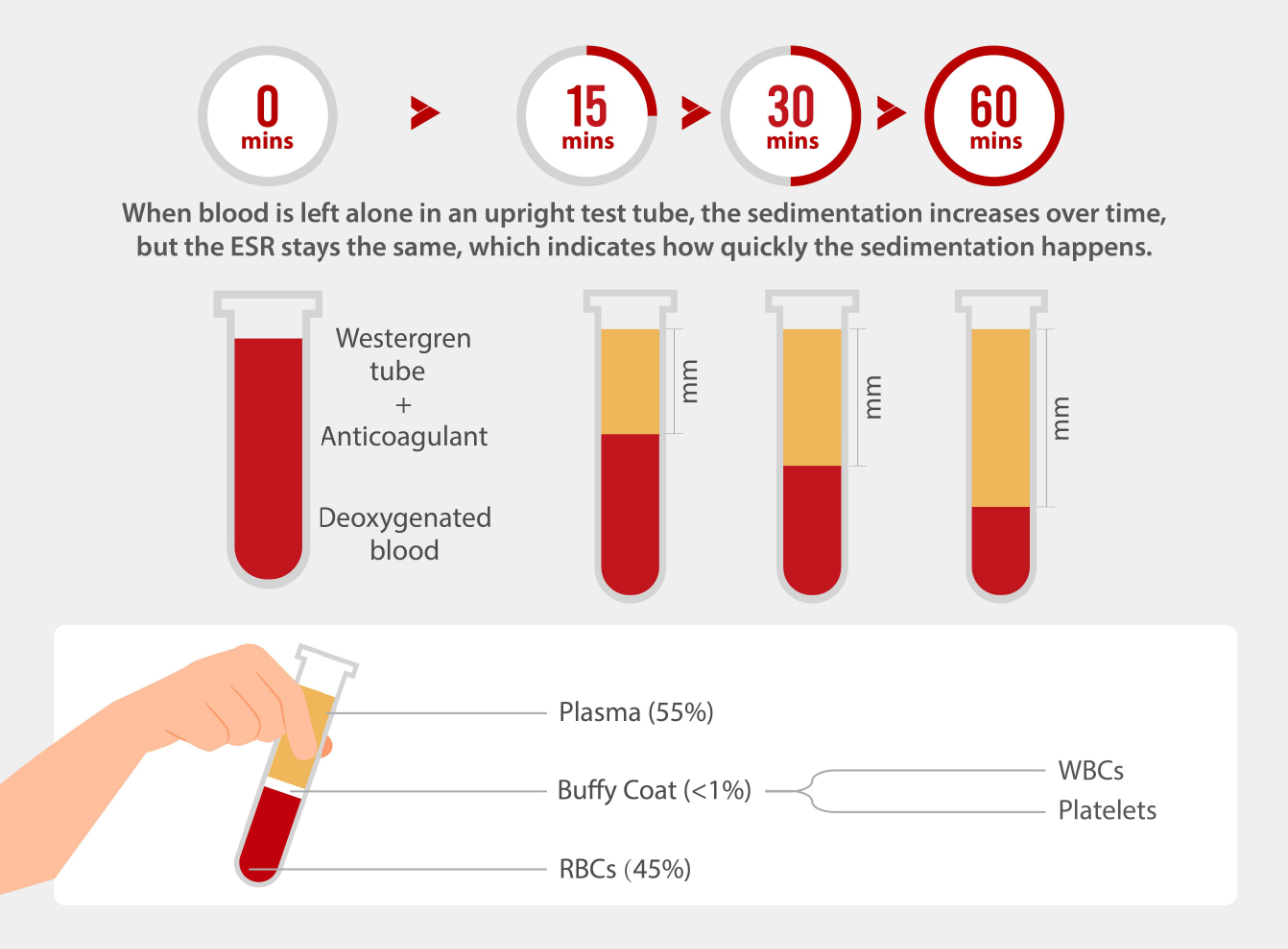
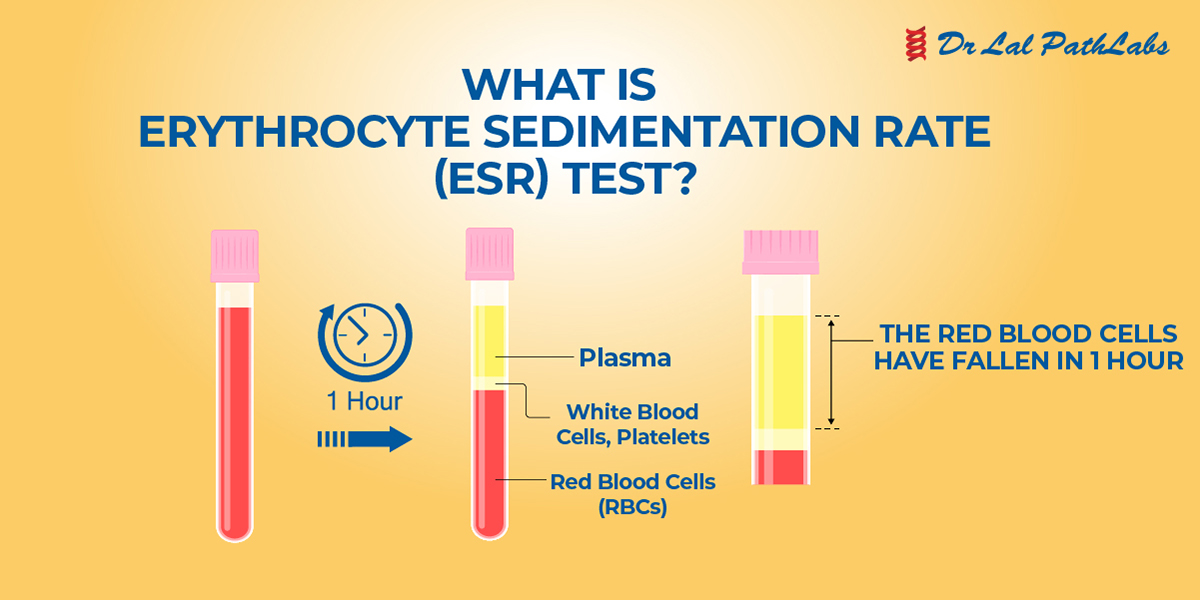
The ESR test is not a diagnostic test on its own; it acts as a screening tool, indicating that inflammation may be present. It’s like a flashing red light that tells your doctor to investigate further. When inflammation occurs, certain proteins in the blood, particularly fibrinogen, increase. These proteins cause red blood cells (erythrocytes) to clump together, making them heavier. As a result, they settle more quickly to the bottom of a test tube containing a blood sample. The ESR measures the rate at which this settling occurs, typically expressed in millimeters per hour (mm/hr).
The Science Behind the Sedimentation: How ESR Works
To truly grasp “what is ESR sedimentation rate,” we need to understand the underlying biological processes. The test itself is straightforward in its execution, but the interpretation hinges on physiological responses to inflammation.
Red Blood Cells and Their Role
Red blood cells are the most abundant cells in our blood, primarily responsible for transporting oxygen from the lungs to the body’s tissues and carbon dioxide from the tissues back to the lungs. Normally, red blood cells repel each other due to their negative electrical charge. This repulsion keeps them suspended individually in the plasma, the liquid component of blood.
Inflammation: The Trigger for Change
When the body encounters an injury, infection, or autoimmune condition, it triggers an inflammatory response. This is a complex defense mechanism designed to protect the body from harmful stimuli. During inflammation, the liver produces more acute-phase reactants. These are proteins that are released into the bloodstream in response to inflammation. Among the most significant of these is fibrinogen, a protein crucial for blood clotting.
Fibrinogen’s Influence on Red Blood Cells
Elevated levels of fibrinogen in the blood have a profound effect on red blood cells. Fibrinogen molecules bridge the gap between red blood cells, neutralizing their natural negative charge and causing them to aggregate or “rouleaux.” Imagine stacking coins; this is analogous to how red blood cells begin to stack up when fibrinogen levels rise. These stacked red blood cells, or rouleaux, are significantly heavier than individual cells and therefore sediment (fall) more rapidly within a blood sample.
The ESR Measurement: A Temporal Analysis
The ESR test is performed by drawing a small amount of blood into a specialized tube, usually containing an anticoagulant to prevent clotting. This blood is then placed in a tall, thin tube called a Westergren tube, and placed vertically. The lab technician measures the distance from the top of the plasma (the clear liquid) to the top of the red blood cell column after exactly one hour. The higher the distance the red blood cells have fallen, the higher the ESR.
Factors Influencing Red Blood Cell Sedimentation:
- Inflammation: As discussed, this is the primary driver.
- Plasma Protein Concentration: Increased levels of certain proteins, especially fibrinogen, accelerate sedimentation.
- Red Blood Cell Count and Shape: While less impactful than protein levels, significant abnormalities in red blood cell count or shape can also influence the rate. For instance, a very high red blood cell count might slightly slow sedimentation, while abnormally shaped cells could affect how they stack.
- Other Factors: Age, sex, pregnancy, and certain medications can also influence ESR values, which is why reference ranges are provided.
Interpreting ESR Results: What an Elevated Rate Can Mean
Understanding “what is ESR sedimentation rate” is incomplete without discussing the implications of abnormal findings. An elevated ESR is a signpost, not a definitive diagnosis. It indicates that further medical investigation is warranted to pinpoint the underlying cause.
Normal vs. Elevated ESR Values
Normal ESR values vary based on age and sex. Generally:
- Men under 50: 0-15 mm/hr
- Men over 50: 0-20 mm/hr
- Women under 50: 0-20 mm/hr
- Women over 50: 0-30 mm/hr
- Children: Typically lower than adults, with values varying significantly by age.
It’s important to remember that these are general guidelines, and your doctor will interpret your results in the context of your overall health, symptoms, and medical history.
Conditions Associated with Elevated ESR
An elevated ESR can be indicative of a wide range of inflammatory conditions. Some common examples include:
- Infections: Bacterial infections, such as pneumonia, urinary tract infections, or skin infections, often lead to a significant increase in ESR. Viral infections can also elevate ESR, though usually to a lesser extent.
- Autoimmune Diseases: These are conditions where the body’s immune system mistakenly attacks its own tissues. Examples include:
- Rheumatoid Arthritis (RA): A chronic inflammatory disorder affecting joints.
- Systemic Lupus Erythematosus (SLE) / Lupus: A systemic autoimmune disease that can affect various parts of the body.
- Polymyalgia Rheumatica (PMR): An inflammatory condition causing muscle pain and stiffness, particularly in the shoulders and hips.
- Vasculitis: Inflammation of blood vessels.
- Certain Cancers: Some types of cancer, particularly those that cause inflammation or involve the production of inflammatory proteins, can lead to elevated ESR. This includes lymphomas, multiple myeloma, and some solid tumors.
- Inflammatory Bowel Disease (IBD): Conditions like Crohn’s disease and ulcerative colitis involve chronic inflammation of the digestive tract.
- Kidney Disease: Chronic kidney disease can sometimes be associated with inflammation and elevated ESR.
- Thyroid Disease: Certain thyroid conditions can also influence ESR levels.
- Tissue Injury or Trauma: Significant injuries, surgery, or heart attacks can trigger an acute inflammatory response, temporarily increasing ESR.
The Importance of Context and Further Testing
It bears repeating: an elevated ESR is not a diagnosis. It signifies the presence of inflammation, but not its cause. Therefore, your doctor will not rely solely on the ESR result to make a diagnosis. Instead, they will consider it alongside:
- Your Symptoms: What are you experiencing? Pain, fatigue, fever, swelling, or other specific complaints are critical clues.
- Your Medical History: Have you had similar issues before? Do you have any pre-existing conditions?
- A Physical Examination: Your doctor will examine you for signs of inflammation, such as joint swelling, tenderness, or skin rashes.
- Other Blood Tests: ESR is often ordered as part of a broader blood work panel. Other tests, such as the C-reactive protein (CRP) test, complete blood count (CBC), and specific antibody tests, can provide more targeted information about inflammation and potential underlying causes. CRP is often a more sensitive and quicker indicator of acute inflammation than ESR.
- Imaging Studies: Depending on the suspected condition, your doctor may recommend X-rays, ultrasound, CT scans, or MRI scans to visualize affected areas.
When is the ESR Test Typically Ordered?
Understanding “what is ESR sedimentation rate” also involves knowing when this test is commonly used in clinical practice. Physicians order ESR tests for several key reasons, primarily as a screening tool and for monitoring disease activity.
Screening for Inflammation
One of the most common reasons for ordering an ESR is to screen for inflammation in individuals presenting with non-specific symptoms. If you report unexplained fatigue, fever, weight loss, or general malaise, your doctor might order an ESR to see if inflammation is a contributing factor. A normal ESR in such a scenario can help rule out many inflammatory conditions, potentially streamlining the diagnostic process.
Diagnosing and Monitoring Inflammatory Conditions
ESR plays a significant role in the diagnosis and management of specific inflammatory and autoimmune diseases.
- Diagnosis: For conditions like polymyalgia rheumatica and giant cell arteritis, an ESR is often significantly elevated and forms a key part of the diagnostic criteria, alongside clinical symptoms. While not sufficient on its own, a very high ESR can strongly suggest these conditions.
- Monitoring Disease Activity: For patients already diagnosed with chronic inflammatory conditions such as rheumatoid arthritis or lupus, the ESR is frequently used to track the effectiveness of treatment. A decreasing ESR generally indicates that the inflammation is responding well to medication and the disease is under control. Conversely, a rising ESR might signal a flare-up or that the current treatment is no longer effective. This allows doctors to adjust treatment strategies accordingly.
Differentiating Between Causes of Symptoms
While ESR is not specific, it can sometimes help differentiate between conditions. For example, in cases of joint pain, a high ESR might point towards an inflammatory cause like rheumatoid arthritis, whereas a normal ESR might suggest a non-inflammatory cause like osteoarthritis.
Factors That Can Affect ESR Results (Beyond Inflammation)
While inflammation is the primary driver of an elevated ESR, several other factors can influence the results, making it essential for healthcare professionals to consider these when interpreting the test. Understanding these nuances is a vital part of comprehending “what is ESR sedimentation rate.”
Physiological Factors
- Age: ESR values tend to increase with age. This is likely due to changes in plasma protein levels and possibly a decrease in red blood cell aggregation efficiency in younger individuals. Therefore, reference ranges are often adjusted for age.
- Sex: Women typically have slightly higher ESR values than men, particularly after menopause. This is also attributed to differences in plasma protein composition.
- Pregnancy: During pregnancy, ESR levels rise significantly due to increased levels of fibrinogen, a normal physiological response to prepare for childbirth. ESR typically returns to pre-pregnancy levels within a few weeks after delivery.
Medications
Certain medications can impact ESR results:
- Drugs that can increase ESR: These include some birth control pills, corticosteroids (though they can also decrease ESR in some inflammatory conditions), methyldopa, and theophylline.
- Drugs that can decrease ESR: Aspirin, ibuprofen, and other non-steroidal anti-inflammatory drugs (NSAIDs) can suppress inflammation and consequently lower ESR values. This is important because these medications might mask an elevated ESR that would otherwise indicate active inflammation.
Other Medical Conditions
- Anemia: In individuals with anemia (a deficiency of red blood cells), the red blood cells are less numerous. This can lead to a paradoxically slower sedimentation rate, as there are fewer cells to fall. In severe anemia, the ESR may be lower than expected for the degree of inflammation.
- Polycythemia: Conversely, a high red blood cell count (polycythemia) can make the blood thicker and slightly slow down the sedimentation rate.
- Certain Liver and Kidney Diseases: Significant changes in protein metabolism due to severe liver or kidney disease can affect plasma protein levels and, consequently, the ESR.
- Hypergammaglobulinemia: An increase in gamma globulins (a type of protein) in the blood, often seen in multiple myeloma and some autoimmune conditions, can lead to a significantly elevated ESR.
Technical Considerations
- Sample Handling: The way the blood sample is collected, stored, and handled can influence the ESR result. For example, delays in testing can sometimes affect the accuracy.
- Tube Type: While the Westergren method is standard, slight variations in tube dimensions can exist.
Because of these influencing factors, an ESR result should always be interpreted by a qualified healthcare professional who can correlate it with the patient’s overall clinical picture, symptoms, and other laboratory findings.
ESR vs. CRP: Complementary Inflammatory Markers
When discussing inflammation, the Erythrocyte Sedimentation Rate (ESR) is often mentioned alongside another common blood test: C-reactive protein (CRP). Both are markers of inflammation, but they differ in their kinetics and what they can indicate. Understanding these differences helps clarify “what is ESR sedimentation rate” and its place in a diagnostic workup.
C-Reactive Protein (CRP): A Faster Responser
CRP is a protein produced by the liver in response to inflammation. It is considered an “acute-phase reactant,” meaning its levels rise and fall relatively quickly in response to changes in inflammatory status.
- Speed: CRP levels can increase within hours of the onset of inflammation and peak within 24-48 hours. They also decrease more rapidly than ESR when the inflammation subsides.
- Sensitivity: CRP is generally considered more sensitive than ESR to acute inflammation. This means it can detect inflammation earlier and more reliably.
- Specificity: Like ESR, CRP is not specific to any single disease. It indicates inflammation but not its cause.
Key Differences and When Each Might Be Preferred
| Feature | ESR (Erythrocyte Sedimentation Rate) | CRP (C-reactive Protein) |
|---|---|---|
| Response Time | Slower to rise and fall; reflects chronic or sustained inflammation. | Faster to rise and fall; reflects acute inflammation. |
| Sensitivity | Less sensitive to acute inflammation, but can be very high in chronic inflammatory conditions. | More sensitive to acute inflammation. |
| Half-life | Relatively long (days). | Relatively short (hours). |
| Influencing Factors | Age, sex, anemia, certain medications, pregnancy, plasma protein abnormalities. | Less influenced by factors like anemia or sex (though can be slightly affected by pregnancy). Primarily driven by inflammation. |
| Diagnostic Use | Useful for monitoring chronic inflammatory conditions (e.g., RA, lupus), screening for inflammation, and diagnosing conditions like PMR. | Useful for detecting acute infections, monitoring post-operative inflammation, and assessing risk of cardiovascular disease. |
Complementary Roles:
Often, both ESR and CRP are measured concurrently.
- If both ESR and CRP are elevated, it strongly suggests an inflammatory process is occurring.
- If CRP is significantly elevated and ESR is only mildly elevated or normal, it might indicate a more acute inflammatory event.
- If ESR is significantly elevated and CRP is normal or only mildly elevated, it might suggest a more chronic inflammatory condition, or that the ESR is elevated due to non-inflammatory factors (like anemia).
In essence, ESR provides a broader, longer-term view of inflammation, while CRP offers a snapshot of the body’s immediate inflammatory response. Together, they provide a more comprehensive picture for diagnosis and monitoring.
Conclusion: ESR as a Vital Component of Health Assessment
The Erythrocyte Sedimentation Rate (ESR) is a cornerstone in the assessment of inflammatory processes within the body. While its name might suggest a simple measurement, the underlying biology is a sophisticated interplay of red blood cells, plasma proteins, and the body’s immune response.
Understanding “what is ESR sedimentation rate” reveals its utility as a sensitive indicator that inflammation is present, prompting further investigation. It is not a standalone diagnostic test but rather a valuable screening tool that, when interpreted by a healthcare professional, can guide the diagnostic journey. By considering the ESR alongside patient symptoms, medical history, physical examination, and other laboratory tests like CRP, doctors can effectively identify and manage a wide array of inflammatory and autoimmune conditions.
From its role in diagnosing conditions like polymyalgia rheumatica to monitoring the efficacy of treatments for rheumatoid arthritis, the ESR test continues to be an indispensable part of modern medicine, offering crucial insights into the dynamic state of a patient’s health.
aViewFromTheCave is a participant in the Amazon Services LLC Associates Program, an affiliate advertising program designed to provide a means for sites to earn advertising fees by advertising and linking to Amazon.com. Amazon, the Amazon logo, AmazonSupply, and the AmazonSupply logo are trademarks of Amazon.com, Inc. or its affiliates. As an Amazon Associate we earn affiliate commissions from qualifying purchases.