
Sodium, an essential mineral, plays a critical role in maintaining fluid balance, nerve function, and muscle contraction within our bodies. It’s a vital electrolyte that helps regulate blood pressure and is present in many natural foods. However, the modern diet, heavily influenced by processed and restaurant-prepared foods, often leads to excessive sodium intake. This pervasive presence of sodium raises a crucial question for many: what exactly is considered high sodium? Understanding this threshold is paramount for making informed dietary choices and safeguarding long-term health.
While the term “high sodium” might seem straightforward, its definition is nuanced and often tied to specific health guidelines and recommendations. It’s not a static number but rather a range that signifies a potential risk for certain health conditions, primarily cardiovascular disease. To truly grasp what constitutes high sodium intake, we need to delve into the scientific recommendations, explore the typical sources of sodium in our diets, and understand the health implications of consuming too much of it.

Understanding Sodium Recommendations: Setting the Benchmarks
The definition of “high sodium” is largely determined by health organizations and dietary guidelines established by reputable scientific bodies. These recommendations aim to provide a safe upper limit for daily sodium consumption, mitigating the risks associated with excess intake.
Dietary Guidelines and Recommended Daily Intake
The most influential guidelines come from organizations like the Dietary Guidelines for Americans and the World Health Organization (WHO). These bodies conduct extensive research and analyze the latest scientific evidence to establish optimal nutrient intake levels.
-
Dietary Guidelines for Americans: These guidelines recommend limiting sodium intake to less than 2,300 milligrams (mg) per day. This is equivalent to about one teaspoon of table salt. This benchmark is particularly important for adults and most children over the age of 14.
-
World Health Organization (WHO): The WHO also advocates for a similar limit, recommending that adults consume less than 2,000 mg of sodium per day. This translates to slightly less than one teaspoon of salt. For individuals with specific health conditions, this recommendation might be even lower.
It’s important to note that these are upper limits, not daily requirements. The body needs only a small amount of sodium to function properly. Exceeding these limits consistently can have detrimental health effects.
Differentiating “High” from “Adequate” and “Excessive”
While the 2,300 mg mark is the generally accepted upper limit for “normal” consumption before it’s considered potentially “high,” it’s helpful to differentiate between various levels:
-
Adequate Intake (AI): This refers to the average daily nutrient intake level that is assumed to be adequate for the nutritional needs of nearly all people in a specific life stage and gender group. For sodium, the AI is much lower, typically around 1,500 mg per day for most adults. This highlights how much our typical intake often surpasses our actual needs.
-
High Sodium: Generally, consumption exceeding the 2,300 mg per day guideline is considered high sodium intake. However, for certain individuals, even levels below this can be problematic.
-
Excessive Sodium: This term often implies a significant and consistent overconsumption that poses a clear and present danger to health. While the 2,300 mg mark is the trigger for concern, chronic intake significantly above this could be labeled as excessive.
Sodium Content on Food Labels: Understanding the % Daily Value
Food manufacturers are required to provide nutritional information on their products, including sodium content. A crucial element on these labels is the % Daily Value (%DV). This percentage indicates how much a nutrient in a serving of food contributes to a total daily diet.
- 5% DV or less of sodium per serving is considered low.
- 20% DV or more of sodium per serving is considered high.
When trying to manage sodium intake, paying attention to the %DV can be a quick and effective way to identify high-sodium foods. A product that lists 20% DV for sodium means that one serving provides one-fifth of the recommended daily limit of 2,300 mg.
The Pervasive Sources of Sodium in Our Diet
Understanding what constitutes high sodium is only half the battle. The other crucial aspect is recognizing where this sodium is coming from. In today’s food landscape, sodium is often hidden in plain sight, making it challenging to avoid.
Processed Foods: The Primary Culprit
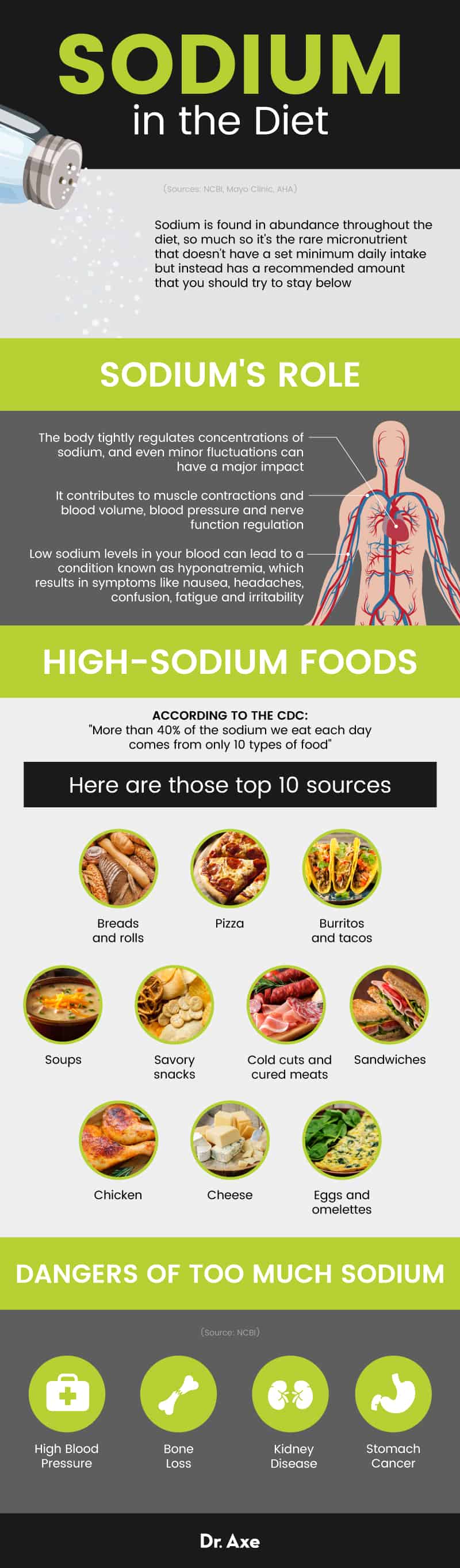
The vast majority of sodium consumed in Western diets comes not from the salt shaker but from processed and restaurant foods. These items are often engineered for taste, shelf stability, and cost-effectiveness, with sodium playing a key role in all three.
-
Canned Goods: Soups, vegetables, beans, and broths are notorious for their high sodium content, often added as a preservative and flavor enhancer.
-
Packaged Meals and Snacks: Frozen dinners, instant noodles, chips, crackers, pretzels, and processed meats (like bacon, sausages, and deli meats) are typically loaded with sodium.
-
Sauces and Condiments: Ketchup, soy sauce, salad dressings, pickles, and marinades can contribute significant amounts of sodium to a meal.

-
Baked Goods: Even seemingly innocuous items like bread, bagels, and pastries can contain surprisingly high levels of sodium.
-
Breakfast Cereals: Many breakfast cereals, especially those marketed as savory or fortified, can be high in sodium.
Restaurant and Fast Food: A Sodium Minefield
Eating out, whether at a fast-food establishment or a sit-down restaurant, often means encountering high levels of sodium. Chefs and food manufacturers use sodium to enhance flavor, and portion sizes can further exacerbate the issue.
-
Restaurant Meals: A single meal at a restaurant can easily exceed the 2,300 mg daily limit. Dishes like pasta with creamy sauces, stir-fries, pizzas, and even seemingly healthy options like grilled chicken or fish can be prepared with significant amounts of added salt.
-
Fast Food: The convenience of fast food often comes with a hidden sodium cost. Burgers, fries, fried chicken, and wraps are typically very high in sodium.
Natural Sources: A Smaller Contribution
While processed and restaurant foods are the primary drivers of high sodium intake, it’s worth noting that some natural foods also contain sodium. However, the amounts are generally much lower and less concerning when consumed in their whole, unprocessed form.
- Dairy Products: Milk, cheese, and yogurt naturally contain some sodium.
- Meats and Poultry: These protein sources have a small amount of inherent sodium.
- Vegetables and Fruits: While generally low in sodium, some vegetables like celery and beets contain slightly higher amounts.
The key difference lies in the added sodium in processed and restaurant foods. It’s the intentional addition of salt during manufacturing and preparation that significantly elevates sodium levels and poses the health risk.
The Health Implications of High Sodium Intake
Consistently consuming high amounts of sodium can have profound and far-reaching consequences for our health, primarily impacting the cardiovascular system. The body tries to maintain a delicate balance of fluids and electrolytes, and an overload of sodium disrupts this equilibrium.
Hypertension and Cardiovascular Disease: The Primary Concerns
The most well-established link between high sodium intake and health is its role in the development and exacerbation of hypertension, commonly known as high blood pressure.
-
Mechanism of Action: When you consume excess sodium, your body retains more water to dilute the sodium concentration in your bloodstream. This increased fluid volume leads to higher pressure against your blood vessel walls, elevating blood pressure. Over time, this sustained high pressure can damage blood vessels, the heart, and other organs.
-
Increased Risk of Heart Attack and Stroke: High blood pressure is a major risk factor for heart disease, including heart attacks and strokes. It forces the heart to work harder, leading to thickening of the heart muscle and making it more susceptible to damage.
-
Kidney Disease: The kidneys play a crucial role in filtering waste and excess fluid from the blood. High blood pressure can damage the delicate blood vessels in the kidneys, impairing their function and potentially leading to kidney disease.
Other Potential Health Risks Associated with Excess Sodium
Beyond cardiovascular health, excessive sodium consumption has been linked to other health issues:
-
Osteoporosis: Some research suggests that a high sodium intake can increase the amount of calcium excreted in the urine, which could potentially contribute to bone loss over time and increase the risk of osteoporosis.
-
Stomach Cancer: Studies have indicated a possible association between high sodium intake and an increased risk of stomach cancer, though the exact mechanisms are still being investigated.
-
Fluid Retention and Bloating: As mentioned earlier, excess sodium causes the body to retain water, leading to bloating, puffiness, and discomfort.
-
Increased Thirst: The body’s attempt to dilute excess sodium naturally leads to increased feelings of thirst.
Recognizing the Silent Danger
Often, high blood pressure, a direct consequence of high sodium intake, is a silent condition with no noticeable symptoms in its early stages. This makes regular blood pressure checks crucial for individuals aiming to manage their sodium intake and overall health. By understanding what constitutes high sodium and actively seeking to reduce it, individuals can take a significant step in preventing or managing these serious health conditions.
In conclusion, while sodium is an essential nutrient, the amount commonly consumed in modern diets far exceeds our needs. What is considered high sodium is defined by health guidelines recommending less than 2,300 mg per day, a benchmark frequently surpassed due to the prevalence of processed foods and restaurant meals. Being aware of these recommendations, identifying hidden sodium sources, and understanding the profound health implications of excess intake are critical steps towards a healthier lifestyle.
aViewFromTheCave is a participant in the Amazon Services LLC Associates Program, an affiliate advertising program designed to provide a means for sites to earn advertising fees by advertising and linking to Amazon.com. Amazon, the Amazon logo, AmazonSupply, and the AmazonSupply logo are trademarks of Amazon.com, Inc. or its affiliates. As an Amazon Associate we earn affiliate commissions from qualifying purchases.