
In today’s hyper-connected world, the term “cloud computing services” is ubiquitous. It’s the invisible engine powering everything from your favorite streaming service to sophisticated business operations. But what exactly is cloud computing, and why has it become so integral to our digital lives and the way businesses operate? This article dives deep into the fundamental concepts of cloud computing services, exploring its core principles, different service models, deployment options, and the myriad benefits it offers across technology, branding, and financial landscapes.
The Core Concepts: Demystifying the Cloud
At its heart, cloud computing refers to the delivery of computing services – including servers, storage, databases, networking, software, analytics, and intelligence – over the Internet (“the cloud”). Instead of owning and maintaining physical data centers and servers, organizations and individuals can access these resources on-demand from a cloud provider. This fundamental shift liberates users from the complexities of hardware management, allowing them to focus on their core objectives.
Think of it like electricity. You don’t need to own a power plant to use electricity; you simply plug into the grid and pay for what you consume. Cloud computing operates on a similar utility-based model. You access computing power, storage capacity, or software applications as a service, scaling your usage up or down as needed, and typically paying only for what you use. This pay-as-you-go model offers significant cost advantages and agility.
Key Characteristics of Cloud Computing Services
Several defining characteristics distinguish cloud computing from traditional IT infrastructure:
- On-Demand Self-Service: Users can provision computing capabilities, such as server time and network storage, as needed automatically without requiring human interaction with each service provider. This empowers users to be agile and respond quickly to changing demands.
- Broad Network Access: Capabilities are available over the network and accessed through standard mechanisms that promote use by heterogeneous thin or thick client platforms (e.g., mobile phones, tablets, laptops, and workstations).
- Resource Pooling: The provider’s computing resources are pooled to serve multiple consumers using a multi-tenant model, with different physical and virtual resources dynamically assigned and reassigned according to consumer demand. This means you’re sharing resources with other users, which contributes to the cost-effectiveness.
- Rapid Elasticity: Capabilities can be elastically provisioned and released, in some cases automatically, to scale rapidly outward and inward commensurate with demand. To the consumer, the capabilities available for provisioning often appear to be unlimited and can be appropriated in any quantity at any time.
- Measured Service: Cloud systems automatically control and optimize resource use by leveraging a metering capability at some level of abstraction appropriate to the type of service (e.g., storage, processing, bandwidth, and active user accounts). Resource usage can be monitored, controlled, and reported, providing transparency for both the provider and the consumer of the utilized service.
These characteristics enable the flexibility, scalability, and cost-efficiency that have made cloud computing so transformative.
The Pillars of Cloud Computing: Service Models Explained
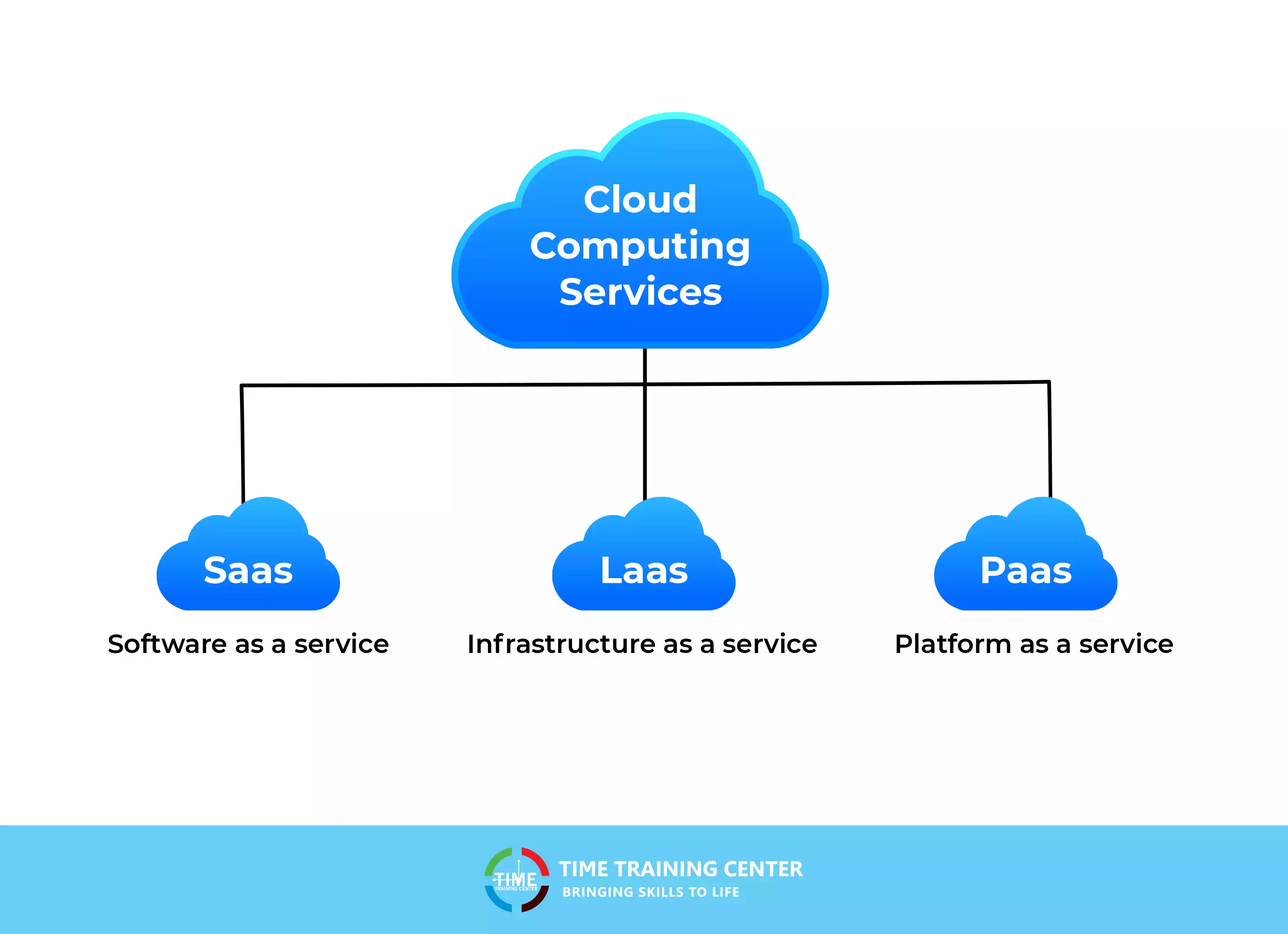
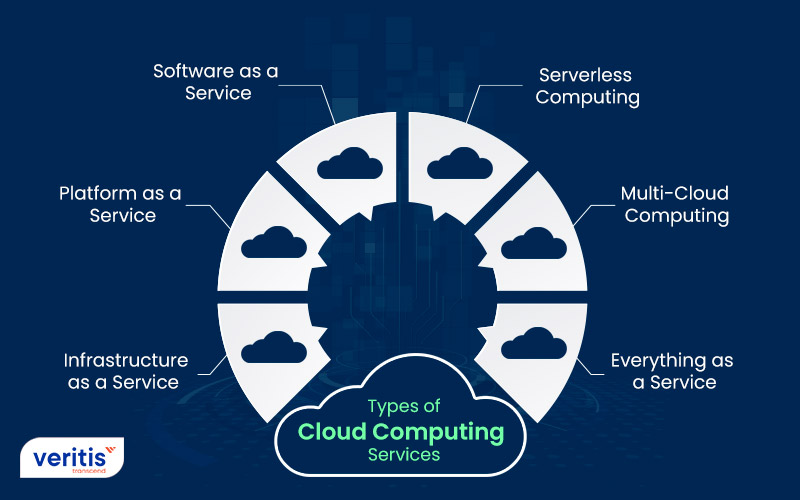
Cloud computing services are broadly categorized into three main models, each offering different levels of control and management for the user:
1. Infrastructure as a Service (IaaS)
IaaS provides the fundamental building blocks of IT infrastructure. It offers access to computing resources like virtual machines, storage, and networking on a pay-as-you-go basis. With IaaS, you rent IT infrastructure from a cloud provider on an operating lease. This is the most flexible cloud computing model, as it provides you with the greatest control over your infrastructure.
- What it offers: Virtual servers, storage space, networking components, operating systems.
- Who uses it: IT administrators, developers who need granular control over their server environment, companies migrating legacy applications to the cloud.
- Benefits: High flexibility and control, cost savings compared to on-premises hardware, rapid scalability.
- Examples: Amazon Web Services (AWS) EC2, Microsoft Azure Virtual Machines, Google Compute Engine.
With IaaS, you’re responsible for managing the operating system, middleware, and applications, while the cloud provider manages the underlying physical infrastructure. This is akin to renting an empty apartment – you get the space and utilities, but you furnish and decorate it yourself.
2. Platform as a Service (PaaS)
PaaS removes the need for you to manage the underlying infrastructure (usually hardware and operating systems) and allows you to focus on the deployment and management of your applications. PaaS is a development environment in the cloud. It enables you to build and deploy applications without the complexity of managing the infrastructure typically associated with development.
- What it offers: A platform for developing, running, and managing applications, including operating systems, programming language execution environments, databases, and web servers.
- Who uses it: Developers who want to streamline the application development process, companies building custom applications.
- Benefits: Faster development cycles, reduced operational overhead, scalability for applications.
- Examples: Heroku, Google App Engine, AWS Elastic Beanstalk, Microsoft Azure App Service.
PaaS is like renting a fully equipped workshop. You have all the tools and machinery to build your product, and you don’t have to worry about maintaining the workshop itself. This model is ideal for businesses focused on innovation and rapid application deployment.
3. Software as a Service (SaaS)
SaaS is a software licensing and delivery model in which software is licensed on a subscription basis and is centrally hosted. It is typically accessed by users via a web browser. With SaaS, cloud providers host the application and underlying infrastructure and manage any necessary maintenance, such as software upgrades and security patching.
- What it offers: Ready-to-use applications accessible over the internet.
- Who uses it: End-users for everyday tasks, businesses of all sizes looking for readily available software solutions.
- Benefits: Ease of use, no installation or management required, predictable costs, accessibility from any device with an internet connection.
- Examples: Google Workspace (Gmail, Docs, Drive), Microsoft 365 (Word, Excel, Outlook), Salesforce, Slack, Zoom.
SaaS is like subscribing to a streaming service. You get access to a vast library of content without needing to own any physical media or manage any playback devices. You simply log in and enjoy. This model is the most common for end-users and offers the lowest barrier to entry.
Cloud Deployment Models: Where Does Your Data Live?
Beyond the service models, cloud computing also offers different deployment options, determining where and how the cloud infrastructure is managed:
1. Public Cloud
In a public cloud, all hardware, software, and other supporting infrastructure are owned and operated by a third-party cloud service provider. They deliver their computing resources, like servers and storage, over the public Internet to multiple organizations.
- Characteristics: Highly scalable, cost-effective, no upfront investment, managed by a third party.
- Use Cases: Web hosting, development and testing environments, applications with fluctuating demand.
- Providers: AWS, Azure, Google Cloud Platform.
Public clouds offer the greatest flexibility and economies of scale, making them an attractive option for many businesses.
2. Private Cloud
A private cloud is cloud computing resources used exclusively by a single business. It can be physically located at the organization’s on-site data center, or it can be hosted by a third-party service provider. A private cloud offers the highest level of security and control.
- Characteristics: Enhanced security and privacy, greater control over infrastructure, dedicated resources.
- Use Cases: Organizations with strict regulatory compliance needs, sensitive data, or specific performance requirements.
- Management: Can be managed internally or by a third party.
While offering more control, private clouds typically require a larger upfront investment and ongoing management effort.
3. Hybrid Cloud
A hybrid cloud combines public and private clouds, bound together by technology that allows data and applications to be shared between them. This provides businesses with greater flexibility and more deployment options. For example, you can use the public cloud for less sensitive tasks and the private cloud for critical operations.
- Characteristics: Combines the benefits of both public and private clouds, flexibility, scalability, cost optimization.
- Use Cases: Businesses that want to leverage public cloud scalability while keeping sensitive data in a private environment, disaster recovery solutions, bursting workloads.
Hybrid clouds offer a balanced approach, allowing organizations to optimize for cost, security, and performance based on specific workloads.
4. Multi-Cloud
A multi-cloud strategy involves using services from more than one cloud provider (e.g., using AWS for some services and Azure for others). This approach aims to avoid vendor lock-in, leverage best-of-breed services from different providers, and improve resilience.
- Characteristics: Avoids vendor lock-in, access to specialized services, increased resilience.
- Use Cases: Companies seeking to diversify their cloud presence, leverage unique offerings from multiple providers.
The Far-Reaching Impact: Cloud Computing Across Tech, Brand, and Money
The influence of cloud computing extends far beyond IT departments, fundamentally reshaping how businesses operate, how brands are built, and how individuals manage their finances.
Impact on Tech: Fueling Innovation and Agility
From a Tech perspective, cloud computing is the bedrock of modern innovation.
- AI Tools and Machine Learning: The massive computational power and data storage offered by cloud platforms are essential for training and deploying complex AI models. Startups and established companies alike can access cutting-edge AI tools without the prohibitive cost of on-premises supercomputers. This democratizes AI, accelerating advancements in areas like natural language processing, computer vision, and predictive analytics.
- Software Development and Deployment: PaaS and SaaS models have revolutionized software development. Developers can spin up environments, deploy applications, and scale them rapidly, significantly reducing time-to-market. Containerization technologies like Docker and orchestration platforms like Kubernetes, which are often managed by cloud providers, further enhance agility.
- Digital Security: Cloud providers invest heavily in state-of-the-art security measures, often surpassing what individual organizations can afford or implement. While the responsibility for security is shared, the cloud offers robust tools and services for data protection, threat detection, and compliance, enabling better Digital Security practices.
- Productivity and Collaboration: SaaS applications like Google Workspace and Microsoft 365 have transformed workplace productivity. Teams can collaborate seamlessly on documents, communicate efficiently, and access information from anywhere, anytime, breaking down geographical barriers and fostering remote work.
Impact on Brand: Enhancing Reach, Reputation, and Identity
For Brand building and management, cloud computing provides powerful tools and platforms.
- Scalable Marketing Campaigns: Cloud-based marketing automation platforms and analytics tools allow businesses to manage sophisticated, data-driven campaigns that can scale effortlessly with demand. This enables personalized customer engagement and broader reach.
- Content Management and Delivery: Content Delivery Networks (CDNs) powered by cloud infrastructure ensure that websites and applications load quickly and reliably for users worldwide, crucial for maintaining a positive user experience and brand perception.
- Customer Relationship Management (CRM): Cloud-based CRMs centralize customer data, providing a unified view of customer interactions. This allows for more personalized service, improved sales processes, and ultimately, stronger customer relationships – a key aspect of Corporate Identity and Reputation.
- Brand Monitoring and Reputation Management: Cloud analytics tools can monitor social media, news, and online reviews to track brand sentiment and identify potential reputational issues. This real-time insight allows for proactive management of a brand’s public image.
- Personal Branding: Even individuals can leverage cloud services for personal branding. Cloud-based website builders, social media management tools, and portfolio platforms make it easier to establish and maintain a professional online presence.
Impact on Money: Driving Efficiency, Income, and Financial Management
The financial implications of cloud computing are profound, impacting both personal and business finances.
- Cost Optimization: The pay-as-you-go model of cloud services allows businesses to convert capital expenditures (buying servers) into operational expenditures (paying for usage). This predictability and flexibility can lead to significant cost savings, particularly for startups and small businesses.
- Online Income and Side Hustles: Cloud-based platforms are essential for many online income streams. E-commerce platforms, freelance marketplaces, and content creation tools all rely on cloud infrastructure, enabling individuals to build and manage their Side Hustles and generate Online Income.
- Financial Tools and Personal Finance: Numerous personal finance applications and investment platforms are cloud-based, offering users convenient access to budgeting tools, investment tracking, and financial advice. These Financial Tools empower individuals to manage their Personal Finance more effectively.
- Business Finance and Analytics: Cloud platforms provide powerful tools for Business Finance, including accounting software, financial planning tools, and business intelligence dashboards. These enable better financial forecasting, resource allocation, and strategic decision-making.
- Investing and Trading Platforms: Online brokers and trading platforms are built on robust cloud infrastructure, providing investors with real-time market data, trading capabilities, and portfolio management tools, facilitating Investing.

Conclusion: The Indispensable Cloud
Cloud computing services have moved from a niche technological offering to an indispensable component of modern life and business. By abstracting away the complexities of IT infrastructure, the cloud empowers individuals and organizations to be more agile, innovative, and efficient. Whether you’re a startup launching a new app, a growing business optimizing its operations, or an individual managing your finances, understanding cloud computing services is no longer optional – it’s essential for navigating the digital landscape and unlocking new opportunities in technology, branding, and financial well-being. The continuous evolution of cloud technology promises even more transformative advancements in the years to come.
aViewFromTheCave is a participant in the Amazon Services LLC Associates Program, an affiliate advertising program designed to provide a means for sites to earn advertising fees by advertising and linking to Amazon.com. Amazon, the Amazon logo, AmazonSupply, and the AmazonSupply logo are trademarks of Amazon.com, Inc. or its affiliates. As an Amazon Associate we earn affiliate commissions from qualifying purchases.