
Piles, also known medically as hemorrhoids, are a common and often uncomfortable condition affecting a significant portion of the adult population. While the immediate symptoms of piles – itching, pain, and bleeding – are well-known, the underlying causes can be a bit more complex and often stem from lifestyle factors and physiological changes. This article aims to delve into the root causes of piles, exploring how everyday habits and bodily processes can contribute to their development. We will examine the interplay of pressure, genetics, and other contributing elements, offering a comprehensive understanding of why piles occur.
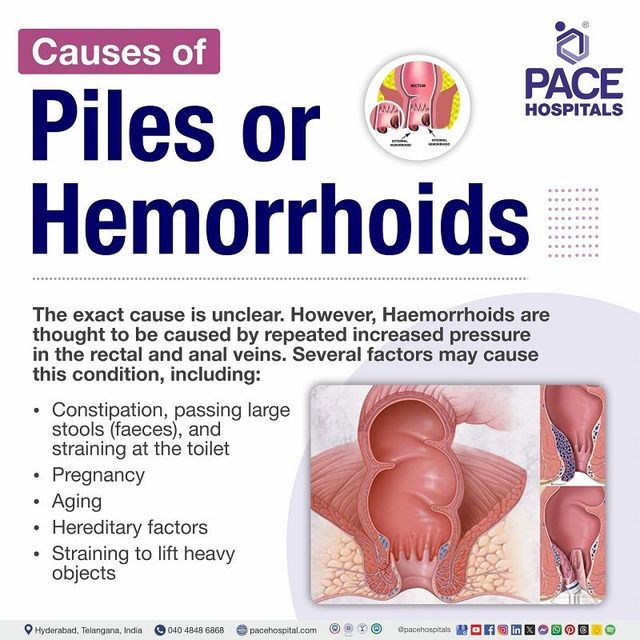
The Core Culprit: Increased Pressure in the Anorectal Region
At its heart, the formation of piles is a consequence of prolonged and excessive pressure on the veins within the anal canal and lower rectum. These veins, like those elsewhere in the body, are designed to carry blood back towards the heart. However, when this pressure becomes chronic, these veins can swell and become inflamed, leading to the development of piles.
The Role of Constipation and Straining
Perhaps the most frequently cited cause of piles is chronic constipation. When stools are hard and difficult to pass, individuals tend to strain excessively during bowel movements. This straining dramatically increases intra-abdominal pressure, which in turn exerts significant pressure on the rectal veins.
- Hard Stools: A diet low in fiber is a primary contributor to hard stools. Fiber, found abundantly in fruits, vegetables, and whole grains, adds bulk to the stool, making it softer and easier to pass. Without adequate fiber, the colon absorbs more water, resulting in dry, compacted feces that require considerable effort to expel.
- Dehydration: Insufficient fluid intake exacerbates constipation. Water is crucial for keeping stools hydrated and pliable. When the body is dehydrated, the colon conserves water, leading to harder stools.
- Infrequent Bowel Movements: Holding in bowel movements can also contribute to the problem. When stool remains in the colon for extended periods, more water is absorbed, making it harder. The urge to defecate is a signal from the body that should ideally be heeded promptly.
- Straining During Bowel Movements: The act of straining itself is a direct cause of increased pressure. This involves bearing down with abdominal muscles, which compresses the veins in the anal area. Over time, repeated straining can weaken the supportive tissues around these veins, allowing them to prolapse or bulge.
Prolonged Sitting and Standing
Both prolonged periods of sitting and standing can contribute to the development of piles, albeit through slightly different mechanisms.
- Prolonged Sitting: Sitting for extended durations, particularly on hard surfaces, can impede blood flow in the lower extremities and the anorectal region. The constant downward force of gravity, combined with a lack of movement to promote circulation, can lead to pooling of blood and increased pressure in the rectal veins. This is a common issue for individuals with sedentary jobs or those who spend a lot of time commuting or traveling.
- Prolonged Standing: Conversely, standing for long periods can also put undue pressure on the veins in the lower body, including those in the anal canal. The constant gravitational pull can make it harder for blood to return to the heart, leading to engorgement of the veins. This is often seen in professions that require individuals to be on their feet for most of the workday, such as retail workers, nurses, or factory employees.
Pregnancy and Childbirth
Pregnancy is a significant risk factor for the development of piles, and this is due to a combination of physiological changes that occur during this period.
- Increased Intra-abdominal Pressure: As the uterus grows and expands to accommodate the developing fetus, it exerts increasing pressure on the pelvic organs, including the rectum and its surrounding veins. This external pressure can constrict blood flow and contribute to swelling.
- Hormonal Changes: Pregnancy involves significant hormonal shifts. The hormone progesterone, which increases during pregnancy, can relax the smooth muscles of blood vessels, potentially leading to their dilation and increased susceptibility to swelling.
- Constipation: Constipation is also very common during pregnancy, often due to hormonal changes, increased pressure on the intestines, and changes in diet. As discussed earlier, constipation and straining are major contributors to piles.
- Childbirth: The act of vaginal childbirth involves intense straining and pressure on the pelvic floor and anal region. This can exacerbate existing piles or cause new ones to form.
Other Contributing Factors
While pressure is the primary driver, several other factors can play a role in the development and severity of piles.
- Obesity: Being overweight or obese increases the overall pressure on the pelvic region, including the anal canal. Excess body weight can also contribute to chronic constipation, further compounding the risk.
- Aging: As people age, the tissues that support the veins in the anorectal area can weaken. This natural decline in tissue elasticity can make individuals more susceptible to the development of piles.
- Genetics: While not the sole determinant, a genetic predisposition may make some individuals more prone to developing piles. If individuals in your family have a history of piles, you might have a slightly higher chance of developing them yourself. This could be related to inherited weaknesses in the connective tissues that support blood vessels.
- Chronic Coughing or Vomiting: Conditions that lead to frequent or forceful coughing (like chronic bronchitis or asthma) or persistent vomiting can also increase intra-abdominal pressure, similar to straining during bowel movements, thereby contributing to the development of piles.
- Anal Intercourse: Certain sexual practices, particularly unprotected anal intercourse, can cause direct trauma and inflammation to the anal tissues, potentially leading to or worsening piles.
Types of Piles and Their Causes
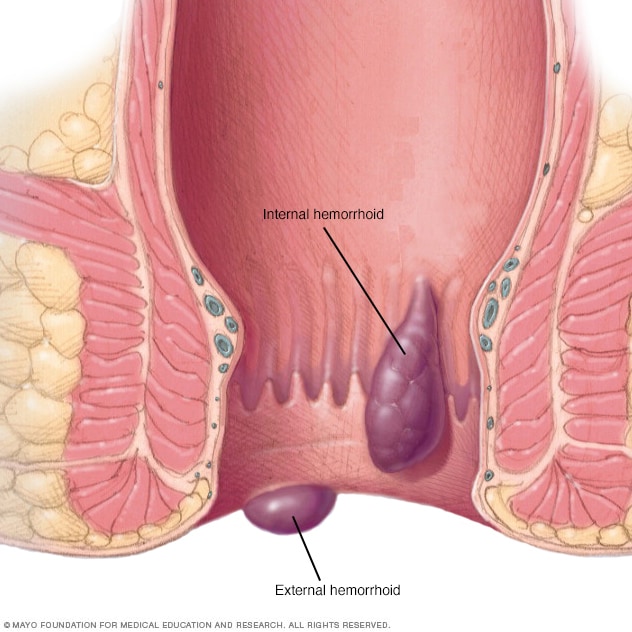
It’s important to distinguish between the two main types of piles, as their development can be slightly influenced by the specific location and nature of the venous issue.
Internal Piles
Internal piles develop inside the rectum, above the dentate line. They are typically painless because the rectum has fewer pain-sensing nerves in this area.
- Causes: The primary causes are the same as those discussed for piles in general: increased pressure from constipation, straining, prolonged sitting, pregnancy, and aging. The internal veins simply swell and prolapse due to these pressures.
External Piles
External piles develop under the skin around the anal opening, below the dentate line. These can be quite painful because the skin in this region is rich in pain receptors.
- Causes: External piles often form when a blood clot develops within an external hemorrhoid, a condition known as a thrombosed external hemorrhoid. This can happen suddenly due to a significant increase in pressure, such as from severe straining during a bowel movement or even from heavy lifting. The underlying venous engorgement is still driven by the general causes of piles, but the thrombosed aspect introduces an acute inflammatory response.
The Link to Lifestyle and Technology
While the fundamental causes of piles are physiological, modern lifestyle and technological advancements can inadvertently play a role.
Sedentary Lifestyles and Desk Jobs
The rise of desk jobs and screen-based work has significantly contributed to sedentary lifestyles. Spending 8-10 hours a day sitting can lead to reduced physical activity, poor circulation, and increased pressure on the rectal veins.
- Technological Impact: Laptops, smartphones, and entertainment systems make it easier than ever to remain seated for prolonged periods. While technology offers immense benefits in terms of productivity and connectivity, it can also encourage habits that negatively impact our physical health, including the propensity to develop piles.
The Digital Age and Information Overload
While not a direct physical cause, the digital age can indirectly influence our well-being. The constant influx of information and the pressure to be “always on” can contribute to stress and anxiety, which in turn can sometimes manifest in physical symptoms. While not a primary driver, chronic stress can sometimes impact digestive health and bowel habits.
Prevention and Management
Understanding the causes of piles is the first step towards prevention and effective management. By addressing the underlying factors, individuals can significantly reduce their risk or alleviate the symptoms of this condition.
- Dietary Changes: Emphasize a high-fiber diet rich in fruits, vegetables, and whole grains.
- Hydration: Drink plenty of water throughout the day.
- Regular Exercise: Engage in regular physical activity to improve circulation and promote regular bowel movements.
- Bowel Habit Training: Avoid straining during bowel movements and try to go when you feel the urge. Avoid prolonged sitting on the toilet.
- Weight Management: Maintain a healthy weight to reduce pressure on the pelvic region.
- Comfortable Seating: Opt for softer seating and take regular breaks from prolonged sitting or standing.
In conclusion, the cause of piles is predominantly rooted in increased pressure on the anorectal veins, driven by a combination of factors including chronic constipation, straining, prolonged sitting or standing, pregnancy, aging, and obesity. While genetics can play a role, lifestyle choices are often the most significant modifiable contributors. By understanding these causes and adopting healthier habits, individuals can take proactive steps towards preventing and managing this common and often bothersome condition.
aViewFromTheCave is a participant in the Amazon Services LLC Associates Program, an affiliate advertising program designed to provide a means for sites to earn advertising fees by advertising and linking to Amazon.com. Amazon, the Amazon logo, AmazonSupply, and the AmazonSupply logo are trademarks of Amazon.com, Inc. or its affiliates. As an Amazon Associate we earn affiliate commissions from qualifying purchases.