
Cardiac myopathy, often referred to as cardiomyopathy, is a broad term encompassing diseases of the heart muscle. These conditions impair the heart’s ability to pump blood effectively, leading to a range of symptoms and potentially life-threatening complications. While the essence of cardiac myopathy lies in its biological impact, our understanding, diagnosis, and treatment of these complex diseases are increasingly shaped by rapid advancements in technology. From AI-driven diagnostics to sophisticated implantable devices and personalized medicine, technology is not just assisting but revolutionizing the field of cardiology, offering unprecedented insights and hope for patients worldwide. This article will delve into what cardiac myopathy entails, always framing its discussion within the innovative technological ecosystem that now surrounds its study and management.

The Core of Cardiac Myopathy: A Primer for the Tech-Savvy
Understanding cardiac myopathy begins with grasping the fundamental mechanics of the heart and how deviations from normal function manifest. For those accustomed to systems and processes, viewing the heart as a highly sophisticated biological pump, and myopathy as a critical system failure, helps contextualize the challenge and the technological solutions being developed.
Defining the Condition: Beyond the Medical Jargon
At its simplest, cardiac myopathy means “heart muscle disease.” It’s not a single illness but a group of conditions where the heart muscle (myocardium) becomes abnormally enlarged, thickened, or stiffened. This structural alteration directly impacts the heart’s primary function: to contract and relax efficiently to pump blood throughout the body. When the heart muscle is compromised, it struggles to maintain adequate blood flow, leading to symptoms like shortness of breath, fatigue, swelling, and irregular heartbeats. From an engineering perspective, it’s akin to a pump losing its efficiency due either to structural integrity issues (e.g., thinning walls) or material degradation (e.g., stiffening).
Types of Cardiac Myopathy: Categorizing with Precision
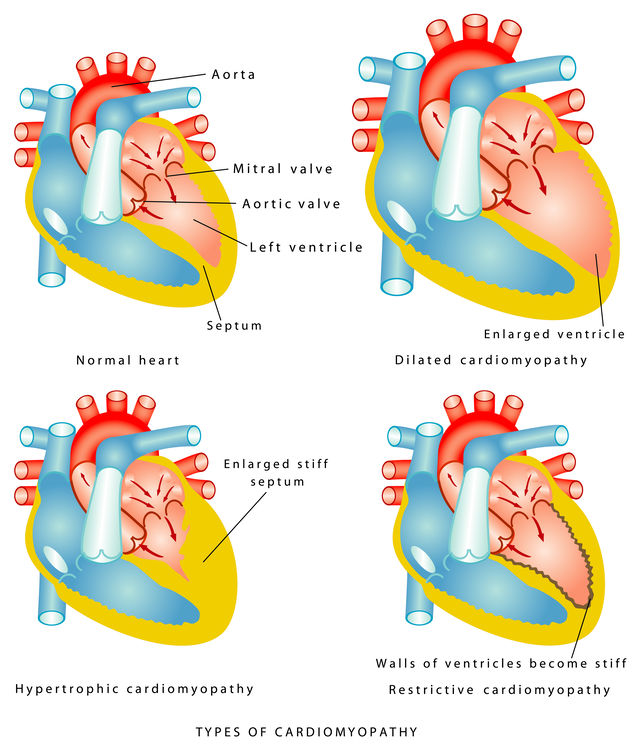
Cardiac myopathies are typically categorized into several main types, each with distinct characteristics and often different underlying causes, which in turn dictate different diagnostic and therapeutic approaches facilitated by technology:
- Dilated Cardiomyopathy (DCM): The most common type, where the heart’s ventricles (lower chambers) enlarge and weaken, leading to reduced pumping ability. Technologically, its diagnosis often involves advanced echocardiography and MRI for precise measurement of chamber size and function.
- Hypertrophic Cardiomyopathy (HCM): Characterized by an abnormal thickening of the heart muscle, making it harder for the heart to pump blood. Genetic sequencing technologies are increasingly vital for identifying the specific mutations responsible for familial HCM.
- Restrictive Cardiomyopathy (RCM): The ventricles become stiff and rigid, preventing them from filling properly between heartbeats. Advanced imaging techniques, including cardiac MRI with late gadolinium enhancement, are crucial for identifying the restrictive patterns and underlying infiltrative diseases.
- Arrhythmogenic Right Ventricular Cardiomyopathy (ARVC/ARVD): A rare genetic disorder where the muscle tissue in the right ventricle is replaced by fatty and fibrous tissue, leading to arrhythmias. Sophisticated electrophysiology studies and 3D mapping technologies are essential for diagnosing and managing the associated electrical instability.
The ability to differentiate these types precisely is paramount, and it’s here that medical imaging, genetic testing, and computational analysis truly shine, offering insights far beyond what was possible just a few decades ago.
Diagnostic Frontiers: AI and Advanced Imaging in Myopathy Detection
The early and accurate diagnosis of cardiac myopathy is critical for effective management. Technology has transformed this landscape, moving from rudimentary physical examinations to highly sophisticated, data-driven diagnostic pathways.
AI-Powered Diagnostics: Algorithms for Early Detection
Artificial intelligence (AI) and machine learning (ML) are rapidly emerging as game-changers in cardiology. AI algorithms can analyze vast datasets from patient records, imaging scans (echocardiograms, MRIs, CTs), and even ECGs with an efficiency and precision that surpasses human capabilities in many instances. For cardiac myopathy, AI tools can:
- Automate Image Analysis: Algorithms can identify subtle structural abnormalities in heart scans that might be missed by the human eye, improving diagnostic accuracy for conditions like DCM and HCM. They can quantify chamber volumes, ejection fractions, and wall thickness with remarkable consistency.
- Predict Risk: By analyzing a patient’s genetic profile, lifestyle factors, and existing medical data, AI can predict an individual’s predisposition to developing certain types of myopathy, enabling proactive monitoring and early intervention.
- Enhance ECG Interpretation: AI-driven ECG analysis can detect subtle patterns indicative of myopathy or an increased risk of arrhythmias, often before more overt symptoms appear. This is especially valuable in population screening or for at-risk individuals.
The ability of AI to process and interpret complex medical data is accelerating diagnostic timelines and reducing diagnostic errors, leading to earlier treatment initiation and potentially better patient outcomes.
High-Resolution Imaging: Unveiling Cardiac Structures with MRI and CT
Advanced imaging technologies provide non-invasive, detailed views of the heart’s structure and function. Cardiac Magnetic Resonance Imaging (cMRI) and Cardiac Computed Tomography (cCT) are indispensable tools:
- cMRI: Offers unparalleled soft tissue contrast, allowing cardiologists to visualize the heart muscle, identify areas of scarring (fibrosis), inflammation, and fatty infiltration. This is particularly crucial for diagnosing ARVC, RCM, and distinguishing various forms of myopathy. Techniques like T1 mapping and late gadolinium enhancement (LGE) provide insights into tissue characterization that are vital for diagnosis and prognosis.
- cCT: While cMRI excels in soft tissue, cCT provides rapid, high-resolution anatomical details, especially useful for assessing coronary arteries and ruling out ischemic causes of heart failure. Newer CT scanners offer lower radiation doses and faster scan times, making them safer and more accessible.
These technologies generate massive amounts of data, which are then processed and analyzed with specialized software, often incorporating 3D reconstruction and flow dynamics modeling to provide a comprehensive picture of heart health.
Wearable Tech and Remote Monitoring: Proactive Health Management
Beyond the clinic, wearable technology and remote monitoring systems are empowering patients and clinicians with continuous data. Smartwatches, fitness trackers, and dedicated medical-grade patches can:
- Track Vital Signs: Continuously monitor heart rate, rhythm (ECG), activity levels, and sleep patterns, alerting users and healthcare providers to potential anomalies that could indicate worsening myopathy or an impending cardiac event.
- Detect Arrhythmias: Many wearables now feature ECG capabilities, allowing for the detection of atrial fibrillation and other arrhythmias, which are common complications of myopathy.
- Facilitate Telehealth: Remote monitoring platforms transmit data directly to healthcare teams, enabling proactive adjustments to medication or lifestyle, reducing the need for frequent in-person visits, and providing reassurance to patients and their families.
This shift towards ubiquitous health monitoring is transforming the management of chronic conditions like cardiac myopathy from reactive to highly proactive.
Therapeutic Innovations: Leveraging Technology for Treatment
Once diagnosed, the treatment of cardiac myopathy often involves a combination of medication, lifestyle changes, and increasingly, technologically advanced interventions.

Gene Therapy and Precision Medicine: Tailoring Treatments with Biotechnology
The future of myopathy treatment lies heavily in biotechnology, particularly gene therapy and personalized medicine. Many cardiac myopathies have a genetic basis, and technology is enabling targeted interventions:
- Genetic Sequencing: Advanced sequencing technologies allow for the identification of specific genetic mutations responsible for inherited myopathies (e.g., HCM, ARVC). This not only aids diagnosis but also informs family screening and risk assessment.
- Gene Editing (CRISPR): While still largely in experimental stages for humans, gene editing technologies hold the promise of correcting the faulty genes that cause certain myopathies, potentially offering a cure rather than just symptom management.
- Pharmacogenomics: Understanding how an individual’s genes affect their response to drugs allows for the selection of the most effective medications with the fewest side effects, tailoring therapy specifically to the patient’s genetic makeup.
This area represents the ultimate intersection of biology and advanced computing, aiming to treat the root cause of the disease at a molecular level.
Implantable Devices: Pacemakers, ICDs, and LVADs
For patients with advanced myopathy and electrical or mechanical dysfunction, implantable electronic devices are life-saving technologies:
- Pacemakers: Small devices implanted under the skin, with wires leading to the heart, that deliver electrical impulses to regulate heart rhythm when the heart beats too slowly. Modern pacemakers are highly sophisticated, capable of adjusting pacing rates based on activity levels.
- Implantable Cardioverter-Defibrillators (ICDs): For patients at high risk of life-threatening arrhythmias (common in myopathy), ICDs monitor heart rhythm and deliver an electrical shock to restore a normal heartbeat if a dangerous arrhythmia is detected. These devices are equipped with advanced algorithms to differentiate between benign and malignant arrhythmias.
- Left Ventricular Assist Devices (LVADs): For severe heart failure where the heart can no longer pump enough blood, an LVAD is a mechanical pump implanted into the chest, assisting the left ventricle in circulating blood. These complex electromechanical devices are bridges to transplantation or destination therapy, significantly improving quality of life and survival.
These devices are miniature marvels of engineering, integrating microelectronics, power management, and sophisticated software for continuous monitoring and life-sustaining intervention.
Robotic-Assisted Surgery: Minimally Invasive Interventions
Surgical interventions for myopathy, such as myectomy for HCM or cardiac transplantation, are increasingly benefiting from robotic assistance. Robotic platforms offer surgeons enhanced precision, visualization (3D, high-definition), and dexterity through small incisions:
- Minimally Invasive Myectomy: For HCM patients with severe outflow tract obstruction, robotic assistance allows for precise removal of excess heart muscle, reducing trauma and recovery time compared to traditional open-heart surgery.
- Lead Placement for Devices: Robotic systems can aid in the precise placement of pacemaker and ICD leads, optimizing their function and minimizing complications.
This technological advancement reduces patient morbidity, shortens hospital stays, and improves surgical outcomes, making complex cardiac procedures safer and more accessible.
Data-Driven Management and Patient Engagement
Beyond diagnosis and direct intervention, technology plays a pivotal role in the ongoing management of cardiac myopathy, fostering greater patient engagement and optimizing care through data analytics.
Big Data Analytics: Understanding Trends and Improving Outcomes
The digitalization of healthcare has led to an explosion of data—from electronic health records (EHRs), medical imaging, genetic tests, and wearable devices. Big data analytics applies advanced computational techniques to process and derive insights from these vast datasets:
- Population Health Management: By analyzing anonymized patient data across large populations, researchers can identify trends in myopathy prevalence, risk factors, and treatment effectiveness, leading to better public health strategies.
- Personalized Treatment Pathways: Aggregated data can help develop more refined algorithms for predicting individual patient responses to various therapies, allowing for more precise, evidence-based treatment recommendations.
- Drug Discovery: Large-scale genomic and proteomic data analysis can accelerate the identification of new drug targets and the development of novel therapies for myopathy.
The ability to transform raw data into actionable intelligence is fundamental to advancing our collective understanding and management of cardiac myopathy.
Digital Health Platforms: Empowering Patients with Information and Tools
Patient portals, mobile health (mHealth) apps, and dedicated digital platforms are empowering individuals to take a more active role in managing their cardiac myopathy:
- Symptom Tracking: Apps allow patients to log symptoms, medication adherence, blood pressure, and other vital signs, providing valuable data for their care team.
- Educational Resources: Platforms offer reliable, accessible information about their condition, treatment plans, and lifestyle modifications, enhancing health literacy.
- Communication Tools: Secure messaging systems facilitate direct communication between patients and their healthcare providers, allowing for timely questions and advice.
These tools foster a collaborative approach to health management, making patients active participants rather than passive recipients of care.
Telemedicine and Virtual Care: Bridging Gaps in Access
The advent of robust video conferencing and secure digital communication platforms has revolutionized healthcare delivery, particularly for chronic conditions like cardiac myopathy:
- Virtual Consultations: Patients can consult with specialists remotely, reducing travel burdens, especially for those in rural areas or with limited mobility. This ensures continuity of care and timely access to expert advice.
- Remote Device Monitoring: Many implantable devices can transmit data wirelessly to clinics, allowing for remote checks and adjustments, minimizing the need for in-person follow-ups.
- Digital Rehabilitation: Tele-rehabilitation programs allow patients to complete cardiac rehabilitation exercises at home, guided by virtual therapists and monitored remotely, improving adherence and outcomes.
Telemedicine not only improves access to care but also makes healthcare more convenient and efficient, a critical factor for patients managing a long-term condition like cardiac myopathy.
Conclusion
Cardiac myopathy, a complex set of heart muscle diseases, poses significant challenges to global health. However, the relentless march of technological innovation is fundamentally reshaping how we confront these conditions. From AI algorithms that diagnose with unprecedented accuracy and high-resolution imaging that reveals intricate cardiac details, to gene therapies that promise molecular-level corrections and smart implantable devices that sustain life, technology is at the forefront of every battle against myopathy. Furthermore, digital health platforms, big data analytics, and telemedicine are empowering patients and optimizing care delivery on a systemic level.
As we look to the future, the synergy between medical science and cutting-edge technology will only deepen. Continued investment in research and development, particularly in areas like personalized medicine, advanced robotics, and intelligent diagnostic systems, holds the key to unlocking even more effective treatments and ultimately improving the lives of millions affected by cardiac myopathy. The journey to conquer heart muscle disease is increasingly a technological one, driven by innovation and a profound commitment to human health.
aViewFromTheCave is a participant in the Amazon Services LLC Associates Program, an affiliate advertising program designed to provide a means for sites to earn advertising fees by advertising and linking to Amazon.com. Amazon, the Amazon logo, AmazonSupply, and the AmazonSupply logo are trademarks of Amazon.com, Inc. or its affiliates. As an Amazon Associate we earn affiliate commissions from qualifying purchases.