
In the rapidly evolving landscape of modern medicine, diagnostic tests serve as the bedrock for understanding health, detecting disease, and guiding treatment. Among these, the C-reactive protein (CRP) test stands out as a crucial biomarker for inflammation. While CRP itself is a biological marker, its measurement, interpretation, and integration into patient care are increasingly powered by sophisticated technology. From advanced laboratory automation to nascent AI-driven insights and digital health platforms, technology is transforming how we leverage the humble CRP test. This article will explore the C-reactive protein test not just as a medical procedure, but as a fascinating intersection of biochemistry and cutting-edge technological innovation, illuminating its role in the digital health ecosystem and future diagnostic frontiers.
The Core Science of CRP: A Technological Lens
Understanding what CRP is at its fundamental biological level is the first step, but it is through technological advancements that we move from a biological concept to a clinically actionable insight. The precision, speed, and widespread availability of CRP testing today are direct products of diagnostic technology.
Understanding C-Reactive Protein
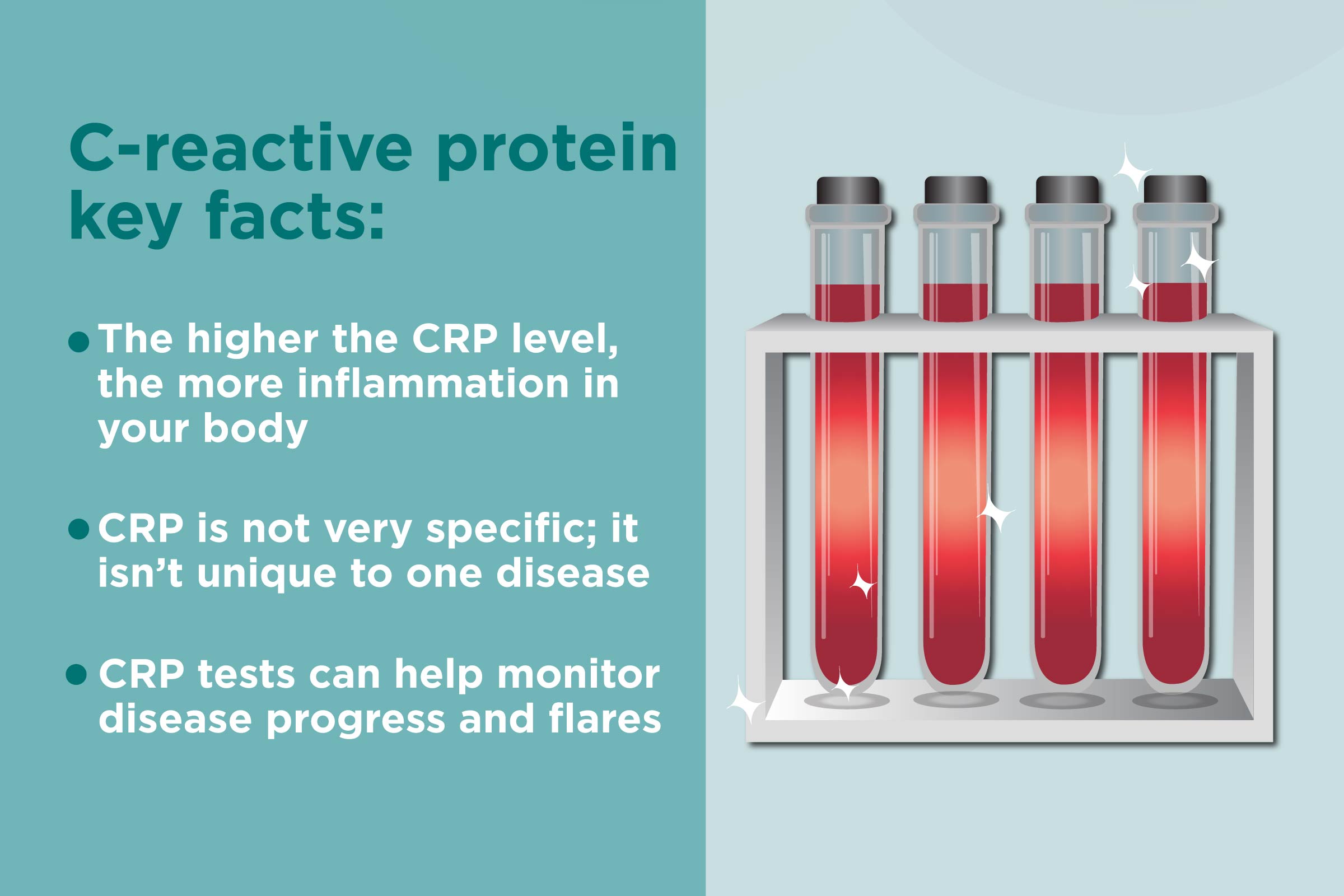
C-reactive protein is an acute-phase reactant, a protein produced by the liver in response to inflammation or infection. Its levels in the blood rise rapidly and significantly within hours of the onset of inflammation, making it a valuable non-specific marker for detecting and monitoring inflammatory conditions, infections, and tissue damage. While CRP indicates the presence of inflammation, it does not pinpoint its specific cause or location. Historically, early detection of inflammation was often reliant on less precise clinical observations. However, the ability to accurately quantify CRP levels opened up a new era of objective inflammatory assessment, thanks entirely to the development of reliable measurement technologies.
Traditional and Modern Measurement Techniques
The journey of CRP measurement has seen remarkable technological progress. Early methods were often qualitative or semi-quantitative, relying on precipitation reactions. The real breakthrough came with the development of more precise quantitative assays. Modern CRP testing predominantly utilizes highly automated laboratory techniques such as immunoturbidimetry, nephelometry, and enzyme-linked immunosorbent assay (ELISA). These methods employ specific antibodies that bind to CRP in a patient’s blood sample.
- Immunoturbidimetry measures the turbidity (cloudiness) created when CRP in the sample binds to specific antibodies, forming immune complexes. A spectrophotometer then precisely quantifies this turbidity, correlating it to CRP concentration.
- Nephelometry is similar but measures the scattered light from these immune complexes, offering even greater sensitivity, particularly for high-sensitivity CRP (hs-CRP) tests used to assess cardiovascular risk.
- ELISA uses an enzyme-mediated color change to detect and quantify CRP, known for its high sensitivity and specificity.
These techniques are performed on sophisticated analytical instruments, often integrated into large, automated laboratory systems. These systems are robotic marvels, capable of handling hundreds or thousands of samples per day with minimal human intervention, ensuring high throughput, accuracy, and reproducibility – all critical aspects enabled by advanced engineering and software.
The Digital Transformation of Lab Diagnostics
The modern diagnostic laboratory is a highly digitized environment. Laboratory Information Systems (LIS) are central to this transformation, acting as the digital backbone that manages every step of the testing process. From sample registration and tracking to instrument control, data analysis, and result reporting, LIS platforms ensure efficiency, reduce errors, and maintain data integrity. For CRP testing, this means:
- Automated barcode scanning for sample identification.
- Direct communication between analytical instruments and the LIS, minimizing manual data entry.
- Automated quality control checks to ensure reliable results.
- Electronic transmission of results to Electronic Health Record (EHR) systems, allowing for rapid physician access.
This digital infrastructure not only speeds up the delivery of CRP results but also enables seamless integration into the broader patient health record, making it a vital component of coordinated care.
Innovations in CRP Testing Technology
The technological evolution of CRP testing extends beyond the centralized lab, with new devices and computational approaches pushing the boundaries of what’s possible in inflammation monitoring.
Point-of-Care Testing (POCT) Devices
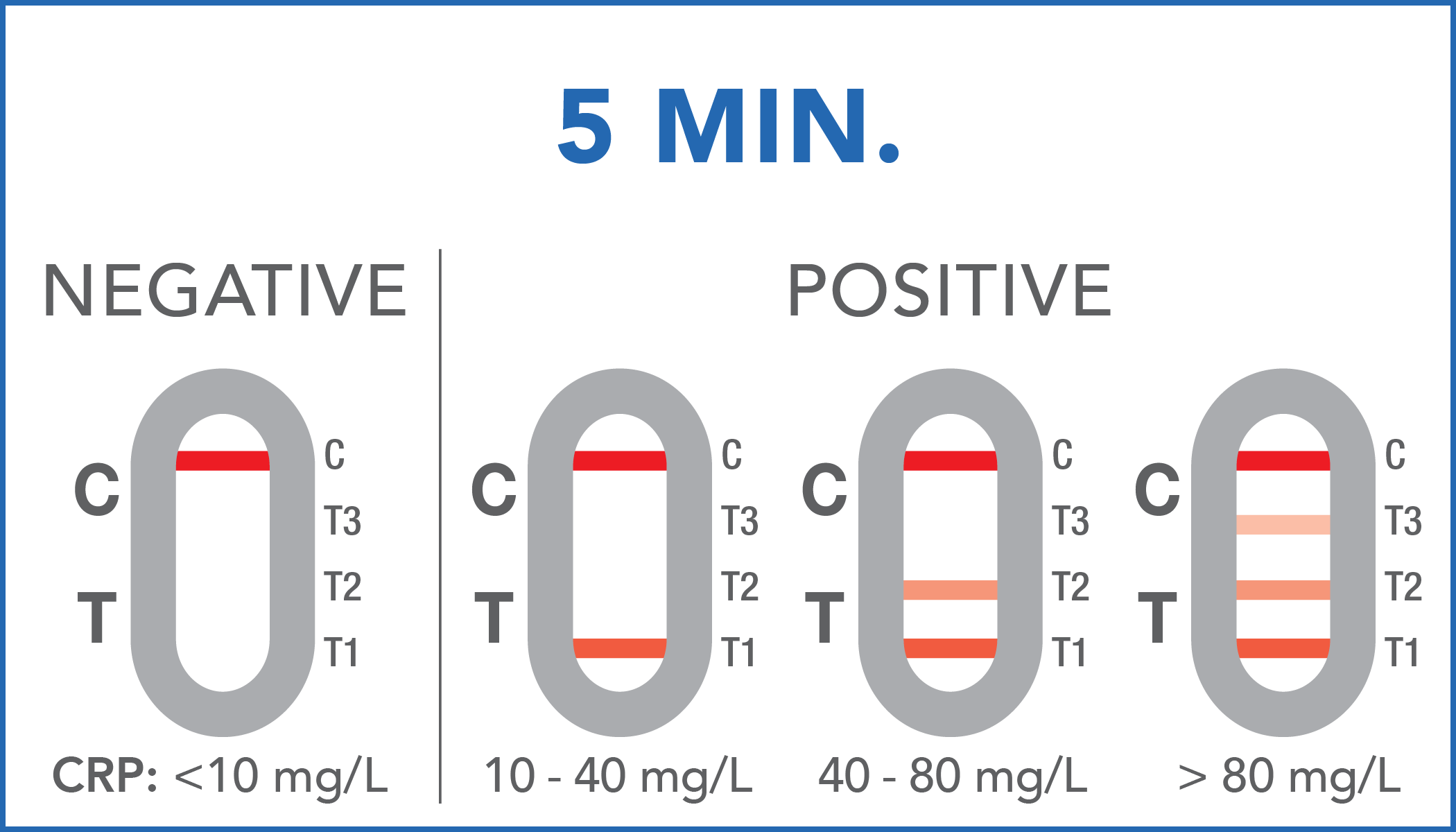
One of the most significant technological advancements in CRP diagnostics has been the proliferation of Point-of-Care Testing (POCT) devices. These compact, often handheld gadgets allow for CRP testing outside a traditional laboratory setting, such as in clinics, doctor’s offices, emergency rooms, and even potentially in remote settings or at home. POCT devices often use microfluidic technology or lateral flow immunoassays to provide rapid quantitative or semi-quantitative results from a small blood sample (e.g., a finger-prick).
The advantages of POCT are immense: immediate results for faster clinical decision-making, improved patient compliance, and enhanced accessibility in areas with limited lab infrastructure. These devices often feature user-friendly interfaces, built-in quality control, and increasingly, wireless connectivity to transmit results directly to EHRs or mobile health applications, bridging the gap between immediate testing and comprehensive digital record-keeping. Examples include devices that use optical detection for quantitative CRP measurements within minutes, empowering clinicians to quickly assess acute infections or manage antibiotic use more effectively.
AI and Machine Learning in CRP Interpretation
The raw CRP number, while informative, gains significantly more power when combined with other clinical data. This is where Artificial Intelligence (AI) and Machine Learning (ML) are beginning to revolutionize CRP interpretation. AI algorithms can analyze vast datasets comprising CRP levels, patient demographics, medical history, other lab results, imaging data, and even genomic information.
By identifying complex patterns and correlations that might be imperceptible to humans, AI can:
- Predict Disease Progression: Forecast the likelihood of disease exacerbation or response to treatment in chronic inflammatory conditions.
- Aid in Differential Diagnosis: Help distinguish between bacterial and viral infections, guiding appropriate antibiotic stewardship.
- Identify At-Risk Populations: Pinpoint individuals with elevated cardiovascular risk or propensity for severe inflammatory responses, even with moderately elevated hs-CRP levels.
- Personalize Treatment: Suggest tailored therapeutic approaches based on an individual’s unique biological and clinical profile, using CRP as a key input.
While still an emerging field, the potential for AI to transform CRP from a simple inflammation marker into a sophisticated predictive and diagnostic tool is immense, moving us towards more personalized and precise medicine.
Wearable Tech and Continuous Monitoring (Future State)
The ultimate frontier in diagnostic technology is the potential for continuous, non-invasive monitoring of biomarkers. While direct, real-time CRP measurement via wearables is not yet widely available, research is exploring technologies that could eventually achieve this. This could involve highly sensitive biosensors embedded in patches, smartwatches, or even smart clothing, capable of detecting changes in inflammatory markers (perhaps surrogates or precursors to CRP) from sweat, interstitial fluid, or even optical signals.
Such future devices could provide unprecedented insights into an individual’s inflammatory state over time, alerting users and healthcare providers to subtle changes that might indicate the onset of infection, stress response, or exacerbation of chronic disease. Integrating this continuous data into personal health dashboards or physician alerts would represent a paradigm shift in proactive health management, allowing for interventions before conditions escalate.
Integrating CRP Data into the Digital Health Ecosystem
The utility of a CRP test is not isolated; its true value is realized when its results are seamlessly integrated into an individual’s complete health profile within the digital health ecosystem.
Electronic Health Records (EHR) and Interoperability
Electronic Health Records (EHRs) are the central repositories for patient health information, and CRP test results are a vital component. Modern EHR systems automatically import CRP data from laboratory information systems, ensuring that physicians have immediate access to these critical results alongside other patient data (medications, diagnoses, vital signs). This digital integration eliminates manual data entry errors, speeds up information flow, and provides a comprehensive view of a patient’s health trajectory.
However, interoperability—the ability of different EHR systems to communicate and exchange data seamlessly—remains a significant challenge. Advancements in standardized data formats (e.g., FHIR – Fast Healthcare Interoperability Resources) and secure health information exchanges are crucial for ensuring that CRP results, regardless of where they are generated, can follow the patient and be accessed by all authorized healthcare providers, facilitating truly coordinated and informed care across different institutions.
Health Apps and Patient Engagement
The rise of consumer-facing health applications offers new avenues for patient engagement with their own CRP data. While direct-to-consumer CRP testing is not as common as, say, blood glucose monitoring, the future could see individuals uploading CRP results (from POCT devices or lab reports) into personal health apps. These apps could:
- Track Trends: Visualize CRP levels over time, allowing individuals to observe patterns and understand the impact of lifestyle changes or treatments.
- Provide Context: Offer educational resources to help users understand what their CRP levels mean in simple terms.
- Facilitate Sharing: Allow patients to securely share their CRP data with their healthcare providers, fostering more collaborative health management.
By empowering individuals with access to and understanding of their own diagnostic data, health apps can encourage proactive health behaviors and better adherence to treatment plans.
Telemedicine and Remote Diagnostics
Telemedicine has rapidly expanded, particularly in recent years, and CRP testing plays an increasingly important role in remote diagnostics. When a patient presents with symptoms suggestive of inflammation or infection during a virtual consultation, the ability to order a CRP test and review results remotely is invaluable. Coupled with POCT devices, telemedicine can enable a more complete diagnostic picture:
- A physician can guide a patient to perform a CRP test using an at-home or local POCT device.
- The results are electronically transmitted to the physician, informing the remote diagnosis and treatment plan.
- This significantly reduces the need for in-person visits, enhancing convenience and accessibility, especially for vulnerable populations or those in remote areas.
This integration of CRP testing into telemedicine workflows exemplifies how technology enables effective healthcare delivery even when physical proximity is not possible.
Future Trends and Ethical Considerations in CRP Diagnostics
As technology continues its relentless march forward, the future of CRP diagnostics promises even greater sophistication, but also brings important ethical considerations to the fore.
Predictive Analytics and Personalized Medicine
The synergy between CRP, AI, and other ‘omics’ data (genomics, proteomics, metabolomics) is paving the way for truly predictive and personalized medicine. Imagine an AI system that combines an individual’s genetic predisposition to inflammation, their lifestyle data from wearables, and their current CRP levels to predict their risk of developing a chronic inflammatory disease years in advance. This would enable:
- Proactive Interventions: Lifestyle modifications or early treatments to prevent disease onset.
- Tailored Therapies: Highly specific drugs or dosages based on an individual’s unique biological response, optimizing efficacy and minimizing side effects.
- Dynamic Risk Assessment: Continuous re-evaluation of risk based on real-time data inputs.
CRP, in this context, moves beyond a mere diagnostic marker to become a key variable in a complex, multi-modal predictive model, guiding deeply personalized health strategies.
Data Security and Privacy Concerns
With the increasing digitization of CRP test results and their integration into vast health databases, data security and patient privacy become paramount. Sensitive health information, including CRP levels, must be protected against unauthorized access, breaches, and misuse. Robust cybersecurity measures, secure data storage, strict access controls, and adherence to privacy regulations (like HIPAA in the US or GDPR in Europe) are non-negotiable.
The proliferation of consumer health apps and wearable devices also raises questions about who owns the data, how it’s used, and whether it’s truly anonymized. Maintaining public trust in digital health technologies hinges on transparent and unwavering commitment to safeguarding patient data.
Accuracy, Validation, and Regulatory Challenges
As new CRP testing technologies emerge—especially POCT devices, AI interpretation tools, and future wearable sensors—rigorous scientific validation is critical. These technologies must demonstrate accuracy, precision, and clinical utility comparable to, or exceeding, established laboratory methods. Regulatory bodies (such as the FDA in the US or EMA in Europe) face the challenge of evaluating and approving these novel technologies, ensuring they are safe and effective before widespread adoption.
For AI-driven diagnostics, there are unique challenges related to algorithm transparency, bias in training data, and the need for continuous learning and re-validation. Ensuring that these advanced technologies provide reliable and equitable diagnostic insights is crucial for maintaining clinical confidence and patient safety.

Conclusion
The C-reactive protein test, while a seemingly straightforward biological marker, embodies the dynamic interplay between fundamental medical science and advanced technology. From the precision of automated laboratory instruments to the convenience of point-of-care devices, and from the predictive power of AI to the integrated experience of digital health platforms, technology has continually amplified the utility and impact of CRP testing. As we look to the future, technological innovations promise even more personalized, predictive, and accessible inflammatory monitoring. However, realizing this potential requires navigating complex challenges related to data security, regulatory oversight, and ethical deployment, ensuring that these advancements truly serve to enhance human health in a responsible and equitable manner. The CRP test, viewed through a technological lens, is not just a diagnostic tool; it is a testament to the ongoing revolution in digital health and personalized medicine.
aViewFromTheCave is a participant in the Amazon Services LLC Associates Program, an affiliate advertising program designed to provide a means for sites to earn advertising fees by advertising and linking to Amazon.com. Amazon, the Amazon logo, AmazonSupply, and the AmazonSupply logo are trademarks of Amazon.com, Inc. or its affiliates. As an Amazon Associate we earn affiliate commissions from qualifying purchases.