
In the intricate, ever-evolving landscape of search engine optimization (SEO), certain fundamental concepts remain cornerstones of success. Among these, backlinks stand out as perhaps the most critical external factor influencing a website’s visibility and authority. Often referred to as “inbound links” or “external links,” backlinks are essentially hyperlinks from one website to another. For search engines like Google, Bing, and others, these links function as powerful digital endorsements, signaling the credibility, relevance, and value of the linked content. Understanding what backlinks are, how they work, and why they are indispensable in a highly competitive digital ecosystem is not just an advantage for webmasters and digital marketers, but a necessity for anyone looking to build a robust online presence.
From a technological perspective, backlinks are a core mechanism through which search engine algorithms assess the interconnectedness and importance of web pages. They represent a vote of confidence, a recommendation from one digital entity to another. The more high-quality, relevant votes a website receives, the higher its perceived authority and trustworthiness in the eyes of search algorithms. This article will delve into the technical underpinnings of backlinks, their profound impact on search rankings, the anatomy of a valuable backlink, strategic methods for acquiring them in today’s tech-driven environment, and the essential tools for their analysis and management.
The Core Concept: Backlinks as Digital Votes of Confidence
At its heart, a backlink is a simple HTML element, yet its implications for SEO are anything but. It’s the digital equivalent of a referral or a citation in academic research, where sources are referenced to support claims and build credibility.
Defining a Backlink
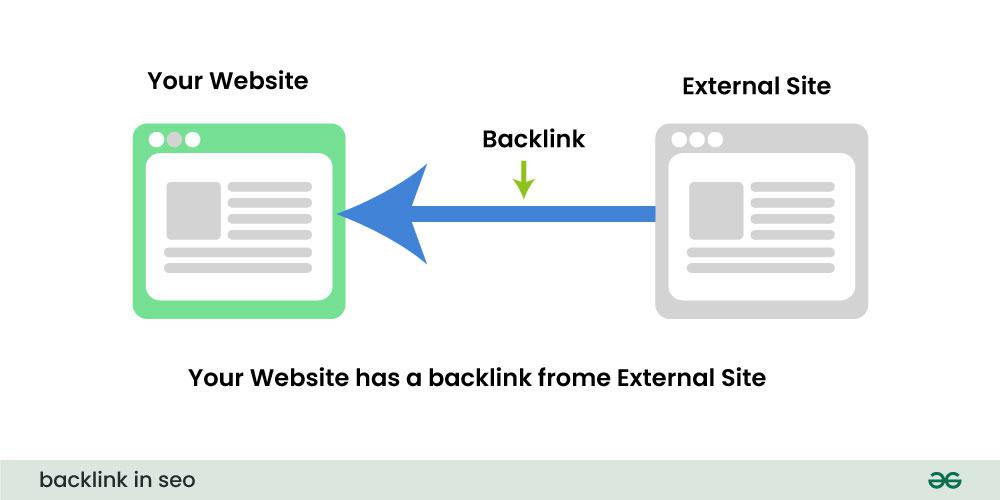
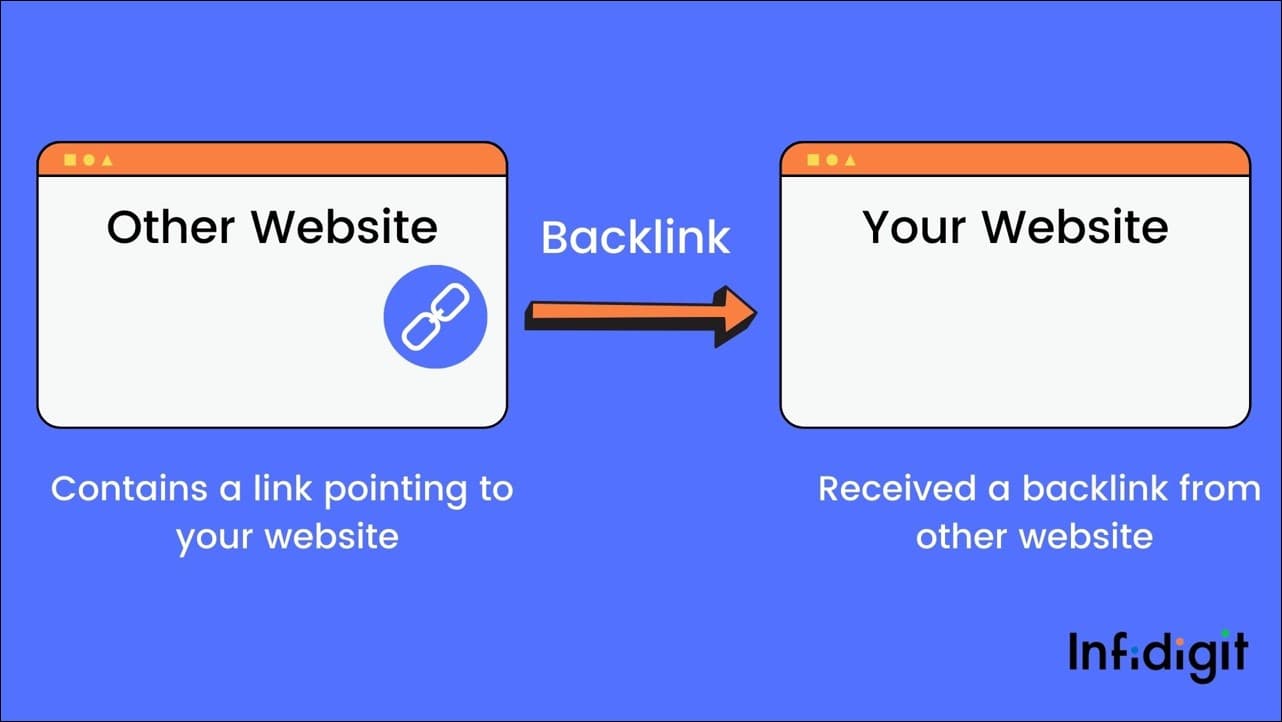
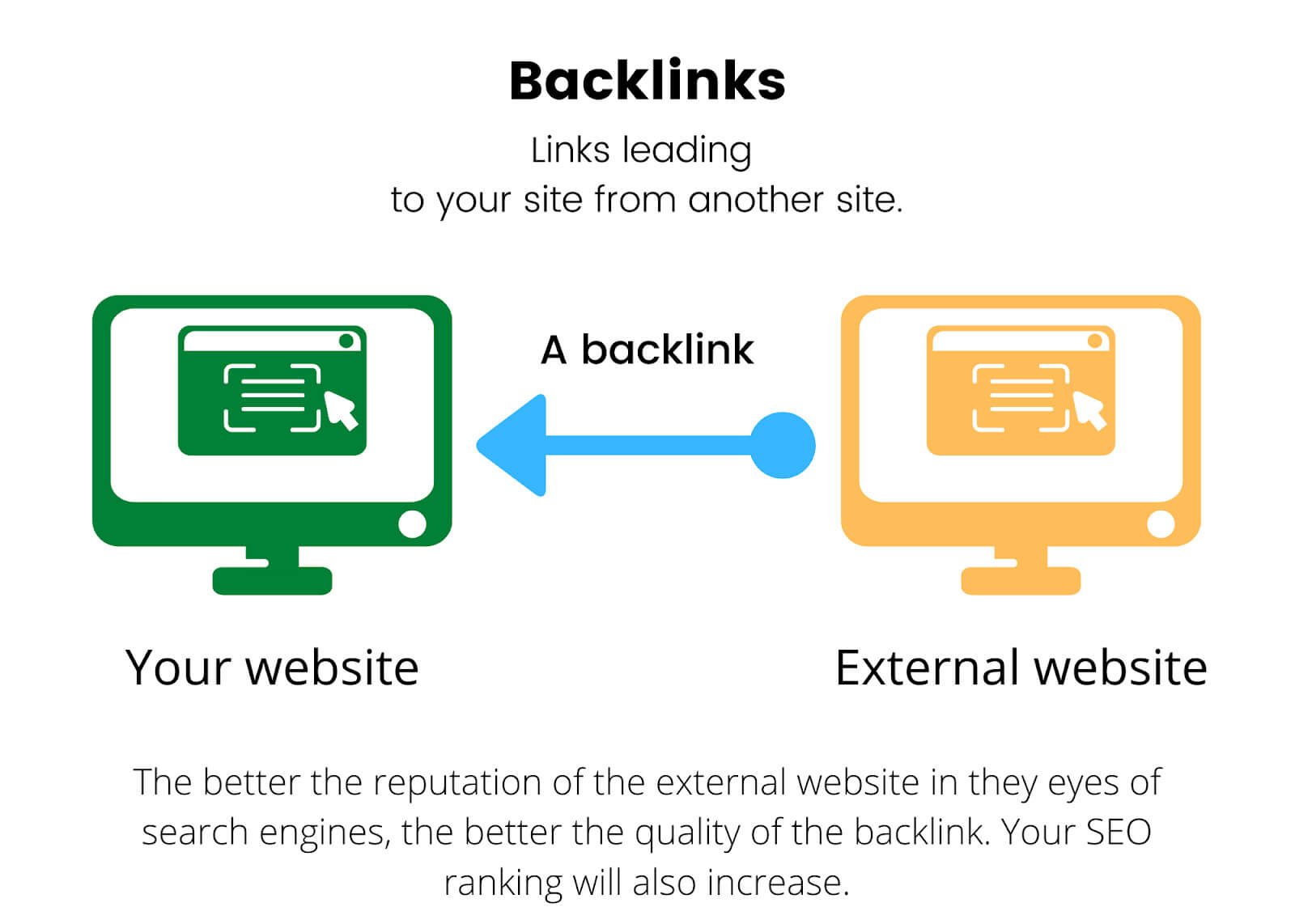
Technically, a backlink is an incoming hyperlink from an external domain to a specific page on your website. When Website A links to Website B, the link is a backlink for Website B. These links are typically clickable text (anchor text) or images that, when clicked, transport the user from one webpage to another. They are fundamental to the web’s structure, allowing users and search engine crawlers to navigate between related pieces of content across different domains. From an SEO standpoint, not all backlinks are created equal; their value is highly dependent on the source, context, and technical attributes.
The Analogy of Endorsement
Imagine a scenario where you’re seeking advice on a complex technical issue. If multiple reputable experts independently recommend a specific solution or resource, you’re far more likely to trust it than if only an unknown individual suggests it. Search engines operate on a similar principle. Each backlink acts as an endorsement. A link from a highly authoritative, well-established website in your industry carries significantly more weight than a link from a brand-new, low-quality, or irrelevant blog. These endorsements are interpreted by sophisticated algorithms to gauge the importance and reliability of your content.
Historical Significance
The concept of using links as a ranking factor dates back to the very origins of modern search engines. Larry Page and Sergey Brin’s PageRank algorithm, developed at Stanford University (and later the foundation of Google), revolutionized search by interpreting hyperlinks as “votes.” Instead of merely counting keywords, PageRank assessed the quality and quantity of links pointing to a page. While PageRank, in its pure form, is no longer the sole determinant and its public-facing metric has been deprecated, the underlying principle that backlinks signify authority and relevance remains a cornerstone of search engine algorithms today. Modern algorithms are vastly more complex, incorporating thousands of signals, but link equity (the “juice” or value passed through a link) continues to be a critical factor.
Why Backlinks are Crucial for Search Engine Rankings
The technical architecture of search engines and their continuous drive to deliver the most relevant and authoritative results make backlinks an indispensable element of any SEO strategy. Their impact permeates multiple facets of search ranking.
Authority and Trust Signals
Search engine algorithms are designed to identify and prioritize authoritative sources. Backlinks from reputable domains act as strong trust signals, indicating to Google and other search engines that your website is a credible source of information. When a respected industry leader, an academic institution, or a major news outlet links to your content, it effectively transfers some of their established authority to your site. This “link equity” or “link juice” is crucial for building your domain’s overall authority, which is a key factor in ranking for competitive keywords.
Improved Organic Visibility
The direct correlation between the quality and quantity of backlinks and higher search engine rankings is well-documented. Websites with strong, natural backlink profiles tend to rank higher in Search Engine Results Pages (SERPs) for relevant queries. This improved organic visibility translates into more impressions, more clicks, and ultimately, more traffic to your site. Without a robust backlink strategy, even the most meticulously optimized on-page content can struggle to gain traction against competitors with stronger backlink profiles.
Discoverability and Crawling
Beyond directly influencing rankings, backlinks play a vital role in the technical process of how search engines discover and index new web pages. Search engine “spiders” or “crawlers” navigate the web by following links. When your site receives a backlink from an already indexed and frequently crawled website, it provides a new pathway for these crawlers to find your content. This enhances the discoverability of your pages, ensuring that new articles, products, or services are quickly indexed and made available to search users. It’s a fundamental aspect of the web’s interconnected design, optimized for efficient information retrieval by automated systems.
Referral Traffic
While often discussed in the context of SEO, backlinks also offer a direct, non-SEO benefit: referral traffic. When a user clicks on a backlink from an external website to yours, they are directly referred to your site. This traffic is often highly qualified, as the user was already engaged with content on a related topic. Referral traffic can lead to increased engagement, conversions, and brand exposure, even if the SEO impact isn’t immediately measured. It’s a testament to the dual power of a well-placed backlink: improving algorithmic standing and delivering direct audience engagement.
Anatomy of a Quality Backlink (and What to Avoid)
Not all links are created equal. In the tech-driven world of SEO, understanding the attributes of a high-quality backlink is paramount to building a healthy, sustainable backlink profile. Conversely, recognizing and avoiding low-quality or “toxic” backlinks is crucial for maintaining your site’s integrity and avoiding algorithmic penalties.
Relevancy is King
A backlink’s value is significantly amplified when it comes from a website that is thematically relevant to yours. A link from a leading tech blog to your software review site is far more valuable than a link from a fashion blog, even if the latter has a high domain authority. Search algorithms heavily weigh contextual relevance, as it helps them understand your website’s niche and the authority you hold within it. Irrelevant links can sometimes even be detrimental, signaling a lack of genuine editorial endorsement.
Domain Authority and Page Authority
Domain Authority (DA) and Page Authority (PA) (metrics developed by Moz, though similar concepts exist across other SEO tools) are influential indicators of a linking site’s strength. While not direct Google ranking factors, they correlate strongly with how search engines view a site’s overall credibility and potential to rank. A backlink from a high-DA site (e.g., a major news publication or industry leader) passes more “link juice” and trust than one from a low-DA site. These metrics are often calculated based on various factors, including the number and quality of backlinks pointing to the referring domain itself.
Anchor Text Optimization
The anchor text is the visible, clickable text of a hyperlink. It provides search engines with context about the page being linked to. Optimized anchor text, containing relevant keywords, can reinforce the relevance of your target page for those terms. However, over-optimization or using too many exact-match keyword anchors can appear unnatural and manipulative, potentially triggering algorithmic penalties. A natural backlink profile will feature a diverse range of anchor texts, including branded terms, naked URLs, generic phrases (“click here,” “learn more”), and partial-match keywords.
Nofollow vs. Dofollow
Links can carry specific attributes that instruct search engines on how to treat them. The rel="nofollow" attribute tells search engine crawlers not to pass link equity (PageRank) to the linked page. These links are typically used for paid advertisements, user-generated content (comments, forum posts), or whenever a site doesn’t want to implicitly endorse the linked content. Dofollow links (which is the default unless nofollow or sponsored/ugc is specified) allow link equity to pass. While dofollow links are generally more desirable for SEO, a natural backlink profile will contain a mix of both, as real-world linking patterns are diverse. Google has also stated that nofollow links might still be considered as a hint for ranking purposes.
Link Placement and Context
The location and surrounding content of a backlink significantly influence its value. A link embedded naturally within the body of a highly relevant editorial article is far more powerful than a link buried in a footer, sidebar, or a list of unrelated resources. Search algorithms are sophisticated enough to understand the context of a link, prioritizing those that appear to be genuine, editorially earned recommendations.
The Perils of Low-Quality Backlinks
Low-quality backlinks, often acquired through black-hat SEO tactics like link schemes, link farms, private blog networks (PBNs), or automated link building software, can be detrimental. These links usually come from irrelevant, spammy, or explicitly penalized websites. Acquiring too many such links can lead to Google penalties, resulting in a significant drop in rankings or even de-indexing of your site. Regular backlink audits and vigilance against negative SEO (where competitors try to harm your site with spammy links) are essential digital security practices for your website.
Strategies for Earning High-Quality Backlinks (Link Building in the Tech Era)
In a world driven by advanced algorithms and sophisticated content analysis, earning valuable backlinks requires strategic thinking, high-quality content, and often, a proactive outreach approach. Modern link building is less about technical manipulation and more about digital PR and content excellence.
Content Marketing and Thought Leadership
The most sustainable and effective strategy for earning backlinks is to create exceptional, original, and authoritative content that genuinely solves user problems or offers unique insights. This includes in-depth guides, research reports, data visualizations, innovative tools, or compelling thought leadership pieces. When your content is truly valuable, others in your industry will naturally want to reference and link to it. This “linkable asset” approach ensures organic growth and aligns perfectly with search engine goals of rewarding high-quality resources.
Broken Link Building
This technique involves identifying broken links (404 errors) on authoritative websites in your niche. Using tools like Ahrefs or SEMrush, you can scan competitors’ sites or industry blogs for broken external links. Once found, you create similar or even better content than what the broken link originally pointed to, and then reach out to the website owner, informing them of the broken link and politely suggesting your superior content as a replacement. This is a win-win: the site owner fixes their broken link, and you gain a relevant backlink.
Skyscraper Technique
Popularized by Brian Dean of Backlinko, the Skyscraper Technique involves three steps: find content that has already performed well and accumulated many backlinks, create something 10x better (more comprehensive, up-to-date, visually appealing, or with new data), and then reach out to the websites that linked to the original, inferior content, asking them to link to your improved version instead. This strategy leverages existing link-building opportunities by offering a superior alternative.
Guest Posting (Strategic Contribution)
Guest posting involves writing an article for another website in your industry, typically including a backlink to your own site within the author bio or content. While once heavily abused, strategic guest posting can still be effective if done correctly. Focus on high-authority, relevant sites with a genuine audience that would benefit from your expertise. The goal should be to provide value to their readers, not just to acquire a link. Avoid low-quality, spammy guest post networks at all costs.
Competitor Backlink Analysis (Using Tools)
Utilizing advanced SEO tools, you can analyze the backlink profiles of your top-ranking competitors. This provides invaluable insights into where they are acquiring their links. By identifying these sources, you can uncover new link opportunities and develop strategies to acquire similar links. This competitive intelligence allows you to benchmark your efforts and target domains that are already linking to relevant content in your niche.
Digital PR and Outreach
Building relationships with journalists, bloggers, influencers, and webmasters in your industry is a powerful long-term strategy. Digital PR involves crafting compelling stories, offering expert commentary, or providing unique data that can earn mentions and links from reputable sources. Proactive outreach, where you personally introduce your valuable content to relevant parties, can lead to natural, editorial backlinks that are highly valued by search engines.
Tools and Techniques for Backlink Analysis and Management
Effective backlink management is a continuous process that involves auditing, monitoring, and proactive strategy. The tech aspect here is critical, relying on sophisticated software and analytical techniques.
Backlink Audit Tools
A suite of powerful SEO tools exists specifically for analyzing backlink profiles. Ahrefs, SEMrush, Moz Link Explorer, and Google Search Console are industry leaders.
- Ahrefs offers a comprehensive backlink database, allowing users to analyze competitor backlinks, track their own, and identify potential link opportunities.
- SEMrush provides similar capabilities, often excelling in presenting competitive data and offering integrated marketing suites.
- Moz Link Explorer focuses on domain and page authority metrics and link quality analysis.
- Google Search Console is a free tool from Google that provides insights directly from the search engine itself, showing links Google has discovered pointing to your site and potential manual penalties.
These tools are indispensable for understanding the technical health and strength of your backlink profile.
Identifying Toxic Backlinks
A critical aspect of backlink management is identifying and mitigating the impact of “toxic” or spammy backlinks. These can originate from negative SEO attacks or past misguided link-building efforts. Tools like SEMrush’s Backlink Audit or Ahrefs’ Disavow Tool functionality can help identify suspicious links based on various technical signals (e.g., low domain authority, irrelevant topics, suspicious anchor text, high spam score). Once identified, you can use Google’s Disavow Tool to tell Google to ignore these links when evaluating your site, preventing potential penalties. This is a crucial digital security measure for your website’s SEO health.
Monitoring Backlink Profiles
A backlink profile is never static. New links are acquired, old links are lost, and the authority of linking domains can change. Regular monitoring is essential to track progress, identify new opportunities, and detect issues promptly. Most SEO tools offer automated alerts for new backlinks or lost links. Monitoring helps you understand the effectiveness of your link-building campaigns and react quickly to any adverse changes, ensuring the continuous optimization of your site’s external signals.
Technical Implementation for Internal Linking
While not external backlinks, internal links (links from one page on your site to another page on your site) are a technical SEO factor closely related to backlink concepts. They help search engine crawlers discover and index your content more efficiently, distribute “link juice” (PageRank) throughout your site, and enhance user experience. A well-structured internal linking strategy ensures that important pages receive sufficient authority and are easily accessible, complementing the external backlink strategy by optimizing the flow of authority within your domain.
In conclusion, backlinks are far more than mere hyperlinks; they are the foundational technical framework that underpins the credibility and visibility of content across the internet. In the dynamic world of SEO, understanding and strategically managing your backlink profile remains a critical determinant of success, ensuring your website not only ranks higher but also serves as a trusted and authoritative resource in the vast digital landscape. Neglecting this crucial aspect is to ignore one of the most powerful signals search engines use to organize the web’s immense information.
aViewFromTheCave is a participant in the Amazon Services LLC Associates Program, an affiliate advertising program designed to provide a means for sites to earn advertising fees by advertising and linking to Amazon.com. Amazon, the Amazon logo, AmazonSupply, and the AmazonSupply logo are trademarks of Amazon.com, Inc. or its affiliates. As an Amazon Associate we earn affiliate commissions from qualifying purchases.