
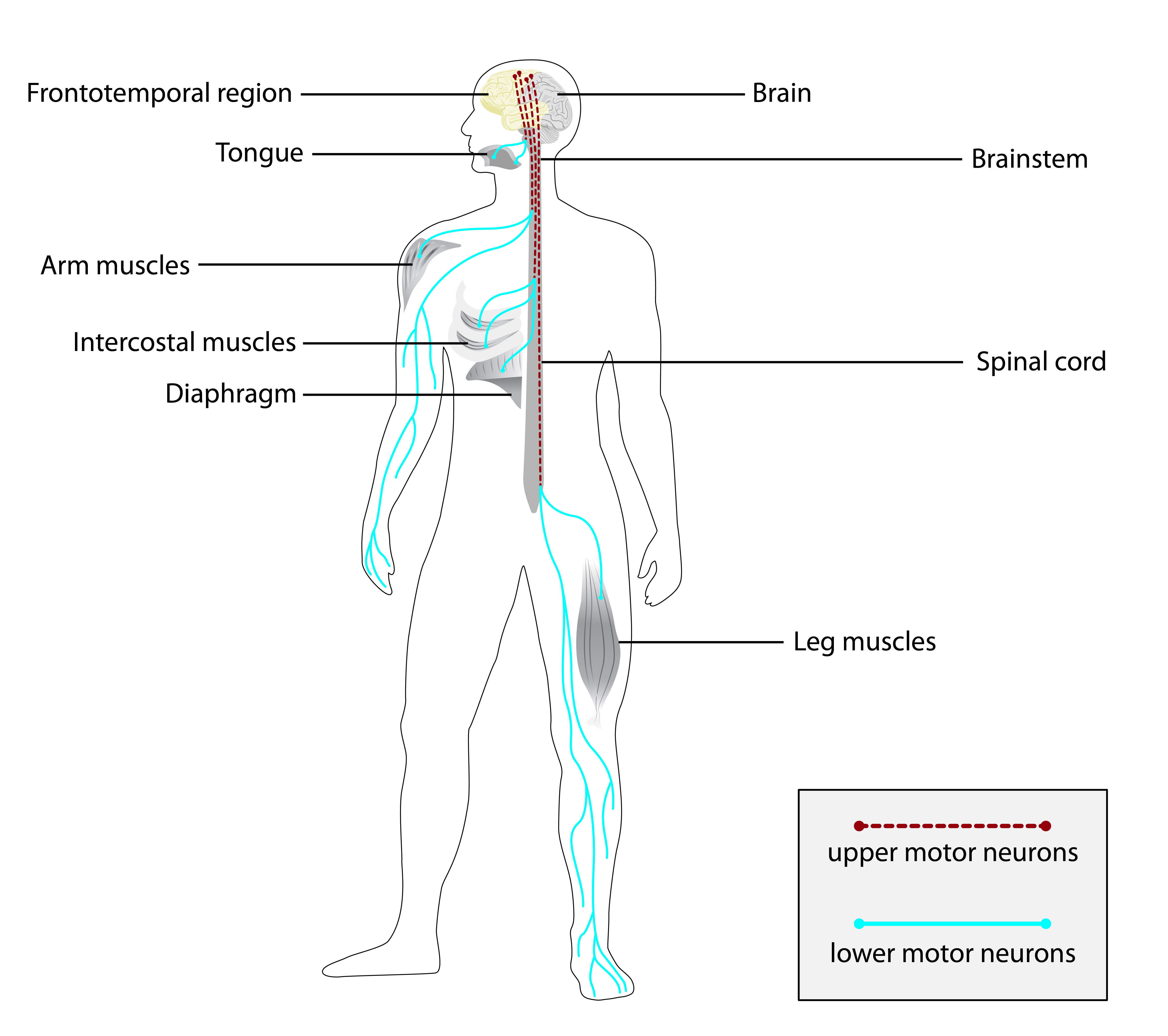
Amyotrophic Lateral Sclerosis (ALS), widely recognized as Lou Gehrig’s Disease, is a devastating neurodegenerative condition that progressively affects nerve cells in the brain and spinal cord, leading to loss of muscle control. The disease robs individuals of their ability to move, speak, eat, and eventually breathe, while typically leaving cognitive function intact. Historically, the diagnosis and management of ALS have presented formidable challenges, with limited treatment options and a largely palliative care approach. However, in the 21st century, technology has emerged as a transformative force, revolutionizing our understanding of ALS, empowering patients with innovative assistive tools, and accelerating the quest for effective therapies. This article delves into what ALS is through the lens of technological innovation, showcasing how cutting-edge advancements are reshaping the landscape for patients, caregivers, and researchers alike.

Decoding ALS: The Digital Frontier in Diagnosis and Research
Understanding ALS, from its subtle onset to its complex progression, has been dramatically advanced by digital technologies and computational power. These tools are not only enhancing our diagnostic capabilities but also unravelling the fundamental biological mysteries of the disease.
AI and Machine Learning in Early Detection
One of the most significant challenges in ALS is often the delay in diagnosis, which can average 10-16 months. This delay impacts prognosis and the timely initiation of supportive care. Artificial Intelligence (AI) and machine learning (ML) are poised to revolutionize this aspect. By training algorithms on vast datasets comprising patient medical records, neurological examination findings, neuroimaging, genetic profiles, and speech patterns, researchers are developing AI models that can identify subtle, early indicators of ALS. These intelligent systems can analyze complex patterns that might be imperceptible to the human eye, improving diagnostic accuracy and significantly reducing the time to diagnosis. For instance, AI can detect subtle changes in motor neuron activity captured by electromyography (EMG) or analyze speech patterns for early signs of bulbar weakness, offering a window for earlier intervention and personalized treatment strategies.
Big Data Analytics for Pathophysiological Insights
The intricate mechanisms underlying ALS involve a complex interplay of genetic, environmental, and cellular factors. Computational biology and big data analytics are indispensable in sifting through the enormous volumes of information generated by modern research. Scientists are leveraging supercomputers and sophisticated algorithms to analyze genomic sequences, proteomic profiles, and metabolomic data from thousands of ALS patients. This enables the identification of novel genetic mutations, protein aggregates, and metabolic disturbances implicated in disease initiation and progression. By pinpointing key biological pathways and molecular targets, big data analytics provides unprecedented insights into the pathophysiology of ALS, paving the way for the development of targeted therapies. For example, identifying specific protein misfolding patterns or cellular stress responses through data analysis can guide the design of drugs aimed at correcting these pathological events.
Advanced Imaging Techniques
Neuroimaging has long been a cornerstone of neurological diagnosis, but technological advancements have transformed its utility in ALS. Functional Magnetic Resonance Imaging (fMRI), Diffusion Tensor Imaging (DTI), and Positron Emission Tomography (PET) scans, enhanced by advanced computing and image processing software, offer increasingly detailed views of the brain and spinal cord. DTI, for instance, can visualize the integrity of white matter tracts, revealing early signs of axonal degeneration in specific motor pathways affected by ALS. PET scans can be used to detect neuroinflammation or abnormal protein aggregates long before macroscopic changes are visible. These sophisticated imaging techniques, powered by refined sensor technology and analytical software, not only aid in differential diagnosis but also provide objective biomarkers for monitoring disease progression and evaluating the efficacy of experimental treatments in clinical trials, moving beyond subjective clinical assessments.
Empowering Lives: Assistive Technologies for ALS Patients
As ALS progresses, it gradually impairs voluntary muscle movement, leading to severe communication and mobility challenges. Fortunately, technology has stepped in to offer a lifeline, providing innovative assistive tools that significantly enhance the quality of life and autonomy for individuals living with ALS.
Revolutionizing Communication with Brain-Computer Interfaces (BCIs)
One of the most profound impacts of ALS is the loss of the ability to speak, which can isolate patients from their loved ones and caregivers. Brain-Computer Interfaces (BCIs) are at the forefront of restoring communication for those with severe paralysis. These remarkable systems translate brain activity (e.g., thoughts or intentions) directly into commands for external devices, bypassing muscle control entirely. While still largely in the research phase, implantable BCIs have allowed individuals with “locked-in syndrome” due to ALS to type messages, control computer cursors, and even operate robotic arms using only their thoughts. More accessible technologies, such as advanced eye-tracking devices and specialized speech-generating software, allow patients to “type” by gazing at letters or symbols on a screen, or select pre-programmed phrases using subtle eye movements, giving them back their voice and maintaining essential connections.
Smart Home Integration and IoT for Enhanced Autonomy
The Internet of Things (IoT) and smart home automation are transforming living environments for ALS patients, granting them greater control and independence. Voice-activated virtual assistants (e.g., Amazon Alexa, Google Assistant) can control lights, thermostats, entertainment systems, and even communicate with other smart appliances. For those unable to use voice commands, alternative input methods like specialized switches, eye-tracking, or head movements can be integrated. This level of environmental control reduces reliance on caregivers for basic needs, fosters a sense of self-sufficiency, and significantly improves daily living. Remote monitoring systems, part of the broader IoT ecosystem, can also enhance safety, alerting caregivers or medical professionals to potential emergencies or deviations in routine.
Robotics and Advanced Mobility Solutions

Maintaining mobility and performing daily tasks become increasingly difficult with ALS. Robotics and advanced engineering are providing groundbreaking solutions. Smart wheelchairs, equipped with sophisticated navigation systems and customizable controls (e.g., sip-and-puff, head array, or even eye-tracking), offer enhanced independence in movement. Robotic exoskeletons, though complex and still evolving, hold the promise of supporting limbs and facilitating walking for some individuals. Furthermore, assistive robotic arms, often controlled by eye movements or voice, can help with tasks like self-feeding, turning pages, or retrieving objects, bridging the gap left by diminishing muscle function. These innovations merge mechanical engineering with intuitive software interfaces, making advanced technology accessible and functional for people with severe physical limitations.
Accelerating the Search for Cures: Technology in Drug Discovery and Clinical Trials
The ultimate goal in the fight against ALS is to find effective treatments and, eventually, a cure. Technology is dramatically accelerating the pace of drug discovery and making clinical trials more efficient and inclusive.
AI-Driven Drug Repurposing and Novel Compound Identification
Traditional drug discovery is a lengthy, expensive, and often inefficient process. AI is revolutionizing this by rapidly screening vast libraries of existing drugs and novel chemical compounds. Machine learning algorithms can predict how different molecules will interact with identified disease targets, such as misfolded proteins or dysfunctional cellular pathways, with much greater speed and accuracy than conventional laboratory methods. This “in silico” screening identifies promising candidates for further investigation, including drugs already approved for other conditions (drug repurposing), which can significantly shorten development timelines. AI can also design new compounds from scratch, optimizing their properties for efficacy and safety, thereby opening entirely new therapeutic avenues for ALS.
Digital Platforms for Streamlined Clinical Research
Conducting clinical trials for a rare, progressive disease like ALS presents unique logistical challenges. Digital platforms, telemedicine, and remote monitoring devices are transforming how clinical research is conducted. Cloud-based data management systems allow researchers from multiple sites to share and analyze patient data in real-time, improving collaboration and efficiency. Telemedicine enables remote consultations and follow-ups, reducing the burden of travel for patients who may have significant mobility issues, thereby broadening participation in trials. Wearable sensors and smartphone apps can continuously collect real-world data on patient activity levels, sleep patterns, vital signs, and medication adherence, providing a richer, more objective dataset than sporadic in-clinic visits, accelerating the evaluation of treatment efficacy.
Organ-on-a-Chip and In Vitro Models
Ethical and practical limitations of animal testing, coupled with the need for more human-relevant disease models, have driven the development of sophisticated in vitro systems. “Organ-on-a-chip” technology involves microfluidic devices that mimic the physiological environment and function of human organs, such as the brain or spinal cord, using precisely engineered microchannels and living cells. These miniature systems can recreate the complex cellular interactions and pathological processes seen in ALS, allowing for highly controlled and efficient screening of drug candidates. Similarly, induced pluripotent stem cell (iPSC) technology, where patient-derived cells are reprogrammed to create motor neurons “in a dish,” provides a personalized model for understanding individual disease mechanisms and testing patient-specific drug responses. These advanced engineering and biotechnological tools are crucial for accelerating the pre-clinical phase of drug development.
The Horizon of Care: Future Tech Innovations in ALS Management
The rapid pace of technological innovation suggests an even more integrated future for ALS care, offering personalized approaches and continuous support.
Wearable Biosensors for Proactive Health Monitoring
The next generation of wearable devices will go beyond basic fitness tracking to offer sophisticated continuous health monitoring. Advanced biosensors embedded in clothing, patches, or smart accessories could track a wide array of physiological parameters relevant to ALS, such as muscle activity, swallowing function, respiratory patterns, and even subtle changes in neural signals. This data, analyzed by AI, could provide personalized insights into disease progression, predict potential complications (e.g., respiratory crises), and enable proactive interventions. This shift from reactive to proactive care, driven by continuous data streams, promises to optimize symptom management and improve patient outcomes significantly.
Virtual and Augmented Reality for Therapy and Support
Virtual Reality (VR) and Augmented Reality (AR) are emerging as powerful tools with diverse applications in ALS care. For patients with limited mobility, VR can offer immersive experiences that provide mental stimulation, reduce feelings of isolation, and even serve as a platform for virtual social interaction. In therapy, VR can create engaging environments for rehabilitation exercises, potentially improving motivation and compliance. AR, by overlaying digital information onto the real world, could assist caregivers with complex medical tasks or provide patients with real-time feedback on their movements or speech patterns during therapy sessions. These technologies promise to enhance both the physical and psychological well-being of individuals with ALS.
Personalized Medicine through Genomics and AI
The future of ALS treatment is increasingly moving towards highly personalized medicine. Advances in genomic sequencing, combined with the power of AI, will allow for a deep understanding of each patient’s unique genetic predispositions and disease drivers. AI algorithms will analyze individual genetic profiles, clinical data, and biomarker responses to recommend highly targeted therapies or combinations of treatments that are most likely to be effective for that specific individual. This precision medicine approach, guided by sophisticated computational analysis, holds the promise of moving beyond a one-size-fits-all strategy to truly individualized care, optimizing treatment outcomes and significantly improving the prognosis for those living with ALS.
In conclusion, while Amyotrophic Lateral Sclerosis remains a formidable and heartbreaking disease, the relentless march of technological innovation offers a powerful beacon of hope. From the precision of AI in diagnosis and drug discovery to the empowering functionality of assistive devices and the transformative potential of future monitoring systems, technology is not merely an adjunct but a central pillar in the global effort to understand, manage, and ultimately conquer ALS. As interdisciplinary collaboration between technology developers, medical researchers, and patient advocates continues to grow, the outlook for individuals affected by Lou Gehrig’s Disease is being fundamentally reshaped, moving towards a future of improved quality of life and, hopefully, a path to a cure.
aViewFromTheCave is a participant in the Amazon Services LLC Associates Program, an affiliate advertising program designed to provide a means for sites to earn advertising fees by advertising and linking to Amazon.com. Amazon, the Amazon logo, AmazonSupply, and the AmazonSupply logo are trademarks of Amazon.com, Inc. or its affiliates. As an Amazon Associate we earn affiliate commissions from qualifying purchases.