
Hemoglobin, a vital protein found within your red blood cells, plays a critical role in sustaining life. It’s the remarkable molecule responsible for transporting oxygen from your lungs to every cell and tissue in your body, and for carrying carbon dioxide, a waste product, back to the lungs for exhalation. Without sufficient hemoglobin, your body’s cells wouldn’t receive the oxygen they need to function, leading to a cascade of health issues.
While the term “normal hemoglobin” might sound straightforward, the reality is nuanced. What constitutes a “normal” level is not a single, fixed number but rather a range that varies based on several factors, including age, sex, and even altitude. Understanding these variations and what influences your hemoglobin levels can empower you to take a more proactive approach to your health.
This article delves into the intricacies of hemoglobin, exploring its function, the factors that determine normal ranges, the implications of abnormal levels, and how technology and financial considerations intersect with our understanding and management of this crucial biological component.
The Science Behind Hemoglobin: More Than Just a Red Pigment
Hemoglobin is a complex protein molecule containing iron, which gives blood its characteristic red color. Each red blood cell contains millions of hemoglobin molecules, and collectively, they form the primary mechanism for oxygen delivery throughout the body.
The Mechanics of Oxygen Transport
The process begins when you inhale. Oxygen enters your lungs and diffuses into your bloodstream. Here, hemoglobin molecules eagerly bind with oxygen atoms. Think of hemoglobin as tiny, highly efficient delivery trucks, picking up their precious cargo of oxygen. These oxygen-laden red blood cells then circulate through your arteries, reaching every part of your body.
As the red blood cells reach tissues that are in need of oxygen – whether it’s your brain for thinking, your muscles for movement, or your heart for pumping – the hemoglobin releases its oxygen. Simultaneously, the tissues release carbon dioxide, a metabolic byproduct. Hemoglobin then picks up this carbon dioxide and transports it back to the lungs via your veins, where it is exhaled. This continuous cycle is essential for cellular respiration and overall bodily function.
Factors Influencing Hemoglobin Levels
While a general range for normal hemoglobin exists, several factors can influence an individual’s specific levels:
- Age: Hemoglobin levels tend to be higher in newborns, gradually decreasing in infancy and then rising again in adulthood. Elderly individuals may experience slight declines.
- Sex: Generally, adult males have higher hemoglobin levels than adult females. This is largely due to hormonal differences, particularly testosterone, which stimulates red blood cell production.
- Altitude: Living at higher altitudes exposes individuals to lower atmospheric oxygen pressure. In response, the body produces more red blood cells and hemoglobin to compensate for the reduced oxygen availability.
- Pregnancy: During pregnancy, a woman’s blood volume increases significantly. While her red blood cell count increases, the plasma volume increases more, leading to a slight decrease in hemoglobin concentration, a condition known as physiological anemia of pregnancy.
- Hydration Levels: Dehydration can temporarily concentrate the blood, making hemoglobin levels appear higher than they actually are. Conversely, overhydration can dilute the blood, leading to lower readings.
- Overall Health and Diet: Chronic illnesses, nutritional deficiencies (especially iron), and certain medications can impact hemoglobin production and, consequently, its levels.
Decoding “Normal”: Understanding Hemoglobin Reference Ranges
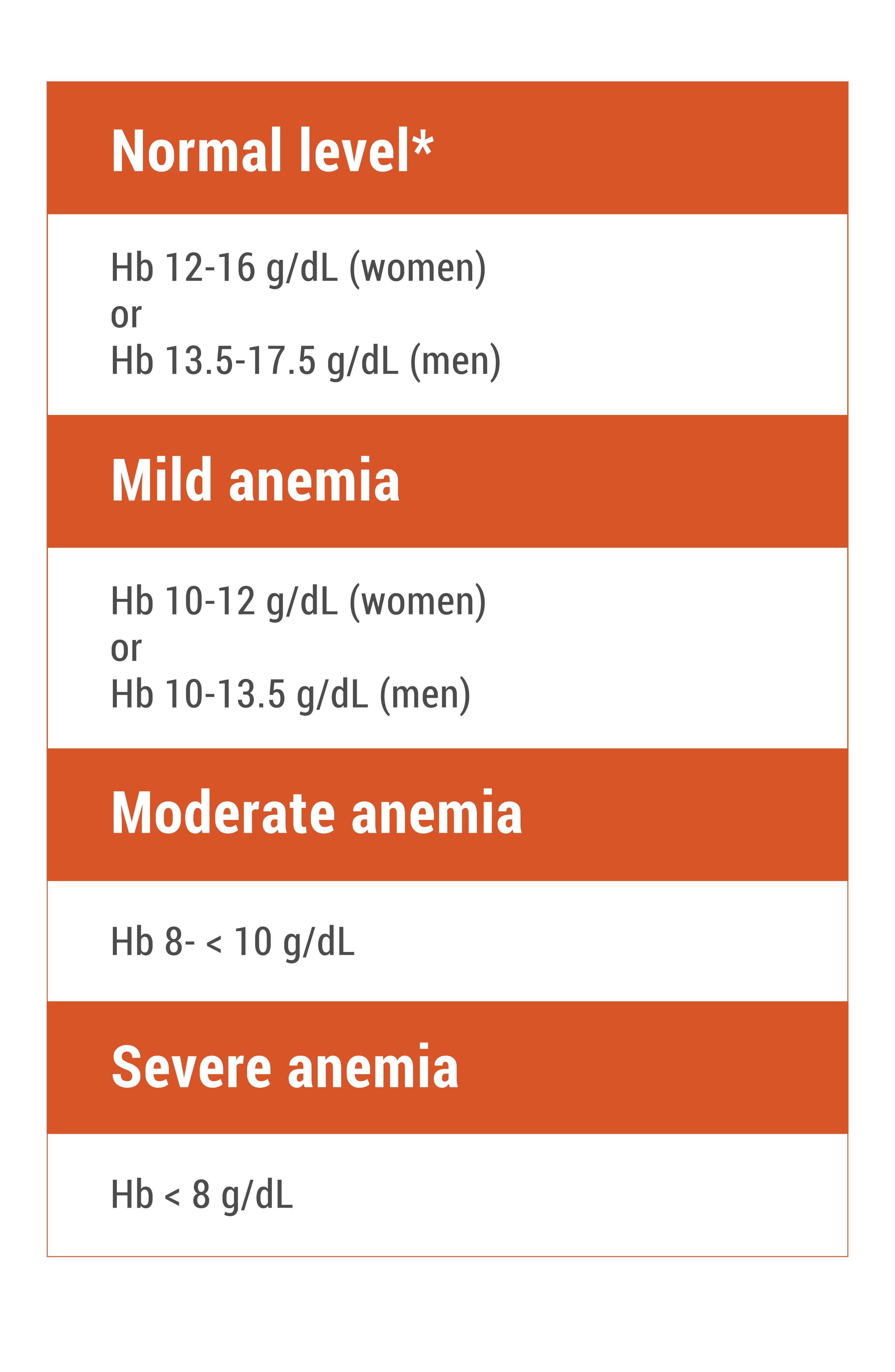
The “normal” range for hemoglobin is typically expressed in grams per deciliter (g/dL) or grams per liter (g/L). These ranges are established based on large population studies and are used by healthcare professionals to interpret blood test results.
Typical Hemoglobin Ranges (These are approximate and can vary slightly by laboratory):
- Adult Males: 13.5 to 17.5 g/dL (8.4 to 10.9 mmol/L)
- Adult Females: 12.0 to 15.5 g/dL (7.4 to 9.6 mmol/L)
- Children (varies by age): Generally, children have lower levels than adults, with ranges increasing as they grow. For instance, a range for a 6-month-old might be around 10.1 to 13.3 g/dL.
- Newborns: Often higher, around 14 to 24 g/dL (8.7 to 14.9 mmol/L), as their bodies prepare for life outside the womb.
It’s crucial to remember that these are general guidelines. A result slightly outside these ranges may not necessarily indicate a problem, especially if other health indicators are normal. Your doctor will consider your individual circumstances when interpreting your results.
When is Hemoglobin Considered Abnormal?
Abnormal hemoglobin levels fall into two main categories: too high (polycythemia) and too low (anemia).
The Dangers of Low Hemoglobin: Anemia
Anemia is the most common condition associated with low hemoglobin. It signifies that your blood doesn’t have enough healthy red blood cells to carry an adequate amount of oxygen to your body’s tissues. Symptoms of anemia can range from mild to severe and may include:
- Fatigue and weakness
- Shortness of breath
- Pale skin
- Headaches
- Dizziness or lightheadedness
- Cold hands and feet
- Irregular heartbeat
There are numerous causes of anemia, including:

- Iron Deficiency Anemia: The most common type, caused by insufficient iron in the body, which is essential for hemoglobin production. This can result from inadequate dietary intake, blood loss (e.g., heavy menstruation, internal bleeding), or poor iron absorption.
- Vitamin Deficiency Anemia: Deficiencies in vitamin B12 or folate can impair red blood cell production.
- Anemia of Chronic Disease: Conditions like kidney disease, cancer, or inflammatory disorders can interfere with red blood cell production.
- Hemolytic Anemia: This occurs when red blood cells are destroyed faster than they can be produced, due to genetic disorders, infections, or certain medications.
- Aplastic Anemia: A rare but serious condition where the bone marrow doesn’t produce enough red blood cells.
The Risks of High Hemoglobin: Polycythemia
While less common than anemia, having too much hemoglobin (polycythemia) can also be detrimental. It means there are too many red blood cells, leading to thicker blood that can impede circulation and increase the risk of blood clots, stroke, and heart attack. Causes of polycythemia can include:
- Primary Polycythemia (Polycythemia Vera): A rare blood disorder where the bone marrow produces too many red blood cells.
- Secondary Polycythemia: This is more common and occurs in response to other conditions, such as chronic low oxygen levels (e.g., from lung disease, sleep apnea), certain tumors, or prolonged exposure to high altitudes. Dehydration can also temporarily elevate hemoglobin levels.
Technology’s Role in Hemoglobin Monitoring and Management
In today’s digitally-driven world, technology is increasingly playing a role in how we understand, monitor, and manage our health, and hemoglobin is no exception. From sophisticated diagnostic tools to user-friendly apps, advancements are making it easier to stay informed.
Advanced Diagnostic Tools and Wearables
Traditional hemoglobin testing involves a simple blood draw performed at a doctor’s office or laboratory. However, the realm of health technology is pushing the boundaries of what’s possible.
- Point-of-Care Hemoglobin Analyzers: These portable devices allow for rapid hemoglobin testing in clinical settings, providing quick results that can aid in immediate diagnosis and treatment decisions.
- Non-Invasive Hemoglobin Measurement: Researchers are exploring and developing non-invasive methods, such as optical sensors that can estimate hemoglobin levels by analyzing light absorption through the skin. While still in development for widespread clinical use, these technologies hold the promise of less intrusive monitoring.
- Smartwatches and Fitness Trackers: While not yet capable of directly measuring hemoglobin, many advanced wearables can track physiological metrics like heart rate, blood oxygen saturation (SpO2), and even blood pressure. Trends in these metrics, especially blood oxygen, can sometimes indirectly hint at potential issues that might warrant a hemoglobin check. As AI and sensor technology evolve, it’s conceivable that future wearables could offer more direct insights into blood composition.
Leveraging Software and AI for Insights
The vast amounts of data generated by health devices and electronic health records (EHRs) are being harnessed by software and Artificial Intelligence (AI) to provide more personalized health insights.
- Health Tracking Apps: Numerous mobile applications allow users to log their symptoms, track their diet, record medication schedules, and even store lab results, including hemoglobin levels. These apps can help individuals visualize trends over time and share this information with their healthcare providers.
- AI-Powered Health Assistants: AI algorithms are being developed to analyze a patient’s comprehensive health data, including hemoglobin readings, to identify potential risks, predict future health events, and offer personalized recommendations for diet, exercise, and lifestyle adjustments. For instance, AI could flag a persistent downward trend in hemoglobin in conjunction with reported fatigue and suggest a consultation with a doctor.
- Digital Security and Data Privacy: As more health data is digitized and shared, ensuring robust digital security and maintaining patient data privacy is paramount. Reputable health tech platforms employ advanced encryption and security protocols to protect sensitive information.
The Financial Landscape of Hemoglobin Health
Understanding and managing hemoglobin levels can also have financial implications, from the cost of testing and treatment to the impact on earning potential.
Costs Associated with Testing and Treatment
- Diagnostic Tests: A hemoglobin test is typically part of a complete blood count (CBC), which can range in cost depending on your insurance coverage and the healthcare provider. While often covered by insurance for diagnostic purposes, out-of-pocket expenses can still apply.
- Treatments for Anemia: The cost of treating anemia varies greatly depending on the underlying cause. Iron supplements are relatively inexpensive, but medications for more complex anemias or conditions like polycythemia vera can be significantly more costly. Chemotherapy or blood transfusions, if required in severe cases, also represent substantial expenses.
- Preventative Measures: Investing in a balanced diet rich in iron, vitamin B12, and folate can be a cost-effective way to prevent deficiencies that lead to anemia.
Impact on Personal Finance and Productivity
Chronic anemia or polycythemia can significantly impact an individual’s ability to work and earn income.
- Reduced Productivity: Persistent fatigue and weakness associated with anemia can lead to decreased concentration, reduced work capacity, and increased absenteeism, potentially affecting job performance and career advancement.
- Increased Healthcare Expenses: The ongoing need for medical consultations, diagnostic tests, and treatments for anemia or polycythemia can place a significant financial burden on individuals and families.
- Lifestyle Adjustments: Managing chronic conditions often requires lifestyle modifications, which might include dietary changes or increased rest, potentially impacting discretionary spending or the ability to pursue certain side hustles or income-generating activities.

Smart Financial Planning for Health
Proactive health management, including regular check-ups and understanding your hemoglobin levels, can be viewed as an investment in your long-term financial well-being.
- Health Savings Accounts (HSAs) and Flexible Spending Accounts (FSAs): These tax-advantaged accounts can help offset the costs of medical expenses, including diagnostic tests and treatments related to hemoglobin issues.
- Health Insurance: Adequate health insurance is crucial for mitigating the financial impact of unexpected health conditions. Understanding your policy’s coverage for blood tests, doctor visits, and prescription medications is vital.
- Financial Literacy and Health: Developing financial literacy can empower individuals to make informed decisions about their healthcare spending and to budget effectively for potential medical needs.
In conclusion, while the question “what is a normal hemoglobin” might seem simple, it opens the door to a complex interplay of biology, technology, and personal finance. By understanding the science behind hemoglobin, knowing the reference ranges, recognizing the signs of abnormality, and leveraging technological advancements while being mindful of financial implications, individuals can take a more informed and proactive stance towards maintaining optimal health and well-being. Regular check-ups with your healthcare provider remain the cornerstone of understanding your unique hemoglobin status and addressing any concerns that may arise.
aViewFromTheCave is a participant in the Amazon Services LLC Associates Program, an affiliate advertising program designed to provide a means for sites to earn advertising fees by advertising and linking to Amazon.com. Amazon, the Amazon logo, AmazonSupply, and the AmazonSupply logo are trademarks of Amazon.com, Inc. or its affiliates. As an Amazon Associate we earn affiliate commissions from qualifying purchases.