
The term “morning after pill” has become a widely recognized phrase, often sparking curiosity and sometimes misunderstanding. While its name evokes a sense of urgency and post-event intervention, the reality of this medication is more nuanced and its accessibility a topic of ongoing discussion. In essence, the morning after pill refers to a form of emergency contraception, a crucial tool in reproductive health that offers a safety net when regular birth control methods fail or are not used.
In today’s rapidly evolving digital landscape, understanding health-related topics is more accessible than ever. Websites dedicated to technology, brand strategy, and finance often delve into how these domains intersect with personal well-being and decision-making. While a direct article on the morning after pill might not be the immediate focus of a tech or finance blog, the principles of information dissemination, access to resources, and the impact of societal perceptions on health choices are directly relevant. This article aims to demystify the morning after pill, exploring its mechanisms, efficacy, accessibility, and the broader context of reproductive health in the digital age, drawing parallels to how information and tools are presented and utilized across various sectors.

Understanding the Science Behind Emergency Contraception
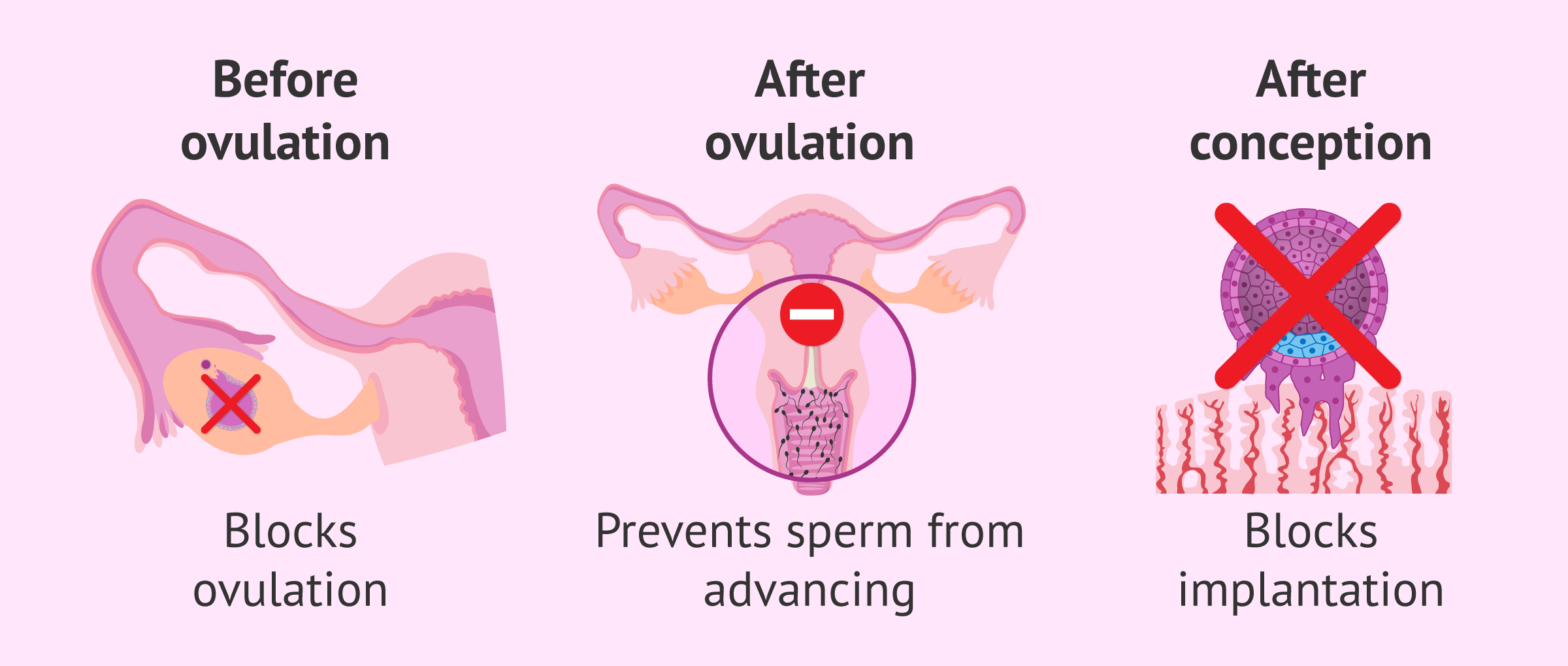
The morning after pill, more accurately termed emergency contraception (EC), is not an abortifacient. This is a crucial distinction that often gets lost in public discourse. Instead, its primary function is to prevent pregnancy from occurring after unprotected intercourse or contraceptive failure. The “morning after” moniker is somewhat of a misnomer, as the effectiveness of these pills diminishes with time, and they should ideally be taken as soon as possible, ideally within 72 hours, though some formulations can be effective up to 120 hours (5 days) after the event.
How Does it Work? The Biological Mechanisms
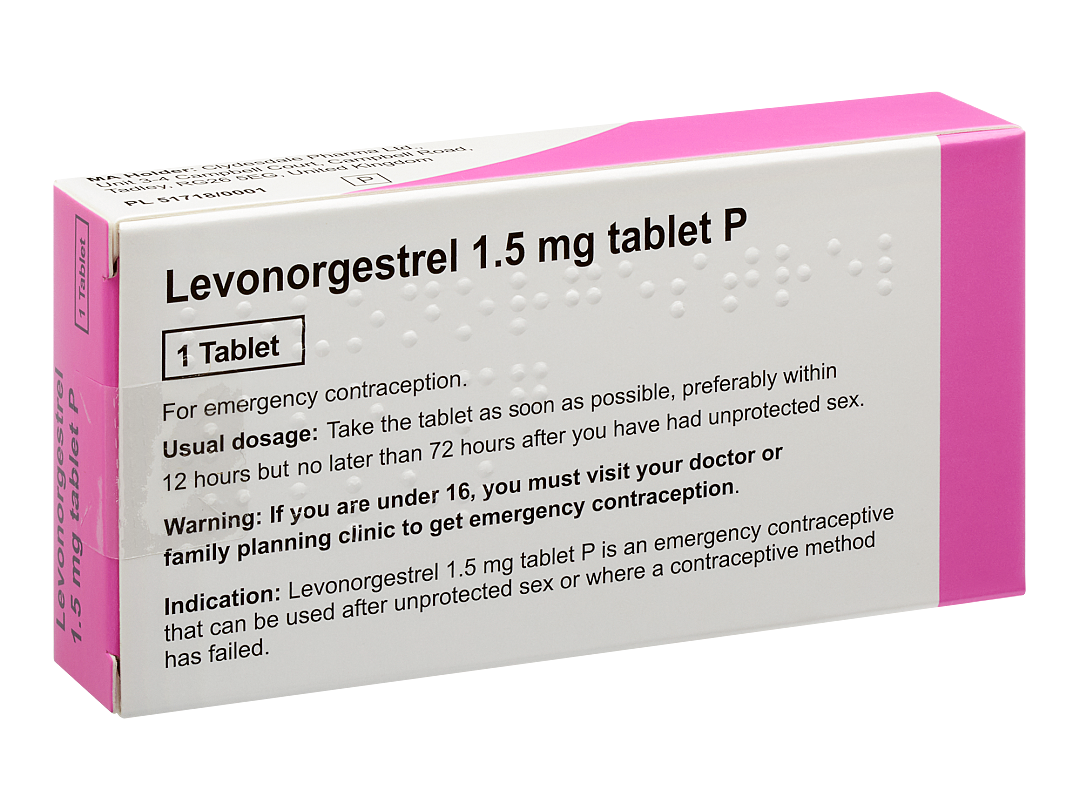
The specific mechanism of action depends on the type of emergency contraception used. The most common forms contain either levonorgestrel (a progestin hormone) or ulipristal acetate.
-
Levonorgestrel-based Pills: These are the most widely available and are often referred to as “Plan B” or similar generic brands. Levonorgestrel primarily works by preventing or delaying ovulation. Ovulation is the release of an egg from the ovary. If intercourse occurs before ovulation, sperm can survive in the reproductive tract for up to five days. By delaying ovulation, levonorgestrel effectively reduces the chances of sperm encountering an egg. It may also thicken cervical mucus, making it more difficult for sperm to reach the uterus and fallopian tubes. In some instances, it may also interfere with fertilization itself, though this is considered a less significant mechanism.
-
Ulipristal Acetate-based Pills: These pills, often marketed as “ella” or generic equivalents, are generally considered more effective, particularly in the later part of the fertile window. Ulipristal acetate works by delaying ovulation, similar to levonorgestrel, but it also has a stronger effect on preventing the luteinizing hormone (LH) surge that triggers ovulation. This can make it effective even closer to the time of ovulation. Additionally, ulipristal acetate may also affect the uterine lining, making it less receptive to implantation if fertilization were to occur. However, it’s important to reiterate that EC does not terminate an established pregnancy; its actions occur before implantation.
It is vital for individuals to understand these mechanisms to make informed decisions about their reproductive health. This understanding mirrors the importance of comprehending how new software works, how a brand’s messaging is crafted, or the intricacies of investment strategies – knowledge empowers better choices.
Efficacy and Limitations: A Realistic Perspective
The efficacy of emergency contraception is a key consideration. While highly effective when used correctly, it is not 100% foolproof. Several factors can influence its effectiveness:
- Timing: As mentioned, the sooner EC is taken after unprotected intercourse, the more effective it is. The window of opportunity is critical.
- Weight: Some studies suggest that EC may be less effective in individuals with higher body weight. This is an area of ongoing research, and the implications for medical recommendations are still being explored.
- Menstrual Cycle Phase: The efficacy can also be influenced by where an individual is in their menstrual cycle at the time of intercourse.
It’s also important to note that emergency contraception is not a substitute for regular, ongoing birth control methods. It is designed for situations where regular contraception has failed, was not used, or in cases of sexual assault. Consistent and effective use of daily pills, IUDs, implants, or other long-acting reversible contraceptives (LARCs) offer far greater pregnancy prevention rates over time.
Access and Availability: Navigating the Landscape
The accessibility of emergency contraception has been a subject of considerable debate and policy changes globally. In many regions, EC is available over-the-counter without a prescription, making it relatively easy to obtain. However, access can still be a barrier due to factors like:
Pharmacy Policies and Geographic Location
While EC might be legally available, the practicalities of obtaining it can vary. Some pharmacies may have specific policies regarding its stocking or dispensing. Geographic location can also play a role, with individuals in rural areas potentially facing longer travel times to access a pharmacy. This is analogous to how technological access and infrastructure can differ significantly between urban and rural settings, impacting who can benefit from digital tools and innovations.
Cost and Insurance Coverage
The cost of emergency contraception can be a barrier for some individuals. While generic options are often more affordable, the price can still be prohibitive, especially for those without insurance coverage or with high co-pays. In some healthcare systems, EC may be covered by insurance, but this is not universally the case. Financial literacy and access to affordable healthcare are as crucial as understanding a stock market trend or how to leverage a new productivity app.
Information and Education: Bridging the Knowledge Gap
A significant aspect of access is the availability of accurate information. Misinformation and stigma surrounding emergency contraception can deter individuals from seeking it out. Comprehensive sex education programs, readily available online resources, and clear communication from healthcare providers are vital in ensuring that individuals know about their options and feel empowered to use them when needed.
This need for clear, accessible information resonates with the core principles of technology and brand websites. Tech sites strive to explain complex innovations in understandable terms, and brand builders emphasize clear, consistent messaging. Similarly, health information must be presented in a way that is accurate, non-judgmental, and easy to digest.
The Broader Context: Emergency Contraception in Reproductive Health and Technology
The conversation around emergency contraception is intertwined with broader discussions about reproductive rights, healthcare access, and the role of technology in health.
Reproductive Rights and Autonomy
The ability to access and utilize emergency contraception is often viewed as a fundamental aspect of reproductive autonomy. It empowers individuals to make choices about their bodies and their futures, especially in situations where unintended pregnancy could have significant personal, social, and economic consequences. Debates surrounding EC access often mirror broader societal discussions about individual liberty and the role of government in personal health decisions.
The Digital Age and Health Information
In the 21st century, the internet and digital platforms have revolutionized how people access health information. Websites dedicated to technology trends, AI tools, and digital security are increasingly intersecting with health and wellness. For example, AI-powered symptom checkers, wearable health trackers, and telehealth services are becoming commonplace. This digital revolution also impacts how individuals learn about and access reproductive health options. Online pharmacies, discreet delivery services, and a wealth of reputable health websites offer new avenues for obtaining EC and information about it.
However, this digital landscape also presents challenges. The proliferation of misinformation online can be a significant concern. It is crucial for individuals to rely on credible sources for health information, such as established healthcare organizations, government health websites, and peer-reviewed scientific literature. This emphasis on discerning reliable information is a skill that is equally vital in navigating the fast-paced world of technology trends and investment advice.
Future Directions and Technological Advancements
While emergency contraception methods have been established for some time, research continues. Future advancements might focus on developing EC with even greater efficacy, fewer side effects, or improved accessibility. The intersection of technology and healthcare might also lead to more innovative ways to deliver reproductive health services, including EC. This could involve telehealth consultations for prescription EC, personalized reproductive health apps that track fertility and offer contraception reminders, or even discreet online ordering and delivery systems.
Ultimately, the morning after pill, or emergency contraception, is a vital tool in the spectrum of reproductive healthcare. Understanding its science, its limitations, and how to access it empowers individuals to make informed decisions. In an era where technology, brand messaging, and financial literacy are increasingly intertwined with personal well-being, demystifying essential health resources like emergency contraception remains a critical endeavor, ensuring that everyone has the knowledge and tools they need to navigate their health journey.
aViewFromTheCave is a participant in the Amazon Services LLC Associates Program, an affiliate advertising program designed to provide a means for sites to earn advertising fees by advertising and linking to Amazon.com. Amazon, the Amazon logo, AmazonSupply, and the AmazonSupply logo are trademarks of Amazon.com, Inc. or its affiliates. As an Amazon Associate we earn affiliate commissions from qualifying purchases.