
In the vast landscape of health and wellness, understanding our body’s internal workings is paramount. Among the myriad of biological markers that offer insights into our health, cholesterol levels frequently emerge as a topic of significant discussion and sometimes, confusion. Specifically, Low-Density Lipoprotein (LDL) cholesterol, often dubbed “bad cholesterol,” plays a crucial role in our cardiovascular health. But what truly constitutes a “good” level of LDL, and how does this seemingly technical term translate into actionable insights for our daily lives? This exploration delves into the science behind LDL, its implications for our health, and how we can proactively manage it, drawing parallels to the principles of informed decision-making and strategic planning that resonate across the technological, branding, and financial realms.

Understanding the Cholesterol Spectrum: Beyond “Good” and “Bad”
The human body requires cholesterol to build healthy cells. However, cholesterol travels through the bloodstream attached to proteins, forming lipoproteins. These lipoproteins can be broadly categorized into LDL and HDL (High-Density Lipoprotein), each playing distinct roles.
The Nuances of LDL: More Than Just “Bad”
While LDL is commonly labeled “bad cholesterol,” this simplistic categorization overlooks its essential functions. LDL’s primary role is to transport cholesterol from the liver to cells throughout the body. Cells need cholesterol for various functions, including building cell membranes and producing hormones. The issue arises not from LDL itself, but from an excess of it circulating in the bloodstream.
When LDL levels are too high, these particles can accumulate in the walls of arteries. This buildup, known as atherosclerosis, can lead to hardened and narrowed arteries. Over time, this can restrict blood flow to vital organs like the heart and brain, significantly increasing the risk of heart disease, heart attacks, and strokes. This concept mirrors how unchecked growth or poorly managed resources in a business can lead to inefficiencies and eventual decline. Just as a brand needs a clear identity to stand out, our bodies need a balanced internal environment to thrive.
HDL: The Counterbalancing Force
In contrast, HDL cholesterol acts as a scavenger. It picks up excess cholesterol from the arteries and transports it back to the liver, where it can be removed from the body. Therefore, higher levels of HDL are generally considered beneficial, as they help to mitigate the risks associated with high LDL. Think of HDL as the efficient system that cleans up potential bottlenecks, akin to effective project management in technology or a robust reputation management strategy in branding.
What Constitutes a “Good” LDL Level? Factors and Recommendations
Defining a “good” LDL level is not a one-size-fits-all answer. Several factors influence what is considered optimal, including an individual’s overall cardiovascular risk profile.
The General Benchmarks: A Starting Point
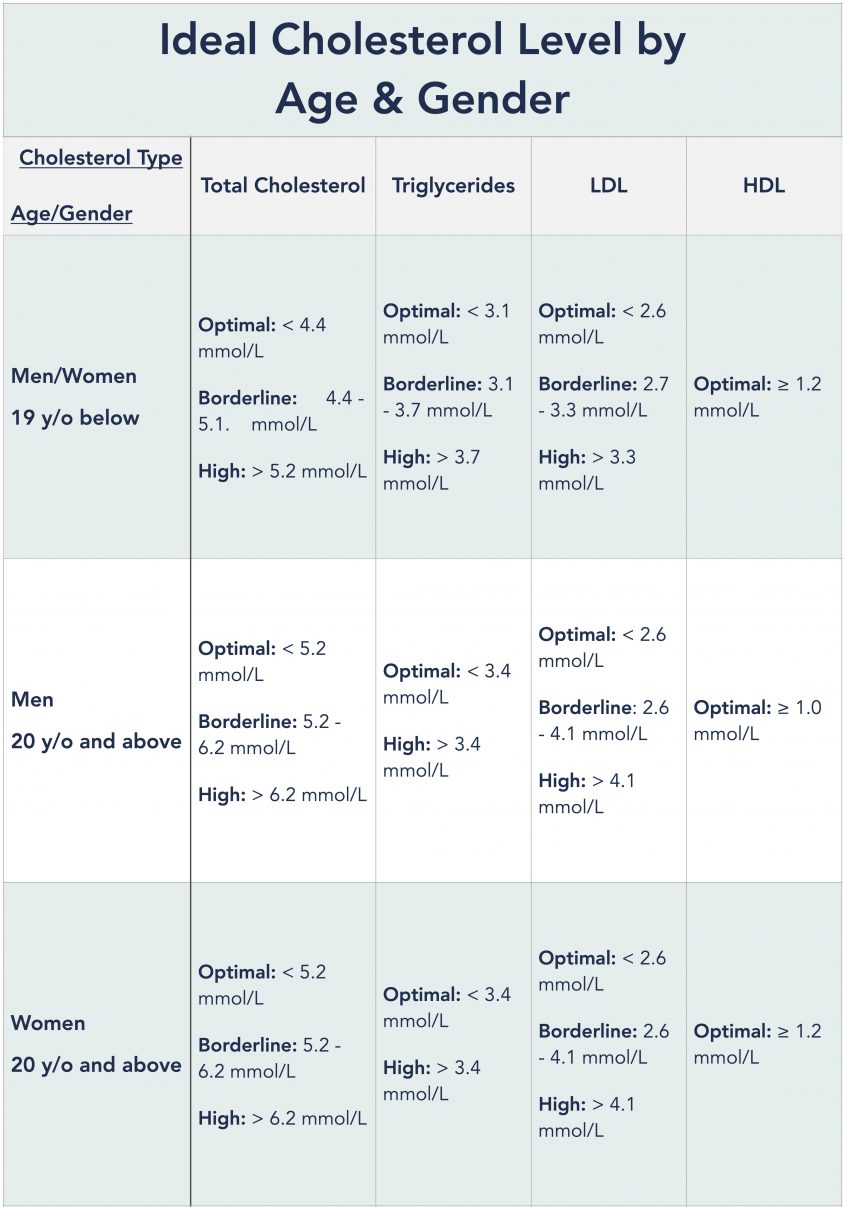
For the general adult population with no known cardiovascular disease, current guidelines often suggest the following:
- Desirable LDL Cholesterol: Below 100 mg/dL (milligrams per deciliter). This is the commonly cited target.
- Near Optimal/Above Optimal: 100-129 mg/dL. This range might be acceptable for some, but it’s approaching the higher end.
- Borderline High: 130-159 mg/dL. This is a level that warrants attention and potential lifestyle modifications.
- High: 160-189 mg/dL. This is a significant concern and typically requires medical intervention.
- Very High: 190 mg/dL and above. This level poses a substantial risk and demands aggressive management.
These benchmarks are akin to the initial market research for a new product or the foundational elements of a personal brand. They provide a baseline understanding from which to make informed decisions.
Individualized Risk Assessment: The Critical Layer
However, these general numbers are often adjusted based on a comprehensive assessment of an individual’s cardiovascular risk factors. A physician will consider:
- Age: Risk increases with age.
- Sex: Men generally have a higher risk at a younger age than women.
- Family History: A history of premature heart disease in close relatives increases risk.
- Smoking Status: Smoking significantly damages blood vessels and exacerbates cholesterol issues.
- Blood Pressure: High blood pressure (hypertension) puts added strain on arteries.
- Diabetes: Diabetes often leads to unhealthy cholesterol levels and damages blood vessels.
- Obesity/Overweight: Excess body weight can negatively impact cholesterol profiles.
- Diet and Physical Activity: Lifestyle choices are powerful determinants.
For individuals with existing heart disease, diabetes, or other high-risk conditions, the target LDL level might be considerably lower, often below 70 mg/dL or even below 55 mg/dL. This personalized approach mirrors the strategic customization required in effective marketing campaigns or the tailored financial planning needed to meet specific investment goals. A generic solution rarely yields optimal results; understanding the unique context is key.
Strategies for Optimizing LDL Levels: A Holistic Approach
Managing LDL cholesterol isn’t solely about medication; it’s a multi-faceted endeavor that integrates lifestyle choices, informed dietary habits, and, when necessary, medical intervention. This holistic perspective aligns with the integrated approach needed for successful technology adoption, brand building, and financial management.
Lifestyle Modifications: The Foundation of Control
The most impactful and accessible strategies for managing LDL often lie within our daily routines. These are the fundamental building blocks, much like the core features of a new app or the essential principles of personal finance.
Dietary Adjustments: Fueling Your Health
What we eat directly influences our cholesterol levels. Focusing on a heart-healthy diet can significantly impact LDL. Key recommendations include:
- Reducing Saturated and Trans Fats: These are the primary culprits in raising LDL. Saturated fats are found in red meat, full-fat dairy products, and many processed foods. Trans fats, often found in fried foods and baked goods, are particularly detrimental.
- Increasing Soluble Fiber Intake: Soluble fiber acts like a sponge in the digestive system, binding to cholesterol and preventing its absorption into the bloodstream. Excellent sources include oats, barley, beans, lentils, apples, pears, and citrus fruits.
- Incorporating Unsaturated Fats: Monounsaturated and polyunsaturated fats can help lower LDL and raise HDL. These are found in olive oil, avocados, nuts, seeds, and fatty fish like salmon and mackerel.
- Consuming Foods Rich in Omega-3 Fatty Acids: While primarily known for their heart benefits, omega-3s can also positively influence cholesterol profiles.
- Limiting Dietary Cholesterol: While less impactful than saturated and trans fats for most people, moderate intake of cholesterol-rich foods like egg yolks and organ meats is often recommended.

This dietary strategy is analogous to optimizing a tech stack or refining a marketing message. It’s about making deliberate choices based on understanding how different components interact to achieve a desired outcome.
Regular Physical Activity: The Engine of Cardiovascular Health
Exercise is a powerful tool for improving cholesterol. Aerobic exercise, in particular, can help lower LDL and raise HDL. Aiming for at least 150 minutes of moderate-intensity or 75 minutes of vigorous-intensity aerobic activity per week is generally recommended. Activities like brisk walking, jogging, swimming, cycling, and dancing are excellent choices.
Strength training, while not directly impacting cholesterol as much as aerobic exercise, contributes to overall health, helps manage weight, and improves insulin sensitivity, which indirectly benefits cholesterol levels.
Think of exercise as the performance optimization for your body. Just as software needs regular updates and hardware needs to be utilized efficiently, our bodies benefit immensely from consistent movement.
Maintaining a Healthy Weight: Balancing the Scales
Excess body weight, particularly abdominal fat, can negatively affect cholesterol levels, often leading to higher LDL and lower HDL. Losing even a modest amount of weight (5-10% of body weight) can have a significant positive impact on cholesterol profiles. This mirrors the importance of resource management and efficiency in business; excess can be a drain, while balance leads to better performance.
Quitting Smoking: A Crucial Step
Smoking damages blood vessels and significantly contributes to the buildup of plaque in arteries. Quitting smoking is one of the most impactful changes an individual can make for their cardiovascular health, leading to improvements in cholesterol levels and a dramatic reduction in overall risk. This is a clear case of eliminating a major vulnerability, akin to patching a critical security flaw in a software system.
Medical Intervention: When Lifestyle Isn’t Enough
For many individuals, particularly those with higher risk profiles or established cardiovascular disease, lifestyle modifications alone may not be sufficient to reach target LDL levels. In such cases, medical intervention, typically involving cholesterol-lowering medications, becomes essential.
Statins: The Frontline Defense
Statins are the most commonly prescribed class of cholesterol-lowering drugs. They work by blocking an enzyme in the liver that produces cholesterol, thereby reducing LDL production. Statins have been proven to significantly reduce the risk of heart attack and stroke in individuals with high cholesterol.
The decision to prescribe statins, and the specific dosage, is highly individualized. It’s based on a thorough assessment of cardiovascular risk, an individual’s LDL cholesterol level, and their response to lifestyle interventions. This is akin to selecting the right enterprise software or the most effective marketing platform – it requires understanding the specific needs and potential outcomes.
Other Medications
Depending on an individual’s needs, other medications may be prescribed, either alone or in combination with statins. These can include ezetimibe (which reduces cholesterol absorption), PCSK9 inhibitors (which can dramatically lower LDL), bile acid sequestrants, and fibrates.
The choice of medication and treatment plan is always a collaborative effort between the patient and their healthcare provider, emphasizing the importance of expert guidance and informed decision-making, much like navigating complex financial markets or implementing cutting-edge technology solutions.
The Long-Term Vision: Proactive Health Management
Understanding what constitutes a good level of LDL is not just about numbers; it’s about adopting a proactive approach to long-term health and well-being. This mindset extends beyond our physical health, influencing how we approach our careers, our finances, and our personal growth.
Consistent Monitoring: Tracking Your Progress
Regular check-ups with your doctor, including cholesterol testing, are crucial for monitoring your LDL levels and assessing the effectiveness of your management strategies. This ongoing surveillance allows for timely adjustments to your plan, ensuring you stay on track towards your health goals. This is akin to the continuous monitoring of key performance indicators (KPIs) in business or tracking investment portfolio performance.
Informed Decision-Making: Empowering Yourself
By understanding the factors that influence LDL cholesterol, you can make more informed choices about your diet, exercise, and overall lifestyle. This empowers you to take control of your health, rather than passively accepting potential risks. This mirrors the importance of digital literacy and understanding the evolving tech landscape, or being financially literate to make sound investment decisions.
Building a Resilient Future: Investing in Your Well-being
Just as a strong brand is built on consistent messaging and positive experiences, and a robust financial portfolio is built on strategic planning and disciplined execution, a healthy body is built on consistent, positive lifestyle choices. Optimizing your LDL cholesterol is an investment in your future, enabling you to live a fuller, healthier, and more vibrant life. It’s about creating a foundation of well-being that supports all other aspects of your life, from your professional endeavors to your personal relationships.
In conclusion, a “good” level of LDL cholesterol is a personalized target, determined by your unique health profile and cardiovascular risk factors. By embracing a holistic approach that combines informed lifestyle choices, regular monitoring, and, when necessary, medical guidance, you can effectively manage your LDL levels and significantly contribute to your long-term cardiovascular health. This proactive management is not just about avoiding illness; it’s about cultivating a state of optimal well-being, empowering you to thrive in all areas of your life.
aViewFromTheCave is a participant in the Amazon Services LLC Associates Program, an affiliate advertising program designed to provide a means for sites to earn advertising fees by advertising and linking to Amazon.com. Amazon, the Amazon logo, AmazonSupply, and the AmazonSupply logo are trademarks of Amazon.com, Inc. or its affiliates. As an Amazon Associate we earn affiliate commissions from qualifying purchases.