
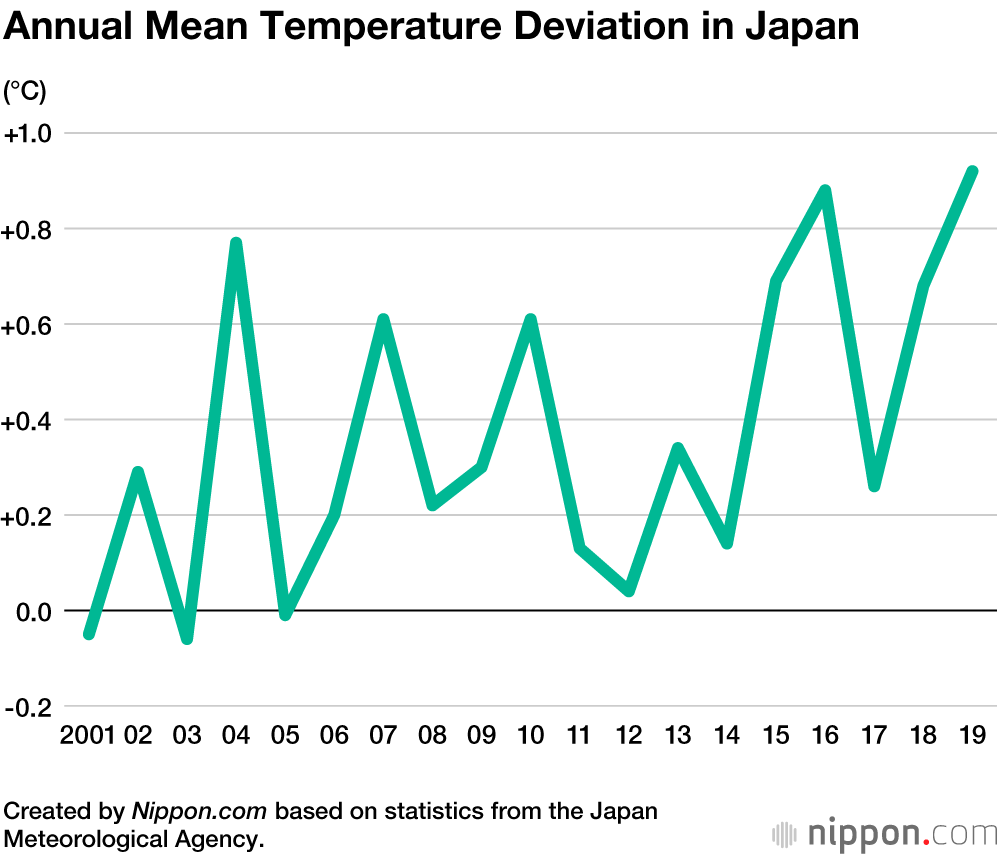
Japan, a land of fascinating contrasts, from ancient traditions to cutting-edge technology, offers a diverse range of experiences to its visitors and residents. Understanding its climate is paramount, not just for packing the right clothes for a trip, but also for appreciating the nuances of daily life, the availability of certain technologies, and even the strategic considerations for businesses and investors. While the question “what is the average temperature in Japan” might seem straightforward, the answer is anything but. Japan’s unique geography, stretching over 3,000 kilometers from north to south, dictates a climate that varies dramatically across its islands.
The Nuances of Japan’s Climate: Beyond a Single Average
To truly grasp the temperature in Japan, we must move beyond a single, generalized figure. Instead, we need to explore the regional variations, seasonal shifts, and the underlying factors that shape this dynamic climate. This understanding has practical implications that resonate with the core interests of our website: Technology, Brand, and Money.
Understanding Regional Temperature Disparities
Japan is composed of four main islands – Hokkaido, Honshu, Shikoku, and Kyushu – along with a scattering of smaller islands. Each of these regions experiences distinct climatic conditions.
Hokkaido: The Northern Frontier of Cold
Hokkaido, Japan’s northernmost island, is renowned for its distinctly cold winters and cool summers. Average temperatures in winter can plummet well below freezing, with significant snowfall common across the island. Cities like Sapporo often see average January temperatures hovering around -5°C (23°F), with daily highs rarely exceeding freezing. In stark contrast, summer in Hokkaido is a welcome respite, with average temperatures typically in the comfortable range of 20-25°C (68-77°F). This cooler climate influences everything from the types of technology most in demand (think robust heating systems and durable outdoor gear) to the agricultural products that thrive there. For businesses, understanding these regional differences is crucial for product development and marketing strategies.
Honshu: The Heart of Japan’s Varied Climate
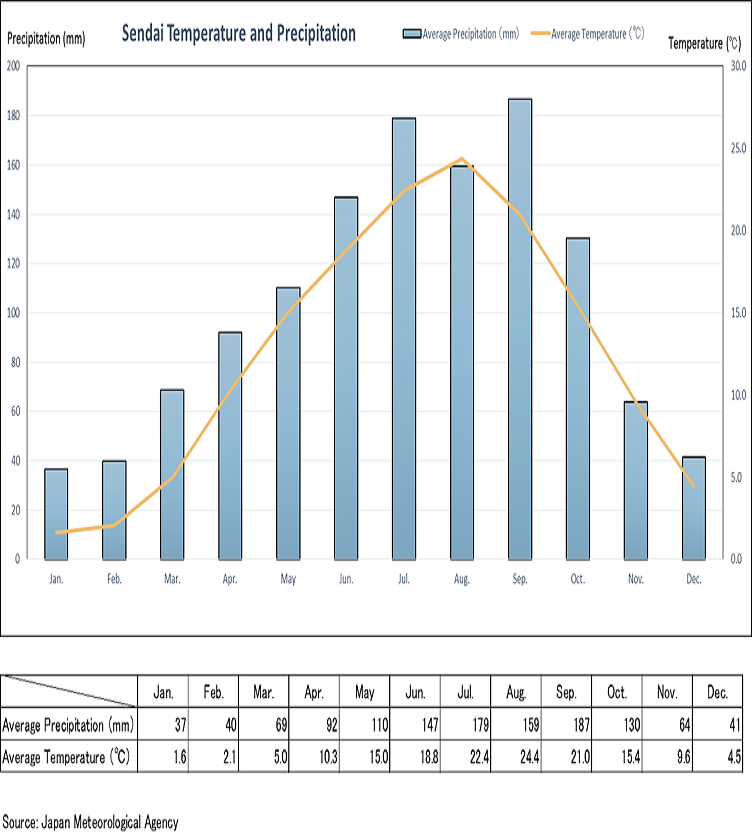
Honshu, the largest and most populous island, showcases a broader spectrum of temperatures. Its northern regions, like Tohoku, experience distinct four seasons with cold, snowy winters and warm summers. As you move south along Honshu, the climate transitions towards a more temperate and humid pattern. Tokyo, the bustling capital, experiences hot, humid summers with average temperatures often reaching 30°C (86°F) and above, accompanied by frequent typhoons. Winters in Tokyo are generally mild, with average temperatures around 5-10°C (41-50°F), and snow is infrequent but not unheard of. The Kansai region, home to Osaka and Kyoto, shares a similar seasonal pattern but tends to be slightly warmer in the summer. The diverse climate of Honshu impacts everything from energy consumption patterns (high demand for air conditioning in summer) to the types of software and apps that gain traction (weather forecasting, event planning, and travel apps are particularly popular).
Shikoku and Kyushu: The Southern Embrace of Warmth
The southern islands of Shikoku and Kyushu enjoy a subtropical climate. Winters are mild, with average temperatures rarely dipping below 5°C (41°F). Summers, however, are long, hot, and humid, often exceeding 30°C (86°F) and frequently experiencing heavy rainfall due to monsoon influences and typhoons. Cities like Fukuoka on Kyushu often have average August temperatures in the high 20s to low 30s Celsius (80s Fahrenheit). This consistently warm and humid climate affects the types of building materials used, the demand for cooling technologies, and the seasonality of tourism. For investors, understanding these regional economic drivers, influenced by climate, can offer valuable insights.
Seasonal Temperature Fluctuations: A Year-Round Cycle
Beyond regional differences, Japan’s temperature is defined by its distinct four seasons, each bringing its own unique climatic signature.
Spring (March-May): A Gentle Transition
Spring in Japan is a celebrated time, marked by the iconic cherry blossoms. Temperatures gradually rise across the country, making it a popular period for tourism. Average temperatures in Tokyo during April, for instance, range from 10-20°C (50-68°F). While generally pleasant, spring can bring unpredictable weather, including late-season cold snaps or sudden increases in humidity. This variability can influence consumer behavior, with a demand for adaptable clothing and technologies that can manage changing conditions.
Summer (June-August): The Peak of Heat and Humidity
Summer in Japan is characterized by high temperatures and oppressive humidity, particularly in the western and southern regions. The rainy season, known as tsuyu, typically occurs in June and July, bringing prolonged periods of rain. Average temperatures in cities like Osaka can regularly exceed 30°C (86°F) during this period. The heat and humidity create a significant demand for air conditioning and related technologies, impacting energy consumption and driving innovation in cooling solutions and personal comfort devices. For brands, summer presents opportunities for seasonal marketing campaigns and product launches focused on beating the heat.
Autumn (September-November): A Welcome Cool Down
Autumn is often considered the most pleasant season in much of Japan. Temperatures begin to fall, and the humidity decreases, creating comfortable conditions for outdoor activities and travel. The vibrant colors of autumn foliage, known as koyo, are a major draw for tourists. Average temperatures in Tokyo during October typically range from 15-25°C (59-77°F). This season is ideal for exploring cities and natural landscapes, influencing the demand for travel-related apps, photography gadgets, and outdoor equipment. For businesses, autumn can be a period of increased sales for products related to recreation and tourism.
Winter (December-February): From Snowfall to Mildness
Winter temperatures in Japan vary dramatically. While Hokkaido experiences harsh, snowy winters with average temperatures well below freezing, the southern regions of Kyushu and Shikoku enjoy relatively mild winters with average temperatures staying above 5°C (41°F). Cities like Tokyo experience cold winters, but snow is less frequent and usually melts quickly. The demand for heating systems and warm clothing is paramount in the colder regions. For tech companies, winter can see an increased interest in smart home devices focused on energy efficiency and comfort, while for brands, it’s a prime time for promoting winter fashion and seasonal goods.
Factors Influencing Japan’s Temperature
Several geographical and atmospheric factors contribute to Japan’s diverse temperature ranges:
- Latitude: As a long, archipelago stretching from subarctic to subtropical latitudes, the primary driver of temperature variation is its north-south extent.
- Ocean Currents: The warm Kuroshio Current flows along Japan’s Pacific coast, moderating temperatures in the south and contributing to higher humidity. The cold Oyashio Current influences the climate of Hokkaido, bringing cooler summers and colder winters.
- Monsoons and Typhoons: Japan experiences seasonal monsoons that bring significant rainfall. In late summer and early autumn, the country is also susceptible to typhoons, which can bring strong winds and heavy precipitation, impacting temperatures and causing disruptions.
- Topography: Japan is a mountainous country, with inland areas experiencing greater temperature extremes than coastal regions. Altitude also plays a role, with higher elevations being significantly colder.
The Impact of Temperature on Technology and Innovation
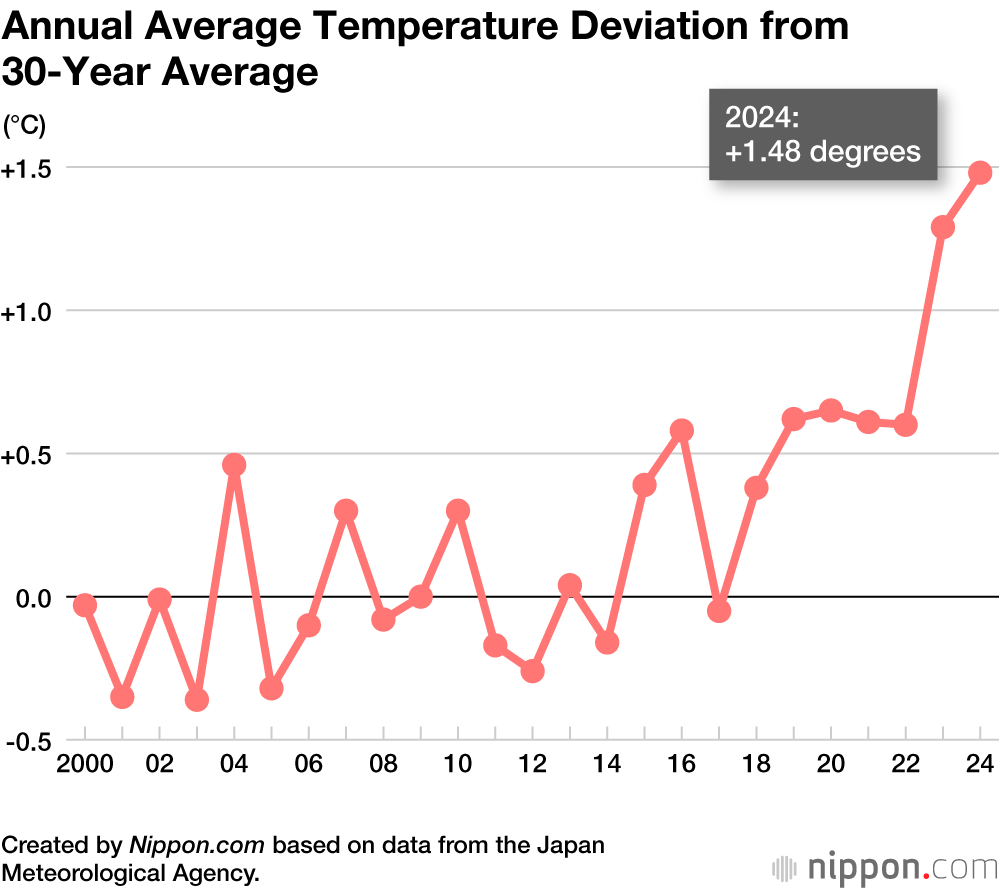
The diverse climatic conditions across Japan directly influence the types of technologies that are developed, adopted, and are most in demand. Understanding these connections is vital for tech enthusiasts, developers, and anyone interested in the future of Japanese innovation.
Climate-Resilient Technologies and Smart Solutions
From the icy expanses of Hokkaido to the humid subtropical south, Japanese engineers and designers are constantly challenged to create solutions that can withstand extreme weather. This has fostered a culture of innovation in areas such as:
- Smart Home and Building Automation: In regions with extreme winters, demand for energy-efficient heating systems and smart thermostats is high. Conversely, in the hot and humid summers, advanced air conditioning units, dehumidifiers, and ventilation systems are essential. This has driven the development of sophisticated building management systems that optimize energy consumption based on real-time weather data. The integration of AI in these systems allows for predictive climate control, further enhancing comfort and efficiency.
- Transportation Technology: Japan’s extensive public transportation network is heavily influenced by climate. Shinkansen (bullet trains) are designed to operate reliably in all weather conditions, and innovations in snow-clearing technology are critical for maintaining services in Hokkaido. In urban areas, the need for efficient and comfortable commuting in both extreme heat and cold drives demand for advanced climate control in vehicles and public spaces. This also spurs the development of navigation apps that account for weather-related travel advisories.
- Personal Comfort and Health Devices: The extreme humidity of Japanese summers creates a market for personal cooling devices, specialized clothing fabrics that wick moisture, and health apps that monitor for heatstroke and other climate-related illnesses. Conversely, in winter, demand for heated clothing, portable heaters, and air purifiers to combat dry indoor air is significant.
- Durable Electronics and Gadgets: For outdoor activities, particularly in regions with harsh winters or frequent rain, the demand for ruggedized smartphones, waterproof cameras, and weather-resistant portable power banks is considerable. This encourages manufacturers to invest in materials and designs that prioritize durability and resilience.
AI and Data-Driven Climate Adaptation
Artificial intelligence is playing an increasingly crucial role in helping Japan adapt to its varied climate.
- Advanced Weather Forecasting: AI algorithms are being used to create more accurate and localized weather forecasts, which are vital for everything from agriculture and disaster preparedness to everyday planning. This data feeds into numerous apps and services, helping individuals and businesses make informed decisions.
- Energy Management: AI-powered systems are optimizing energy grids by predicting demand based on weather patterns, helping to reduce waste and ensure stable power supply, especially during peak demand periods caused by extreme temperatures.
- Disaster Preparedness and Response: With Japan being prone to earthquakes, typhoons, and heavy rainfall, AI is being used to develop predictive models for natural disasters, improve early warning systems, and optimize resource allocation for disaster relief efforts. This includes apps that provide real-time evacuation information and aid coordination.
Branding and Marketing in Japan’s Diverse Climates
The distinct seasonal and regional temperature variations in Japan offer a rich canvas for branding and marketing strategies. Companies that can effectively tailor their messaging and product offerings to these climatic nuances are likely to resonate more deeply with Japanese consumers.
Seasonal Campaigns and Product Launches
- Summer Heat Strategies: Brands often leverage the intense summer heat for promotional campaigns. This can include launching limited-edition cooling beverages, air-conditioned apparel, or travel deals to cooler mountainous regions. Marketing often emphasizes relief from the heat, comfort, and opportunities for summer recreation.
- Winter Warmth and Comfort: Conversely, winter presents opportunities for brands to focus on warmth, coziness, and festive cheer. Think of promotions for hot drinks, winter fashion, home heating solutions, and travel packages to snowy resorts. Marketing messages often highlight comfort, family gatherings, and the magic of the winter season.
- Spring Renewal and Autumn Transition: Spring, with its association with new beginnings and the cherry blossoms, is ideal for launching new products and focusing on freshness and renewal. Autumn, with its beautiful foliage and comfortable temperatures, lends itself to themes of harvest, reflection, and outdoor enjoyment.
Regional Brand Customization
Successful brands understand that a one-size-fits-all approach doesn’t work in Japan.
- Product Adaptation: In Hokkaido, for example, a brand selling outdoor gear would emphasize features like extreme cold protection and waterproofing, while a similar brand in Kyushu might focus more on sun protection and lightweight, breathable fabrics.
- Marketing Messaging: Marketing campaigns can be localized to reflect regional climate preferences and cultural associations. A campaign for a sports drink might focus on hydration and energy replenishment for athletes in the humid south, while in the cooler north, it might highlight performance enhancement in colder conditions.
- Distribution and Logistics: Understanding regional temperature variations is also crucial for supply chain management. Perishable goods need careful temperature control during transport, and the demand for certain products, like ice cream or heating pads, will fluctuate significantly by region and season.
The Role of Digital Branding in a Weather-Aware Society
In a country so attuned to its climate, digital platforms offer powerful tools for brands to engage with consumers in a weather-relevant manner.
- Personalized Content: Through data analytics and AI, brands can deliver personalized content based on a user’s location and the current weather. This could mean an umbrella advertisement appearing on a rainy day in Tokyo or a promotion for a cooling fan during a heatwave in Osaka.
- Weather-Integrated Advertising: Digital advertising platforms allow for dynamic ad creative that changes based on weather conditions. This ensures that advertisements are always relevant and timely, increasing engagement.
- Social Media Engagement: Brands can leverage social media to share weather-related tips, run contests tied to seasonal events, and respond to consumer needs influenced by the climate. User-generated content featuring products used in specific weather conditions can also be highly effective.
Money Matters: Financial Opportunities and Challenges Driven by Climate
Japan’s diverse climate presents both unique financial opportunities and challenges for individuals and businesses alike. Understanding these dynamics can inform investment decisions, career choices, and personal financial planning.
Investment Opportunities in Climate-Specific Industries
- Renewable Energy: Japan’s commitment to reducing carbon emissions and its susceptibility to natural disasters are driving significant investment in renewable energy sources like solar and wind power. Regions with consistent sunshine or strong winds present attractive locations for solar and wind farms, respectively.
- Agriculture and Food Production: The varying climates support diverse agricultural output. Investments in advanced farming techniques, such as vertical farming in urban areas or climate-controlled greenhouses, can help mitigate the risks of extreme weather and ensure a stable food supply. The demand for specific regional produce also creates niche investment opportunities.
- Tourism and Hospitality: The distinct appeal of Japan’s four seasons fuels a robust tourism industry. Investors can find opportunities in developing accommodation, attractions, and services that cater to seasonal travel trends, from winter ski resorts to summer beach destinations and autumn foliage tours.
- Construction and Infrastructure: The need to build resilient infrastructure that can withstand earthquakes, typhoons, and extreme temperatures creates ongoing opportunities in the construction sector. Companies specializing in climate-resilient building materials and disaster-proof designs are particularly well-positioned.
Personal Finance in a Climate-Conscious Society
- Energy Costs: Heating and cooling costs can be a significant part of household budgets in Japan, especially in regions with extreme temperatures. Understanding energy efficiency, investing in energy-saving appliances, and utilizing smart home technology can lead to substantial savings.
- Insurance and Disaster Preparedness: Given the country’s vulnerability to natural disasters, comprehensive insurance coverage is essential. Individuals and businesses need to factor in the cost of insurance premiums and invest in preparedness measures, which can include emergency supplies and reinforced home structures.
- Seasonal Employment and Income: The tourism and agricultural sectors, heavily influenced by climate, offer seasonal employment opportunities. Understanding these cycles can help individuals plan their finances and income streams effectively. Side hustles focused on seasonal demands, such as offering snow removal services in winter or gardening assistance in spring, can also be lucrative.
Business Finance and Climate Risk Management
- Supply Chain Resilience: Businesses must assess and manage the risks posed by climate-related disruptions to their supply chains. This might involve diversifying suppliers, holding buffer stock, or investing in more resilient logistics solutions.
- Operational Costs: Extreme temperatures can impact operational efficiency and costs, particularly for businesses reliant on outdoor activities or with significant energy consumption for climate control. Strategic planning to mitigate these impacts is crucial.
- Market Demand Fluctuations: Businesses need to be agile in responding to shifts in consumer demand driven by seasonal weather patterns. This requires effective inventory management, flexible marketing strategies, and a deep understanding of regional consumer behavior.
In conclusion, while a simple answer to “what is the average temperature in Japan” remains elusive, the complexity is precisely what makes Japan such a fascinating and dynamic country. From the technological innovations spurred by its diverse climate to the strategic branding opportunities and the financial considerations it presents, understanding Japan’s temperature is a gateway to appreciating its unique character and its place in the global landscape. For anyone looking to engage with Japan, whether as a traveler, a business, an investor, or a tech enthusiast, this nuanced understanding of its climate is not just informative – it’s essential.
aViewFromTheCave is a participant in the Amazon Services LLC Associates Program, an affiliate advertising program designed to provide a means for sites to earn advertising fees by advertising and linking to Amazon.com. Amazon, the Amazon logo, AmazonSupply, and the AmazonSupply logo are trademarks of Amazon.com, Inc. or its affiliates. As an Amazon Associate we earn affiliate commissions from qualifying purchases.