
Sound. It’s the laughter of a child, the roar of a stadium, the gentle whisper of the wind, and the complex symphony of a city. We experience it constantly, yet have you ever stopped to truly consider what sound is? Beyond just what our ears perceive, sound is a fascinating phenomenon rooted in physics, with implications that ripple through technology, influence brands, and even impact our financial decisions. This exploration will delve into the fundamental nature of sound, breaking down its core components and then connecting these principles to the dynamic worlds of tech, branding, and finance.
The Physics of Vibrations: The True Essence of Sound
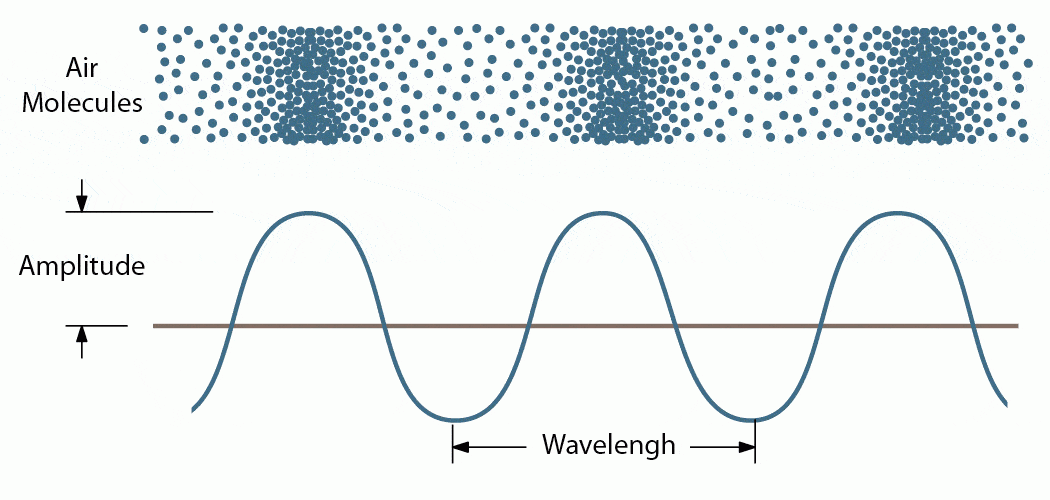
At its most basic, sound is not a tangible “thing” but rather a mechanical wave. Imagine dropping a pebble into a still pond. Ripples spread outward from the point of impact, disturbing the water molecules. Sound operates on a similar principle, but instead of water, it’s the vibrations of particles in a medium – typically air – that propagate.
Understanding Sound Waves: Amplitude, Frequency, and Wavelength
To grasp what sound is made of, we need to understand its fundamental characteristics, which are best described by the properties of its waves:
Amplitude: The Intensity of the Vibration
Amplitude refers to the maximum displacement or distance moved by a point on a vibrating body or wave measured from its equilibrium position. In simpler terms, it’s the intensity or strength of the vibration.
- Loudness: The amplitude of a sound wave directly corresponds to its loudness. A larger amplitude means more energy is transferred through the medium, resulting in a louder sound. Think of a gentle hum versus a booming explosion – the explosion has a much higher amplitude. This energy is measured in decibels (dB).
- Energy Transfer: A sound wave with higher amplitude carries more kinetic energy. This energy is responsible for the physical effects we associate with sound, such as making surfaces vibrate or even causing damage at extreme levels (like sonic booms).
Frequency: The Rate of Vibration
Frequency describes the number of complete cycles of vibration that occur in one second. It’s measured in Hertz (Hz).
- Pitch: Frequency determines the pitch of a sound. Higher frequencies produce higher-pitched sounds (like a whistle or a soprano singer), while lower frequencies produce lower-pitched sounds (like a bass drum or a deep voice).
- Human Hearing Range: Our ears are sensitive to a specific range of frequencies, generally between 20 Hz and 20,000 Hz. Sounds outside this range are either too low (infrasound) or too high (ultrasound) for us to perceive.
- Sonic Booms and Ultrasound: While we can’t hear them, infrasound can have physiological effects, and ultrasound has become invaluable in fields like medical imaging and sonar.
Wavelength: The Spatial Extent of a Cycle
Wavelength is the spatial period of the wave – the distance over which the wave’s shape repeats. It’s the distance between two successive crests or troughs of a wave.
- Relationship with Frequency and Speed: Wavelength is inversely proportional to frequency. For a constant speed of sound, a higher frequency wave will have a shorter wavelength, and vice versa. The speed of sound itself depends on the medium through which it travels. For example, sound travels faster in water than in air because water is denser.
The Medium: The Essential Carrier
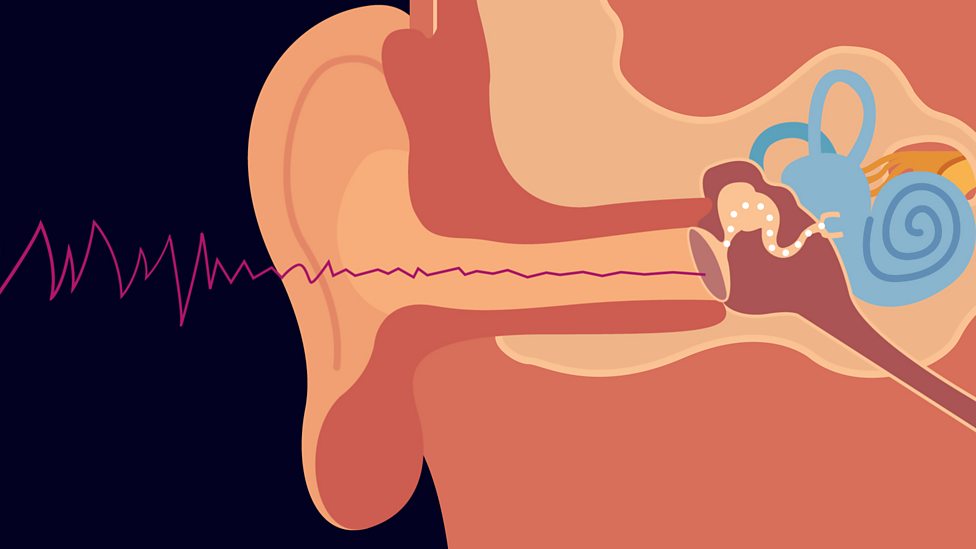
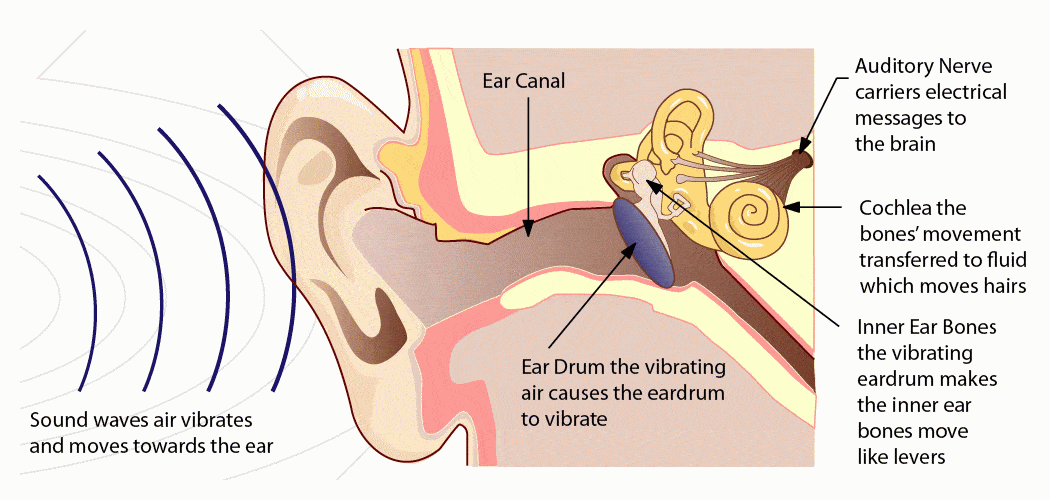
Crucially, sound cannot exist in a vacuum. It requires a medium through which to travel. This medium is composed of particles (atoms or molecules) that are disturbed by the vibrating source. These particles collide with their neighbors, transferring the vibrational energy and causing them to vibrate in turn. This chain reaction is what allows sound to propagate from the source to our ears.
- Solids, Liquids, and Gases: Sound can travel through all three states of matter. However, the speed and efficiency of sound transmission vary. Sound travels fastest in solids, followed by liquids, and then gases. This is due to the closer proximity and stronger intermolecular forces in denser media.
- The Role of Air: In our everyday experience, air is the primary medium for sound. The vibrations of a sound source, like a speaker cone or vocal cords, cause the surrounding air molecules to compress and expand, creating areas of high and low pressure that travel as the sound wave.
The Technological Symphony: How We Manipulate and Utilize Sound
The fundamental principles of sound have paved the way for incredible technological advancements. From how we capture and reproduce audio to how we communicate and even how we “see” with sound, technology has woven sound into the fabric of modern life.
From Analog to Digital: Capturing and Storing Sound
Early sound recording technologies were analog, relying on physical representations of sound waves. Vinyl records, for instance, have grooves etched into them that directly mirror the vibrations of the original sound.
- Microphones: These devices convert sound waves into electrical signals. Different types of microphones utilize various principles, such as diaphragms that vibrate in response to sound pressure, or electromagnetic induction.
- Amplification: The electrical signals from microphones are often very weak and need to be amplified to drive speakers or be recorded effectively. Amplifiers increase the amplitude of these electrical signals.
- The Digital Revolution: The advent of digital audio transformed how we interact with sound. Instead of continuous analog waves, digital audio represents sound as a series of discrete numerical values.
- Sampling: Analog audio is “sampled” at regular intervals, capturing its amplitude at those specific moments.
- Quantization: The sampled amplitude values are then quantized, meaning they are rounded to the nearest discrete digital value.
- Bit Depth and Sample Rate: These two factors determine the fidelity of digital audio. A higher bit depth allows for a greater dynamic range (difference between the loudest and quietest sounds), while a higher sample rate captures more details of the sound wave, especially at higher frequencies.
- Compression (Lossy vs. Lossless): Technologies like MP3 (lossy) reduce file sizes by discarding some audio information that is less perceptible to the human ear, while lossless formats like FLAC preserve all original audio data.
The Power of AI in Sound: Enhancing and Creating
Artificial Intelligence is increasingly playing a pivotal role in the world of sound, offering unprecedented capabilities in both analysis and creation.
- Speech Recognition and Synthesis: AI powers systems that can understand spoken language (speech recognition) and generate human-like speech (speech synthesis). This is the backbone of voice assistants like Siri and Alexa, as well as dictation software.
- Audio Enhancement and Restoration: AI algorithms can effectively reduce background noise, remove unwanted artifacts, and even restore degraded audio recordings, breathing new life into old or compromised audio files.
- Music Generation and Sound Design: AI models are now capable of composing original music in various styles and creating unique sound effects for films, games, and other media. This opens up new avenues for creative expression and efficiency in content production.
- Audio Analytics: AI can analyze audio data for specific patterns, such as identifying particular instruments, detecting anomalies in machinery sounds for predictive maintenance, or even analyzing emotional cues in human speech.
Gadgets and Apps: Bringing Sound to Our Fingertips
From sophisticated studio equipment to everyday consumer devices, technology ensures that sound is always within reach.
- Smartphones and Portable Audio Devices: These devices have become our primary audio companions, capable of playing music, podcasts, taking calls, and even recording audio with surprisingly good quality.
- Headphones and Speakers: From noise-canceling headphones that immerse us in our audio to powerful Bluetooth speakers that fill a room with sound, these gadgets are essential for experiencing audio in various environments.
- Digital Audio Workstations (DAWs): Software applications like Ableton Live, Logic Pro, and Pro Tools allow musicians and sound engineers to record, edit, mix, and master audio with professional-grade precision.
- Virtual Instruments and Effects: A vast array of software synthesizers, samplers, and audio effects plugins allow for endless sonic manipulation and creation, often replicating the sounds of expensive hardware.
Branding Through Sound: The Emotional Resonance of Audio Identity
While we often associate branding with visual elements like logos and colors, sound is a powerful, often subconscious, branding tool. The auditory identity of a brand can evoke strong emotions, create recognition, and differentiate it from competitors.
The Sonic Logo and Brand Jingles: Instant Recognition
A sonic logo (or audio logo) is a short, distinctive musical phrase or sound that is immediately associated with a particular brand. Think of the iconic “Netflix ta-dum” or the Intel jingle.
- Memorability and Recall: Effective sonic logos are catchy, memorable, and unique. They can trigger instant brand recall, even when the visual elements are absent.
- Emotional Connection: Music and sound have a profound ability to evoke emotions. A well-crafted sonic logo can convey a brand’s personality – be it playful, sophisticated, trustworthy, or exciting.
- Consistency Across Touchpoints: A sonic logo can be used across various platforms, from television commercials and radio ads to app startup sounds and website intros, creating a cohesive and consistent brand experience.
Voice and Tone: The Human Element of Branding
The voice used in a brand’s audio communications is as crucial as its visual identity.
- Brand Voice: Is the voice deep and authoritative, or light and friendly? This choice significantly impacts how the brand is perceived. A financial institution might opt for a calm, reassuring voice, while a children’s toy brand might choose an energetic and cheerful one.
- Narrative and Storytelling: Sound can be a powerful medium for storytelling. Brands can use audio narratives to connect with their audience on a deeper level, sharing their values, history, and impact.
- Customer Service Audio: The hold music, automated phone system voices, and notification sounds within a company’s customer service can all contribute to the overall brand perception. A frustrating or unprofessional audio experience can damage brand reputation.
Case Studies in Sonic Branding: From McDonald’s to Spotify
Many successful brands have leveraged sound to their advantage:
- McDonald’s: Their iconic jingle and distinctive “I’m Lovin’ It” campaign have become globally recognized, instantly associating positive feelings with their brand.
- Spotify: Their unique startup sound and the personalized “Wrapped” campaign, which uses audio to showcase user listening habits, have fostered a strong sense of community and brand loyalty.
- Apple: While known for their minimalist visual design, Apple’s notification sounds and device startup chimes are instantly recognizable and contribute to their premium brand image.
Sound and Money: The Unseen Influence on Financial Decisions and Opportunities
The principles of sound, and our perception of it, have subtle yet significant influences on financial matters, from how we invest and spend to the creation of entirely new income streams.
The Psychology of Sound in Marketing and Sales
The way sound is used in marketing can directly influence consumer behavior and purchasing decisions.
- Atmosphere and Ambiance: Retail environments often use carefully curated background music to influence shopper mood, encourage longer stays, and even affect spending. Upbeat music might encourage faster browsing, while more relaxed tunes could promote a leisurely shopping experience.
- Product Demonstrations: In commercials and online videos, the clarity and quality of sound are paramount. A poorly recorded product demonstration can convey a lack of professionalism and undermine the perceived value of the product.
- Urgency and Scarcity: Certain sound effects or jingles can be used to create a sense of urgency, encouraging immediate action, such as limited-time offers or flash sales.
The Economics of the Audio Industry: New Income Streams
The growing demand for audio content has created a vibrant economic landscape with numerous opportunities for income generation.
- Podcasting: The podcasting industry has exploded, allowing individuals to create their own audio shows on virtually any topic. This has opened up avenues for advertising revenue, sponsorships, premium content subscriptions, and even direct fan support.
- Audiobooks: The audiobook market continues to grow, offering opportunities for narrators, editors, and producers to earn income by bringing written works to life through spoken word.
- Music Production and Licensing: Musicians and composers can earn royalties from the use of their music in films, television shows, advertisements, and online content.
- Sound Design and Voiceover Work: Demand for professional sound designers and voiceover artists is high across various industries, from video games and animation to corporate training videos and virtual assistants.
- App Development for Audio: Creating apps that offer unique audio experiences, such as meditation guides, language learning tools with advanced audio features, or interactive audio dramas, can be a lucrative venture.
Investing in Audio Technology and Content
The increasing importance of sound also presents investment opportunities.
- Audio Technology Companies: Investing in companies that develop cutting-edge audio hardware (microphones, speakers, headphones) or software (audio editing tools, AI-powered audio solutions) can be a strategic move.
- Content Platforms: Investing in platforms that are leading the charge in audio content distribution, such as podcasting networks or audiobook streaming services, can offer significant growth potential.
- AI in Audio Startups: As AI’s role in audio creation and analysis expands, startups focused on these areas are likely to attract significant attention and investment.
In conclusion, sound is a fundamental aspect of our universe, driven by the simple yet powerful force of vibration. From its scientific underpinnings to its pervasive influence on technology, branding, and finance, understanding what sound is made of allows us to appreciate its complexity and harness its potential. Whether we’re marveling at the latest AI-powered audio innovations, recognizing a brand by its unique sonic signature, or exploring new avenues for income through the booming audio economy, the vibrations that shape our world continue to resonate in profound and ever-evolving ways.
aViewFromTheCave is a participant in the Amazon Services LLC Associates Program, an affiliate advertising program designed to provide a means for sites to earn advertising fees by advertising and linking to Amazon.com. Amazon, the Amazon logo, AmazonSupply, and the AmazonSupply logo are trademarks of Amazon.com, Inc. or its affiliates. As an Amazon Associate we earn affiliate commissions from qualifying purchases.