
In the intricate dance of event planning, from intimate birthday gatherings to grand corporate galas, one acronym consistently appears, often on the cusp of an invitation: RSVP. While seemingly a simple addition, understanding “What is an RSVP invitation?” is fundamental to orchestrating a successful and smoothly run event. This seemingly small request carries significant weight, impacting everything from catering numbers and seating arrangements to budget management and overall guest experience.
At its core, RSVP is an abbreviation derived from the French phrase “Répondez s’il vous plaît,” which directly translates to “Please respond.” When you see “RSVP” on an invitation, it’s a polite and direct request from the host for you to confirm your attendance or, if necessary, decline it. It’s not merely a suggestion; it’s a crucial piece of information the host needs to finalize their plans.

The concept of RSVP is deeply rooted in the need for efficient organization. Imagine a wedding with 200 guests. Without knowing who is attending, how can the couple accurately order food, secure a venue large enough, or plan seating charts? The same principle applies to a business conference needing to book breakout rooms or a company picnic requiring a headcount for food and activities. In essence, an RSVP invitation transforms a speculative guest list into a concrete one, allowing hosts to move forward with confidence.
The Technological Evolution of the RSVP: From Mail to Digital
The way we handle RSVP invitations has undergone a significant transformation, mirroring the broader advancements in technology and communication. While the traditional method of sending a stamped, pre-addressed reply card tucked within the invitation envelope still exists, it’s increasingly being supplemented, and in many cases, replaced by digital solutions. This evolution has not only streamlined the process but also offered new functionalities and efficiencies for both hosts and guests.
The Traditional RSVP: A Tangible Connection
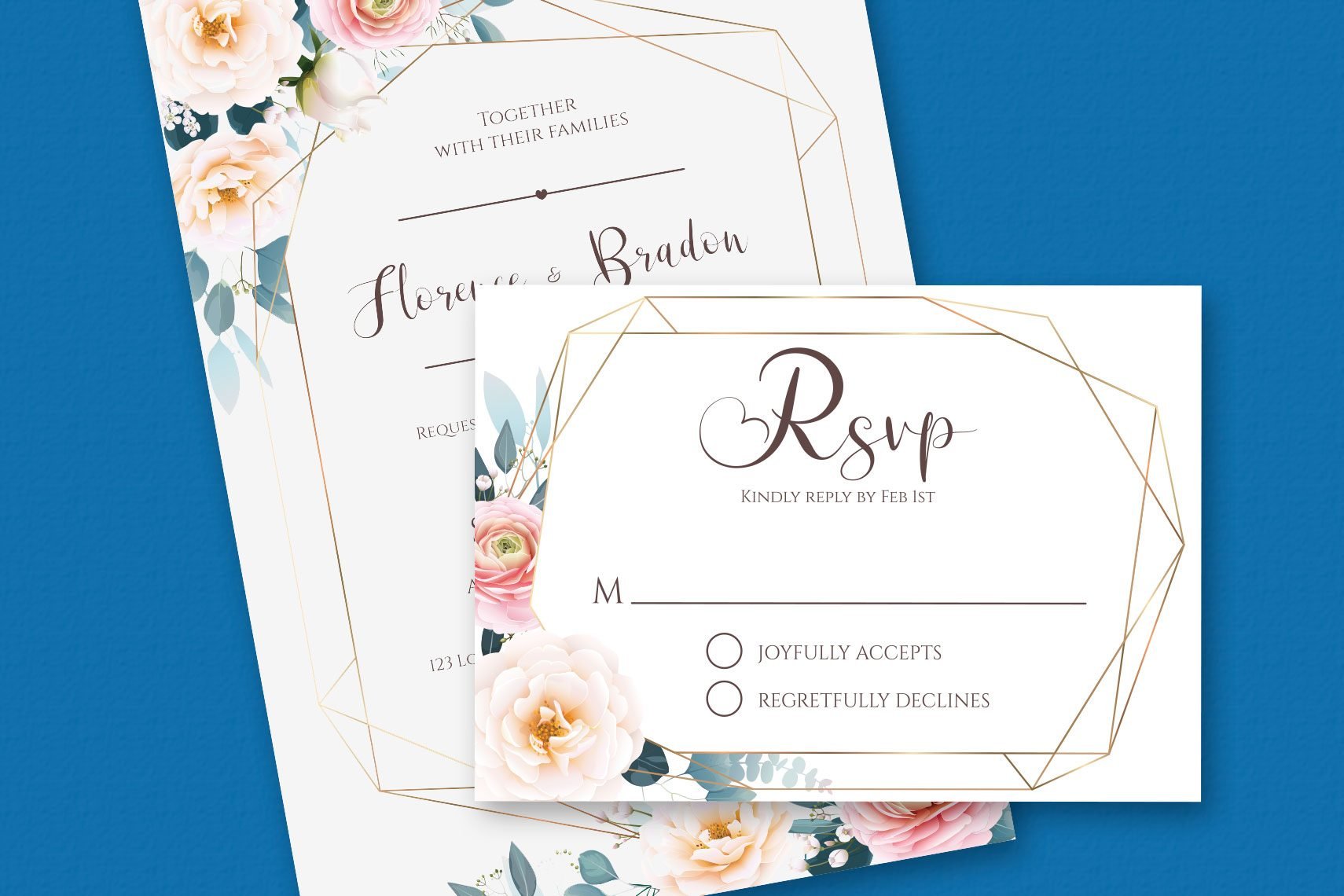
For a long time, the physical RSVP card was the standard. Guests would mark “Accepts” or “Declines,” often adding a meal choice or the names of additional guests, and mail it back to the host. This method, while charming and offering a tangible connection to the event, had its inherent limitations.
- Time Delays: The postal service, while reliable, introduces a significant time lag. Hosts often had to wait for days, or even weeks, for all the replies to trickle in, creating uncertainty and delaying crucial planning stages.
- Lost Mail: There was always the risk of RSVP cards getting lost in the mail, leading to potential inaccuracies in guest counts.
- Manual Tallying: Hosts would manually count and tally each returned card, a process that could be tedious and prone to human error, especially for larger events.
- Limited Information: Traditional RSVP cards typically offered limited space for additional information. If a guest had dietary restrictions or needed to bring a plus-one, they might have to write a separate note, which could be overlooked.
Despite these drawbacks, the traditional RSVP card often lent an air of formality and elegance to an invitation, particularly for significant life events like weddings, anniversaries, and milestone birthdays. It provided a physical keepsake of the initial invitation and a clear instruction for response.
The Digital Shift: Embracing Online RSVP Systems
The advent of the internet and the proliferation of digital communication tools have revolutionized the RSVP process. Online RSVP systems have become the dominant method for many events, offering unparalleled convenience, speed, and a wealth of features.
- Online Event Platforms and Websites: Dedicated event management platforms (like Eventbrite, Cvent, or even custom-built websites for weddings and corporate events) allow hosts to create event pages with all the necessary details. Guests can then RSVP directly through a link provided on the invitation or email.
- Email-Based RSVPs: A simpler digital approach involves providing an email address for guests to respond to. While less feature-rich than dedicated platforms, it’s still faster and more direct than postal mail.
- Social Media Event Pages: For less formal events, creating an event on platforms like Facebook allows guests to easily indicate their attendance. While this might not be suitable for formal invitations, it’s a quick and easy way to gauge interest.
- Mobile-Friendly Designs: Crucially, modern online RSVP systems are designed to be mobile-friendly, allowing guests to respond from their smartphones with ease.
The advantages of digital RSVPs are numerous:
- Instantaneous Responses: Hosts receive responses in real-time, eliminating waiting periods and allowing for immediate adjustments to planning.
- Automated Tracking and Reporting: Most online systems automatically track responses, providing hosts with live guest counts and detailed reports. This significantly reduces the manual effort involved in tallying.
- Enhanced Information Gathering: Online forms can be customized to collect detailed information from guests, such as meal preferences, dietary restrictions, accommodation needs, the number of attendees, and even requests for specific information about the event.
- Reduced Errors: Automation minimizes the risk of human error in data entry and counting.
- Cost-Effectiveness: Digital RSVPs eliminate the costs associated with printing, postage, and the return of physical cards.
- Environmental Friendliness: Reducing paper usage contributes to a more sustainable event planning process.
The technological evolution of the RSVP has undoubtedly made event planning more efficient and less stressful. It has empowered hosts with better data and streamlined communication, ultimately leading to better-executed events.

The Strategic Value of RSVP in Brand and Money Management
Beyond the immediate logistical benefits, understanding and effectively managing the RSVP process holds significant strategic value, particularly within the realms of Brand and Money management. For businesses and organizations, the RSVP is not just about headcount; it’s a data point that influences brand perception and directly impacts financial outcomes.
Brand Perception and Reputation Management
How an event is perceived by its attendees is a direct reflection of the brand hosting it. The RSVP process plays a crucial role in shaping this perception.
- Professionalism and Organization: A well-managed RSVP system, whether digital or meticulously handled physical replies, signals professionalism and attention to detail. A host who clearly communicates RSVP instructions and follows up appropriately conveys that they value their guests’ time and input. Conversely, a disorganized RSVP process can create a negative first impression, suggesting a lack of preparedness that might extend to the event itself.
- Guest Experience from the Outset: The RSVP is often the very first interaction a potential guest has with the event communication. A clear, easy-to-understand RSVP mechanism, with timely reminders and confirmation, sets a positive tone. For corporate events, this initial positive experience can contribute to stronger client relationships and a more favorable brand image.
- Personalized Communication: Advanced RSVP systems allow for personalized follow-up messages. Acknowledging a dietary restriction in advance or sending a confirmation email that reiterates key event details can significantly enhance the guest’s feeling of being valued and understood. This level of care contributes to a positive brand association.
- Data for Future Branding: The attendee data collected through RSVPs can be invaluable for future marketing and branding efforts. Understanding who is attending, their interests (if collected), and their feedback can inform the development of future events and marketing campaigns. This data-driven approach strengthens brand relevance and engagement.
- Reputation for Reliability: For recurring events or those with a significant public profile, the ability to accurately predict attendance based on RSVPs contributes to the brand’s reputation for reliability and efficiency. Guests trust that the event will be well-catered and organized.
Financial Implications and Cost Control
The direct link between RSVP management and financial outcomes is undeniable. Every unchecked box or unreturned card translates into potential financial consequences.
- Accurate Budgeting and Forecasting: The primary financial benefit of a solid RSVP process lies in its ability to inform accurate budgeting. Catering is often the largest single expense for events. Knowing the exact number of attendees allows hosts to order precisely, avoiding overspending on uneaten food or the embarrassment and cost of running out. Similarly, venue capacity, seating arrangements, and staffing needs are all directly tied to the confirmed guest count.
- Minimizing Waste: From food and beverages to printed materials like programs or name tags, an accurate RSVP count helps minimize waste. This not only saves money but also aligns with growing corporate social responsibility (CSR) initiatives and a commitment to sustainability.
- Optimizing Resource Allocation: Knowing how many people are attending allows for the optimal allocation of resources. This can include efficiently staffing registration desks, ensuring enough volunteers are present, or allocating the right number of breakout rooms for conferences. Wasted resources are wasted money.
- Negotiating with Vendors: When presenting vendors (caterers, venues, AV providers) with a firm guest count, hosts are in a stronger position to negotiate prices. Vendors can offer more competitive rates when they have a clear understanding of the scale of the event.
- Measuring ROI for Corporate Events: For business events, the RSVP data is crucial for calculating the return on investment (ROI). By understanding who attended, the associated costs, and the objectives of the event, businesses can effectively measure its success and justify future expenditure.
- Opportunity Cost of Over/Underestimation: Overestimating attendance leads to unnecessary expenditure on food, venue space, and staff. Underestimating can lead to missed opportunities for revenue (if ticketed) or a poor guest experience due to lack of capacity or resources, which can negatively impact brand perception and future attendance.
In conclusion, the seemingly simple request to “RSVP” is a powerful tool that, when leveraged strategically, can significantly enhance brand perception and drive financial efficiency. It underscores the importance of meticulous planning and accurate data in achieving event success.
The Etiquette of Responding: Navigating the RSVP Process as a Guest
While hosts rely on RSVPs for their planning, the act of responding is an essential aspect of event etiquette for guests. Understanding how and when to reply ensures a smooth experience for everyone involved and demonstrates consideration for the host’s efforts.
The Golden Rules of RSVPing
- Respond Promptly: The RSVP deadline is not a suggestion; it’s a critical timeline. Respond as soon as you know your availability, ideally well before the stated deadline. This allows hosts ample time for their arrangements. If you are unsure, it’s better to politely decline within the timeframe than to delay indefinitely.
- Follow Instructions Carefully: Pay close attention to how the host requests a response. Is it an online link, an email address, a phone number, or a physical card? Use the specified method to make it easier for the host to track responses.
- Be Specific: If the invitation asks for meal preferences, additional guests, or any other specific information, provide it clearly and accurately. This prevents follow-up questions and potential confusion.
- RSVP Even If You Cannot Attend: A “no” is just as important as a “yes.” Hosts need to know who is not attending to finalize their counts. Failing to respond leaves them guessing and can lead to unnecessary costs and logistical challenges.
- Confirm the Number of Guests: If the invitation is for you and a plus-one or your family, ensure your RSVP clearly states the total number of people attending. Do not assume the host knows who your guest(s) will be.
- Don’t Change Your Mind Unless Absolutely Necessary: Once you’ve RSVPed, try to stick to your decision. Significant changes close to the event date can be disruptive for the host. If an unavoidable circumstance arises that forces a change, inform the host as soon as possible and be prepared for potential inconvenience.
- RSVP for Each Event Separately: If you receive multiple invitations (e.g., a wedding and a rehearsal dinner), remember to RSVP for each one individually.
What to Do When You Can’t Respond by the Deadline
Life happens, and sometimes circumstances prevent a timely response. If you find yourself in this situation:
- Contact the Host Immediately: As soon as you realize you’ve missed the deadline or can’t make a decision by then, reach out to the host directly.
- Be Honest and Apologetic: Explain your situation briefly and apologize for the delay.
- Provide Your Best Estimate: If you can’t give a definitive answer, offer your best guess about your attendance. The host might be able to accommodate a slightly later confirmation, especially if they have a grace period.
- Be Prepared for a “No”: If the deadline has passed and arrangements have been finalized, the host may no longer be able to accommodate you. Be gracious if this is the case.
By adhering to these simple RSVP etiquette guidelines, guests contribute to the overall success of an event, showing respect for the host and making the planning process significantly smoother for everyone involved.
aViewFromTheCave is a participant in the Amazon Services LLC Associates Program, an affiliate advertising program designed to provide a means for sites to earn advertising fees by advertising and linking to Amazon.com. Amazon, the Amazon logo, AmazonSupply, and the AmazonSupply logo are trademarks of Amazon.com, Inc. or its affiliates. As an Amazon Associate we earn affiliate commissions from qualifying purchases.