
The human body, a marvel of biological engineering, operates on intricate systems that allow us to live, breathe, and thrive. Among these essential functions, respiration plays a critical role, and at the heart of this process lies our vital capacity. You might have heard the term “vital capacity” in a medical context, perhaps during a routine check-up or a discussion about lung health. But what exactly is normal vital capacity, why does it matter, and how does it relate to our increasingly tech-driven lives? This article will delve into the intricacies of vital capacity, exploring its definition, the factors that influence it, and its significance for overall well-being, all viewed through the lens of technology, brand perception, and financial health.
Understanding the Mechanics of Breathing: Vital Capacity Explained
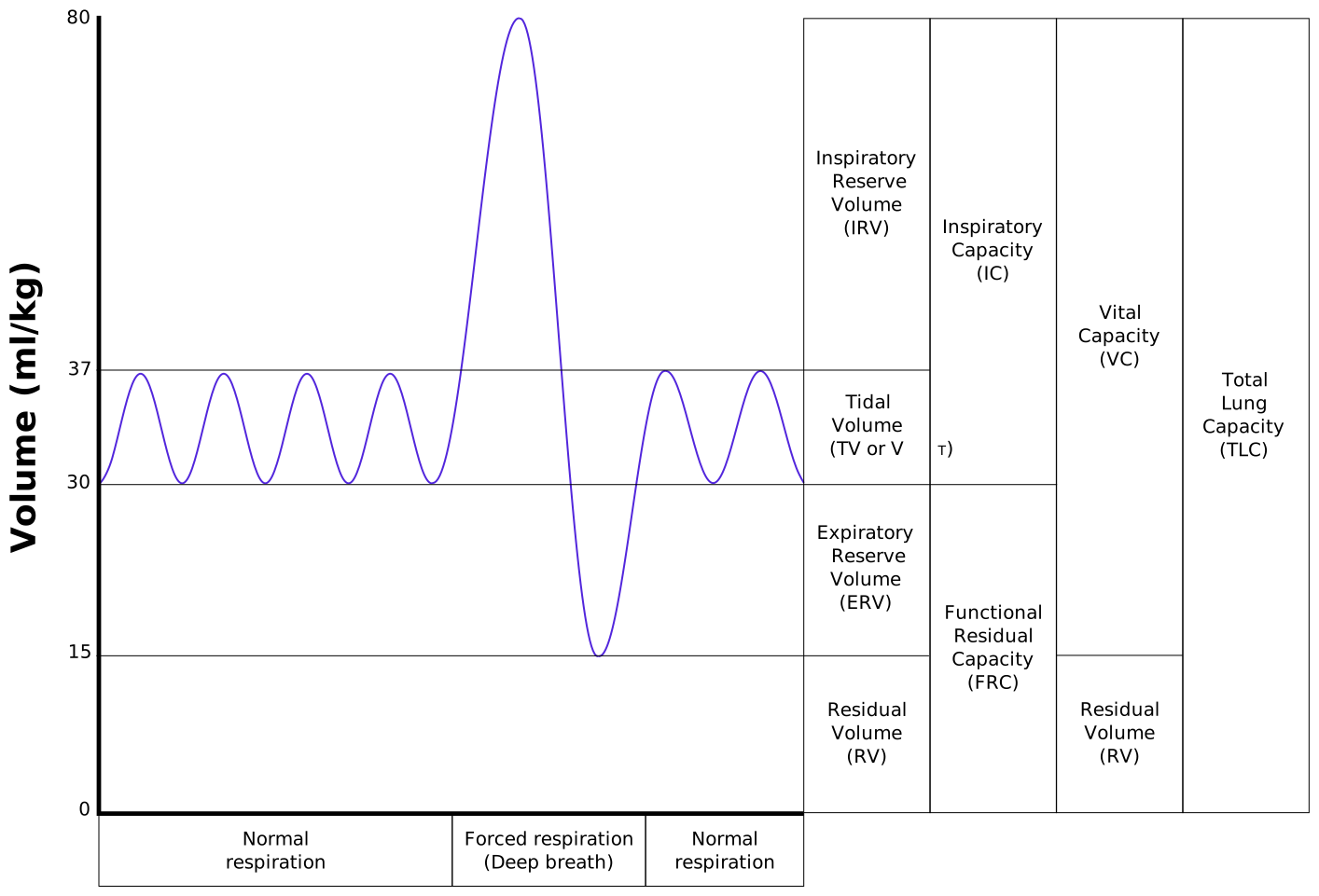
Vital capacity (VC) is a fundamental measurement in pulmonary function testing. It represents the maximum amount of air a person can exhale after taking the deepest possible inhalation. Think of it as the total volume of air your lungs can hold and expel in one forceful breath. This measurement is crucial for assessing the overall health and efficiency of your respiratory system.
The Components of Vital Capacity
To understand vital capacity, it’s helpful to break down the different lung volumes and capacities involved:
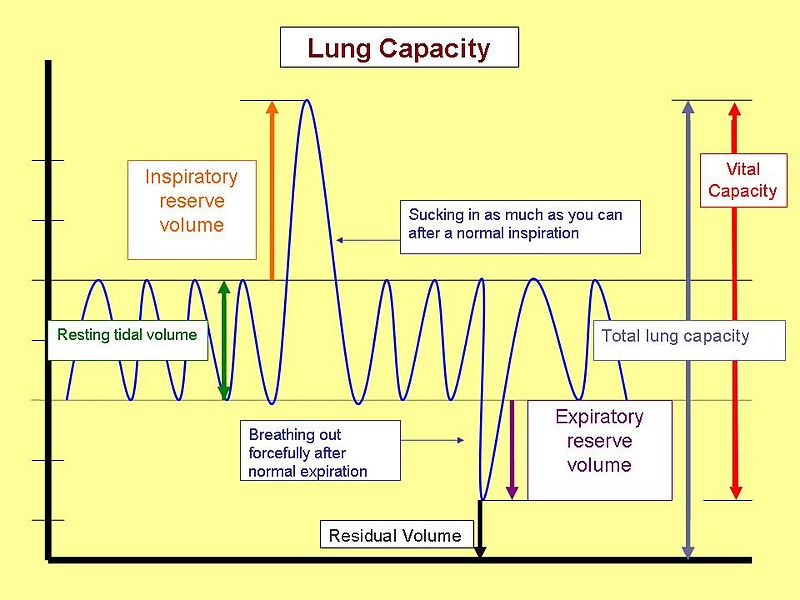
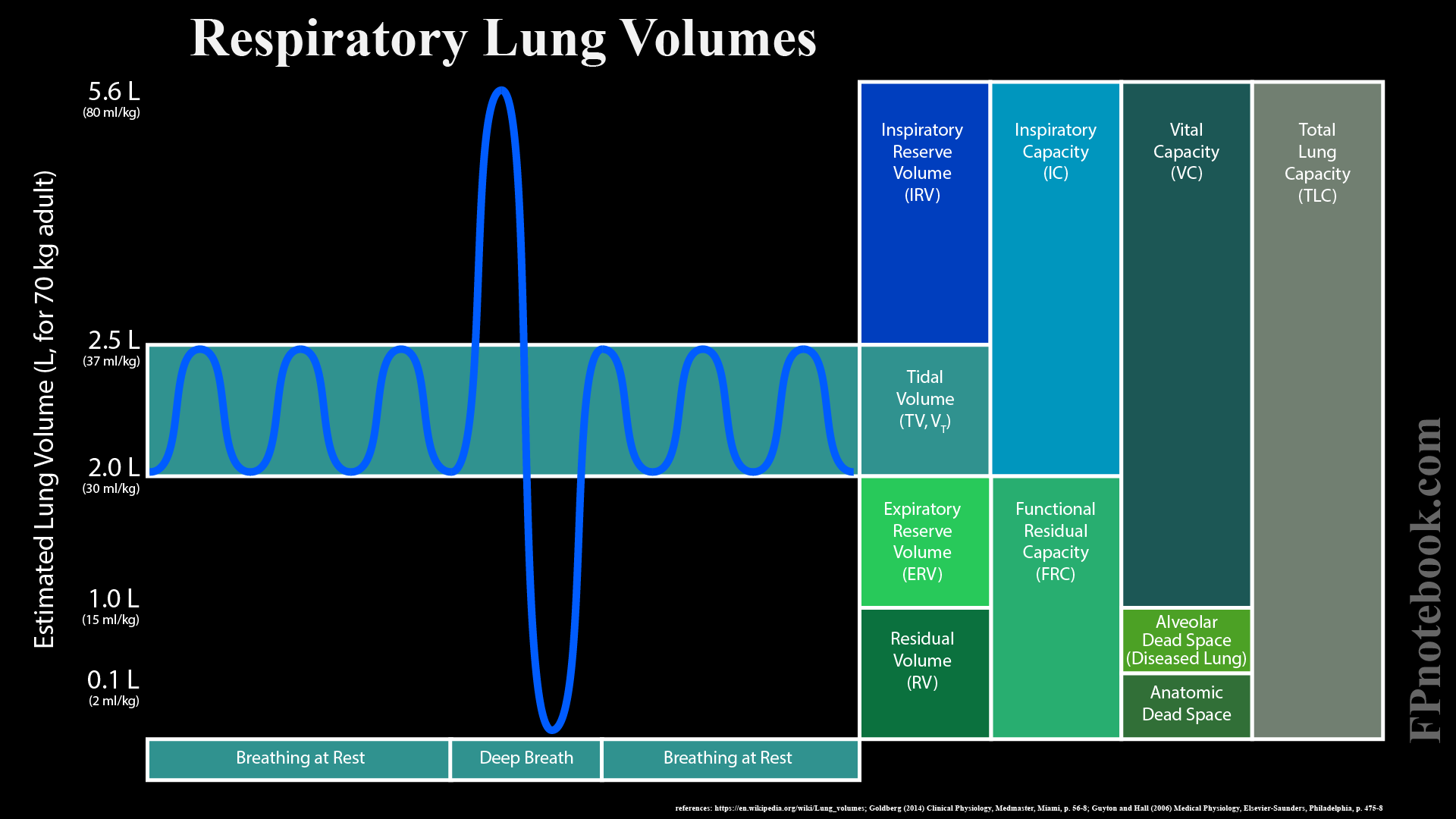
- Tidal Volume (TV): This is the amount of air you inhale and exhale during normal, relaxed breathing. It’s the air you use for everyday activities without conscious effort.
- Inspiratory Reserve Volume (IRV): This is the additional amount of air you can inhale beyond a normal tidal inhalation. It’s the extra capacity your lungs have for taking in air when needed, such as during exercise.
- Expiratory Reserve Volume (ERV): This is the additional amount of air you can forcibly exhale after a normal tidal exhalation. It’s the reserve air you can push out beyond your resting breath.
Vital Capacity (VC) = Tidal Volume (TV) + Inspiratory Reserve Volume (IRV) + Expiratory Reserve Volume (ERV)
Essentially, vital capacity encompasses all the air you can voluntarily move in and out of your lungs. It’s a dynamic measure, reflecting how effectively your lungs can oxygenate your blood and remove carbon dioxide.
Why is Vital Capacity Important?
Your vital capacity is a key indicator of lung health. A reduced vital capacity can signal underlying respiratory conditions such as:
- Asthma: Inflammation and narrowing of the airways.
- Chronic Obstructive Pulmonary Disease (COPD): A group of progressive lung diseases, including emphysema and chronic bronchitis.
- Pneumonia: Infection that inflames air sacs in one or both lungs.
- Pulmonary Fibrosis: Scarring of the lung tissue.
- Neuromuscular Disorders: Conditions affecting the muscles used for breathing, like muscular dystrophy or ALS.
A healthy vital capacity ensures that your body receives an adequate supply of oxygen to fuel its functions and efficiently eliminates waste products. It impacts your ability to perform physical activities, your energy levels, and your overall quality of life.
What Constitutes “Normal” Vital Capacity? Factors Influencing the Measurement
The concept of a “normal” vital capacity isn’t a single, universal number. It varies significantly from person to person and is influenced by a multitude of factors. Understanding these influences is key to interpreting your own vital capacity readings.
Age and Vital Capacity
As we age, our lungs naturally lose some of their elasticity. This gradual decline affects the ability of the chest wall and lungs to expand and contract fully, leading to a decrease in vital capacity. For instance, an individual’s vital capacity might peak in their early twenties and then gradually decline thereafter. This age-related change is a normal physiological process, but it highlights the importance of maintaining lung health throughout life.
Sex and Body Size
Generally, men tend to have a higher vital capacity than women. This difference is often attributed to variations in lung size and chest cavity dimensions. Taller individuals, regardless of sex, also tend to have larger lungs and therefore a higher vital capacity compared to shorter individuals.
Height and Build
Similar to sex and overall body size, height is a significant predictor of vital capacity. Taller individuals generally have a greater lung volume. Body build also plays a role; a more athletic build with a well-developed chest cavity may contribute to a higher VC.
Physical Fitness and Activity Levels
This is where the intersection with technology and our modern lifestyle becomes particularly relevant. Individuals who engage in regular physical activity, especially aerobic exercises, often have stronger respiratory muscles and improved lung efficiency. Their bodies are more adept at utilizing oxygen, which can lead to a higher vital capacity. Conversely, a sedentary lifestyle can lead to deconditioning of the respiratory muscles, potentially impacting VC.
The Tech Influence on Fitness and Vital Capacity:
In today’s digital age, technology plays a dual role in physical fitness and, by extension, vital capacity.
- Fitness Trackers and Wearables: Devices like smartwatches and fitness bands can monitor activity levels, heart rate, and even sleep patterns. They provide data-driven insights that can motivate individuals to be more active, potentially leading to improvements in lung function over time. These gadgets can gamify exercise, setting personal goals and providing challenges that encourage consistent movement.
- Fitness Apps and Online Platforms: A plethora of apps offer guided workouts, personalized training plans, and virtual fitness communities. These digital tools can make exercise more accessible and engaging, helping individuals maintain or improve their physical conditioning, which indirectly supports vital capacity.
- Remote Monitoring for Health: In the future, wearable tech might even offer more direct insights into respiratory health, potentially flagging deviations in breathing patterns that could be early indicators of lung issues, prompting users to seek medical advice.
However, the rise of sedentary digital activities also poses a challenge. Prolonged screen time, remote work setups, and an over-reliance on digital entertainment can contribute to a less active lifestyle, potentially hindering the development or maintenance of optimal vital capacity.
Genetics and Pre-existing Conditions
Genetics play a role in determining lung size and capacity. Some individuals may be predisposed to larger lungs or more efficient respiratory systems. Furthermore, pre-existing medical conditions, both respiratory and non-respiratory, can significantly impact vital capacity.
How is Vital Capacity Measured? The Role of Spirometry
Vital capacity is typically measured using a device called a spirometer. This non-invasive test is a cornerstone of pulmonary function testing and is relatively straightforward to perform.
The Spirometry Procedure
During a spirometry test, you will be asked to:
- Inhale as deeply as possible: This involves taking a maximal inspiration, filling your lungs completely.
- Seal your lips tightly around the spirometer mouthpiece: Ensuring an airtight seal is crucial for accurate readings.
- Exhale as forcefully and quickly as possible: You will be instructed to blow out all the air from your lungs in one sustained burst.
- Continue exhaling until your lungs are empty: The test will continue until no more air can be expelled.
The spirometer records the volume of air exhaled over time, providing crucial data points like forced vital capacity (FVC) and forced expiratory volume in one second (FEV1). FVC is essentially the same as vital capacity, but measured during a forced exhalation. FEV1 measures how much air you can exhale in the first second of that forced breath, which is another important indicator of airway obstruction.
Interpreting Spirometry Results
The results of a spirometry test are compared to predicted values based on your age, sex, height, and race. A vital capacity reading that falls within a certain percentage range of the predicted value is generally considered normal. A significant deviation from these predicted values can indicate a problem.
- Low Vital Capacity: A vital capacity significantly lower than predicted can suggest restrictive lung disease (where the lungs cannot fully expand) or muscle weakness affecting breathing.
- Normal Vital Capacity with Reduced FEV1: This pattern is more indicative of obstructive lung disease (where airways are narrowed or blocked), as seen in conditions like asthma or COPD.
Technological Advancements in Spirometry
While the fundamental principles of spirometry remain the same, technology has advanced significantly in this field.
- Digital Spirometers: Modern spirometers are often digital, offering greater accuracy, easier data storage, and seamless integration with electronic health records. This allows for better tracking of lung function over time and facilitates communication between healthcare providers.
- Portable and Home Spirometers: The availability of portable and even home-use spirometers, often connected to smartphone apps, empowers individuals to monitor their lung health more proactively. This is particularly beneficial for those with chronic respiratory conditions, allowing for early detection of exacerbations and better management of their illness.
- AI in Pulmonary Diagnostics: Artificial intelligence is beginning to play a role in analyzing spirometry data. AI algorithms can identify subtle patterns and anomalies that might be missed by the human eye, potentially leading to earlier and more accurate diagnoses. This technology could revolutionize how we screen for and manage lung diseases.
Vital Capacity and Its Broader Implications: Beyond Physical Health
While vital capacity is primarily a measure of physical lung function, its significance can extend into areas related to our digital lives, personal branding, and even financial well-being.
Brand Perception and Vitality
In the realm of branding and marketing, vitality is often associated with energy, robustness, and a zest for life. A healthy vital capacity, indicative of good physical health and energy, can indirectly contribute to a person’s perceived vitality.
- Personal Branding: When individuals feel physically well and energetic, this often translates into their public persona. They may appear more confident, engaged, and capable, which are desirable traits in both personal and professional branding. A strong presence, often fueled by good physical health, can enhance one’s brand appeal.
- Corporate Identity: Companies aiming to project an image of innovation, dynamism, and resilience might subtly leverage this association. While not directly tied to lung function, the underlying concept of “vitality” is a desirable brand attribute. Imagine a tech company launching a new product designed to enhance human performance or longevity – the underlying message is about vital capacity in a broader sense.
Financial Health and Proactive Health Management
The link between vital capacity and financial health might seem indirect, but it’s a significant one.
- Healthcare Costs: Poor lung health can lead to chronic conditions, frequent doctor visits, hospitalizations, and expensive medications. Maintaining good lung function through healthy habits and proactive monitoring can help mitigate these significant healthcare costs, directly impacting personal finance.
- Productivity and Income: When you’re experiencing breathing difficulties or are unwell due to lung issues, your ability to work and earn income is compromised. A strong vital capacity supports sustained energy and focus, enabling greater productivity and potentially higher earning potential. This is particularly true for roles that require physical exertion or sustained mental acuity.
- Investment in Health: Viewing regular check-ups, healthy lifestyle choices (which can be tracked and motivated by technology), and preventive care as an investment rather than an expense is a financially astute approach. Investing in your vital capacity is investing in your long-term financial stability and earning potential.
- Financial Tools for Health Management: The financial sector is also adapting. Health savings accounts (HSAs) and flexible spending accounts (FSAs) allow individuals to set aside pre-tax money for qualified medical expenses, including pulmonary function tests and related treatments. Understanding the financial implications of your health, including your vital capacity, is a key component of sound personal finance.
The Future of Lung Health in a Digital World
As technology continues to permeate every aspect of our lives, the way we monitor and manage our health, including vital capacity, will undoubtedly evolve. From AI-powered diagnostics to personalized wellness programs delivered through apps, the tools available to us are becoming increasingly sophisticated.
The key takeaway is that understanding and maintaining a healthy vital capacity is not just a medical concern; it’s a holistic endeavor that can influence our perceived vitality, our personal brands, and our financial well-being. By embracing technology as a tool for proactive health management and making informed lifestyle choices, we can all strive to breathe easier and live fuller, more vibrant lives. Regular pulmonary function testing, coupled with a proactive approach to respiratory health, is an essential investment in ourselves.
aViewFromTheCave is a participant in the Amazon Services LLC Associates Program, an affiliate advertising program designed to provide a means for sites to earn advertising fees by advertising and linking to Amazon.com. Amazon, the Amazon logo, AmazonSupply, and the AmazonSupply logo are trademarks of Amazon.com, Inc. or its affiliates. As an Amazon Associate we earn affiliate commissions from qualifying purchases.