
Understanding and managing the humidity within your home is more than just a matter of comfort; it’s a crucial factor impacting your health, the longevity of your belongings, and even the efficiency of your technology. While often overlooked, the air we breathe indoors has a delicate balance of moisture that significantly affects our well-being and the environments we inhabit. This article will delve into what constitutes a normal indoor humidity level, why it matters across various aspects of our lives – from personal health to protecting our digital investments – and how you can effectively monitor and adjust it.

The Ideal Range: Defining Normal Indoor Humidity
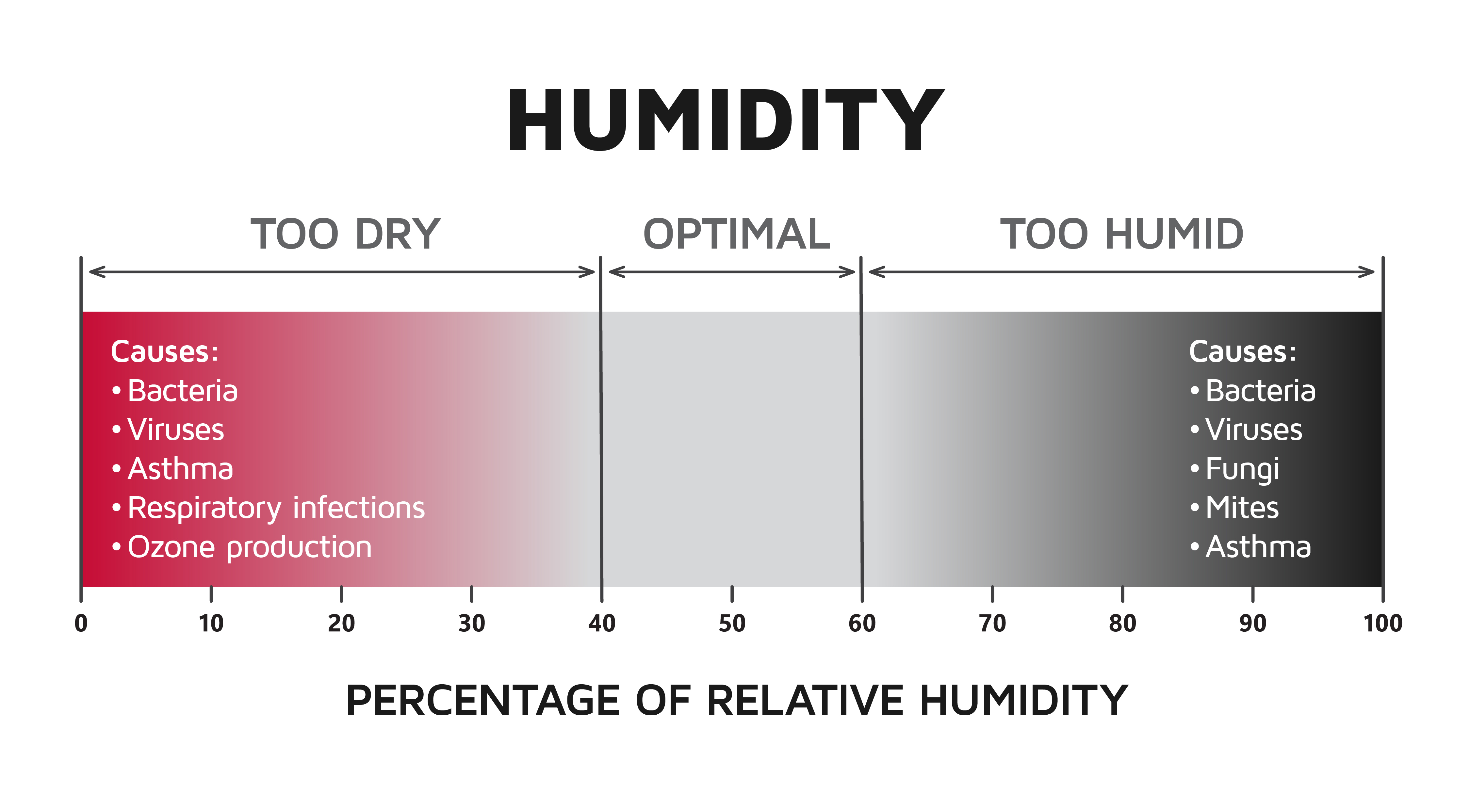
The concept of “normal” indoor humidity isn’t a rigid, one-size-fits-all number, but rather a healthy range that promotes comfort, health, and preservation. For most homes, the ideal relative humidity (RH) level generally falls between 30% and 50%.
Why This Range is Key
- Comfort and Health: Within this 30-50% RH range, your respiratory system functions optimally. It prevents your nasal passages and throat from drying out, which can lead to irritation, increased susceptibility to colds and flu, and exacerbate existing conditions like asthma and allergies. Conversely, excessively high humidity can promote the growth of mold, mildew, and dust mites, all of which are significant allergens and can trigger respiratory problems.
- Preservation of Belongings: High humidity can encourage the decay of organic materials like wood, paper, and fabrics, leading to warping, mold growth, and pest infestations. Low humidity, on the other hand, can cause wood to shrink and crack, paint to peel, and even affect the performance of certain electronic components.
- Energy Efficiency: Maintaining optimal humidity levels can indirectly contribute to energy savings. When humidity is balanced, the perceived temperature often feels more comfortable, allowing you to potentially adjust your thermostat by a degree or two without sacrificing comfort, thereby reducing heating and cooling costs.
Seasonal Variations and Considerations
It’s important to note that the ideal humidity level can fluctuate slightly with the seasons.
- Winter: In colder climates, winter air tends to be much drier, especially when heating systems are in full operation. Indoor humidity can drop significantly. In these cases, aiming for the lower end of the ideal range, perhaps 30-40%, might be more achievable and beneficial to combat dryness.
- Summer: During warmer, more humid months, achieving levels below 50% can be challenging. The goal is to prevent it from consistently creeping much higher, which can lead to a clammy feeling, mold growth, and discomfort.
The Risks of Extremes
- Too High Humidity (Above 50-60%): This is a breeding ground for allergens. Mold and mildew thrive in damp environments, releasing spores into the air that can cause allergic reactions, asthma attacks, and other respiratory issues. Dust mites also flourish in humid conditions. Furthermore, high humidity can lead to condensation on windows, walls, and pipes, causing water damage, peeling paint, and structural problems over time.
- Too Low Humidity (Below 30%): Dry air can lead to a range of uncomfortable and even harmful symptoms. Dry skin, chapped lips, itchy eyes, and irritated nasal passages are common. This dryness can also make you more vulnerable to infections as your mucous membranes are compromised. For technology, very low humidity can increase the risk of electrostatic discharge (ESD), which can damage sensitive electronic components.
Monitoring and Measuring Your Indoor Humidity
To effectively manage your home’s humidity, you first need to understand your current levels. Fortunately, this is a straightforward process with readily available tools.
Tools for Measurement
- Hygrometers: These are the primary devices used to measure relative humidity.
- Digital Hygrometers: These are the most common and user-friendly options. They provide a clear digital readout of the current humidity percentage and often the temperature as well. Many models are affordable and can be purchased online or at hardware stores.
- Analog Hygrometers: These are less common now but still functional. They typically use a dial or needle to indicate the humidity level. They can be less precise than their digital counterparts.
- Combination Thermometer-Hygrometers: Many devices offer both temperature and humidity readings, providing a comprehensive overview of your indoor environment.
Where to Place Your Hygrometer
For accurate readings, strategic placement is key.
- Central Locations: Place hygrometers in main living areas, such as the living room or bedroom, to get a general sense of your home’s overall humidity.
- Areas Prone to Issues: If you suspect specific areas are more humid or dry, place devices there. For example, in bathrooms or kitchens where moisture is frequently generated, or in basements which are often prone to dampness.
- Avoid Direct Sources of Moisture/Heat: Do not place hygrometers directly next to humidifiers, dehumidifiers, vents, radiators, or in direct sunlight, as these will skew the readings.
Strategies for Adjusting Indoor Humidity
Once you’ve established your home’s humidity levels, you can take steps to bring them into the ideal 30-50% range.
Increasing Humidity (When it’s Too Low)
If your hygrometer consistently shows levels below 30%, especially during winter months, you may need to add moisture to the air.
- Humidifiers:
- Whole-House Humidifiers: These are integrated into your HVAC system and can control humidity for the entire home. They are a more significant investment but offer comprehensive control.
- Portable Humidifiers: These are individual units that can be placed in specific rooms. They come in various types, including ultrasonic, evaporative, and steam humidifiers, each with its own pros and cons regarding maintenance and effectiveness.
- Ultrasonic: Quiet and produce a cool mist. Require regular cleaning to prevent bacteria growth.
- Evaporative: Use a fan to blow air through a wet wick or filter. Generally self-regulating.
- Steam (Warm Mist): Boil water to produce steam. Can help kill bacteria and offer some warming effect, but require more energy and caution due to hot steam.
- Natural Methods: While less potent, simple daily activities can contribute:
- Letting steam from showers or cooking disperse naturally.
- Drying clothes on indoor racks.
- Placing bowls of water near heat sources (though this is less effective and can be a fire hazard if not done carefully).
Important Note on Humidifiers: Regular cleaning and maintenance of humidifiers are crucial to prevent the growth and dissemination of bacteria and mold into the air. Always follow the manufacturer’s instructions for cleaning and filter replacement.
Decreasing Humidity (When it’s Too High)
If your home’s humidity is consistently above 50%, particularly during humid seasons or in areas prone to dampness, you’ll need to remove moisture.
- Dehumidifiers:
- Portable Dehumidifiers: Similar to portable humidifiers, these units are designed for specific rooms or areas. They collect moisture in a reservoir that needs to be emptied regularly, or can be connected to a drain hose for continuous operation.
- Whole-House Dehumidifiers: These are integrated into your HVAC system and offer efficient, whole-home moisture control.
- Ventilation: Proper ventilation is key to expelling moist air and bringing in drier air.
- Exhaust Fans: Use exhaust fans in bathrooms during and after showers, and in kitchens while cooking. Ensure they are venting outdoors, not just into the attic.
- Opening Windows: On dry, cooler days, opening windows can help exchange indoor air with outdoor air, reducing humidity.
- Air Conditioning: Your air conditioner naturally removes some moisture from the air as it cools. Ensure your AC unit is properly sized and functioning efficiently.
- Fixing Leaks: Address any plumbing leaks, roof leaks, or foundation moisture issues promptly, as these are significant contributors to high indoor humidity.
The Impact on Your Digital World and Personal Finance
While the immediate concerns of indoor humidity often revolve around health and comfort, its influence extends to less obvious but equally important areas, including our technology and financial well-being.
Protecting Your Technology Investments
The tech landscape is increasingly integral to our daily lives, from smartphones and laptops to smart home devices and servers. Humidity levels can significantly impact the longevity and performance of these valuable assets.
- Electrostatic Discharge (ESD): Very low humidity environments (<30% RH) increase the risk of static electricity. When you touch an electronic device, a sudden discharge of static electricity can occur, known as ESD. This brief but powerful jolt can damage the delicate micro-circuitry within your devices, leading to malfunctions or complete failure. This is particularly a concern in server rooms or for individuals working with sensitive electronics.
- Corrosion and Condensation: High humidity (>50-60% RH) can lead to condensation forming on electronic components. This moisture can cause corrosion of metal parts, including circuit boards and connectors, leading to intermittent issues or permanent damage. The gradual build-up of moisture can also create an environment conducive to mold growth within device casings, further degrading components.
- Performance Degradation: Even without outright failure, humidity can affect the performance of some devices. For instance, in high humidity, some sensors might not operate as accurately, and materials within devices could swell or contract, impacting physical components.
- Smart Home Ecosystems: As smart homes become more prevalent, the health of interconnected devices – from thermostats and security cameras to smart speakers – becomes paramount. Consistent and appropriate humidity levels ensure these devices operate reliably, maintaining the comfort, security, and efficiency they are designed to provide.
Tech-Savvy Solutions: Many modern tech gadgets, especially those designed for sensitive environments or outdoor use, incorporate humidity resistance. However, for standard indoor electronics, maintaining a stable and optimal humidity range is the best preventative measure. Regular cleaning of device vents to prevent dust build-up (which can trap moisture) is also advisable.
Humidity and Your Financial Health
The connection between indoor humidity and personal finance might seem indirect, but it’s a tangible link through maintenance costs, health expenses, and energy consumption.
- Energy Bills: As mentioned earlier, balanced humidity can make you feel more comfortable at a slightly higher thermostat setting in summer and a lower one in winter. This minor adjustment can translate into noticeable savings on your heating and cooling bills over time. Conversely, battling extreme humidity with overworking air conditioners or inefficient dehumidifiers can drive up energy consumption.
- Damage Mitigation and Repair Costs:
- Property Damage: High humidity can lead to costly repairs for water damage, mold remediation, and structural issues in your home. These are often significant, unexpected expenses that can strain a budget.
- Electronic Replacements: The ESD and corrosion issues caused by improper humidity can lead to premature failure of expensive electronic devices. Instead of enjoying a product for its expected lifespan, you might find yourself needing to replace it much sooner, adding to your overall expenditure.
- Health Costs: Persistent respiratory problems, allergies, and asthma triggered or exacerbated by mold and dust mites in a humid environment can lead to increased medical expenses, including doctor’s visits, medications, and potential time off work.
- Product Longevity: Beyond electronics, other items in your home, such as furniture, artwork, musical instruments, and even stored sensitive documents or collectibles, can be damaged by extreme humidity. Protecting these assets through proper humidity control can prevent the financial loss associated with their deterioration or destruction.
Financial Planning: Incorporating humidity monitoring and control into your home maintenance budget is a proactive approach to safeguarding your assets and your health. Investing in a quality hygrometer, a humidifier or dehumidifier (if needed), and ensuring your HVAC system is well-maintained can be seen as a preventative financial strategy, saving you from larger, more unexpected costs down the line. Consider it an investment in the longevity and value of your home and its contents.
In conclusion, understanding and managing your indoor humidity level is a fundamental aspect of creating a healthy, comfortable, and cost-effective living environment. By staying within the ideal 30-50% range, you not only enhance your personal well-being but also protect your valuable technology and make sound financial decisions for the future.
aViewFromTheCave is a participant in the Amazon Services LLC Associates Program, an affiliate advertising program designed to provide a means for sites to earn advertising fees by advertising and linking to Amazon.com. Amazon, the Amazon logo, AmazonSupply, and the AmazonSupply logo are trademarks of Amazon.com, Inc. or its affiliates. As an Amazon Associate we earn affiliate commissions from qualifying purchases.