
The medical landscape is constantly evolving, driven by groundbreaking research and innovative approaches to patient care. At the forefront of this progress are individuals who possess a unique blend of clinical expertise and scientific acumen. These are the physician-scientists, and their journey often begins with a highly specialized and demanding academic pursuit: the MD-PhD degree. For those intrigued by the intersection of medicine and scientific discovery, understanding this dual degree is crucial.
An MD-PhD is not simply two separate degrees pursued concurrently; it’s an integrated program designed to train physicians who are also accomplished researchers. It equips individuals with the knowledge and skills to not only diagnose and treat diseases but also to unravel their underlying biological mechanisms and develop novel therapeutic strategies. This path is exceptionally rigorous, requiring a significant commitment of time and intellectual effort, but it offers unparalleled opportunities for those driven by a passion for both patient care and scientific advancement.
For individuals considering this demanding yet rewarding career, a comprehensive understanding of what an MD-PhD entails is essential. This article will explore the core components of an MD-PhD program, the unique benefits it offers, the types of careers it prepares you for, and how it aligns with broader trends in technology, branding, and finance within the modern medical field.
The Rigorous Path: Understanding the MD-PhD Curriculum and Training
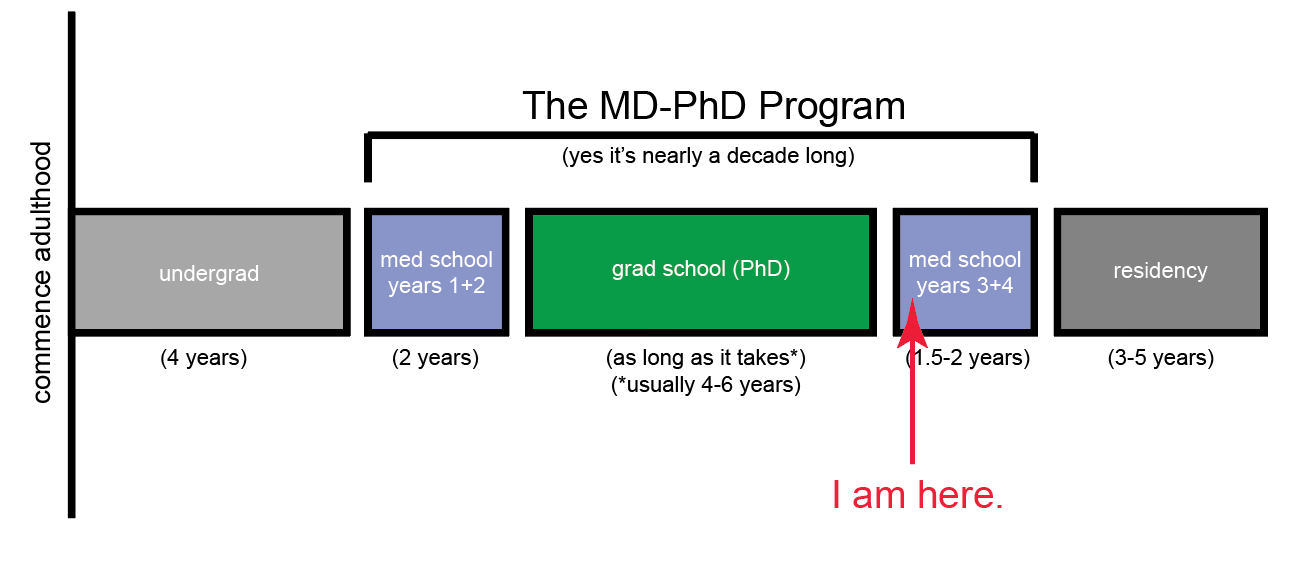
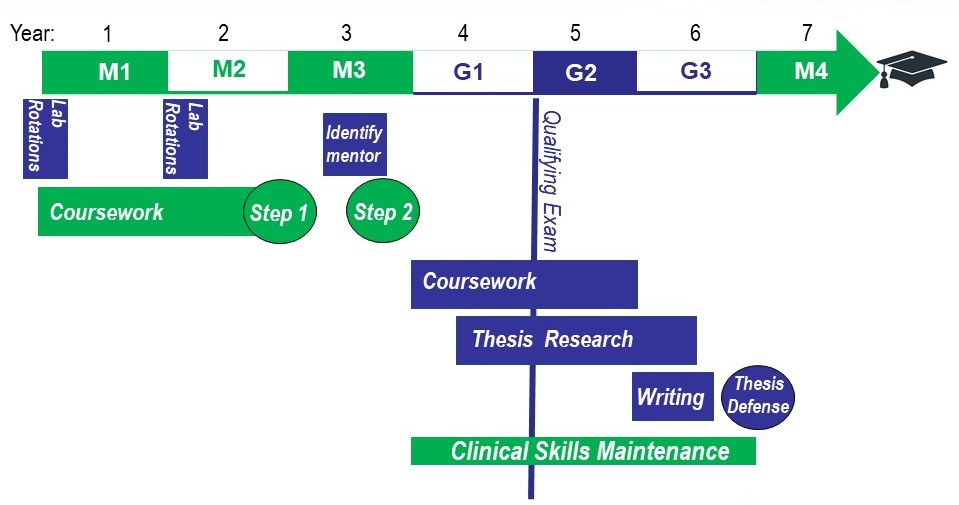
The MD-PhD program is meticulously structured to provide a robust foundation in both clinical medicine and cutting-edge scientific research. While specific program structures can vary between institutions, the core elements remain consistent, demanding a significant investment of time, typically between seven and nine years, and often longer. This extended duration reflects the depth and breadth of training required to excel as a physician-scientist.
Bridging the Gap: The Two Pillars of the MD-PhD Program
The MD-PhD curriculum is fundamentally built upon two distinct yet intricately interwoven pillars: medical school training and doctoral research.
Medical School Training: The Foundation of Clinical Practice
The initial years of an MD-PhD program mirror that of a traditional MD program. Students immerse themselves in the fundamental sciences of medicine, including anatomy, physiology, biochemistry, pharmacology, and pathology. This phase is characterized by lectures, laboratory sessions, and early exposure to clinical settings through physical diagnosis courses and patient encounters. The goal is to develop a strong understanding of the human body, the origins and progression of diseases, and the principles of medical diagnosis and treatment.
Following the foundational science years, MD-PhD students progress to the clinical rotations. This involves hands-on experience in various medical specialties such as internal medicine, surgery, pediatrics, psychiatry, and neurology. Students work directly with patients under the supervision of experienced physicians, honing their diagnostic skills, learning treatment protocols, and developing essential patient communication and empathy. This clinical exposure is vital for grounding scientific inquiry in the realities of patient needs and the practical challenges of healthcare delivery.
Doctoral Research: The Engine of Scientific Innovation
Interspersed with or following the initial medical school coursework is the intensive doctoral research component. This is where MD-PhD candidates delve deeply into a specific area of scientific inquiry, aiming to make original contributions to knowledge. Students typically choose a research mentor and a laboratory whose work aligns with their interests. This can span a vast array of disciplines, including:
- Basic Science Research: Investigating the fundamental biological processes that underpin health and disease at the molecular, cellular, or genetic level. This might involve studying protein function, signaling pathways, or gene regulation.
- Translational Research: Bridging the gap between basic science discoveries and clinical applications. This area focuses on translating laboratory findings into potential diagnostic tools, therapies, or preventative measures for human diseases.
- Clinical Research: Designing and conducting studies involving human subjects to evaluate the safety and efficacy of new treatments, diagnostic methods, or interventions. This can range from small pilot studies to large-scale clinical trials.
The doctoral phase involves designing experiments, collecting and analyzing data, troubleshooting technical challenges, and critically evaluating scientific literature. It culminates in the writing and defense of a doctoral dissertation, a substantial piece of original research that demonstrates the candidate’s expertise and contribution to their chosen field. The rigorous scientific training received during this phase is what truly distinguishes the MD-PhD graduate, equipping them with the skills to independently conduct high-level research.
The Physician-Scientist Advantage: Career Paths and Impact
The unique training of an MD-PhD graduate opens doors to a diverse range of fulfilling and impactful career paths. These individuals are not limited to traditional medical practice or pure research; they occupy a vital space where clinical insights inform scientific exploration and scientific discoveries translate into improved patient outcomes.
Charting a Course: Diverse Career Opportunities for MD-PhDs
The blend of clinical acumen and research expertise makes MD-PhD holders highly sought after in various sectors of the healthcare and scientific community.
Academia and Research Institutions: Leading the Next Generation
A significant proportion of MD-PhD graduates pursue careers in academic medical centers and research institutions. Here, they typically hold dual appointments as faculty members in both medical schools and graduate science departments. Their responsibilities often include:
- Conducting Independent Research: Establishing and leading their own research laboratories, securing grant funding, and mentoring junior researchers and students.
- Clinical Practice: Maintaining a clinical practice in their area of medical expertise, allowing them to stay connected to patient care and identify unmet clinical needs that can drive research questions.
- Teaching and Mentorship: Educating medical students, graduate students, and residents, shaping the future of both medicine and scientific discovery.
- Translational Science: Actively working to move promising laboratory discoveries from the bench to the bedside, accelerating the development of new treatments and therapies.
These academic physician-scientists are instrumental in advancing the frontiers of medical knowledge, publishing their findings in leading scientific journals, and presenting their work at international conferences.
Pharmaceutical and Biotechnology Industries: Driving Innovation in Drug Development
The pharmaceutical and biotechnology industries represent another major employer of MD-PhD graduates. In these settings, physician-scientists play a critical role in the discovery, development, and commercialization of new drugs and therapies. Their contributions can be found in:
- Drug Discovery and Development: Leading teams that identify potential drug targets, design and synthesize novel compounds, and conduct preclinical testing.
- Clinical Trial Design and Management: Overseeing the design, execution, and analysis of clinical trials to evaluate the safety and efficacy of new medications.
- Medical Affairs: Providing scientific expertise to marketing and sales teams, ensuring accurate and ethical communication about therapeutic products.
- Regulatory Affairs: Working with regulatory agencies like the FDA to navigate the complex approval processes for new drugs and medical devices.
The ability of MD-PhD graduates to understand both the biological mechanisms of disease and the practicalities of drug development makes them invaluable assets to these innovation-driven industries.
Government and Public Health Organizations: Shaping Health Policy and Research Funding
Government agencies and public health organizations also benefit from the unique skillset of MD-PhD holders. These individuals can contribute to:
- Research Funding and Prioritization: Serving on grant review panels for organizations like the National Institutes of Health (NIH), helping to shape the direction of scientific research by allocating funding to promising projects.
- Public Health Policy: Advising on health policy, disease prevention strategies, and the implementation of public health initiatives.
- Epidemiology and Disease Surveillance: Investigating outbreaks, tracking the spread of diseases, and developing strategies for disease control and eradication.
- Biomedical Research Oversight: Working within regulatory bodies to ensure the ethical conduct of research and the safety of medical products.
Their broad understanding of both scientific principles and societal health needs allows them to make significant contributions to public well-being.
The Evolving Landscape: MD-PhDs in the Context of Tech, Brand, and Money
The MD-PhD degree, while deeply rooted in scientific and medical principles, is not an ivory tower pursuit. The contemporary physician-scientist operates within a dynamic ecosystem influenced by technological advancements, the importance of effective branding, and the economic realities of healthcare and research. Understanding these interwoven threads is crucial for anyone considering this career path.
Leveraging Technology for Discovery and Delivery
The integration of technology into medicine and scientific research is profoundly reshaping the landscape for physician-scientists. The MD-PhD curriculum increasingly incorporates training and exposure to these advancements.
AI and Big Data in Research:
Artificial intelligence (AI) and machine learning are revolutionizing how research is conducted. MD-PhD students and researchers are now leveraging AI tools for:
- Genomic Analysis: Processing vast amounts of genomic data to identify disease-associated genes and understand complex genetic interactions.
- Drug Discovery: Predicting the efficacy and toxicity of potential drug candidates, accelerating the drug development pipeline.
- Image Analysis: Automating the analysis of medical images (e.g., MRI, CT scans) for faster and more accurate diagnoses.
- Predictive Modeling: Developing models to predict patient outcomes, disease progression, and the likelihood of treatment response.
The ability to understand and apply these AI tools is becoming an indispensable skill for physician-scientists.
Digital Health and Telemedicine:
The rise of digital health platforms and telemedicine is also impacting clinical practice and research. MD-PhDs are increasingly involved in:
- Developing and evaluating digital health interventions: Creating apps, wearable devices, and online platforms to monitor patient health, manage chronic conditions, and deliver remote medical advice.
- Utilizing telemedicine for clinical care: Providing remote consultations and follow-up care, expanding access to healthcare, especially in underserved areas.
- Collecting real-world data: Leveraging data from digital health tools for research purposes, providing insights into disease patterns and treatment effectiveness in everyday settings.
The convergence of medicine and technology demands that physician-scientists be adaptable and proficient in embracing these digital innovations.
The Importance of Personal and Professional Branding
In today’s competitive and interconnected world, personal and professional branding are no longer optional for aspiring leaders. For physician-scientists, a well-defined brand can significantly enhance their career trajectory and impact.
Establishing Expertise and Reputation:
A strong brand for an MD-PhD graduate is built on their:
- Scientific Excellence: Consistent publication of high-quality research in reputable journals.
- Clinical Acumen: A reputation for excellent patient care and diagnostic skills.
- Effective Communication: The ability to clearly articulate complex scientific and medical concepts to diverse audiences, including fellow scientists, clinicians, patients, and the public.
- Networking and Collaboration: Building relationships with peers, mentors, and potential collaborators.
This personal brand, nurtured through their professional activities, can attract funding for research, facilitate collaborations, and elevate their standing within their field.
Translating Research into Impact:
Effective branding also involves communicating the impact of their work. This means:
- Public Engagement: Sharing research findings with the public through accessible presentations, articles, or interviews, thereby fostering trust and understanding of medical advancements.
- Advocacy: Using their expertise to advocate for research funding, patient rights, or public health initiatives.
- Mentoring and Leadership: Building a reputation as an inspiring mentor and a forward-thinking leader in their chosen specialty.
A strong brand allows physician-scientists to effectively advocate for their research, their patients, and the broader scientific community.
Navigating the Financial Landscape of Research and Healthcare
The pursuit of an MD-PhD degree and the subsequent career path are intrinsically linked to financial considerations, both in terms of personal investment and the economics of research and healthcare.
Funding the Education and Research:
The significant time and resources required for an MD-PhD program necessitate robust financial planning. Fortunately, many MD-PhD programs are fully funded, offering stipends and tuition waivers to students. However, understanding the funding landscape is still crucial:
- Grant Funding: Physician-scientists heavily rely on securing grants from governmental agencies (like the NIH), private foundations, and industry to support their research endeavors. Developing strong grant-writing skills is paramount.
- Institutional Support: Academic medical centers provide infrastructure, resources, and often partial salary support for physician-scientists.
- Philanthropy: Donations from individuals and organizations can play a vital role in funding specific research projects or endowed chairs.

The Economic Impact of Physician-Scientist Contributions:
The work of physician-scientists has a profound economic impact:
- Innovation and Economic Growth: Discoveries in drug development, diagnostics, and medical devices translate into new industries, job creation, and economic growth.
- Cost-Effectiveness of Healthcare: Developing more effective treatments and preventative strategies can ultimately lead to reduced healthcare costs by improving patient outcomes and reducing the burden of chronic diseases.
- Personal Financial Planning: For the physician-scientist themselves, understanding salary expectations across different career paths (academia, industry, government) and managing personal finances are important considerations, especially given the long training period.
The financial sustainability of research and the economic benefits of medical innovation are critical elements that physician-scientists must navigate throughout their careers.
In conclusion, the MD-PhD degree represents a formidable yet immensely rewarding path for individuals committed to advancing human health through both clinical practice and scientific discovery. It is a journey that demands exceptional dedication, intellectual curiosity, and a deep-seated desire to make a lasting impact. As the fields of medicine and science continue to evolve, driven by technological innovation, the importance of effective communication and branding, and the economic realities of healthcare, the physician-scientist trained through the rigorous MD-PhD program stands as a crucial figure at the forefront of progress, bridging the gap between knowledge and healing.
aViewFromTheCave is a participant in the Amazon Services LLC Associates Program, an affiliate advertising program designed to provide a means for sites to earn advertising fees by advertising and linking to Amazon.com. Amazon, the Amazon logo, AmazonSupply, and the AmazonSupply logo are trademarks of Amazon.com, Inc. or its affiliates. As an Amazon Associate we earn affiliate commissions from qualifying purchases.