
In today’s fast-paced, hyper-connected world, the concepts of stress, exhaustion, and disengagement are becoming increasingly prevalent. Whether you’re a tech innovator pushing the boundaries of AI, a brand strategist crafting compelling narratives, or an entrepreneur navigating the complexities of personal finance, the demands on our energy and focus are immense. This constant pressure can, over time, lead to a state of emotional, physical, and mental exhaustion known as burnout.
While the term “burnout” is widely understood, pinpointing its exact nature and measuring its impact can be challenging. This is where the Maslach Burnout Inventory (MBI) comes into play. Developed by Christina Maslach and Susan Jackson, the MBI is a widely recognized and validated psychological instrument designed to assess the experience of burnout. Understanding what the MBI is and how it works is crucial for individuals and organizations alike seeking to foster well-being and maintain productivity in demanding environments.

This article will delve into the Maslach Burnout Inventory, exploring its origins, its core components, and its applications across various professional spheres, drawing parallels with the challenges and opportunities presented in technology, branding, and finance.
The Genesis and Core Components of the Maslach Burnout Inventory
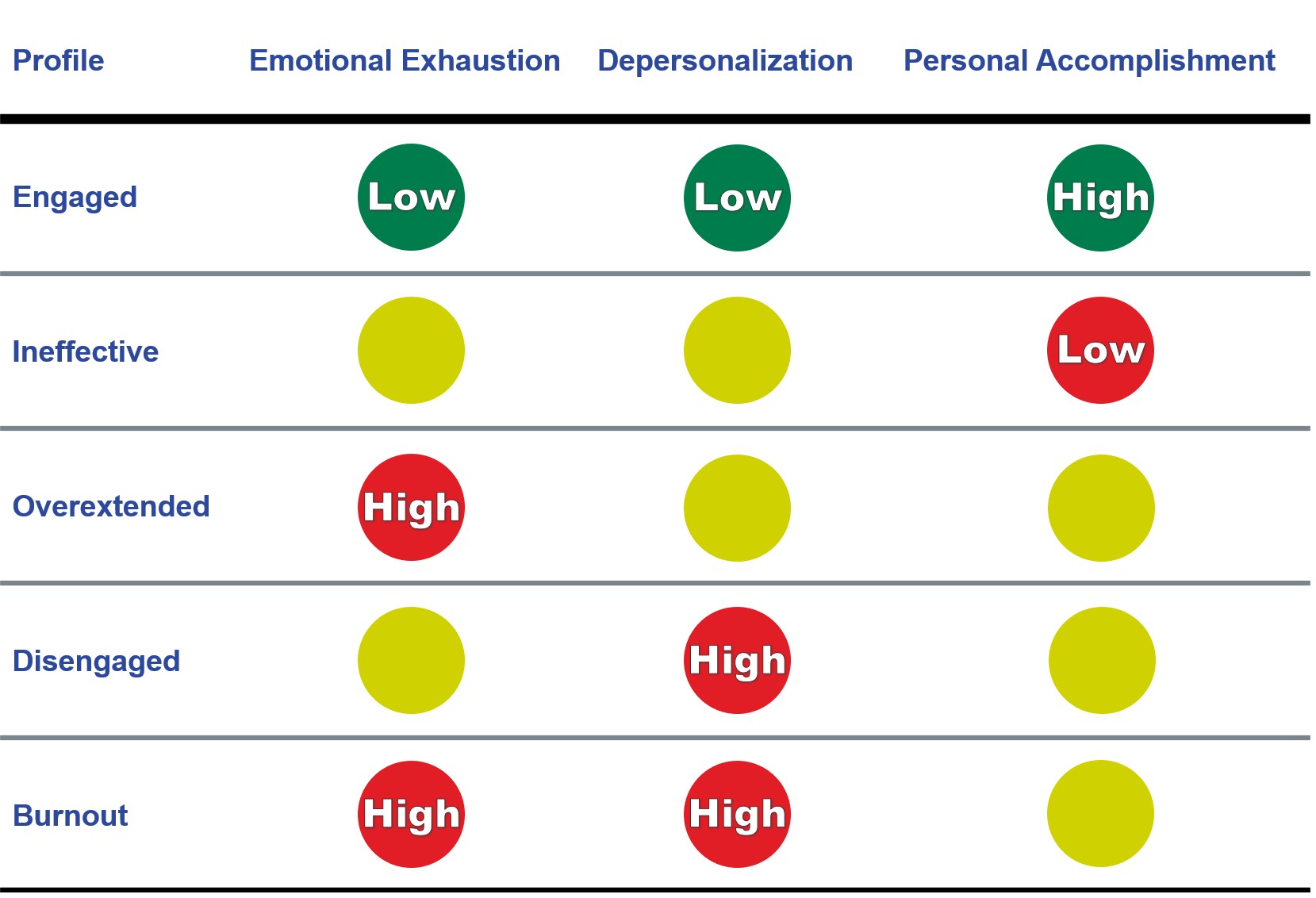
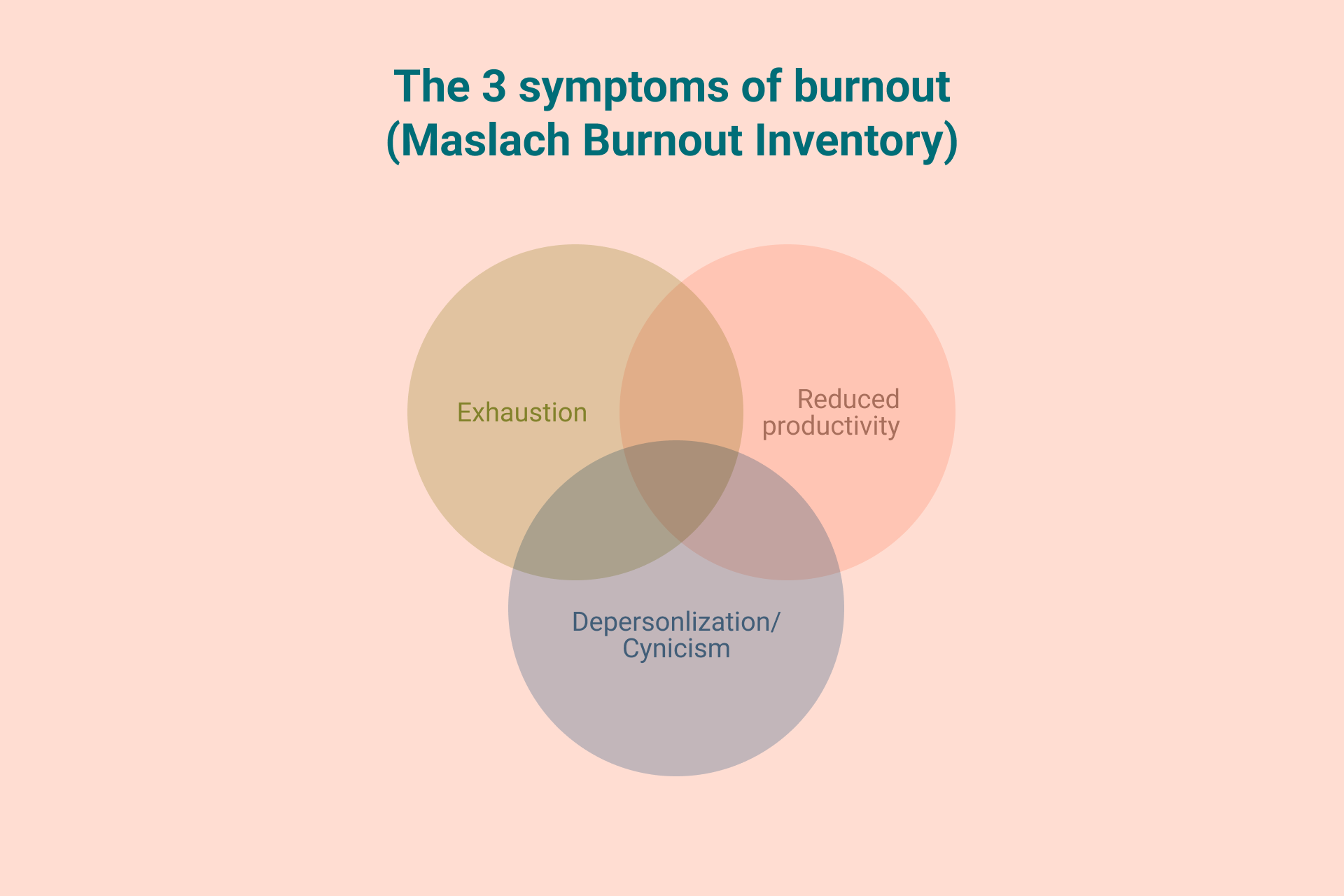
The Maslach Burnout Inventory emerged from extensive research into the experiences of human service professionals in the early 1980s. Maslach and Jackson observed a common pattern of symptoms among individuals working in high-stress occupations, leading them to define burnout as a syndrome characterized by three distinct dimensions. These dimensions form the bedrock of the MBI and are crucial for understanding its diagnostic capabilities.
1. Emotional Exhaustion: The Drained Well
The first and perhaps most commonly recognized dimension of burnout is Emotional Exhaustion. This refers to a state of feeling drained and depleted of emotional and physical resources. Individuals experiencing high levels of emotional exhaustion feel as though they have nothing left to give, both at work and in their personal lives. They may feel tired all the time, struggle to wake up in the morning, and find it difficult to concentrate.
In the context of Tech, this can manifest as the exhaustion that comes from constantly chasing the next big innovation, debugging complex code late into the night, or feeling overwhelmed by the relentless pace of technological advancement. The pressure to be “always on” in the digital realm can quickly deplete an individual’s emotional reserves. For app developers, the pressure to release frequent updates and fix bugs can lead to relentless cycles of stress. Similarly, AI researchers might experience exhaustion from the long hours and intellectual demands of pushing the frontiers of artificial intelligence.
For Brand professionals, emotional exhaustion can stem from the constant pressure to create compelling marketing campaigns, manage a brand’s public perception, and navigate competitive market landscapes. The emotional labor involved in maintaining a positive and consistent brand image, especially during crises, can be incredibly taxing. A graphic designer working on multiple demanding client projects simultaneously, or a marketing manager facing tight deadlines for product launches, could certainly experience this dimension of burnout.
In the realm of Money, financial advisors or investment bankers might experience emotional exhaustion from dealing with high-stakes decisions, volatile markets, and the intense pressure to deliver profitable outcomes for clients. The stress of managing personal finances, especially during economic downturns, can also lead to significant emotional drain for individuals. The constant need to stay updated on financial regulations and market trends can be mentally fatiguing.
2. Depersonalization: The Cynical Detachment
The second dimension of the MBI is Depersonalization. This dimension describes a detached and cynical attitude towards one’s work and the people one interacts with as a result of that work. Individuals experiencing depersonalization often feel emotionally distant from their colleagues, clients, or customers. They may treat people as objects rather than individuals, and their empathy may diminish. This can manifest as irritability, negativity, and a general lack of interest in others’ well-being.
In the Tech industry, depersonalization could arise from the dehumanizing aspects of some automated systems or the sheer scale of digital interactions. A software engineer might become desensitized to the impact of their work on end-users if they are primarily focused on technical specifications and deadlines. The repetitive nature of certain tasks in app development or IT support can also contribute to a sense of detachment. For those working with AI tools, the abstract nature of algorithms and data can sometimes lead to a disconnect from the human impact of these technologies.
For Brand professionals, depersonalization might surface when the creative process becomes solely about meeting client expectations or achieving marketing metrics, rather than genuine connection or authentic storytelling. A copywriter churning out generic content for numerous clients, or a social media manager feeling disconnected from the community they are supposed to be engaging with, might exhibit this trait. The pressure to create a polished, often idealized, brand persona can sometimes lead to a feeling of inauthenticity, which can then foster detachment.
In Money matters, a financial planner might become cynical about clients’ financial decisions or detached from their personal struggles if they are solely focused on transactions and profit margins. The repetitive nature of dealing with financial statements or processing transactions can also contribute to depersonalization. For individuals managing their own investments, a purely transactional approach to the market, devoid of emotional connection, could be seen as a form of depersonalization from the human element behind economic activity.
3. Reduced Personal Accomplishment: The Eroding Sense of Efficacy
The third dimension of the MBI is Reduced Personal Accomplishment. This refers to a feeling of inadequacy and a lack of effectiveness in one’s work. Individuals experiencing this dimension feel that they are no longer able to cope with their job demands or achieve meaningful results. Their confidence erodes, and they may begin to doubt their abilities and contributions. This can lead to feelings of hopelessness and a decline in motivation.
In Tech, reduced personal accomplishment can arise when projects fail to launch successfully, when innovations are quickly superseded, or when the impact of one’s work feels insignificant in the grand scheme of technological progress. A developer whose code consistently introduces bugs, or an AI specialist whose models don’t perform as expected, might experience this. The rapid obsolescence of certain technologies can also lead to a feeling that one’s skills are constantly being rendered irrelevant.
For Brand strategists, this dimension could manifest as a feeling of their campaigns not resonating with the target audience, or their efforts to build brand loyalty falling flat. A designer whose work is consistently rejected, or a marketing team that sees declining engagement metrics, could experience a significant dip in their sense of personal accomplishment. The challenge of differentiating a brand in a crowded marketplace can be a source of ongoing frustration.
In the world of Money, this could be felt by entrepreneurs whose businesses struggle to gain traction, or investors who consistently underperform the market. A financial advisor who sees clients consistently making poor financial choices despite their guidance, or an individual who feels they are making no progress towards their financial goals, might experience reduced personal accomplishment. The perceived complexity of financial markets can also lead to a feeling of being unable to achieve desired financial outcomes.
The Applications and Significance of the Maslach Burnout Inventory
The Maslach Burnout Inventory is not merely an academic tool; it has practical applications that extend across various sectors and levels. Its widespread use is a testament to its validity and reliability in identifying and understanding burnout.
In the Workplace: Fostering Well-being and Productivity
Organizations across all industries are increasingly recognizing the detrimental impact of burnout on employee well-being, productivity, and retention. The MBI serves as a valuable diagnostic tool for:
- Identifying at-risk employees and teams: By administering the MBI, managers can gain insights into the levels of burnout within their teams and proactively implement supportive measures. This is particularly relevant in high-pressure Tech environments where deadlines are tight and innovation is paramount. For example, a software development team experiencing high levels of emotional exhaustion might benefit from more realistic project timelines and better resource allocation.
- Evaluating the effectiveness of interventions: Organizations can use the MBI to measure the impact of well-being programs, stress management initiatives, and changes in work culture. For a Brand management team implementing a new work-life balance policy, the MBI can track whether employee exhaustion and cynicism are decreasing.
- Understanding organizational stressors: The responses to the MBI can highlight specific aspects of the work environment that contribute to burnout. This could be anything from excessive workload and lack of control to poor communication and inadequate support. In the Finance sector, for instance, the MBI might reveal that long working hours and intense client demands are primary drivers of depersonalization among financial advisors.
- Promoting a culture of well-being: By openly discussing burnout and utilizing tools like the MBI, organizations can foster a culture where employee well-being is prioritized. This can lead to a more engaged, resilient, and ultimately, more productive workforce.
In Personal Development: Self-Awareness and Proactive Strategies
Beyond the organizational context, the Maslach Burnout Inventory can be a powerful tool for individual self-awareness and personal growth.
- Identifying personal warning signs: Individuals can use the MBI (often in a self-administered format or with the guidance of a therapist) to recognize the early signs of burnout in their own lives. This self-awareness is the first step towards taking proactive measures. A Tech professional, for example, might realize through MBI results that they are experiencing significant emotional exhaustion and decide to delegate tasks or take a break.
- Developing coping mechanisms: Once burnout is identified, individuals can work on developing personalized coping strategies. This might involve setting boundaries, practicing mindfulness, seeking social support, or re-evaluating their career path. A Brand consultant feeling a loss of personal accomplishment might use this insight to seek out projects that align more closely with their passions and values.
- Making informed career decisions: For those in Money-related professions who feel overwhelmed, the MBI can prompt a re-evaluation of their career choices, potentially leading them to explore different roles or industries that offer a better work-life balance or greater intrinsic satisfaction.
Navigating the Demands: The MBI in Action
The Maslach Burnout Inventory, by dissecting burnout into its constituent parts, provides a nuanced understanding of a complex phenomenon. Its applications are far-reaching, offering valuable insights for individuals and organizations striving to thrive in demanding environments.
Whether you are at the forefront of Tech innovation, crafting the next compelling Brand narrative, or managing the intricacies of Money, the principles illuminated by the MBI are universally applicable. Recognizing the signs of emotional exhaustion, depersonalization, and reduced personal accomplishment is the first crucial step towards mitigating their impact. By embracing this understanding and utilizing the MBI as a guide, we can cultivate more sustainable, fulfilling, and productive lives and work environments, ensuring that our pursuit of innovation, brand excellence, and financial prosperity does not come at the cost of our well-being.
aViewFromTheCave is a participant in the Amazon Services LLC Associates Program, an affiliate advertising program designed to provide a means for sites to earn advertising fees by advertising and linking to Amazon.com. Amazon, the Amazon logo, AmazonSupply, and the AmazonSupply logo are trademarks of Amazon.com, Inc. or its affiliates. As an Amazon Associate we earn affiliate commissions from qualifying purchases.