
In the bustling marketplace, where the invisible hand of supply and demand typically orchestrates a harmonious ballet of goods and services, sometimes things just don’t quite add up. While the idealized vision of a perfectly competitive market suggests optimal resource allocation and maximum societal benefit, reality often presents a more complex picture. This is where the concept of “market failure” enters the economic arena. It’s not about a catastrophic collapse, but rather a less-than-ideal outcome where the free market, left to its own devices, fails to produce the most efficient or socially desirable results. Understanding market failure is crucial, not just for economists, but for anyone interested in how technology influences our financial lives, how brands leverage economic principles, and how we can make smarter financial decisions in a world prone to these imperfections.
When the Market Stumbles: Understanding the Core of Market Failure
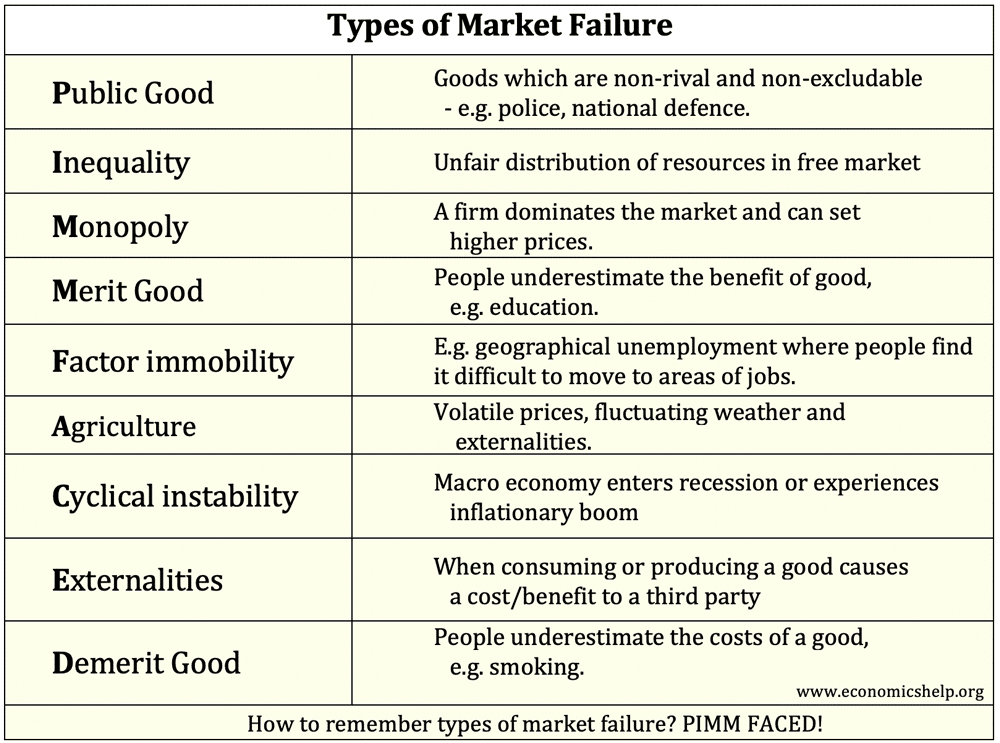
At its heart, market failure occurs when the allocation of goods and services by a free market is not Pareto efficient. In simpler terms, it means that it’s possible to make at least one person better off without making anyone else worse off, but the market mechanism itself doesn’t achieve this. This can manifest in several ways, often stemming from a divergence between private costs and benefits and social costs and benefits.
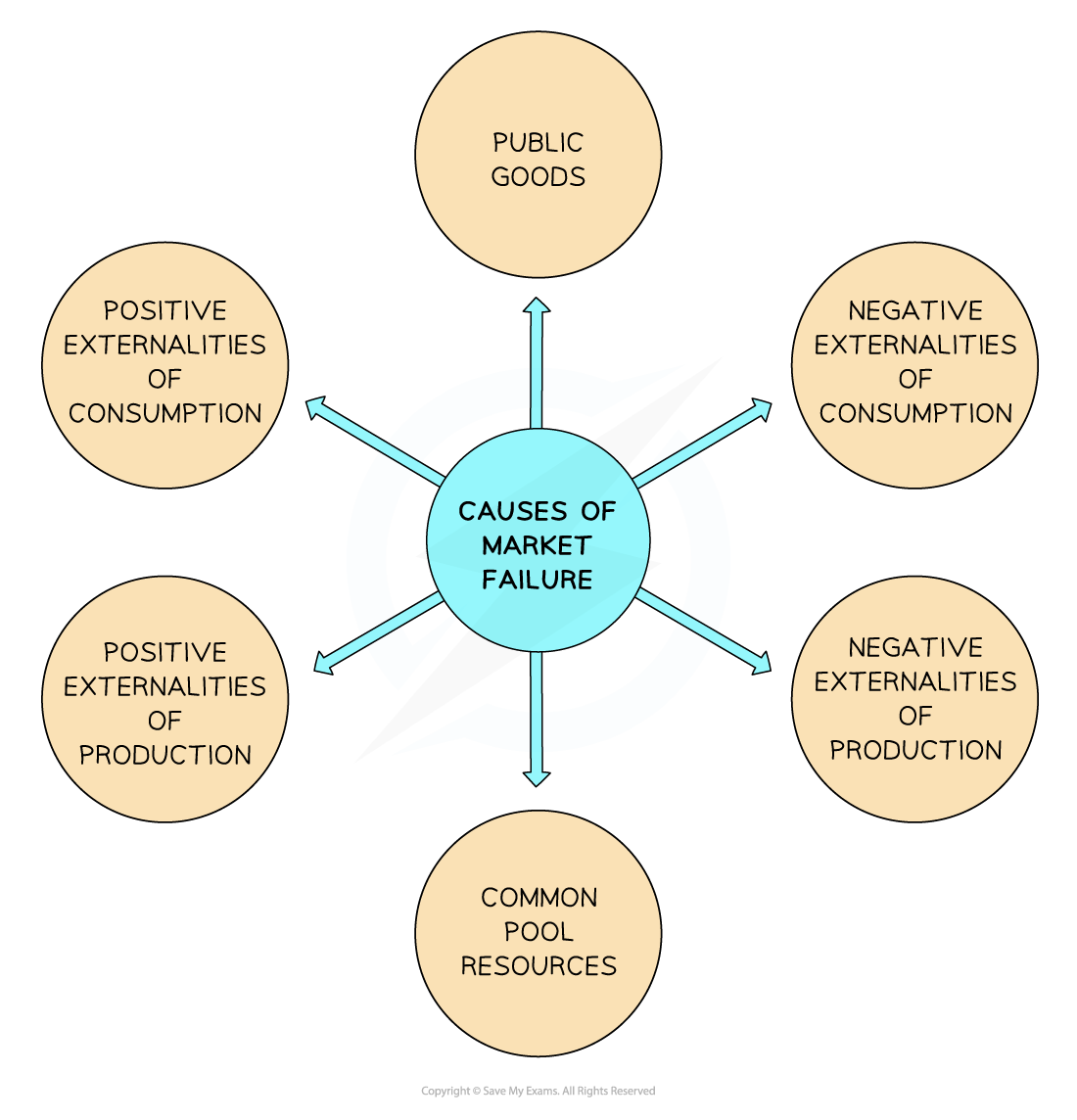
Externalities: The Unaccounted-for Ripples in the Economic Pond
One of the most prevalent forms of market failure is the presence of externalities. These are costs or benefits that affect a third party who is not directly involved in the production or consumption of a good or service. Think of them as the unintended consequences that spill over from one economic transaction to others.
Positive Externalities: The Unseen Boons
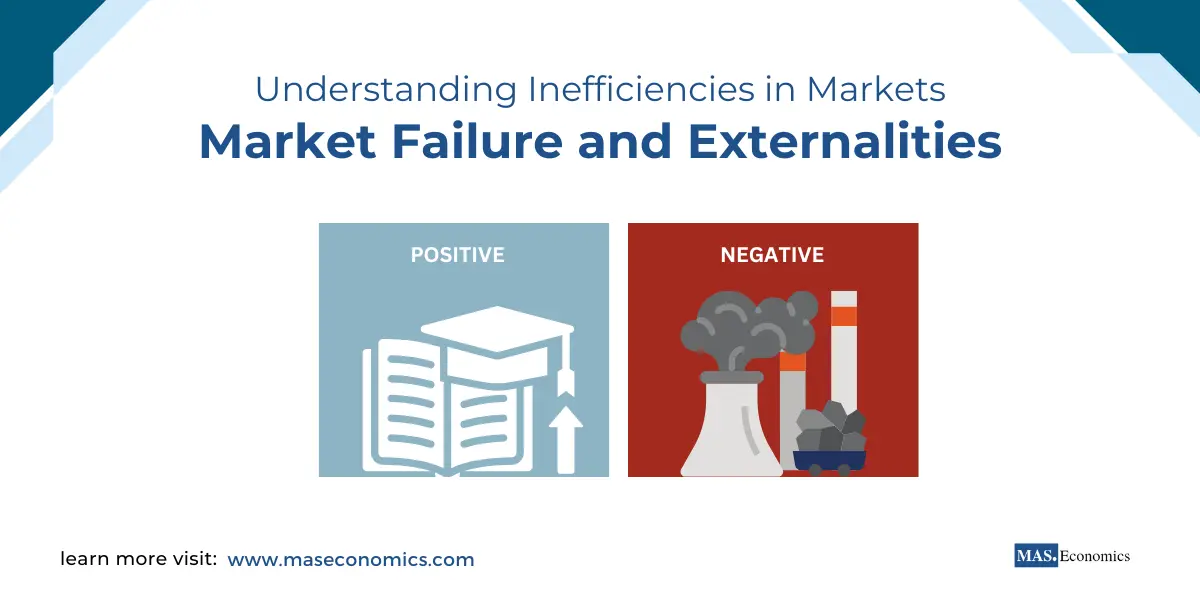
Positive externalities occur when the consumption or production of a good or service creates a benefit for a third party. The market, driven by private incentives, often undersupplies these goods because the producers or consumers don’t capture the full social benefit.
- Technological Innovation: Consider the development of a new AI tool that significantly boosts productivity across various industries. While the company developing the AI might profit from its sales, the broader economy benefits from increased efficiency, faster innovation cycles, and potentially new job creation. The societal benefit often outweighs the private profit. Similarly, the development of a groundbreaking app that enhances digital security for individuals benefits not only the user but also reduces the overall risk of cybercrime, creating a positive externality for society.
- Education and Public Health: An educated populace is a more productive and engaged populace. When individuals invest in their education, they not only improve their own earning potential but also contribute to a more skilled workforce and a more informed citizenry. Likewise, widespread vaccination programs, while primarily benefiting the vaccinated individuals, also contribute to herd immunity, protecting those who cannot be vaccinated – a clear positive externality.
- Brand Building and Reputation: While brand strategy is primarily about a company’s self-interest, a strong and trusted brand can have positive externalities. Consumers benefit from the assurance of quality and reliability, which reduces their search costs and risk. Furthermore, a well-respected brand can foster consumer confidence in the broader market, encouraging investment and economic activity.
Negative Externalities: The Unwanted Burdens
Conversely, negative externalities impose costs on third parties. The market, again, tends to oversupply these goods and services because the producers or consumers don’t bear the full social cost of their actions.
- Environmental Pollution: The classic example is industrial pollution. A factory might produce goods cheaply, but the cost of the resulting air or water pollution – in terms of healthcare expenses, environmental degradation, and reduced quality of life for nearby communities – is borne by society, not solely by the factory owner. The “digital footprint” of technology also carries externalities. The energy consumption of data centers powering AI tools and vast online platforms contributes to carbon emissions. The e-waste generated by constantly upgrading gadgets also poses a significant environmental challenge.
- Congestion: When too many cars are on the road during rush hour, each additional driver contributes to slower traffic for everyone else, increasing travel times and fuel consumption. This is a negative externality of private transportation.
- Information Asymmetry and Misleading Marketing: In the realm of branding and marketing, a lack of transparency or the use of deceptive practices can create negative externalities. Consumers who are misled into purchasing products or services that don’t meet their needs or expectations suffer a loss. This can erode trust in brands and markets more broadly. A poorly designed app with a misleading description can lead to user frustration and a waste of time and resources for the consumer.
Public Goods and Common Resources: The Tricky Nature of Shared Assets
Another significant category of market failure arises from the nature of certain goods and how they are consumed.
Public Goods: The Challenge of Non-Excludability and Non-Rivalry
Public goods possess two key characteristics: non-excludability (it’s impossible to prevent people from consuming the good, even if they don’t pay for it) and non-rivalry (one person’s consumption of the good does not diminish another person’s ability to consume it).
- National Defense and Street Lighting: These are classic examples. It’s impossible to exclude citizens from the protection of national defense, and one person benefiting from streetlights doesn’t reduce the light available to others. Because individuals can benefit without paying, there’s little incentive for private firms to produce them, leading to underprovision by the market. This often necessitates government provision and funding.
- Basic Research and Information: While proprietary software and apps are clearly private goods, the underlying scientific discoveries and fundamental research that enable technological progress often have characteristics of public goods. Once knowledge is disseminated, it can be hard to exclude others from benefiting. The open-source movement in technology, for instance, leverages this by making software freely available, though the underlying development still requires resources.
Common Resources: The Tragedy of the Commons
Common resources, on the other hand, are non-excludable but rivalrous. This means anyone can access them, but their use by one person depletes them for others.
- Fisheries and Forests: If a fishing ground is open to all, individuals have an incentive to catch as many fish as possible before others do, leading to overfishing and depletion of the resource. Similarly, unregulated access to forests can lead to deforestation.
- Internet Bandwidth and Digital Storage: In certain contexts, especially during peak usage times, shared internet bandwidth can become a rivalrous good. If too many users are simultaneously streaming high-definition content, everyone’s experience can degrade. The same applies to shared cloud storage where excessive usage by one party might impact the performance for others.
Information Asymmetry: When One Side Knows More Than the Other
Market failures can also occur when one party in a transaction has more or better information than the other. This imbalance can lead to exploitative outcomes.
- Used Car Market (The “Lemons” Problem): In the market for used cars, sellers typically know more about the car’s condition than buyers. This information asymmetry can lead to sellers of “lemons” (bad cars) driving out sellers of “peaches” (good cars) because buyers, uncertain of quality, are only willing to pay an average price. This leads to a decline in the overall quality of cars in the market.
- Insurance Markets: Individuals seeking health insurance often know more about their own health status and lifestyle risks than the insurance company. This can lead to adverse selection, where sicker individuals are more likely to purchase insurance, driving up premiums for everyone.
- Financial Markets and Investment: In the world of personal finance and investing, information asymmetry is rampant. Financial advisors or companies might have deeper insights into investment products or market trends than individual investors. This is where understanding financial tools, conducting thorough research, and seeking credible reviews become paramount to mitigate this risk. For instance, understanding the true costs and potential risks of an investment app versus its advertised benefits requires careful due diligence.
Monopoly and Market Power: When Competition Fades
While not always a direct “failure” in the sense of inefficiency, monopolies and oligopolies (markets dominated by a few firms) represent a departure from the ideal of perfect competition and can lead to market failures.
- Reduced Output and Higher Prices: A monopolist, facing no significant competition, can restrict output and charge higher prices than would prevail in a competitive market, leading to a loss of consumer surplus and overall economic efficiency.
- Lack of Innovation (Potentially): While some monopolies might invest heavily in research and development to maintain their dominance, others may become complacent due to the absence of competitive pressure.
- Brand Dominance and Barriers to Entry: Powerful brands, through extensive marketing and brand loyalty, can create significant barriers to entry for new competitors. While brand strategy is a legitimate business practice, extreme market dominance can stifle innovation and limit consumer choice.
Addressing Market Failures: The Role of Policy and Innovation
Recognizing market failures is the first step. The next is to consider how to address them. Various interventions can be employed, ranging from government regulation to market-based solutions and technological innovation.
Government Intervention: Guiding the Invisible Hand
Governments often step in to correct market failures. This can take several forms:
- Taxes and Subsidies: To address negative externalities like pollution, governments can impose taxes (e.g., carbon taxes) to make polluters bear the cost. Conversely, subsidies can be used to encourage the production of goods with positive externalities (e.g., subsidies for renewable energy).
- Regulation and Legislation: Governments can set standards for product safety, environmental emissions, or financial disclosures to protect consumers and the environment. Antitrust laws are designed to prevent monopolies and promote competition.
- Provision of Public Goods: As mentioned, public goods are typically funded and provided by the government through taxation.
Market-Based Solutions and Private Initiatives
Not all solutions require direct government intervention. Market-based approaches and private initiatives can also play a crucial role.
- Property Rights and Bargaining: Clearly defined property rights can sometimes allow private parties to negotiate solutions to externalities. For example, if a factory pollutes a river, assigning property rights to the river could enable negotiations for compensation or pollution reduction.
- Social Norms and Corporate Social Responsibility (CSR): Growing consumer awareness and the rise of socially responsible investing encourage companies to consider their broader societal impact. Strong personal branding and ethical corporate identities can also mitigate negative externalities.
- Technological Solutions: Innovation itself can be a powerful tool to address market failures. For instance, smart grids can optimize energy consumption, reducing negative externalities. AI-powered tools can enhance transparency in financial markets, helping investors make more informed decisions and reduce information asymmetry. Apps designed for efficient resource management can combat the tragedy of the commons.
The Interplay of Technology, Brand, and Money in Addressing Market Failure
The modern economic landscape is a complex interplay of technological advancements, brand perceptions, and financial decisions. Understanding market failure through these lenses offers practical insights.
Technology as a Double-Edged Sword
Technology can both exacerbate and mitigate market failures. While the energy consumption of digital infrastructure and the potential for digital waste are negative externalities, AI can be used to optimize resource allocation, develop cleaner energy solutions, and provide more transparent financial information. The accessibility of information through apps and online platforms can also empower consumers to overcome information asymmetry.
Branding for Good (and Bad)
Brand strategy is inherently about influencing perceptions and demand. While this can be used to promote consumption, it can also be leveraged to advocate for sustainable practices, ethical sourcing, and consumer well-being, thereby internalizing some externalities. However, a powerful brand can also be used to mask harmful practices, creating a different kind of market failure based on manipulation.
Money and Informed Decisions in an Imperfect Market
Personal finance and investing are directly impacted by market failures. Understanding externalities, information asymmetry, and the potential for monopolies helps individuals make more informed financial decisions. Investing in companies with strong ESG (Environmental, Social, and Governance) practices, utilizing financial tools that offer transparency, and conducting thorough research are all strategies to navigate an economic system prone to these glitches.
Conclusion: A Continuous Balancing Act
Market failure is not a sign that free markets are inherently broken, but rather an acknowledgment of their inherent limitations. It’s a testament to the fact that the pursuit of private gain doesn’t always align with the collective good. By understanding the various forms of market failure – from externalities and public goods to information asymmetry and market power – we can better appreciate the role of both government intervention and private innovation in steering our economies towards more efficient and equitable outcomes. In an era defined by rapid technological change, evolving brand landscapes, and the constant pursuit of financial well-being, a nuanced understanding of market failure empowers us to be more discerning consumers, more responsible investors, and ultimately, more engaged participants in building a more robust and sustainable economic future.
aViewFromTheCave is a participant in the Amazon Services LLC Associates Program, an affiliate advertising program designed to provide a means for sites to earn advertising fees by advertising and linking to Amazon.com. Amazon, the Amazon logo, AmazonSupply, and the AmazonSupply logo are trademarks of Amazon.com, Inc. or its affiliates. As an Amazon Associate we earn affiliate commissions from qualifying purchases.