
Zinc, a humble yet remarkably versatile element, plays a far more significant role in our modern lives than many might realize. Often overlooked in the dazzling array of technological advancements and consumer trends, this essential metal is a foundational component in countless products and processes, quietly contributing to everything from the longevity of our infrastructure to the sleek design of our gadgets. While its most recognized application might be its protective coating on steel, the story of what zinc is made from, and consequently, what is made from zinc, is a much broader and more fascinating narrative that touches upon technology, brand building, and even financial considerations.
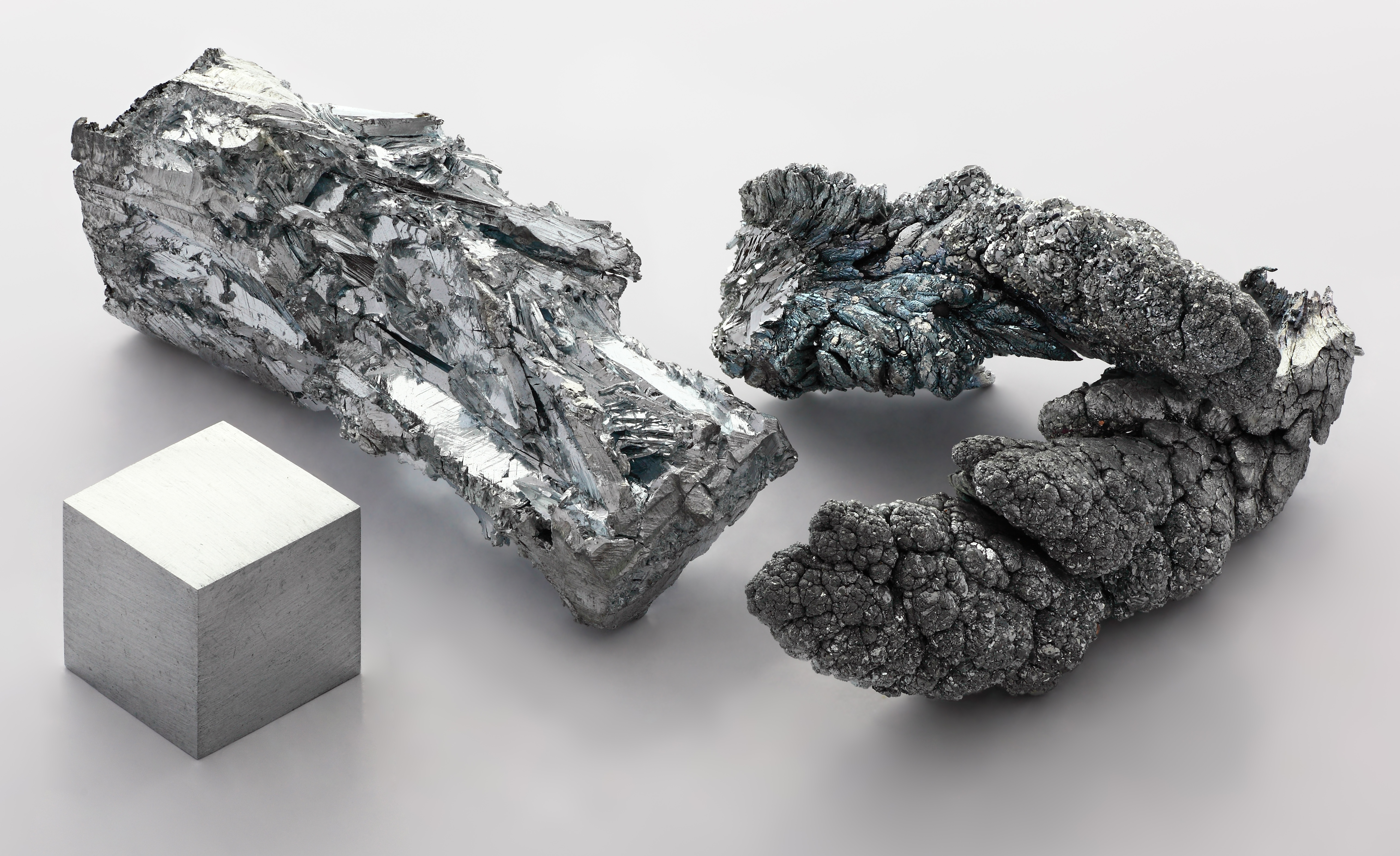
The journey of zinc begins deep within the earth. It is primarily extracted from mineral ores, with sphalerite (zinc sulfide) being the most common source. Other important zinc-bearing minerals include smithsonite, hemimorphite, and zincite. The extraction process involves mining these ores, followed by a series of complex metallurgical steps. These typically include crushing and grinding the ore, followed by froth flotation to concentrate the zinc minerals. Subsequently, the concentrated ore undergoes smelting or leaching processes to separate the zinc from other elements. Roasting the zinc sulfide ore, for example, converts it into zinc oxide, which can then be reduced to metallic zinc. Alternatively, hydrometallurgical processes involve dissolving the zinc oxide in acid and then purifying the solution before extracting the metallic zinc through electrolysis. This journey from raw ore to refined metal is a testament to human ingenuity and industrial capability.
Once transformed into metallic zinc or its various compounds, its applications proliferate across a diverse spectrum, influencing our daily lives in profound ways. Understanding these applications requires us to look beyond a single industry and consider how zinc underpins developments in technology, contributes to the strength and perception of brands, and even has subtle impacts on the financial landscape.
The Unseen Protector: Zinc in Infrastructure and Technology
Zinc’s most celebrated attribute is its exceptional corrosion resistance. This property is not merely about aesthetics; it is fundamentally about durability and longevity, which are crucial considerations in any technologically advanced society. When steel is coated with zinc, a process known as galvanization, the zinc acts as a sacrificial anode. This means that if the coating is scratched and the underlying steel is exposed, the zinc will corrode preferentially, protecting the steel from rusting. This seemingly simple act has revolutionized construction, manufacturing, and transportation.
Safeguarding Our Built Environment
Consider the vast infrastructure that supports our modern world: bridges, buildings, power transmission towers, and pipelines. A significant portion of these vital structures are galvanized steel. This ensures their resilience against the elements, reducing the need for frequent and costly repairs or replacements. This directly impacts the financial viability of long-term projects and the safety of the public. From a brand perspective, the reliability and longevity of infrastructure built with galvanized materials contribute to a perception of stability and trustworthiness for the companies and governments responsible for their construction and maintenance. The material choice, while often unseen by the end-user, becomes an implicit promise of enduring quality.
Enhancing Consumer Electronics and Automotive Components
The influence of zinc extends to the more visible aspects of our technological lives. In the Tech sector, zinc alloys, particularly those containing aluminum and magnesium (like Zamak), are widely used for manufacturing casings and structural components of electronic devices and automotive parts. The reason is multi-faceted. These alloys offer a good balance of strength, lightness, and moldability, allowing for intricate designs and complex shapes essential for modern gadgetry.
- Gadgets and Consumer Electronics: Think about the sleek, metallic casings of smartphones, laptops, and gaming consoles. Many of these benefit from zinc alloys for their structural integrity and premium feel. The ability to achieve precise finishes and vibrant colors on zinc alloy surfaces also plays a crucial role in Brand identity and product aesthetics. A well-designed and robust casing contributes significantly to a consumer’s perception of a product’s quality and value.
- Automotive Industry: In vehicles, zinc alloys are employed in components like door handles, mirror housings, dashboard elements, and even engine parts where corrosion resistance and strength are paramount. The automotive industry, heavily reliant on intricate engineering and appealing design, leverages zinc’s properties to enhance both performance and aesthetics. The durability of these components contributes to a car’s resale value and a manufacturer’s reputation – key aspects of their Brand equity. Furthermore, the lightweight nature of these alloys contributes to fuel efficiency, a growing concern for both consumers and regulators, indirectly impacting the Money aspect of vehicle ownership.
The Digital Frontier: Batteries and Beyond
Beyond structural applications, zinc is also finding its way into the very heart of energy storage – batteries. Zinc-air batteries are gaining traction as a potentially cost-effective and environmentally friendly alternative to traditional lithium-ion batteries, especially for applications requiring long life and consistent power. As the demand for sustainable energy solutions and efficient power sources continues to grow within the Tech landscape, the role of zinc in battery technology is becoming increasingly significant. The Money implications of developing and deploying these new battery technologies are substantial, promising new markets and potentially lower costs for energy storage solutions.
Zinc in Everyday Products: From Protection to Personal Care
The utility of zinc doesn’t stop at grand industrial applications. It permeates many aspects of our daily lives, often in ways we don’t consciously consider. Its ability to provide protection, contribute to material properties, and even offer health benefits makes it an indispensable element.

The Unsung Hero of Packaging and Preservation
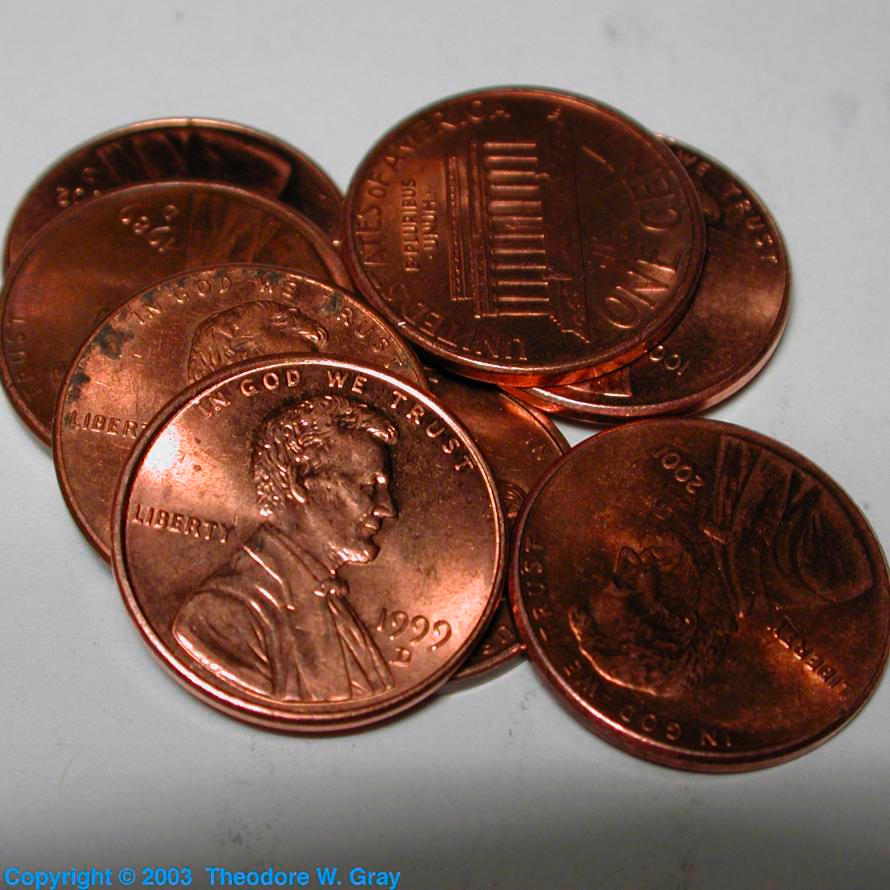
One of the most common, yet often overlooked, uses of zinc is in the production of batteries. While some advanced battery technologies are emerging, traditional alkaline batteries rely on zinc for their casing and anode. This readily available and reliable material is crucial for powering countless portable electronic devices that have become integral to our daily routines.
Another significant application is in packaging. Zinc oxide is used as a pigment and a UV blocker in paints and coatings, protecting surfaces from degradation. More directly, in the realm of food packaging, certain types of coatings can incorporate zinc to help preserve freshness and prevent spoilage. This contributes to reducing food waste, a growing economic and environmental concern, thereby impacting the Money we spend on groceries and the financial implications of supply chains.
Personal Care and Health: The Gentle Defender
Zinc is also a vital nutrient for human health. In the Brand of personal care products, zinc oxide is a star ingredient in sunscreen. Its ability to physically block both UVA and UVB rays makes it a highly effective and safe option for sun protection. The development of “mineral sunscreens” that prominently feature zinc oxide speaks to a consumer demand for gentle, natural ingredients, a trend that brands are actively capitalizing on. This segment of the market demonstrates how a seemingly simple element can be leveraged to build a strong Brand identity around health, safety, and natural efficacy.
Beyond sunscreens, zinc compounds are found in:
- Antiseptic creams and ointments: Their mild antibacterial properties help in healing minor cuts and abrasions.
- Diaper rash creams: Zinc oxide creates a protective barrier on the skin, preventing irritation.
- Toothpaste and mouthwash: Zinc can help combat bad breath and promote oral hygiene.
These applications highlight zinc’s gentle yet effective nature, making it a trusted ingredient across a wide range of personal care and health products. The Money invested in research and development for these products, and the revenue generated by their sales, underscore the commercial importance of zinc in this sector.
The Economic Landscape: Zinc’s Market and Financial Implications
Understanding what is made from zinc also necessitates a brief look at its economic significance. The global demand for zinc is substantial, driven by its diverse applications. The price of zinc fluctuates on commodity markets, influenced by factors such as global economic growth, geopolitical events, and the cost of energy required for its extraction and processing.
Investing in Zinc: A Commodity Market Perspective
For those interested in Money and investment, zinc represents a significant commodity. Its price performance can be an indicator of broader industrial activity. When demand for construction, automotive, and electronics sectors increases, the demand for zinc often follows suit, potentially driving up its price. Conversely, economic downturns can lead to a decrease in demand and price. Understanding these market dynamics is crucial for investors looking to diversify their portfolios or hedge against inflation. The Tech sector’s reliance on electronic components and the Brand industry’s need for durable goods indirectly tie the financial fortunes of these sectors to the zinc market.
The Cost of Corrosion: A Financial Argument for Zinc
From a purely financial perspective, the investment in zinc-based protective coatings like galvanization can be seen as a highly cost-effective measure. The initial cost of galvanization is relatively low compared to the immense costs associated with repairing or replacing corroded steel structures. The Money saved through extended lifespan and reduced maintenance over the decades often far outweighs the upfront investment. This is a compelling argument for the widespread adoption of zinc-based corrosion protection strategies, demonstrating its tangible financial benefits across various industries.
In conclusion, the question “what is made from zinc” opens a window into a world of essential materials and impactful applications. From the unseen protection it offers to our infrastructure, the integral role it plays in the design and function of our technology, to its presence in everyday personal care products, zinc is a cornerstone of modern society. Its journey from the earth to finished goods is a complex industrial process, and its pervasive influence touches upon Tech, Brand, and Money in ways that are both fundamental and far-reaching. As innovation continues and our reliance on durable, efficient, and protective materials grows, the story of zinc is far from over; it is a continuing narrative of essential utility and quiet strength.
aViewFromTheCave is a participant in the Amazon Services LLC Associates Program, an affiliate advertising program designed to provide a means for sites to earn advertising fees by advertising and linking to Amazon.com. Amazon, the Amazon logo, AmazonSupply, and the AmazonSupply logo are trademarks of Amazon.com, Inc. or its affiliates. As an Amazon Associate we earn affiliate commissions from qualifying purchases.