
When we ask “where is Nvidia based,” the answer is both a simple geographic coordinate and a complex map of the modern technological landscape. Headquartered in Santa Clara, California, Nvidia sits at the epicenter of Silicon Valley—a location that is as much a symbol of innovation as it is a physical site. However, understanding where Nvidia is based requires looking beyond its iconic corporate campus to the global infrastructure and technical ecosystems it sustains.
From the gaming rigs of the early 2000s to the massive AI data centers of today, Nvidia has transformed from a graphics card manufacturer into the fundamental architect of the artificial intelligence era. This article explores the physical and technological foundations of Nvidia, examining how its location in the heart of the tech world fuels its dominance in hardware, software, and AI research.

The Heart of Silicon Valley: Nvidia’s Headquarters in Santa Clara
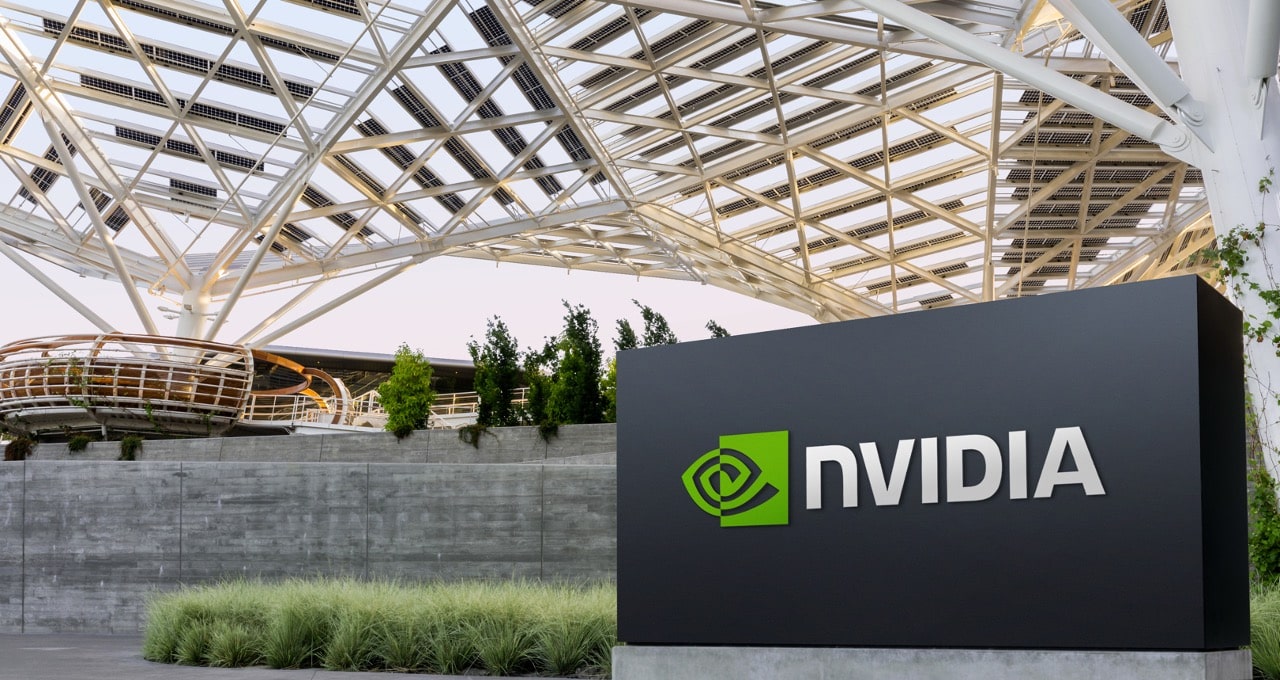
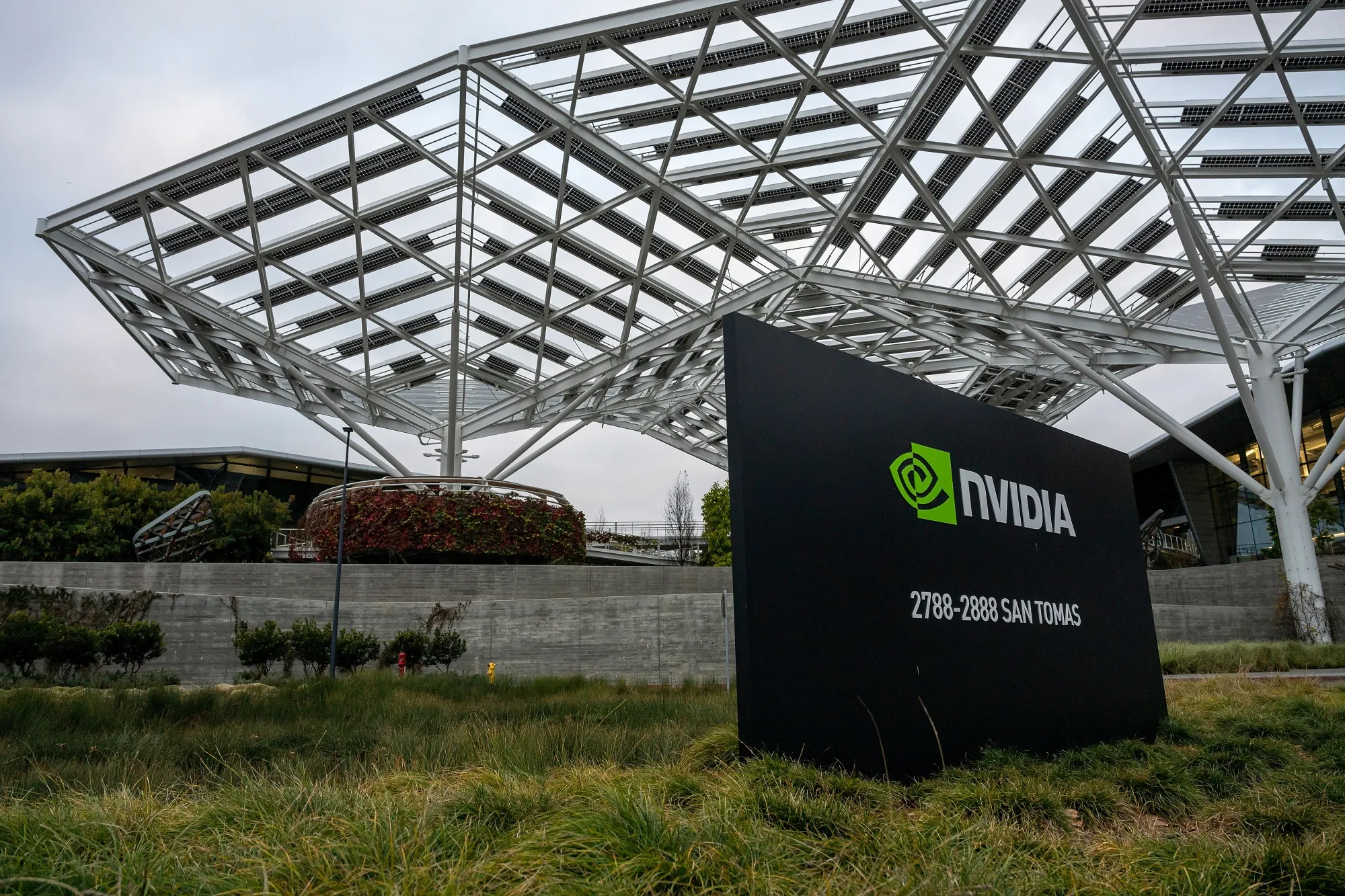
Nvidia’s primary headquarters is located at 2788 San Tomas Expressway, Santa Clara, California. This location places the company in the legendary “Golden Triangle” of Silicon Valley, surrounded by other tech titans like Intel, Apple, and Google. But Nvidia’s presence in Santa Clara is more than just an office—it is a testament to the company’s design philosophy and its commitment to the engineering spirit.
The Voyager and Endeavor Buildings: Architectural Innovation
The physical manifestation of Nvidia’s success can be seen in its two flagship buildings: Endeavor and Voyager. These structures are more than just workspace; they are high-tech marvels designed to foster collaboration. The Endeavor building, completed in 2017, spans 500,000 square feet and features a distinctive triangular motif—a nod to the fundamental building block of computer graphics, the polygon.
Voyager, the newer 750,000-square-foot expansion, emphasizes sustainability and “biophilic” design, integrating nature into the workspace to improve employee well-being. These buildings are designed with open floor plans and massive communal spaces to ensure that the hardware engineers and software developers are constantly interacting. In the tech world, Nvidia’s headquarters serves as a physical representation of its complex, interconnected GPU architectures.
Why Santa Clara Matters for Semiconductor Evolution
The choice of Santa Clara as a base is deeply strategic. Being in the heart of Silicon Valley provides Nvidia with unparalleled access to a specialized labor market. The concentration of semiconductor expertise in this specific region of Northern California is unmatched anywhere else in the world. By being based here, Nvidia stays at the center of the “brain trust” that defines modern computing. The proximity to venture capital, world-class research universities like Stanford and UC Berkeley, and a density of tech-focused suppliers allows Nvidia to move at a speed that traditional companies cannot match.
Beyond the Physical: Where Nvidia’s Tech Infrastructure Resides
While its administrative heart is in California, Nvidia’s technological “base” is distributed across the globe through its massive data center footprint and R&D centers. For a technology company of this scale, “where it is based” also refers to where its computational power lives.
The Backbone of Modern AI Computing
Nvidia’s true power resides in the data centers that house its H100 and A100 Tensor Core GPUs. These are the physical engines of the AI revolution. Nvidia’s technology is the foundation for the world’s most powerful supercomputers, such as the Leonardo in Italy or the Frontier in the United States.
In this sense, Nvidia is “based” wherever high-performance computing (HPC) is required. The company’s move into the “AI Foundry” model means they are increasingly providing the infrastructure for other companies to build their own AI models. This shift from selling chips to providing a full-stack technological ecosystem means Nvidia’s influence is embedded in the cloud infrastructures of Amazon Web Services (AWS), Microsoft Azure, and Google Cloud.
Global Distributed Engineering Teams
To maintain its lead in the tech sector, Nvidia has established key research and development hubs far beyond Santa Clara. One of the most critical locations is Israel, which became a central pillar of Nvidia’s networking technology following the acquisition of Mellanox Technologies. This move integrated high-speed interconnect technology into Nvidia’s stack, proving that the company is “based” in any region that offers specialized technological excellence.
Additionally, Nvidia maintains significant operations in Taiwan, where it collaborates closely with TSMC (Taiwan Semiconductor Manufacturing Company), the foundry that actually manufactures Nvidia’s high-end chips. Without the symbiotic relationship between Santa Clara and Hsinchu (Taiwan), the specialized 4nm and 5nm chips that power modern AI would not exist.
The Ecosystem of Innovation: How Location Fuels Tech R&D
Nvidia’s geographical base facilitates a unique R&D culture that is heavily reliant on the Silicon Valley “feedback loop.” This loop involves the constant exchange of ideas between hardware designers, software developers, and the end-users of the technology.
Proximity to Top-Tier Talent and Research Institutions
Being based near Stanford University allows Nvidia to stay at the cutting edge of academic research. Many of Nvidia’s senior scientists and engineers are alumni or former faculty members of these institutions. This allows for a “tech transfer” process where theoretical breakthroughs in machine learning or ray tracing are quickly translated into commercial hardware features.
Nvidia Research, the company’s internal think-tank, operates as a global laboratory, but its primary direction is set in Santa Clara. This group works on everything from autonomous vehicle algorithms to generative AI, ensuring that the company’s next generation of hardware is always being built to solve the problems of tomorrow.
Collaboration with Big Tech Neighbors
Silicon Valley is a neighborhood of giants. Nvidia’s physical proximity to companies like Meta, Tesla, and Netflix allows for deep technical partnerships. For example, when Meta builds a massive AI training cluster, Nvidia engineers are often working on-site or in close digital collaboration to optimize the software-hardware interface. This localized synergy is a major reason why Nvidia remains the “gold standard” for AI hardware; they are physically and operationally integrated with the companies that use their products most.
Shaping the Future from the West Coast: AI, OmniVerse, and Beyond
Nvidia’s base in Santa Clara is currently the command center for the next great shift in computing: the transition from general-purpose computing to accelerated computing. As Moore’s Law slows down, Nvidia is betting that software and hardware co-design is the only path forward.
Transitioning from GPUs to an AI-First Company
For decades, Nvidia was known as a “graphics” company. Today, however, its technological base is centered on CUDA (Compute Unified Device Architecture). CUDA is the software layer that allows developers to use Nvidia GPUs for general-purpose processing. By being based in a region that prioritizes software development as much as hardware, Nvidia was able to create a “moat” that competitors have struggled to cross.
The focus in Santa Clara has shifted toward the Nvidia Omniverse, a platform for 3D design and digital twins. This technology allows companies to build virtual versions of factories or cities before they are constructed in the real world. By positioning its headquarters as the hub for these “industrial metaverse” developments, Nvidia is ensuring its relevance for the next twenty years of tech evolution.
The Role of the “AI Foundry” in Localized Tech Hubs
As Nvidia expands, it is increasingly acting as a “foundry” for AI. This means they are helping nations and large corporations build their own “Sovereign AI” capabilities. While the leadership and core IP (Intellectual Property) remain in Santa Clara, Nvidia is helping establish tech hubs in places like India, Japan, and the United Kingdom.
This global expansion is a strategic move to ensure that the “base” of AI technology isn’t just one city, but a worldwide network of Nvidia-powered data centers. By doing so, they provide the tools (like the DGX Cloud) that allow a startup in London or a research lab in Tokyo to access the same computing power as a giant in Silicon Valley.
Conclusion: A Global Base for a Digital Era
When answering “where is Nvidia based,” we find a company that is rooted in the history of Silicon Valley but whose branches extend into every corner of the digital world. Its headquarters in Santa Clara serves as the brain, directing a massive body of global operations that range from chip design in Israel to manufacturing partnerships in Taiwan and cloud deployments in every major data center on earth.
Nvidia’s location is more than just an address; it is a strategic advantage. By staying at the center of the world’s most vibrant tech ecosystem, Nvidia has successfully navigated the transition from gaming to AI, and now to the industrial metaverse. As it continues to push the boundaries of what is possible with silicon and code, its base in Santa Clara will remain the lighthouse for the future of accelerated computing. Nvidia isn’t just based in California—it is based at the very frontier of human innovation.
aViewFromTheCave is a participant in the Amazon Services LLC Associates Program, an affiliate advertising program designed to provide a means for sites to earn advertising fees by advertising and linking to Amazon.com. Amazon, the Amazon logo, AmazonSupply, and the AmazonSupply logo are trademarks of Amazon.com, Inc. or its affiliates. As an Amazon Associate we earn affiliate commissions from qualifying purchases.