
Cruising has evolved from an elite luxury reserved for the upper class into one of the most popular and complex segments of the global travel market. For many, the central question—”How much are cruises?”—is met with a confusing array of base fares, hidden fees, and tiered pricing structures. From a personal finance perspective, a cruise can represent either an incredibly high-value, all-inclusive vacation or a potential “money pit” of unexpected expenses.
Understanding the true cost of a cruise requires looking past the flashy promotional stickers. To effectively budget for a voyage, one must analyze the financial anatomy of the cruise industry, accounting for base fares, mandatory surcharges, and the discretionary spending that fuels the industry’s profitability.
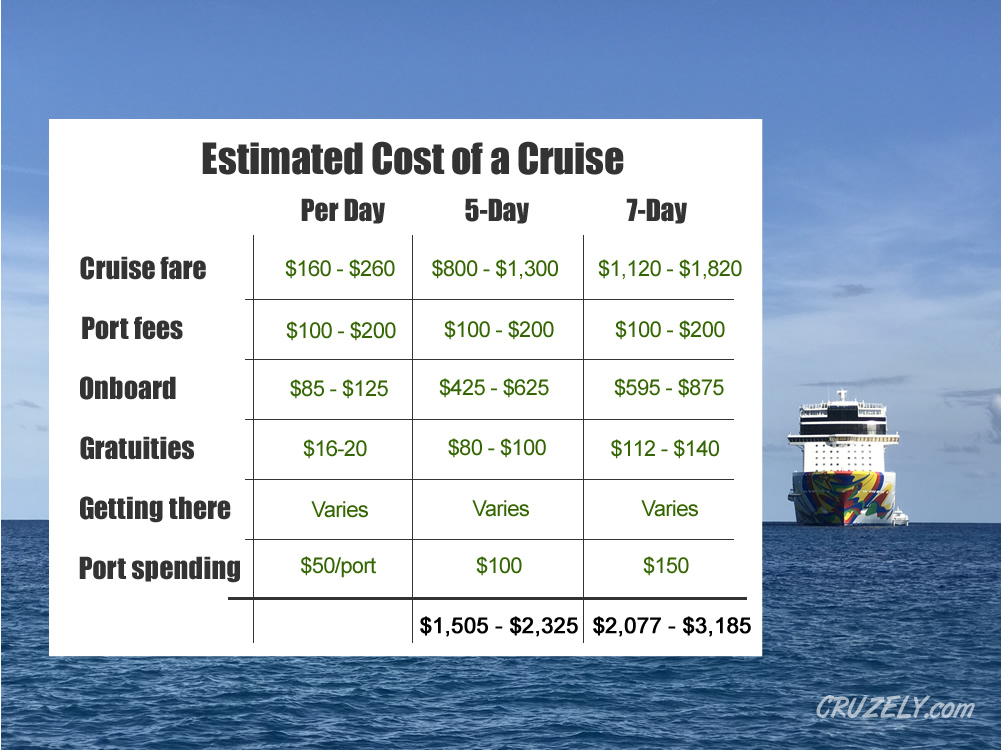
The Financial Anatomy of a Cruise Fare: What Your Base Price Covers
The headline price you see on a booking website is rarely the final amount that leaves your bank account. In the cruise industry, the “lead-in price” serves as a marketing tool to capture interest, but the financial reality is more nuanced.
Understanding the Base Fare and Cabin Categories
The primary driver of cruise costs is the cabin category. Generally, these are divided into four tiers: Interior (no windows), Oceanview (a porthole or window), Balcony (private outdoor space), and Suites (multi-room configurations with added perks). From a value-investing standpoint, interior rooms offer the highest “utility per dollar” if you plan to spend most of your time in public spaces. Conversely, suites often carry a 300% to 500% premium but include amenities that might offset other costs, such as inclusive laundry or concierge services.
Port Fees, Taxes, and Mandatory Surcharges
When calculating your budget, you must account for “NCFs” (Non-Commissionable Fares). These include government-imposed port taxes and fees which are passed directly to the consumer. Depending on the itinerary—specifically in high-demand regions like Alaska or the Mediterranean—these can add anywhere from $150 to $600 per person to the base fare. Unlike the cruise fare itself, these fees are generally non-negotiable and are not subject to the same seasonal discounts.
The “Hidden” Budget: Accounting for Onboard Expenses
The modern cruise business model relies heavily on “onboard spend.” While the base fare might cover your room and basic meals, the cruise line’s profitability often hinges on the additional revenue generated once you are on the ship.
The Gratuity and Service Charge Structure
One of the most frequently overlooked costs in maritime travel is the daily gratuity. Most major lines (Carnival, Royal Caribbean, Norwegian) automatically bill a daily service charge of $16 to $25 per person, per day, to your onboard account. For a family of four on a seven-night cruise, this adds roughly $500 to the total bill. From a financial planning perspective, this should be treated as a mandatory tax rather than a voluntary tip.
The Math of Beverage Packages and Specialty Dining
Beverage packages are a significant revenue driver for cruise lines. These packages often cost between $60 and $110 per person, per day. To determine if this is a sound financial decision, you must perform a “break-even analysis.” If a standard cocktail costs $14 and a beer costs $8, an individual must consume roughly 6–9 drinks daily to justify the package cost. For many moderate drinkers, paying “a la carte” is often the more fiscally responsible choice. Similarly, while the main dining room is included in your fare, “Specialty Dining” venues carry cover charges ranging from $30 to $90 per person.
Shore Excursions and Onboard Activities
The cost of exploring a destination can sometimes exceed the cost of the cruise itself. Shore excursions managed by the cruise line carry a significant markup for the convenience and security they provide. Budget-conscious travelers can often save 30% to 50% by booking independent tours or utilizing local transportation, though this requires a higher degree of risk management regarding the ship’s departure time.
Strategic Financial Planning: Timing and Booking Tactics
Just as in the stock market, timing is everything in the cruise industry. The price of a cruise is highly volatile, influenced by supply, demand, and the “Wave Season” (January through March) when most inventory is moved.
The Value of “Wave Season” and Early Booking
Traditionally, the best financial incentives are found during Wave Season. This is when cruise lines offer “value-add” promotions rather than deep discounts—think free Wi-Fi, included gratuities, or onboard credit. For a traveler focused on ROI, these additions are often more valuable than a $100 reduction in the base fare. Booking 12 to 18 months in advance also allows for the “Price Drop Guarantee” offered by many travel agencies, where you can re-fare your booking if the price decreases before final payment.
The High-Risk, High-Reward Strategy of Last-Minute Booking
For those with flexible schedules, booking within the “final payment window” (usually 90 days before sailing) can lead to significant savings. When ships have unsold inventory, cruise lines would rather fill a cabin at a loss to ensure they have a passenger onboard who will spend money on drinks, gambling, and excursions. However, this strategy limits cabin selection and often results in higher airfare costs, which can negate the cruise savings.
Leveraging Loyalty Programs and Credit Card Rewards
Frequent cruisers can significantly lower their “Cost Per Day” by climbing the ranks of loyalty programs. Benefits such as free laundry, complimentary internet, and discounted balcony upgrades provide tangible financial value. Furthermore, using co-branded credit cards or high-yield travel cards (like Chase Sapphire or Amex Platinum) can provide the points necessary to offset the cost of airfare or the cruise fare itself through statement credits.
The Luxury vs. Budget Spectrum: A Comparative Financial Analysis
To answer “how much are cruises,” one must distinguish between the various market segments, as the financial philosophy of each differs greatly.
Mass-Market and Budget Lines
Lines like MSC, Costa, and Carnival offer the lowest entry price. From a cash-flow perspective, these are attractive for families. However, they have the highest “upsell” pressure. You are paying for a “platform” (the ship), and almost every premium experience on that platform carries an additional fee.
Premium and Ultra-Luxury Lines
At the other end of the spectrum are lines like Seabourn, Silversea, or Regent Seven Seas. While the “sticker price” might be $5,000 to $10,000 per person, these are often “true” all-inclusive models. When you factor in the cost of business-class airfare (often included), premium spirits, excursions, and gratuities, the “price-per-hour” of enjoyment on a luxury line can occasionally rival the total cost of a “budget” cruise once all the add-ons are tallied. For high-net-worth individuals, the transparency of the luxury model offers better financial predictability.
The Digital Nomad and “Retirement on Sea” Perspective
A growing trend in personal finance is the comparison between the cost of living on land versus living at sea. As remote work becomes permanent for many, the “Monthly Cruise Budget” has become a legitimate topic of financial inquiry.
Monthly Cost Comparison: Land vs. Sea Living
In major metropolitan areas, the combined cost of rent, utilities, groceries, and entertainment can easily exceed $4,000 per month. Some long-term cruisers leverage “repositioning cruises”—voyages where ships move between seasons (e.g., from Europe to the Caribbean)—to find fares as low as $50 to $70 per day. When you consider that this includes housing, food, and gym access, the “maritime lifestyle” can actually serve as a form of geographic arbitrage for those looking to decrease their cost of living while maintaining a high quality of life.
The Investment of Long-Term Cruising
For retirees, the financial math of cruising versus assisted living is an emerging field of study. With the average cost of high-end assisted living reaching $5,000+ per month, some are finding that living on a mid-tier cruise ship provides a similar level of service, better social engagement, and medical facilities for a comparable or lower price point, especially when factoring in the lack of property taxes and maintenance costs.

Conclusion: Mastering the Cruise Budget
So, how much are cruises? The answer is a moving target that depends on your ability to navigate the industry’s complex pricing psychology. A budget-conscious traveler can find a four-day getaway for $400, while a luxury seeker can spend $40,000 on a world cruise.
The key to a successful financial outcome is to look beyond the base fare. By accounting for the “big three” variables—taxes/fees, gratuities, and beverage/dining packages—you can build a realistic budget that prevents “statement shock” at the end of the voyage. Whether you view a cruise as a short-term discretionary expense or a long-term lifestyle choice, understanding the underlying financial metrics ensures that your investment in travel delivers the highest possible personal and financial return.
aViewFromTheCave is a participant in the Amazon Services LLC Associates Program, an affiliate advertising program designed to provide a means for sites to earn advertising fees by advertising and linking to Amazon.com. Amazon, the Amazon logo, AmazonSupply, and the AmazonSupply logo are trademarks of Amazon.com, Inc. or its affiliates. As an Amazon Associate we earn affiliate commissions from qualifying purchases.