
Discrimination of gender, at its core, refers to the unfair or prejudicial treatment of individuals or groups based on their gender. This bias can manifest in numerous ways, impacting opportunities, perceptions, and outcomes across all facets of life. While often discussed in historical and social contexts, it’s increasingly crucial to understand how gender discrimination infiltrates and is perpetuated within the very domains that shape our modern lives: technology, branding, and finance. This article will explore the nuances of gender discrimination, dissecting its presence and consequences within these key areas and offering insights into how we can foster greater equality.

Gender Discrimination in the Digital Realm: Algorithms, Access, and Representation
The rapid advancement of technology, while promising to democratize access and innovation, is not immune to the pervasive influence of gender bias. From the development of AI tools to the design of everyday apps and gadgets, discriminatory patterns can be embedded, often unintentionally, leading to unequal experiences and outcomes.
The Unseen Biases in Tech: Algorithms and AI
Artificial intelligence and machine learning are becoming integral to decision-making processes, from hiring and loan applications to content recommendations and even criminal justice. However, these systems are trained on vast datasets that often reflect existing societal biases. If historical data shows women being underrepresented in certain tech roles or receiving fewer promotions, an AI trained on this data may learn to perpetuate these patterns, effectively automating discrimination.
For instance, facial recognition software has notoriously shown higher error rates for women, particularly women of color, due to underrepresentation in training datasets. This can have serious implications, from misidentification by law enforcement to exclusion from services that rely on accurate facial recognition. Similarly, AI-powered recruitment tools, designed to streamline hiring, can inadvertently filter out qualified female candidates if the algorithms are trained on historical hiring data that favors men. This can create a self-fulfilling prophecy, reinforcing existing gender imbalances in the workforce.
The development of AI tools themselves also presents a point of concern. The tech industry has historically been male-dominated, and a lack of diverse perspectives in the design and development phases can lead to technologies that are not universally inclusive. This can range from voice assistants that struggle to understand female speech patterns to productivity apps designed with male user habits in mind, inadvertently creating barriers for others.
Apps, Gadgets, and Digital Security: Designing for Everyone
The everyday tools we use, from smartphones to smart home devices, are also susceptible to gender bias. User interface (UI) and user experience (UX) design choices, though seemingly innocuous, can inadvertently cater to certain genders more than others. For example, early voice recognition systems were often better at understanding male voices, making them less effective for female users. While this has improved, the underlying principle remains: if diverse voices and usage patterns aren’t considered from the outset, these technologies can perpetuate exclusion.
Digital security is another area where gender discrimination can manifest. Women are disproportionately targeted by online harassment, cyberbullying, and doxxing. While technological solutions for digital security are constantly evolving, the design of these tools and the platforms they operate on often fail to adequately address the specific vulnerabilities faced by women. This can include a lack of robust reporting mechanisms, insufficient protection against coordinated harassment campaigns, and a general underestimation of the severity of gender-based online abuse. The digital divide also plays a role, with women in certain regions or socio-economic groups having less access to technology, thus limiting their participation and safety in the digital world.
Tutorials and Reviews: Shaping Perceptions and Opportunities
The way technology is explained and reviewed can also contribute to gender discrimination. Content creators, whether through tutorials, product reviews, or opinion pieces, often unconsciously reinforce gender stereotypes. If tech tutorials predominantly feature men, or if product reviews consistently focus on features that appeal to male interests, it can discourage women from engaging with technology and pursuing careers in STEM fields.
Conversely, when tech content actively showcases women in technical roles, highlights diverse applications of technology, and reviews products with a broader user base in mind, it can help to break down these barriers. Promoting diverse voices in tech media is crucial for ensuring that technology is perceived as accessible and relevant to everyone, regardless of gender.
The Influence of Brand: Identity, Marketing, and Reputation in a Gendered World
Brand strategy and marketing are powerful forces in shaping societal perceptions and consumer behavior. Within these domains, gender discrimination can manifest through the perpetuation of stereotypes, unequal representation, and biased product positioning, ultimately impacting corporate identity and reputation.
Brand Strategy and Corporate Identity: Subtle Stereotypes and Unconscious Bias
A brand’s identity is its essence, its promise to the consumer. When this identity is built on gender stereotypes, it limits its appeal and can alienate significant portions of the audience. For example, a brand that exclusively uses hyper-feminine imagery for products traditionally marketed to women might inadvertently suggest that these products are not for individuals who defy traditional gender norms. Similarly, brands that associate strength and authority solely with masculine traits risk reinforcing harmful stereotypes.
Corporate identity, the way a company presents itself to the world, can also reflect gender bias within its internal culture. If leadership teams are predominantly male, or if marketing materials consistently portray a narrow demographic, it sends a message about the company’s values and inclusivity. This can affect everything from employee morale to consumer trust.
Marketing and Design: Visual Cues and Targeted Messaging
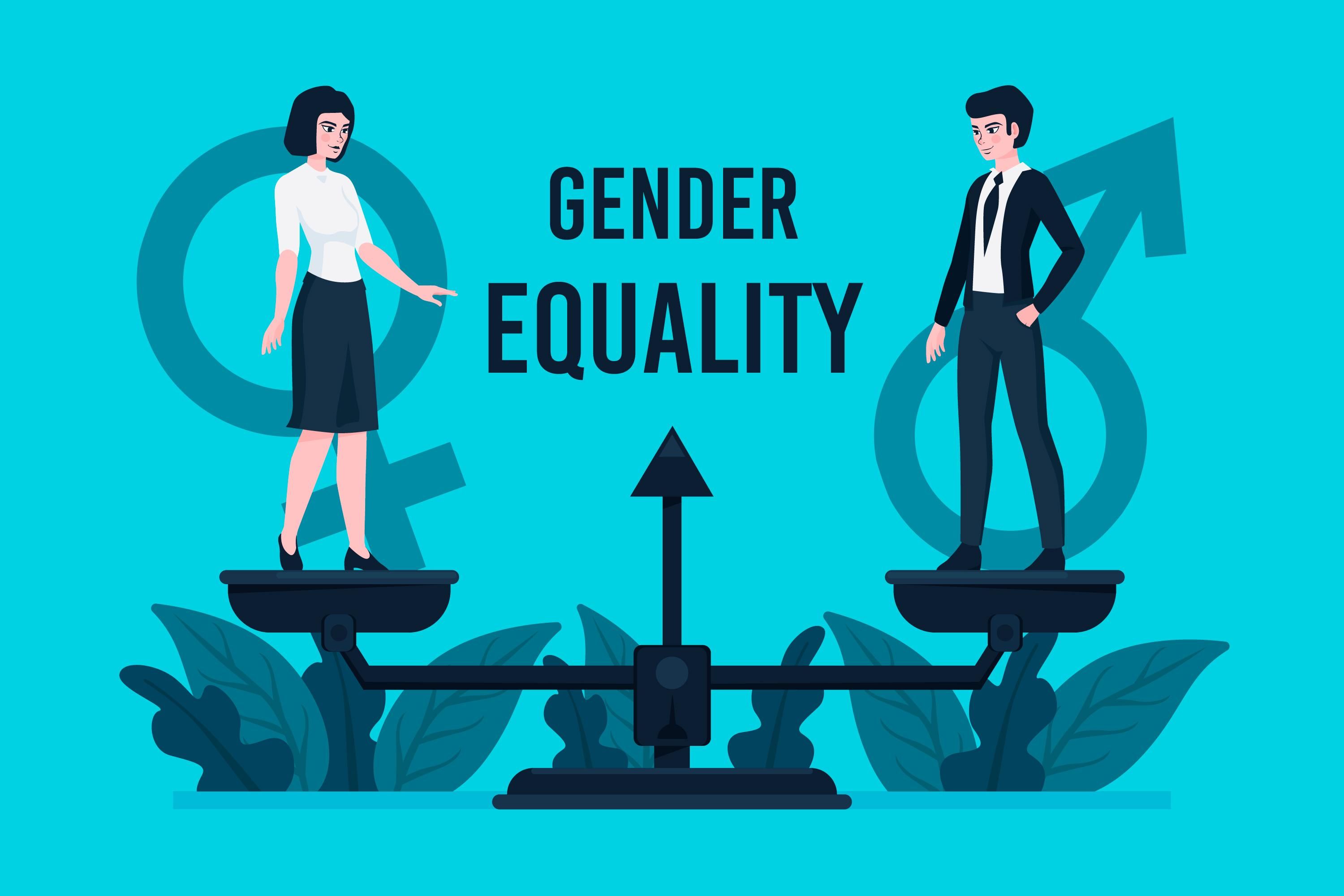
Marketing campaigns and design elements are primary vehicles for gendered messaging. Historically, advertising has relied heavily on gender stereotypes: women as homemakers and caregivers, men as breadwinners and authority figures. While there has been progress towards more diverse and nuanced representations, subtle biases can still persist.
For instance, the color palettes used in product packaging, the models chosen for advertisements, and the language employed in marketing copy can all subtly reinforce gendered expectations. Product placement can also be gendered, with certain categories of products being disproportionately advertised to men or women. This can limit consumer choice and perpetuate the idea that certain interests or needs are gender-specific.
Even the design of physical products can exhibit gender bias. Ergonomics, color options, and feature sets can sometimes be tailored with a presumed gender in mind, rather than a universal user. This can lead to products that are less functional or appealing to a broader range of individuals.
Case Studies and Reputation: The Cost of Exclusion
Examining case studies of brands that have either succeeded or failed in their attempts at inclusive marketing reveals the significant impact of gender on reputation. Brands that actively embrace diversity and inclusivity in their branding and marketing efforts often build stronger customer loyalty and a more positive public image. Conversely, brands that are perceived as discriminatory or out of touch with evolving societal norms risk alienating consumers, facing backlash, and suffering reputational damage.
The rise of social media has amplified the power of consumers to hold brands accountable. A single marketing misstep that perpetuates gender stereotypes can quickly go viral, leading to widespread criticism and a significant blow to a brand’s reputation. Companies that prioritize gender equality in their brand strategy and marketing are not only doing the right thing ethically but are also making a sound business decision.
Money and Gender Discrimination: Financial Opportunities, Income Gaps, and Investment Biases
The economic sphere is perhaps one of the most historically and persistently affected by gender discrimination. From personal finance to large-scale business finance, disparities in income, investment opportunities, and access to financial tools continue to highlight systemic gender biases.
Personal Finance and Online Income: The Gender Pay Gap and Side Hustles
The gender pay gap remains a significant issue globally. Women, on average, earn less than men for comparable work. This disparity impacts not only immediate financial well-being but also long-term financial security, including retirement savings. This gap influences everything from everyday budgeting to the ability to invest and build wealth.
The landscape of online income and side hustles, while offering new avenues for financial independence, can also reflect existing gender biases. Women may face unique challenges in certain online entrepreneurial spaces, such as the “gig economy,” where they might be undervalued for their services or targeted by harassment. However, online platforms also offer opportunities for women to build businesses and supplement their income in ways that might be more flexible and accessible than traditional employment. The key lies in ensuring these platforms are equitable and safe for all genders.
Investing and Financial Tools: Barriers to Entry and Risk Aversion
Historically, women have been less represented in the world of investing, often due to a combination of societal expectations, financial literacy gaps, and a lack of access to financial advice. This can lead to a situation where women have less wealth to invest and may be more risk-averse, further perpetuating wealth disparities.
Financial tools and platforms, while increasingly sophisticated, can also inadvertently present barriers. Investment advice might be delivered in a way that doesn’t resonate with female investors, or products might be designed with a presumed male investor in mind. The underrepresentation of women in financial advisory roles can also contribute to this issue. Encouraging financial literacy among women and ensuring that financial institutions develop inclusive products and services are crucial steps towards closing the investment gap.
Business Finance and Entrepreneurship: Funding Gaps and Venture Capital
The challenges for women in business finance and entrepreneurship are particularly stark when it comes to securing funding. Studies consistently show that women-led startups receive significantly less venture capital funding compared to those led by men. This funding gap can stifle innovation and prevent promising businesses from scaling.
Reasons for this disparity are complex and can include unconscious bias among investors, a lack of established networks for female entrepreneurs, and a tendency for investors to fund businesses that align with their own perceived market opportunities, which can be gender-biased. Addressing this requires conscious efforts from venture capitalists to diversify their portfolios and to actively seek out and support women-led ventures. Similarly, providing mentorship and networking opportunities specifically for female entrepreneurs can help to bridge this divide.

Conclusion: Towards a More Equitable Future
Understanding what discrimination of gender entails is the first step towards dismantling it. As we navigate the interconnected worlds of technology, branding, and finance, it becomes clear that gender bias is not an isolated social issue but a deeply embedded challenge that requires proactive and systemic solutions.
In the tech sector, this means prioritizing diversity in AI development, ensuring inclusive UI/UX design, and fostering equitable digital security measures. For brands, it involves challenging stereotypes in marketing and design, building authentic corporate identities, and understanding the reputational risks of exclusion. In the financial realm, it necessitates addressing the gender pay gap, promoting equitable investment opportunities, and ensuring fair access to financial tools and business finance.
By recognizing the pervasive nature of gender discrimination and actively working to create more inclusive and equitable systems within technology, branding, and finance, we can foster a future where opportunities are truly available to all, regardless of gender. This is not just a matter of fairness; it’s a necessity for innovation, economic growth, and the creation of a society where everyone can thrive.
aViewFromTheCave is a participant in the Amazon Services LLC Associates Program, an affiliate advertising program designed to provide a means for sites to earn advertising fees by advertising and linking to Amazon.com. Amazon, the Amazon logo, AmazonSupply, and the AmazonSupply logo are trademarks of Amazon.com, Inc. or its affiliates. As an Amazon Associate we earn affiliate commissions from qualifying purchases.