
The landscape of healthcare is constantly evolving, with new technologies, evolving patient needs, and shifting economic models influencing every aspect of the industry. Within this dynamic environment, the role of the Certified Nursing Assistant (CNA) remains a cornerstone of compassionate and effective patient care. While often perceived as a frontline caregiver, the CNA’s contribution extends far beyond basic assistance, touching upon crucial elements of patient well-being that resonate with broader themes of technology, brand perception, and financial sustainability within healthcare.
The CNA’s Core Responsibilities: More Than Just Basic Care
At its heart, a CNA job description centers on providing direct care to patients who are unable to perform daily activities for themselves. This encompasses a wide range of tasks, all aimed at ensuring the comfort, safety, and dignity of individuals under their care. These responsibilities can be categorized into several key areas, each crucial for a holistic approach to patient well-being.
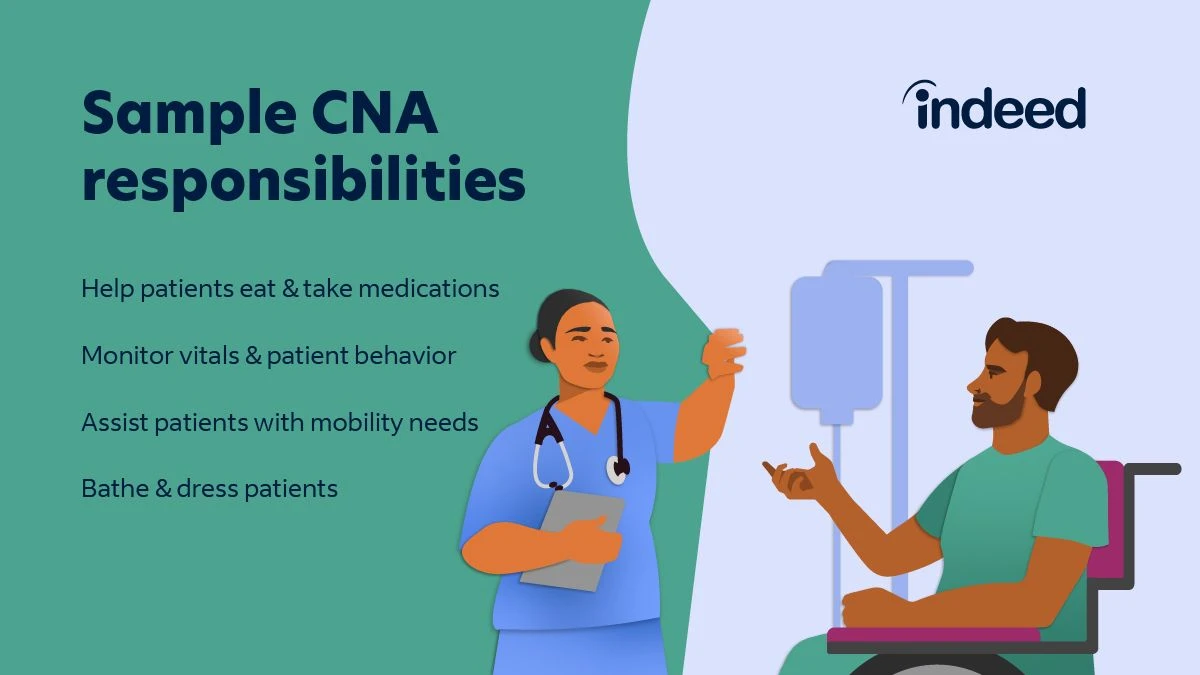
Assisting with Activities of Daily Living (ADLs)
This is perhaps the most visible aspect of a CNA’s work. ADLs are the fundamental tasks of everyday life that individuals perform independently. For patients who are ill, injured, elderly, or have disabilities, these tasks can become insurmountable challenges. CNAs step in to provide vital support.
- Personal Hygiene: This includes assisting with bathing, showering, oral care, grooming, and toileting. For many patients, these simple acts are essential for maintaining self-esteem and preventing complications like skin infections. The CNA’s sensitive and respectful approach to these personal tasks is paramount, fostering trust and a sense of dignity.
- Mobility and Transfer Assistance: CNAs help patients move from their beds to wheelchairs, assist with walking, and reposition them in bed to prevent pressure sores. This requires physical strength, proper body mechanics, and an understanding of safe transfer techniques to protect both the patient and themselves from injury.
- Feeding and Hydration: For patients who have difficulty eating or drinking independently, CNAs provide assistance with meals, ensuring they receive adequate nutrition and hydration. This might involve preparing food, cutting it into manageable pieces, or assisting with feeding. CNAs also monitor food and fluid intake, reporting any significant changes to the nursing staff.
- Dressing and Undressing: CNAs help patients choose appropriate clothing and assist them in getting dressed and undressed, considering their comfort and any physical limitations.
Monitoring and Reporting Patient Status
Beyond direct physical assistance, CNAs play a critical role in observing and reporting changes in a patient’s condition. This vigilance is essential for early detection of potential problems and for informing the healthcare team’s treatment plans.
- Vital Signs Monitoring: CNAs are often responsible for taking and recording vital signs, including temperature, pulse, respiration rate, and blood pressure. Accurate measurement and timely reporting of any deviations from normal are crucial for identifying subtle signs of deterioration or improvement.
- Observing for Changes: CNAs are on the front lines, witnessing patients’ behavior, mood, and physical symptoms throughout the day. They are trained to observe for subtle changes such as increased pain, confusion, changes in appetite, skin condition, or unusual discharge. This observational skill is invaluable, as CNAs can often pick up on issues before they become apparent to nurses or physicians.
- Documenting Observations: Accurate and concise documentation of observations is a key responsibility. This written record provides a continuous picture of the patient’s status and serves as a vital communication tool among the healthcare team.
Supporting the Healthcare Team and Patient Environment
The CNA’s role is integrated within a larger healthcare ecosystem. They work collaboratively with registered nurses (RNs) and licensed practical nurses (LPNs), acting as their eyes and ears and freeing them up to focus on more complex medical tasks. Furthermore, they contribute to maintaining a safe and clean environment.
- Communication with Nurses: CNAs are the primary communicators of patient status to the nursing staff. They report changes, concerns, and any incidents that occur. This clear and timely communication ensures that patients receive appropriate and timely interventions.
- Maintaining a Safe and Clean Environment: This includes ensuring patient rooms are clean and tidy, disposing of waste properly, and reporting any safety hazards such as spills or malfunctioning equipment. A safe and comfortable environment is fundamental to patient recovery and well-being.
- Assisting with Treatments and Procedures: While not performing medical procedures themselves, CNAs may assist nurses by gathering supplies, positioning patients for treatments, or providing comfort and reassurance during procedures.
The Evolving Landscape: Technology’s Impact on the CNA Role
The “Tech” pillar of this website is highly relevant to understanding the modern CNA job. Technology is not replacing human caregivers but rather augmenting their capabilities and improving the efficiency and effectiveness of care delivery.
Digital Tools for Enhanced Care and Efficiency
The days of solely relying on paper charts are rapidly fading. CNAs are increasingly interacting with digital tools that streamline their workflows and enhance patient monitoring.
- Electronic Health Records (EHRs): CNAs use tablets or computers to access patient information, record vital signs, document care provided, and log observations directly into the EHR system. This improves accuracy, reduces redundancy, and ensures that patient data is readily accessible to the entire care team.
- Communication Apps: Secure messaging and communication platforms allow CNAs to quickly and efficiently communicate with nurses and other team members, facilitating faster responses to patient needs.
- Wearable Devices and Remote Monitoring: In some settings, wearable devices can monitor patient activity, heart rate, and even detect falls. CNAs may be involved in ensuring these devices are functioning correctly and reporting any alerts they generate.
AI and Data Analytics in Patient Care
Artificial intelligence (AI) and data analytics are beginning to play a more significant role in healthcare, and CNAs are indirectly benefiting from these advancements.
- Predictive Analytics for Patient Risk: AI algorithms can analyze patient data to identify individuals at higher risk for falls, infections, or other complications. This allows for proactive interventions and personalized care plans, which CNAs then help to implement.
- AI-Powered Documentation Assistance: While AI won’t write the entire documentation, it can assist CNAs by transcribing spoken notes or suggesting relevant details based on observed symptoms, saving valuable time.
- Robotics in Healthcare: While robots are unlikely to replace the human touch of a CNA, they may assist with tasks like delivering supplies, disinfecting rooms, or even providing basic mobility support, freeing up CNAs for more direct patient interaction.
The integration of technology does not diminish the CNA’s importance; rather, it elevates their role by providing them with more data-driven insights and tools to deliver superior care. It transforms them from simply task-doers to integral members of a technologically supported care team.
The CNA’s Impact on Healthcare Branding and Patient Perception
The “Brand” pillar of this website also holds significant relevance when considering the CNA job. The quality of care provided by CNAs directly influences the reputation and brand of any healthcare facility.
The Human Face of Healthcare: Building Trust and Reputation
In a sector often perceived as impersonal, the CNAs are frequently the individuals with whom patients and their families have the most consistent and direct interaction. Their demeanor, empathy, and competence significantly shape the patient experience.
- First Impressions and Lasting Memories: For many patients, the CNA is the first point of contact and the most consistent presence during their stay. A kind word, a helping hand, and a genuine smile can create a positive first impression and leave a lasting positive memory.
- Empathy and Compassion as Brand Pillars: The emotional support and genuine care provided by CNAs are intangible but incredibly valuable components of a healthcare brand. When patients feel heard, respected, and cared for, they are more likely to have a positive perception of the institution.
- Building Patient Loyalty and Satisfaction: A positive experience with CNAs directly contributes to higher patient satisfaction scores. Satisfied patients are more likely to recommend a facility to others, contributing to positive word-of-mouth marketing and strengthening the healthcare provider’s brand.
The CNA as a Brand Ambassador
Every interaction a CNA has is an opportunity to represent the values and mission of their employer. Their professionalism and dedication speak volumes about the quality of care offered.
- Professionalism and Ethical Conduct: Maintaining a professional attitude, respecting patient privacy, and adhering to ethical guidelines are crucial. These actions reflect positively on the individual CNA and, by extension, on the entire organization.
- Effective Communication: Clear and empathetic communication with patients, families, and colleagues is a hallmark of excellent service. This fosters trust and demonstrates a commitment to patient-centered care, which is a key differentiator in the healthcare market.
- The CNA’s Role in Crisis and Recovery: During times of stress or illness, the CNA’s calm presence and reassuring demeanor can be invaluable. Their ability to de-escalate anxiety and provide comfort directly impacts the patient’s perception of the facility’s ability to handle challenging situations.
The consistent delivery of high-quality, compassionate care by CNAs is not merely about patient well-being; it’s about building and maintaining a strong, trusted brand in the competitive healthcare landscape.
The Financial Implications of the CNA Role
The “Money” pillar of this website highlights the economic realities surrounding healthcare, and the CNA profession is no exception. Understanding the financial aspects is crucial for both individuals considering this career path and for healthcare institutions managing their operations.
The CNA as a Cost-Effective Care Provider
CNAs provide essential care at a more accessible cost point compared to higher-level nursing staff. This makes them a vital component of efficient healthcare delivery.
- Maximizing Healthcare Budgets: By performing many of the foundational care tasks, CNAs allow RNs and LPNs to focus on more specialized medical duties. This delegation of tasks optimizes the utilization of healthcare resources and can contribute to significant cost savings for healthcare facilities.
- Enabling Access to Care: The availability of CNAs can make healthcare services more accessible and affordable. In long-term care facilities, home healthcare agencies, and hospitals, their presence ensures that patients receive the necessary support without incurring exorbitant costs.
- Preventing Costly Complications: Proactive care provided by CNAs, such as regular repositioning to prevent bedsores or close monitoring of vital signs, can prevent costly medical complications that would require more intensive and expensive interventions.
Career Path and Earning Potential for CNAs
For individuals, a CNA job can be an entry point into the healthcare industry with a clear path for advancement and a steady income.
- Entry-Level Opportunity: CNA training programs are typically shorter and more affordable than those for other healthcare professions, making it an accessible career for many.
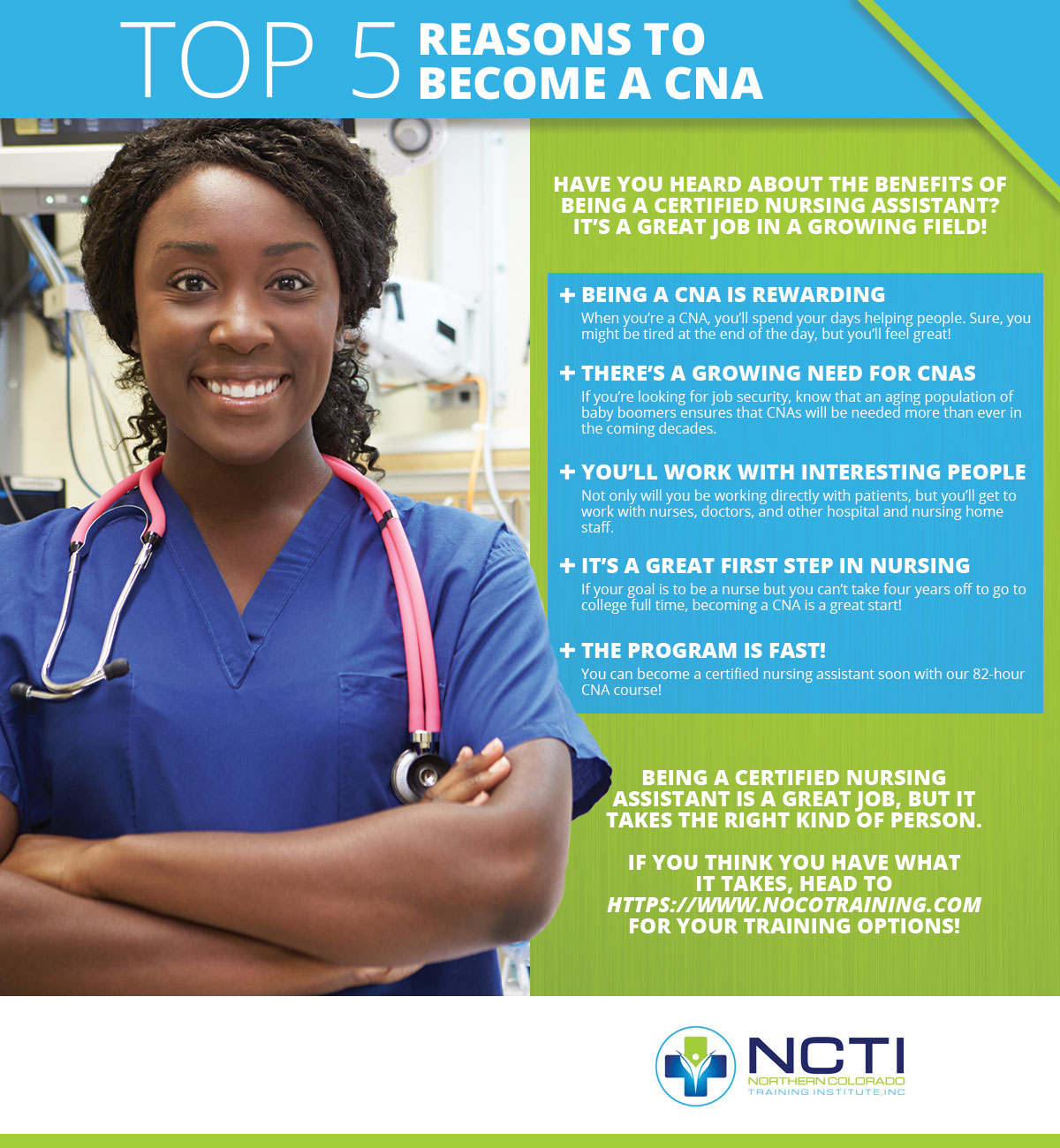
- Stable Employment and Demand: The demand for CNAs is consistently high due to an aging population and the growing need for healthcare services. This translates to stable employment opportunities across various healthcare settings.
- Foundation for Further Education: A CNA certification can serve as a valuable stepping stone for individuals aspiring to become LPNs or RNs. The hands-on experience gained as a CNA provides a strong foundation and understanding of patient care, which is highly beneficial in advanced nursing programs.
Financial Considerations for Healthcare Providers
Healthcare institutions must carefully manage their staffing and operational costs. The effective deployment and retention of CNAs are integral to their financial health.
- Staffing Models and Efficiency: Implementing efficient staffing models that leverage the skills of CNAs can improve operational efficiency and reduce overall labor costs.
- Investing in CNA Training and Retention: While CNAs represent a cost, investing in their training, providing competitive wages, and fostering a supportive work environment can lead to higher retention rates. This reduces recruitment and training expenses and ensures a skilled and experienced workforce.
- The Economic Value of Quality Care: Ultimately, the quality of care provided by CNAs contributes to better patient outcomes, reduced readmission rates, and enhanced patient satisfaction – all of which have positive financial implications for healthcare organizations through improved reputation and potentially higher reimbursement rates.

Conclusion: The Indispensable Role of the CNA
In conclusion, the CNA job is a multifaceted and essential role within the modern healthcare system. Far from being a simple caregiver, the CNA is a vital link in the chain of patient well-being, bridging the gap between complex medical interventions and the fundamental human need for comfort, dignity, and support.
As we’ve explored through the lens of technology, brand building, and financial sustainability, the CNA’s impact is far-reaching. They are the human embodiment of compassionate care, directly influencing the brand perception of healthcare institutions. Their diligent monitoring and assistance contribute to preventing costly complications, thereby playing a crucial role in the financial health of the healthcare sector. Furthermore, they are increasingly leveraging technology to enhance their effectiveness, demonstrating their adaptability and integral role in a forward-thinking healthcare environment. The demand for skilled and compassionate CNAs is set to continue to grow, making it a rewarding and stable career path for those dedicated to making a tangible difference in the lives of others.
aViewFromTheCave is a participant in the Amazon Services LLC Associates Program, an affiliate advertising program designed to provide a means for sites to earn advertising fees by advertising and linking to Amazon.com. Amazon, the Amazon logo, AmazonSupply, and the AmazonSupply logo are trademarks of Amazon.com, Inc. or its affiliates. As an Amazon Associate we earn affiliate commissions from qualifying purchases.