
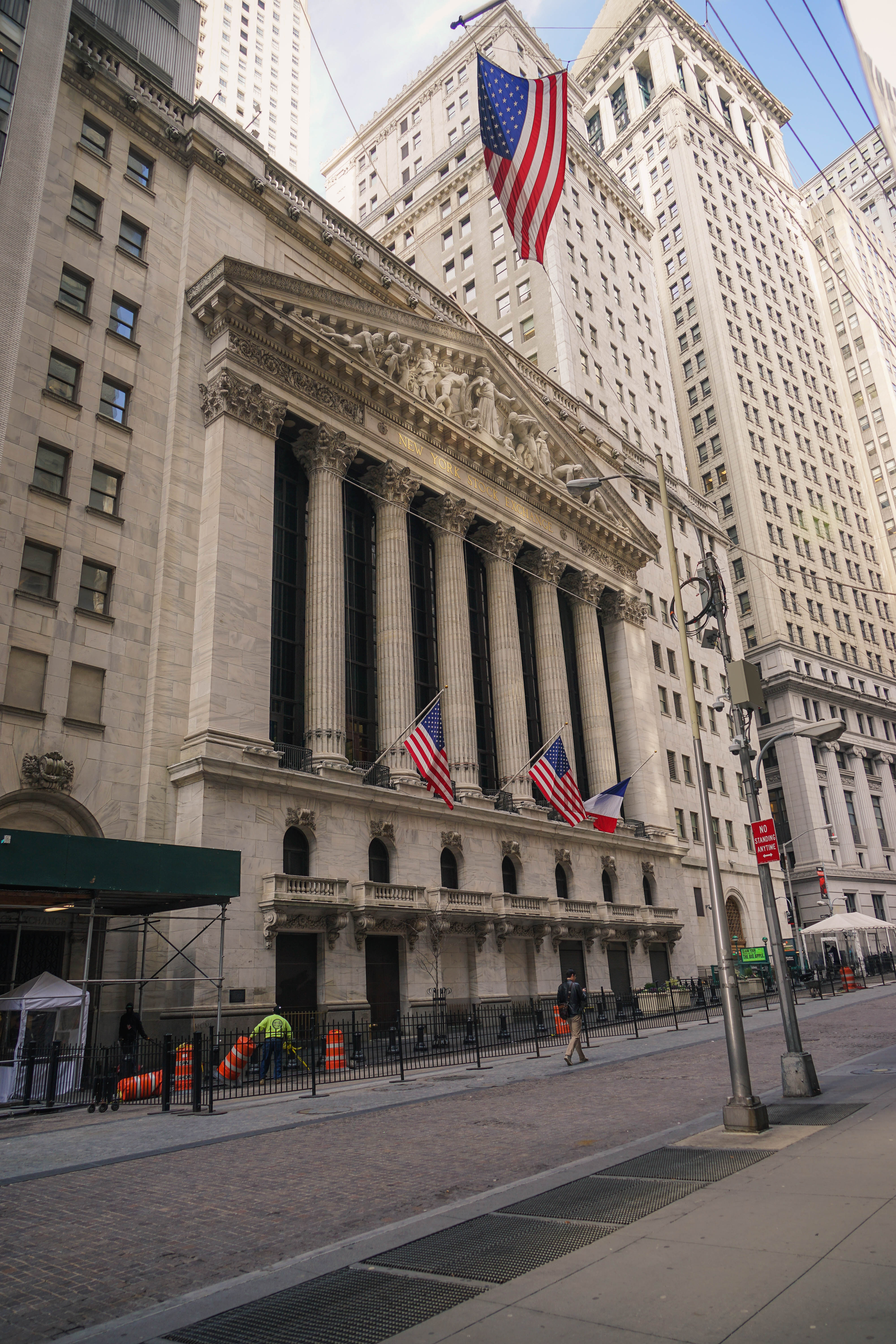
The New York Stock Exchange (NYSE), often referred to as the “Big Board,” serves as the epicenter of global finance. For individual investors, day traders, and institutional fund managers alike, the operating hours of this institution dictate the rhythm of the financial world. Understanding when the NYSE is open is not merely about knowing a set of clock times; it is about understanding liquidity, volatility, and the strategic windows that can make or break an investment portfolio. In the modern era of 24/7 digital connectivity, the NYSE maintains a structured schedule that provides a necessary framework for price discovery and market stability.
Understanding the Standard Trading Session
The standard operating hours of the New York Stock Exchange are designed to concentrate liquidity, ensuring that buyers and sellers can execute trades efficiently. While digital assets and some foreign exchanges operate on different timelines, the NYSE adheres to a strict schedule based on Eastern Time (ET).
The Core Hours: 9:30 AM to 4:00 PM ET
The official trading day for the NYSE begins at 9:30 AM ET and concludes at 4:00 PM ET, Monday through Friday. During these six and a half hours, the vast majority of stock market volume occurs. This window is characterized by the presence of designated market makers (DMMs) and high-frequency trading algorithms that ensure the “bid-ask spread”—the difference between what a buyer is willing to pay and what a seller is willing to accept—remains narrow.
For the personal investor, these hours represent the safest time to execute trades. Because the volume of shares being traded is at its peak, prices are generally more stable and reflective of the true market value. Trading outside these hours often involves “thin” markets, where a single large order can cause disproportionate swings in a stock’s price.
The Annual Holiday Schedule
The NYSE does not operate every day of the workweek. It observes nine major federal holidays in the United States, during which the exchange is completely closed. Investors must plan their liquidity needs around these dates, as they can create long weekends that often lead to increased volatility either before or after the closure.
The typical holiday schedule includes:
-
New Year’s Day
-
Martin Luther King, Jr. Day
-
Washington’s Birthday (Presidents’ Day)
-
Good Friday
-
Memorial Day
-
Juneteenth National Independence Day
-
Independence Day (July 4th)
-
Labor Day
-
Thanksgiving Day
-
Christmas Day
In addition to full closures, the NYSE occasionally observes early closings—typically at 1:00 PM ET—on the days preceding or following major holidays, such as the day after Thanksgiving or Christmas Eve. Monitoring the official NYSE calendar is a fundamental habit for any serious investor or business owner managing corporate treasury funds.
Navigating Extended Hours: Pre-Market and After-Hours Trading
While the “Opening Bell” at 9:30 AM is iconic, the reality of modern finance is that trading occurs long before and long after the physical floor on Wall Street is active. Electronic Communication Networks (ECNs) allow for extended-hours trading, which offers both opportunities and significant risks.
The Dynamics of Pre-Market Activity
The NYSE Arca system and other electronic exchanges allow for pre-market trading, which typically begins as early as 4:00 AM ET and runs until the official open at 9:30 AM. For the average retail investor, pre-market trading often becomes relevant around 7:00 AM or 8:00 AM ET when most major brokerage platforms begin allowing client access.
Pre-market trading is often driven by overnight news, such as geopolitical events, international market performance (specifically in Asia and Europe), or early morning economic data releases like the Consumer Price Index (CPI) or employment reports. Because the volume is lower than the standard session, the “price action” in the pre-market can be deceptive. A stock may jump 5% on low volume at 7:00 AM, only to see those gains evaporate within the first ten minutes of the standard session when the “big money” enters the fray.
The After-Hours Session and Earnings Season
After the closing bell rings at 4:00 PM ET, the after-hours session begins, typically lasting until 8:00 PM ET. This period is arguably the most volatile time for individual stocks, particularly during “earnings season.” Publicly traded companies usually release their quarterly financial results either before the market opens or after it closes to avoid disrupting the standard trading day.
When a major company like Apple or Microsoft releases an earnings report at 4:05 PM, the stock price can move violently in the after-hours market. Professional investors use this time to react immediately to new data. However, for the individual investor, the after-hours market requires extreme caution. The lack of liquidity means that “limit orders” are essential; using a “market order” during after-hours can result in a trade being executed at a price far worse than anticipated.

The Anatomy of a Trading Day: Peak Liquidity and Volatility
Successful investing is as much about when you trade as it is about what you buy. The six and a half hours of the standard NYSE session are not uniform; they have a distinct physiological cycle that savvy market participants exploit.
The Opening Bell and the First Hour
The period from 9:30 AM to 10:30 AM ET is often referred to as “the amateur hour,” though it is dominated by sophisticated algorithms. This is when the market price-corrects for all the news that occurred since the previous day’s close. Volatility is at its highest, and spreads can be wider.
Institutional investors often wait for the “opening cross,” a process where the exchange’s computers calculate the optimal price to clear all pending limit orders. For those focusing on long-term wealth building rather than day trading, it is often advisable to wait until the initial volatility subsides before entering a position. By 10:30 AM, the market has usually established a “trend” for the day, and the price action becomes more predictable.
The Midday Lull and the Closing Cross
From roughly 12:00 PM to 2:00 PM ET, the market often enters what traders call the “lunchtime lull.” During this window, trading volume typically drops as institutional traders in New York take breaks and the European markets begin to close. This is generally a period of consolidation. While it is a “safe” time to trade due to lower volatility, the lack of momentum can make it difficult for active traders to find profitable entries.
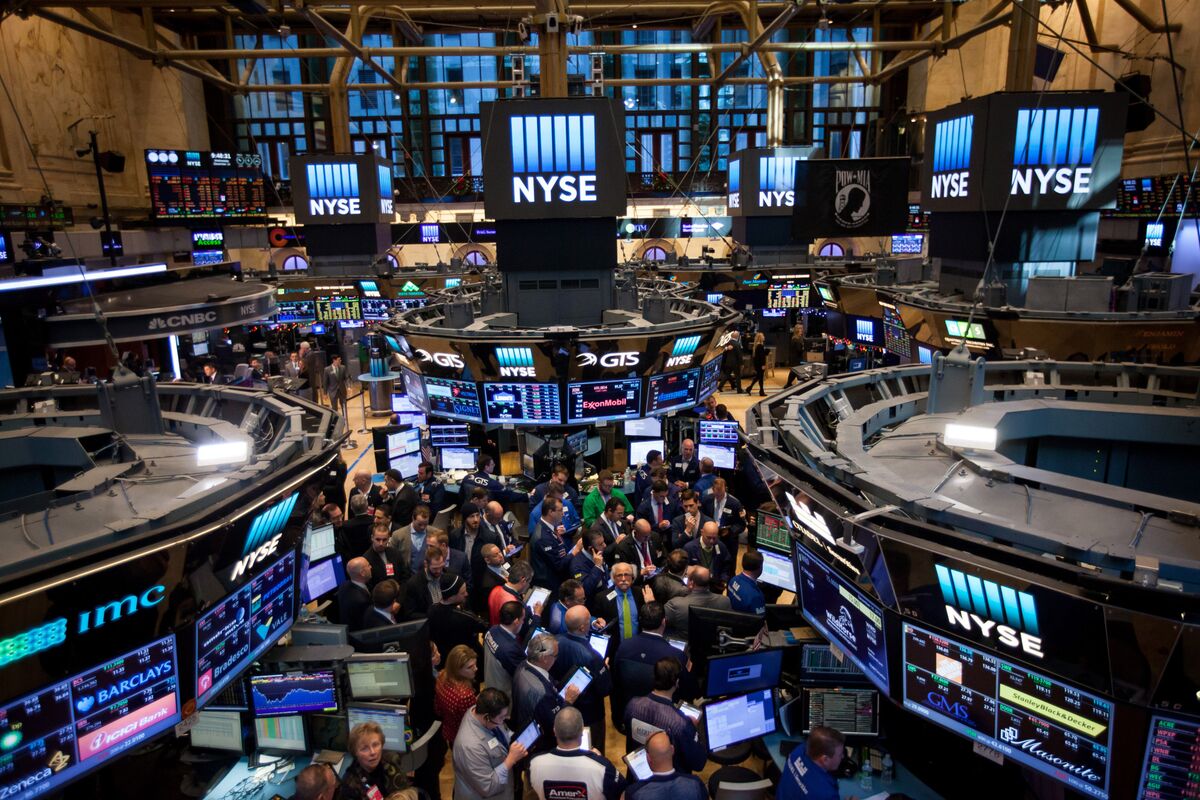
The intensity returns in the final hour, from 3:00 PM to 4:00 PM ET, often called “the power hour.” This is when fund managers rebalance their portfolios and prepare for the “closing cross.” The NYSE Closing Auction is a critically important event where the final price of the day is determined. Trillions of dollars in index funds and mutual funds are pegged to these closing prices. Understanding that the most significant volume occurs in the final minutes of the day helps investors understand why many stocks see sharp “spikes” or “dips” right at 4:00 PM.
Strategic Market Timing for Long-Term Investors
For those utilizing the stock market as a tool for personal finance and retirement planning, the specific hours of the NYSE are more about strategic planning than tactical execution.
Avoiding the Pitfalls of Low-Liquidity Periods
One of the most important rules in business finance and personal investing is to avoid trading when the “sharks” are the only ones in the water. This typically refers to the very early pre-market and the very late after-hours sessions. For a long-term investor, there is rarely a reason to execute a trade at 5:00 AM.
By sticking to the core hours, you ensure that your orders are filled at the most competitive prices. Furthermore, most financial tools and apps provide their most accurate data during the standard session. Real-time quotes are standard during the day, but some platforms may provide delayed or incomplete data during extended hours, leading to uninformed decision-making.
Time Zones and the Global Investor’s Perspective
If you are an investor living outside the Eastern Time Zone, the NYSE schedule requires careful management. A Californian investor must be ready at 6:30 AM local time to see the opening bell, while an investor in London will see the NYSE open at 2:30 PM local time.
This global synchronization is vital because the NYSE often sets the tone for other markets. When the NYSE is open, it attracts capital from every corner of the globe. Investors should also be aware of “quadruple witching” days—the third Friday of March, June, September, and December—when various derivative contracts expire simultaneously. On these days, the final hours of the NYSE session can see unprecedented volume and erratic price movements, regardless of the time zone.
Conclusion: Integrating Market Hours into Your Financial Framework
The New York Stock Exchange’s operating hours are the heartbeat of the financial system. For the individual looking to build wealth, these hours provide a structured window to interact with the world’s most successful companies. By respecting the standard session of 9:30 AM to 4:00 PM ET, recognizing the risks of extended-hours trading, and planning around the holiday calendar, you can approach the market with a professional level of discipline.
Whether you are managing a side hustle’s profits, overseeing corporate finance, or building a personal nest egg, the timing of your trades is a vital component of your financial strategy. The market rewards those who are not only right about their investments but also disciplined in their execution. Knowing when the “Big Board” is open is the first step in mastering the art of market participation.
aViewFromTheCave is a participant in the Amazon Services LLC Associates Program, an affiliate advertising program designed to provide a means for sites to earn advertising fees by advertising and linking to Amazon.com. Amazon, the Amazon logo, AmazonSupply, and the AmazonSupply logo are trademarks of Amazon.com, Inc. or its affiliates. As an Amazon Associate we earn affiliate commissions from qualifying purchases.