
For the modern investor, the clock is just as important as the ticker symbol. Whether you are a day trader looking to capitalize on intraday volatility or a long-term investor checking the value of your 401(k), knowing exactly when the market opens and closes is fundamental to financial success. In the United States, the heartbeat of the financial world is centered in New York City, governed by the operational hours of the New York Stock Exchange (NYSE) and the NASDAQ.
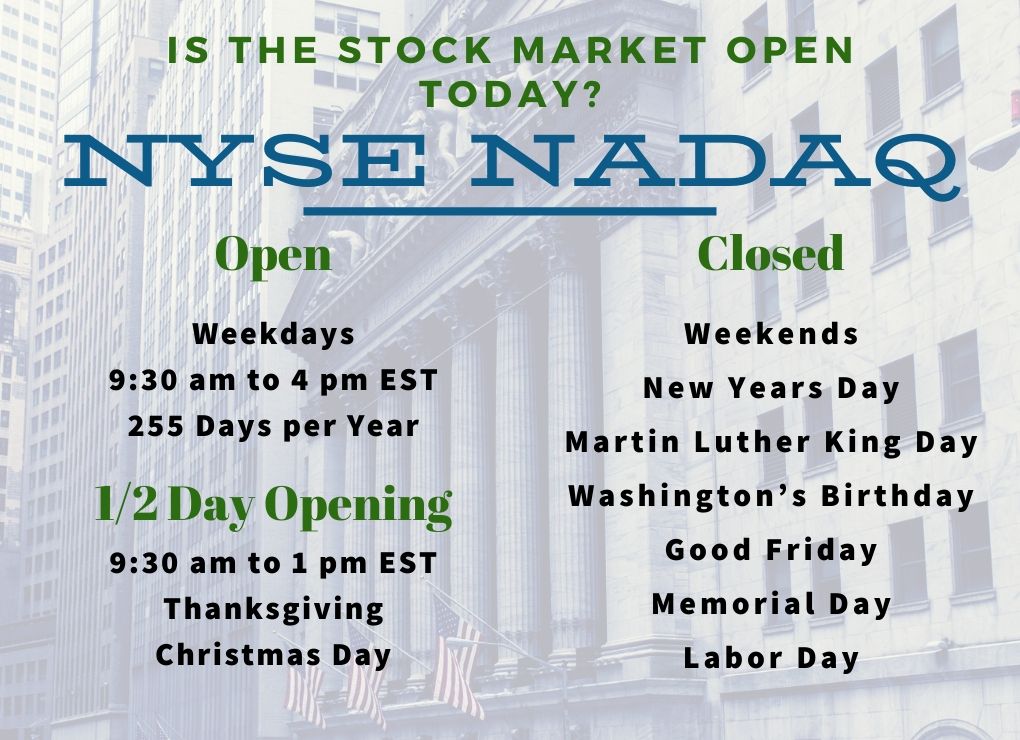
Standard trading hours for the U.S. stock market are from 9:30 AM to 4:00 PM Eastern Time (ET), Monday through Friday. However, the answer to “what time does the stock exchange close today” is often more nuanced than a simple four o’clock deadline. Market participants must navigate early closures, holiday schedules, and the increasingly popular extended-hours sessions that allow for trading long after the physical floor has cleared.
Understanding Standard Market Hours and the Closing Bell
The standard trading window from 9:30 AM to 4:00 PM ET is designed to concentrate liquidity. By narrowing the window in which the majority of participants trade, the exchange ensures that there are enough buyers and sellers to maintain a stable and efficient marketplace. This seven-and-a-half-hour window is where the highest volume of trading occurs, leading to tighter bid-ask spreads and more predictable price movements.
The Significance of the Closing Auction
The final minutes of the trading day are often the most frantic. At exactly 4:00 PM ET, the “Closing Bell” rings, but the work of the exchange is far from over. The NYSE and NASDAQ use a “Closing Auction” or “Closing Cross” to determine the official closing price of a security. This process aggregates all the buy and sell interest that has accumulated throughout the day specifically for the market close. This official price is critical because it is used by mutual funds to calculate their Net Asset Value (NAV) and by index providers to update benchmarks like the S&P 500.
Why Markets Don’t Stay Open 24/7
While the digital age allows for round-the-clock connectivity, the primary stock exchanges maintain fixed hours to prevent fragmentation. If trading were spread across 24 hours, the volume at any given moment would be lower, potentially leading to extreme volatility and “flash crashes.” Fixed hours allow institutional investors, market makers, and retail participants to interact in a high-density environment, which generally benefits the average investor through better price discovery.
Extended Hours Trading: Pre-Market and After-Hours Sessions
The official 4:00 PM close does not mean that trading stops. Through Electronic Communication Networks (ECNs), investors can participate in extended-hours trading. This is divided into two main segments: Pre-market trading and After-hours trading.
The Mechanics of After-Hours Trading
After-hours trading typically occurs from 4:00 PM to 8:00 PM ET. This session allows investors to react to news that breaks after the closing bell, such as corporate earnings reports, economic data releases, or geopolitical events. For example, if a major tech company reports record profits at 4:05 PM, its stock price may surge during the after-hours session before the next day’s regular open.
The Risks of Trading Outside Standard Hours
While the flexibility of trading until 8:00 PM is enticing, it comes with significant risks that the average investor must consider:
-
Lower Liquidity: There are far fewer participants trading at 6:30 PM than at 2:30 PM. This means it may be harder to buy or sell shares at your desired price.
-
Wider Spreads: Because there is less liquidity, the “spread” (the difference between what a buyer is willing to pay and what a seller is asking) can be much wider, leading to higher transaction costs.
-
Increased Volatility: With fewer shares being traded, a single large order can cause a disproportionate swing in a stock’s price.
-
Limit Orders Only: Most brokerage firms require the use of “limit orders” during extended hours to protect investors from these wild price swings.
Pre-Market Trading: The Early Bird Advantage
On the other side of the day, pre-market trading can begin as early as 4:00 AM ET, though most retail activity picks up around 8:00 AM. This session is frequently used by traders to position themselves ahead of the 9:30 AM open based on overseas market performance or overnight news.
The Impact of Holidays and Early Closures

If you are asking what time the market closes “today,” you must also account for the calendar. The U.S. stock market follows a strict holiday schedule dictated by the Securities Industry and Financial Markets Association (SIFMA) and the exchanges themselves.
Standard Market Holidays
The stock exchange is closed on several major U.S. holidays, including:
-
New Year’s Day
-
Martin Luther King, Jr. Day
-
Presidents’ Day
-
Good Friday
-
Memorial Day
-
Juneteenth National Independence Day
-
Independence Day (July 4th)
-
Labor Day
-
Thanksgiving Day
-
Christmas Day
When a holiday falls on a Saturday, the market is typically closed on the preceding Friday. If a holiday falls on a Sunday, the market is closed on the following Monday.
Early Closure Days
There are specific days of the year when the market closes early, typically at 1:00 PM ET. These usually occur on the day after Thanksgiving (Black Friday) and on Christmas Eve (if it falls on a weekday). On these days, the volume is generally light as many professional traders take time off, which can lead to unusual market behavior. It is vital for investors to check the specific annual schedule to avoid being caught off guard by a mid-day shutdown.
Global Market Hours: Trading Across Different Time Zones
Investing in the 21st century is a global endeavor. If the U.S. markets are closed, opportunities may still be open in other parts of the world. Understanding the “Follow the Sun” model of global finance allows for a broader perspective on market movements.
The European and Asian Sessions
As the U.S. market is winding down, markets in Asia are preparing to open.
-
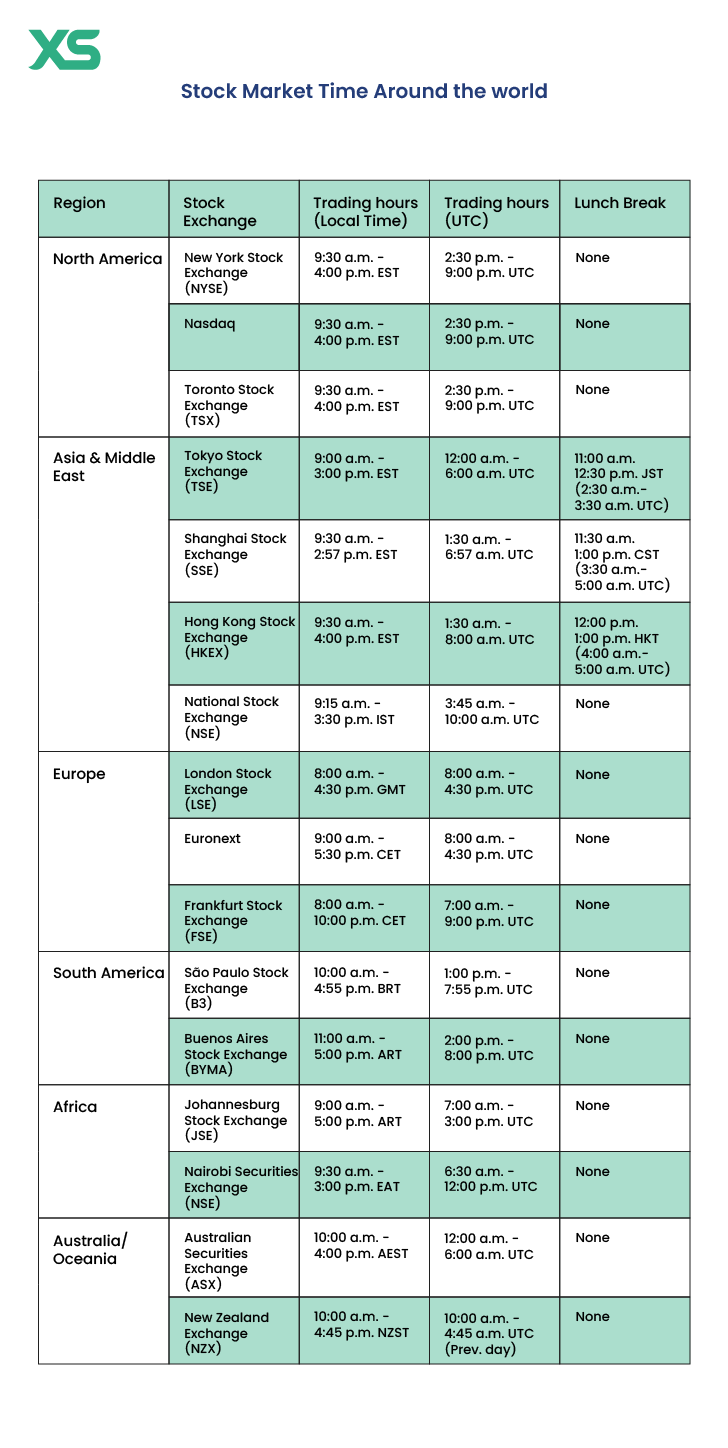
London Stock Exchange (LSE): Operates from 8:00 AM to 4:30 PM local time (GMT/BST). For an investor in New York, the London market is open from 3:00 AM to 11:30 AM ET.
-
Tokyo Stock Exchange (TSE): Operates from 9:00 AM to 3:00 PM local time, with a lunch break between 11:30 AM and 12:30 PM.
-
Hong Kong Stock Exchange (HKEX): Operates from 9:30 AM to 4:00 PM local time, also with a mid-day break.
The Interconnectedness of Global Hours
The closing price in one region often sets the tone for the opening price in another. For instance, if the Hang Seng index in Hong Kong closes significantly lower due to regional economic concerns, it often triggers a lower “gap down” opening for the S&P 500 in the United States. Modern investors often monitor the “futures” market, which trades nearly 24 hours a day, 5 days a week, to gauge how the market will open based on these international movements.
Strategic Timing: Why the Closing Bell Matters for Your Portfolio
Knowing when the market closes is more than just a matter of logistics; it is a matter of strategy. The timing of your trades within the day can have a measurable impact on your returns.
The Power Hour
The final hour of trading, from 3:00 PM to 4:00 PM ET, is colloquially known as the “Power Hour.” This period often sees the highest volume of the day. Institutional investors, such as pension funds and hedge funds, frequently execute large block trades during this window to ensure they receive a price close to the day’s official settlement. For retail investors, the Power Hour can be a time of extreme opportunity or extreme risk, as price trends established earlier in the day are either confirmed or aggressively reversed.
The Risks of “Trading the Open” vs. “Trading the Close”
The first 30 minutes of the day (9:30 AM – 10:00 AM) and the last 30 minutes (3:30 PM – 4:00 PM) are characterized by high volatility. Many professional advisors suggest that casual investors avoid trading during these windows. Instead, waiting for the “mid-day lull” (typically between 11:00 AM and 2:00 PM) can provide a more stable environment where price movements are more reflective of the day’s true sentiment rather than reactionary swings.
Market Orders vs. Limit Orders at the Close
If you are placing a trade near the 4:00 PM close, the type of order you use is paramount. A “market order” will execute immediately at the best available price, but in the final seconds of trading, that price could jump significantly. A “limit order” ensures you do not pay more (or receive less) than a specific price, providing a safety net during the closing auction’s volatility.
In summary, while the stock exchange usually closes at 4:00 PM ET today, the ecosystem surrounding that closure is vast. By understanding the nuances of standard hours, extended sessions, holiday schedules, and the strategic importance of the closing bell, you can better navigate the complexities of the financial markets and make more informed decisions for your financial future. Whether you are checking the clock to squeeze in one last trade or preparing for the next day’s open, timing remains one of the most powerful tools in an investor’s arsenal.
aViewFromTheCave is a participant in the Amazon Services LLC Associates Program, an affiliate advertising program designed to provide a means for sites to earn advertising fees by advertising and linking to Amazon.com. Amazon, the Amazon logo, AmazonSupply, and the AmazonSupply logo are trademarks of Amazon.com, Inc. or its affiliates. As an Amazon Associate we earn affiliate commissions from qualifying purchases.