
For the modern investor, the concept of time is as critical as capital itself. While the digital age has fostered an environment where information flows 24/7, the actual buying and selling of equities still largely adheres to a structured schedule dictated by global exchanges. Understanding these operating hours is not merely a matter of knowing when to log into a brokerage account; it is a fundamental pillar of strategic execution, risk management, and liquidity analysis. Whether you are a long-term value investor or a tactical swing trader, the rhythm of the market—its opening bells, mid-day lulls, and closing crosses—defines the landscape of opportunity.
The Standard Trading Day: A Global Overview
The primary trading session, often referred to as “regular hours,” is the window during which the highest volume of trading occurs. For the vast majority of retail investors, this is the safest and most efficient time to interact with the market.
The United States: NYSE and NASDAQ
In the United States, the two largest exchanges—the New York Stock Exchange (NYSE) and the NASDAQ—operate on a synchronized schedule. They open at 9:30 AM Eastern Time (ET) and close at 4:00 PM ET, Monday through Friday. This 6.5-hour window is the heartbeat of global finance. It is during these hours that institutional investors, hedge funds, and retail traders converge, providing the liquidity necessary to ensure tight bid-ask spreads and efficient price discovery.
European Markets: London and Beyond
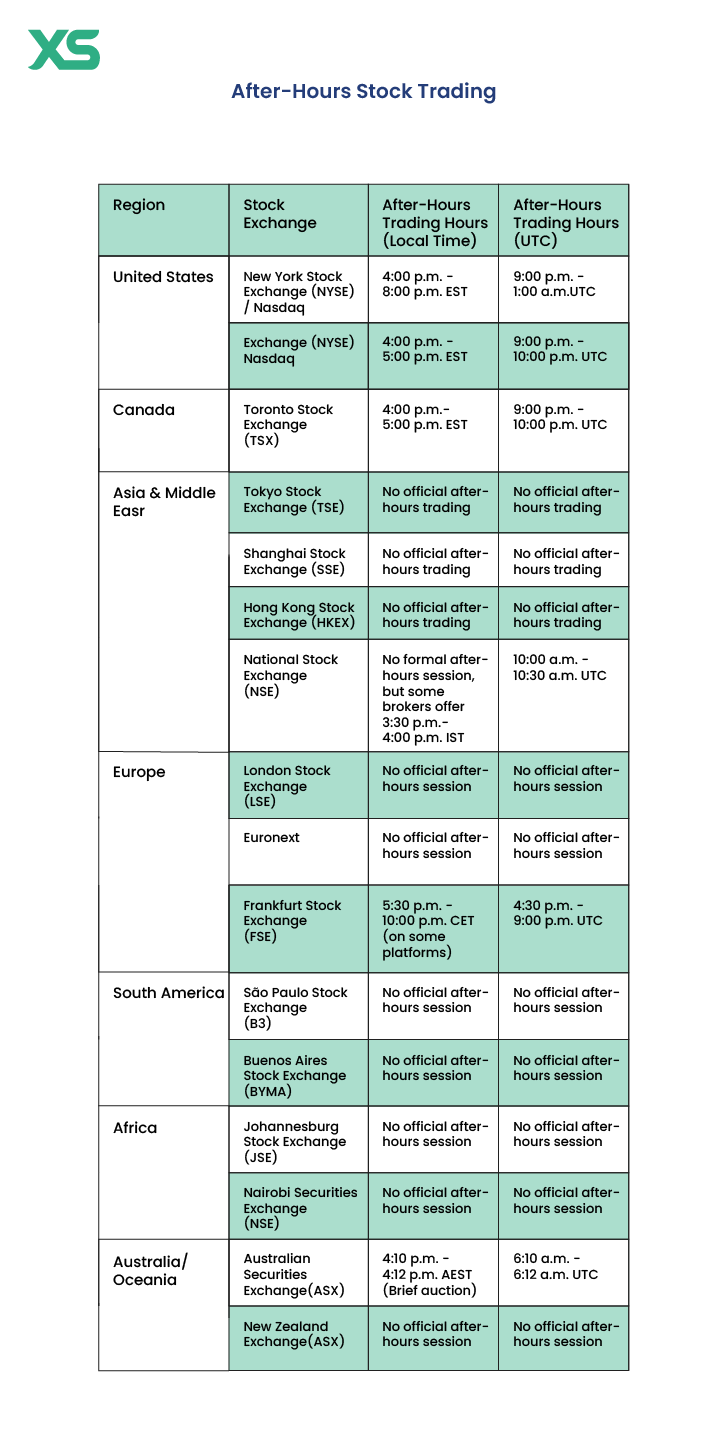
Across the Atlantic, European markets follow a different cadence. The London Stock Exchange (LSE), for instance, opens at 8:00 AM local time and closes at 4:30 PM. Other major European hubs, such as the Euronext Paris and the Frankfurt Stock Exchange (DAX), typically operate between 9:00 AM and 5:30 PM Central European Time. Because of the time zone difference, there is a significant overlap between the European afternoon and the US morning, often leading to a spike in volatility and volume around 9:30 AM ET as both continents trade simultaneously.
Asian Markets and the Mid-Day Break
Asian markets present a unique structure, as many include a scheduled lunch break where trading halts entirely. The Tokyo Stock Exchange (TSE) operates from 9:00 AM to 11:30 AM, followed by a one-hour lunch break, and resumes from 12:30 PM to 3:00 PM local time. Similarly, the Hong Kong Stock Exchange (HKEX) and the Shanghai Stock Exchange (SSE) feature mid-day pauses. For global investors, the Asian session is critical as it sets the tone for the trading day in Europe and the US, reflecting the overnight reaction to global news.
Navigating the Extended Sessions: Pre-Market and After-Hours Trading
While the “regular” hours are the most active, the stock market does not truly sleep. Electronic Communication Networks (ECNs) allow for trading outside of standard exchange hours. This is known as extended-hours trading, divided into the pre-market and the after-hours sessions.
The Pre-Market Session
In the US, pre-market trading can begin as early as 4:00 AM ET, though the bulk of the activity occurs after 8:00 AM. This session is primarily used by investors to react to overnight news, such as international economic data, geopolitical events, or early-morning earnings releases. However, trading during this time comes with significant caveats. Liquidity is substantially lower than during regular hours, meaning that a single large order can cause disproportionate price swings.
The After-Hours Session
The after-hours session begins immediately following the 4:00 PM ET close and typically runs until 8:00 PM ET. This is arguably the most volatile period for individual stocks, as most publicly traded companies release their quarterly earnings reports shortly after the closing bell. When a company misses revenue expectations or provides weak guidance, the stock price can move 10% or 20% in a matter of minutes. Professional traders use this session to capitalize on these rapid shifts, but for the average investor, the wide spreads and lack of price protection can be hazardous.
Risks and Mechanics of Extended Hours
Trading outside standard hours requires a different approach. Most brokerages require the use of “limit orders” rather than “market orders” to protect investors from unfavorable prices caused by low volume. Furthermore, the price a stock reaches at 6:00 PM in the after-hours may not reflect where it opens at 9:30 AM the next morning. New information can emerge overnight, or the broader market sentiment can shift, rendering the extended-hours price movement temporary or “noise.”
The Intraday Lifecycle: Volatility, Liquidity, and the “Power Hour”
A trading day is not a monolithic block of time; it has a distinct lifecycle. Experienced investors categorize the day into specific phases, each characterized by different levels of institutional activity and psychological sentiment.

The Opening Cross and the First Hour
The first 30 to 60 minutes after the 9:30 AM open are often the most volatile. This period is defined by “price discovery,” where the market digests all the news, earnings, and global events that occurred since the previous day’s close. Institutional “smart money” often waits for the initial retail frenzy to settle before committing large sums of capital. For many disciplined investors, the rule is to observe the first half-hour without trading, as the high volatility can trigger stop-losses prematurely.
The Mid-Day Lull
From roughly 11:30 AM to 2:00 PM ET, the market often enters a “lull.” Volume tends to drop as floor traders and institutional desk managers take lunch breaks. During this time, price action can become aimless or “choppy.” Large institutions avoid executing massive block trades during this window because the lack of liquidity makes it difficult to move positions without significantly impacting the price.
The “Power Hour” and the Closing Cross
The final hour of trading, from 3:00 PM to 4:00 PM ET, is colloquially known as the “Power Hour.” This is when volatility ramps up again. Fund managers rebalance their portfolios, and day traders close out their positions to avoid overnight risk. The final few minutes lead into the “Closing Cross,” a specialized auction process that determines the official closing price of a security. This price is vital because it is used to calculate the Net Asset Value (NAV) of mutual funds and serves as the benchmark for technical analysis.
Market Holidays and Special Schedules
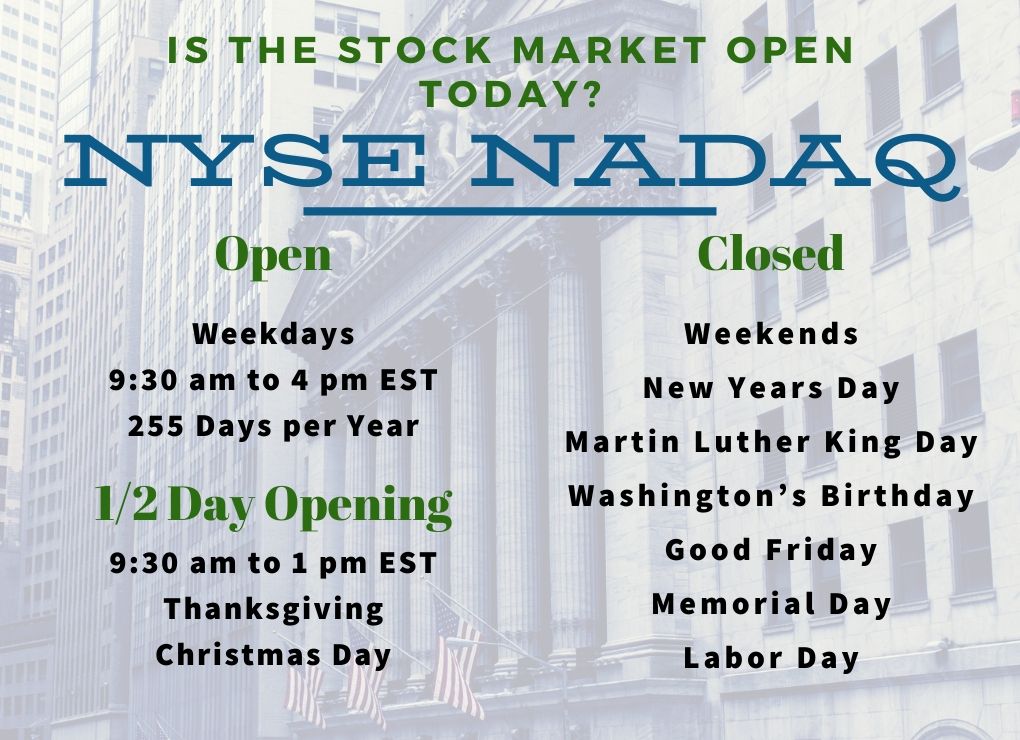
Understanding when the market is closed is just as important as knowing when it is open. Stock markets do not operate on weekends, and they observe specific national holidays.
Standard US Market Holidays
In the United States, the NYSE and NASDAQ are closed for several major holidays, including:
-
New Year’s Day
-
Martin Luther King, Jr. Day
-
Presidents’ Day
-
Good Friday
-
Memorial Day
-
Juneteenth National Independence Day
-
Independence Day (July 4th)
-
Labor Day
-
Thanksgiving Day
-
Christmas Day
Early Closures
There are also specific days when the market closes early, typically at 1:00 PM ET. These usually occur on the day after Thanksgiving (Black Friday) and sometimes on Christmas Eve or July 3rd, depending on which day of the week the holiday falls. Trading volume on these days is notoriously thin, and price action can be erratic, leading many professional firms to treat them as unofficial holidays.
The Impact of Time Zones on the Global Investor
For an investor based in London looking to trade US tech stocks, or a New York investor interested in Japanese manufacturing, time zone management is a logistical necessity. The interconnectedness of global finance means that a “close” in one market is often the catalyst for the “open” in another. This 24-hour cycle of capital flow means that while a specific exchange may close, the factors influencing your portfolio never stop moving.
Strategic Timing: When Should You Actually Trade?
Deciding when to enter or exit a position involves balancing the need for liquidity with the tolerance for volatility. There is no “perfect” time that suits every strategy, but there are frameworks that can guide decision-making.
For the Long-Term Investor
If your horizon is measured in years or decades, the exact minute you trade is less consequential. However, executing trades during regular hours—specifically mid-morning or mid-afternoon—is generally advisable. This ensures you are trading when liquidity is highest, which minimizes the “hidden cost” of the bid-ask spread. Avoiding the open and close can prevent you from getting caught in the emotional spikes of the crowd.
For the Income and Dividend Investor
Investors focused on income often look at the “Ex-Dividend Date.” While this is a calendar event rather than a clock event, the timing of the purchase relative to the market close is essential. To capture a dividend, an investor must own the shares before the market closes on the day prior to the ex-dividend date. Understanding the closing bell mechanics ensures that orders are filled in time to be recorded on the company’s books.
For the Active Trader and Side-Hustler
Those looking to generate short-term income through active trading often thrive on the volatility of the market open and the Power Hour. These windows provide the price movement necessary to capture quick gains. However, this requires a high degree of technological readiness and a firm grasp of market mechanics. For those managing a side hustle in trading while working a full-time job, the after-hours session or the early pre-market might be the only available windows, but they must be approached with extreme caution due to the risks mentioned previously.
Ultimately, the stock market’s operating hours provide a necessary structure to the chaotic world of global finance. By aligning your investment activities with these cycles, you can better manage your risk, ensure better execution prices, and maintain a disciplined approach to building wealth. Timing may not be everything in investing, but in the realm of the exchange, it is the framework upon which all success is built.
aViewFromTheCave is a participant in the Amazon Services LLC Associates Program, an affiliate advertising program designed to provide a means for sites to earn advertising fees by advertising and linking to Amazon.com. Amazon, the Amazon logo, AmazonSupply, and the AmazonSupply logo are trademarks of Amazon.com, Inc. or its affiliates. As an Amazon Associate we earn affiliate commissions from qualifying purchases.