
The quest to identify a “good” stock is the fundamental pursuit of every investor, from the retail novice to the institutional fund manager. However, the definition of a “good” stock is rarely static. It is a shifting target that depends heavily on an individual’s risk tolerance, time horizon, and the prevailing macroeconomic environment. A stock that is excellent for a twenty-something looking for aggressive growth may be a poor choice for a retiree seeking stable, quarterly income. To determine what stock is good, one must look beyond the daily price fluctuations and delve into a rigorous analysis of financial health, competitive advantages, and market positioning.

The Quantitative Lens: Mastering the Metrics
When determining if a stock is a viable investment, the first step is often a quantitative deep dive. Numbers do not tell the whole story, but they provide the framework upon which the narrative is built. A “good” stock typically exhibits strong fundamentals that suggest the company is not only profitable today but has the structural integrity to remain profitable in the future.
Earnings and Revenue Growth
At the core of a company’s value is its ability to generate profit. Investors look for consistent revenue growth over a three-to-five-year period. However, revenue is only half the battle. A “good” stock should also show “bottom-line” growth, or Earnings Per Share (EPS). If a company is growing its revenue but its expenses are rising even faster, it may be a sign of an inefficient business model. Consistent EPS growth indicates that a company is successfully scaling its operations and managing its costs.
Valuation Ratios
A great company is not always a great stock if the price is too high. Valuation ratios help investors understand how much they are paying for a piece of the company’s earnings. The most common metric is the Price-to-Earnings (P/E) ratio. A high P/E might suggest that the market expects massive future growth, while a low P/E might indicate that the stock is undervalued or that the company is facing significant headwinds.
Beyond the P/E ratio, savvy investors look at the Price-to-Earnings-to-Growth (PEG) ratio. This metric adjusts the P/E ratio by the company’s expected growth rate. A PEG ratio below 1.0 is often considered a sign that a stock is undervalued relative to its growth potential. Additionally, the Price-to-Sales (P/S) ratio and the Price-to-Book (P/B) ratio provide alternative perspectives, especially for companies that are not yet profitable or are heavy in tangible assets.
Financial Health and Solvency
A “good” stock is one backed by a company that can survive a recession. This is where the balance sheet comes into play. Investors should examine the Debt-to-Equity ratio to ensure the company isn’t over-leveraged. While debt can be a tool for growth, excessive debt can lead to bankruptcy if interest rates rise or revenues dip. Furthermore, looking at the Current Ratio—which compares current assets to current liabilities—gives insight into whether the company can meet its short-term obligations. A healthy company usually maintains a current ratio above 1.5, suggesting it has plenty of liquidity to navigate unforeseen challenges.
The Qualitative Edge: Finding the Economic Moat
While the numbers provide a snapshot of the past and present, qualitative analysis provides a window into the future. Warren Buffett famously coined the term “economic moat” to describe a company’s competitive advantage. A “good” stock is almost always protected by a wide moat that prevents competitors from eating away at its profit margins.
Brand Equity and Consumer Loyalty
A strong brand is one of the most powerful moats a company can possess. When consumers are willing to pay a premium for a product simply because of the logo on the box, the company gains significant pricing power. Pricing power is a vital trait of a good stock because it allows the company to pass on increased costs—such as those caused by inflation—to the consumer without losing market share. Companies with high brand equity often enjoy more predictable earnings and higher margins than their generic competitors.
Intellectual Property and High Switching Costs
In many sectors, particularly healthcare and technology, a good stock is defined by its intellectual property. Patents protect products from being copied, giving the company a legal monopoly for a set period. Similarly, “switching costs” create a moat by making it difficult or expensive for a customer to change to a competitor. For example, once an enterprise has integrated a specific software suite into its daily operations, the cost of retraining employees and migrating data to a new system is often so high that the company will continue to pay for the existing service even if prices rise.
The Network Effect
The network effect occurs when a product or service becomes more valuable as more people use it. This is a hallmark of many of the most successful stocks of the digital age. If everyone you know is on a specific social media platform or uses a specific payment processor, you are likely to use them too. This creates a virtuous cycle that makes it incredibly difficult for new entrants to gain traction, effectively locking in the market leader’s dominance.
Categorizing Stocks by Investor Profile
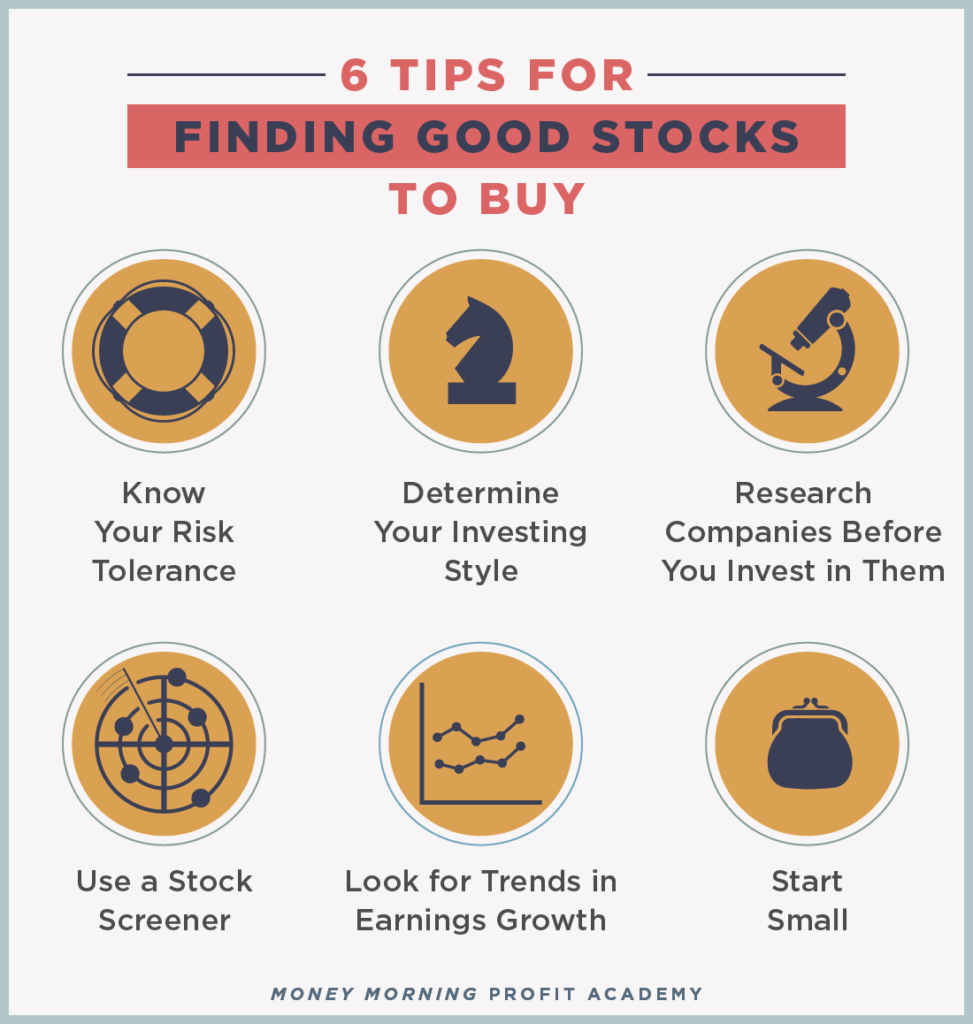
A stock is only “good” if it fits the specific needs of the person buying it. Investment strategies generally fall into three broad categories, each with its own definition of what makes a stock a winner.
Growth Stocks for the Aggressive Portfolio
Growth stocks are companies that are expected to grow at a rate significantly above the average for the market. These companies often reinvest all of their profits into research, development, and expansion, meaning they rarely pay dividends. For an aggressive investor, a good growth stock is one that is disrupting an industry or creating an entirely new market. The risk is higher, as these stocks are often volatile and trade at high valuations, but the potential for capital appreciation is immense.
Value Stocks for the Disciplined Contrarian
Value investing is the art of buying stocks that are trading for less than their intrinsic value. A value investor looks for companies that have been unfairly beaten down by the market due to temporary bad news or general market pessimism. A “good” value stock is one with a strong balance sheet and a clear path to recovery. These stocks often have low P/E ratios and high book values. The goal here is to buy a “dollar for eighty cents” and wait for the market to eventually recognize the company’s true worth.
Dividend Stocks for the Income-Focused Investor
For those seeking passive income, a good stock is one that pays a consistent and growing dividend. Investors in this category often look for “Dividend Aristocrats”—companies that have increased their dividend payments for at least 25 consecutive years. Here, the key metric is the Dividend Yield and the Payout Ratio. A payout ratio that is too high (above 80% for most industries) might suggest that the dividend is unsustainable. A good dividend stock offers a balance of a respectable yield and the financial stability to maintain that yield regardless of market conditions.
The Role of Macroeconomic Trends
No stock exists in a vacuum. A company can have perfect fundamentals and a wide moat, yet its stock price can still struggle if the macroeconomic environment is unfavorable. Understanding the broader economic context is essential to determining which stocks are currently “good.”
Interest Rates and Inflation
Interest rates are perhaps the single most influential factor in stock valuation. When the Federal Reserve raises interest rates, the cost of borrowing increases, which can slow down corporate growth. Furthermore, higher interest rates make fixed-income investments like bonds more attractive, often leading to a sell-off in the stock market. Conversely, in a low-interest-rate environment, growth stocks tend to flourish because future earnings are discounted at a lower rate.
Inflation also dictates stock performance. Companies that can pass on costs to consumers (those with moats) tend to perform well during inflationary periods. However, companies with high capital expenditures or those that rely on thin margins may see their profitability eroded.
Cyclical vs. Defensive Stocks
Depending on where we are in the economic cycle, “good” stocks may switch between cyclical and defensive categories. Cyclical stocks, such as those in the automotive, travel, and luxury goods sectors, thrive when the economy is expanding and consumers have high discretionary income. Defensive stocks, such as utilities, healthcare, and consumer staples, tend to be “good” choices during a recession. People still need to pay their electricity bills, buy medicine, and purchase groceries regardless of the state of the economy, making these stocks a haven during periods of volatility.
Building the Process: From Screening to Execution
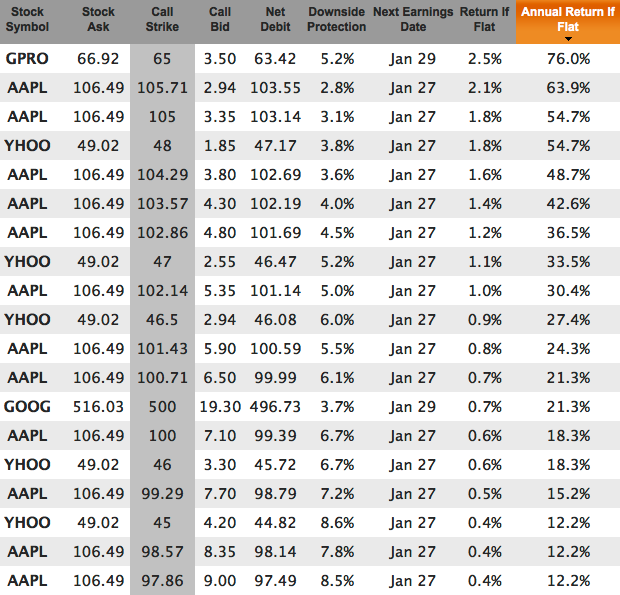
Identifying a good stock requires a disciplined process. It begins with a stock screener to filter the thousands of available equities based on specific criteria like market cap, P/E ratio, or dividend yield. Once a shortlist is created, the investor must move from quantitative filtering to qualitative research. This involves reading annual reports (10-Ks), listening to earnings calls, and staying updated on industry news.
A critical part of this process is the “Margin of Safety.” This concept, popularized by Benjamin Graham, suggests that an investor should only buy a stock when its price is significantly below its estimated intrinsic value. This gap acts as a cushion, protecting the investor against errors in judgment or unexpected market downturns.
Ultimately, a “good” stock is one that you understand. Investing in a business whose model is opaque or whose industry is beyond your “circle of competence” is a recipe for disaster. The best investments are often found in companies that provide products or services you use and understand, backed by a management team that is transparent and aligned with shareholder interests. By combining rigorous financial analysis with a keen understanding of market trends and competitive advantages, an investor can move beyond the noise of the market and find the stocks that truly offer long-term value.
aViewFromTheCave is a participant in the Amazon Services LLC Associates Program, an affiliate advertising program designed to provide a means for sites to earn advertising fees by advertising and linking to Amazon.com. Amazon, the Amazon logo, AmazonSupply, and the AmazonSupply logo are trademarks of Amazon.com, Inc. or its affiliates. As an Amazon Associate we earn affiliate commissions from qualifying purchases.